10 Easy Ways to Save on a Fixed Income

bbernard / Shutterstock
Living on a fixed income can be a difficult balancing act. After all, you’ve likely still got all of the same expenses you always did, but you may now have fewer resources to cover them. However, experts say that being on a fixed income doesn’t necessarily have to mean feeling deprived. There are still ways to save money for the future, and to ensure you have a safety net should you need one.
Not sure where to begin? Not a problem. We’ve talked to a range of financial experts to glean the best money-saving tips for people on a fixed income. Read on to hear their top 10 pieces of financial advice so you can start saving today.
RELATED: 25 Best Ways to Save for Retirement .

iStock
Before you set any other strategies for saving, experts recommend reviewing your current spending habits to see where your money is going. By identifying areas where you may be overpaying, you can cut back on the things you no longer need and redirect that money toward savings.
RELATED: 6 Times You Should Never Give Money to Your Adult Children .

iStock
“This is the most important tip for anyone who wants to save money, regardless of their income,” Lokenauth tells Best Life . “A budget will help you track your spending and see where your money is going. Once you know where your money is going, you can start to make changes to save more.”
RELATED: 7 Budget Hacks For Retirement, According to Financial Experts .

Rawpixel.com/Shutterstock
Regardless of your income, one of the best ways to save money is to automate your contributions, the experts say. By setting up a biweekly or monthly transfer into your savings account, you can ensure that you don’t spend that money carelessly.
According to the investment advisor group Vanguard , most financial experts agree that you should have at least three to six months of living expenses set aside in an emergency fund. Calculate this number when you perform your self-audit and set it as your goal.

Shutterstock
If you feel like your grocery bill is higher than usual, you’re not alone—food costs have recently soared due to inflation. Experts say you can offset these rising costs by using coupons, store savings apps, and promotional calendars to plan your shopping.
“I would highly recommend those looking to save money on a fixed income start shopping based on deals and promotions,” says Carter Seuthe , CEO of Credit Summit Consolidation . “This is especially applicable for grocery shopping, where certain essentials might be offered at lower prices depending on where you shop.”
Melissa Cid , a Consumer Savings Expert and the site manager for MySavings.com , says that using coupons is now easier than ever.
“Almost every grocery and drugstore now has digital coupons on their apps that you can clip and redeem with your phone. There are even rebate apps like Ibotta, Fetch, and Rakuten that will pay you cash back for your purchases online and in-store,” she says.
RELATED: 24 Smart Shopping Habits That Will Save You Loads of Money in the Long Run .
Shutterstock
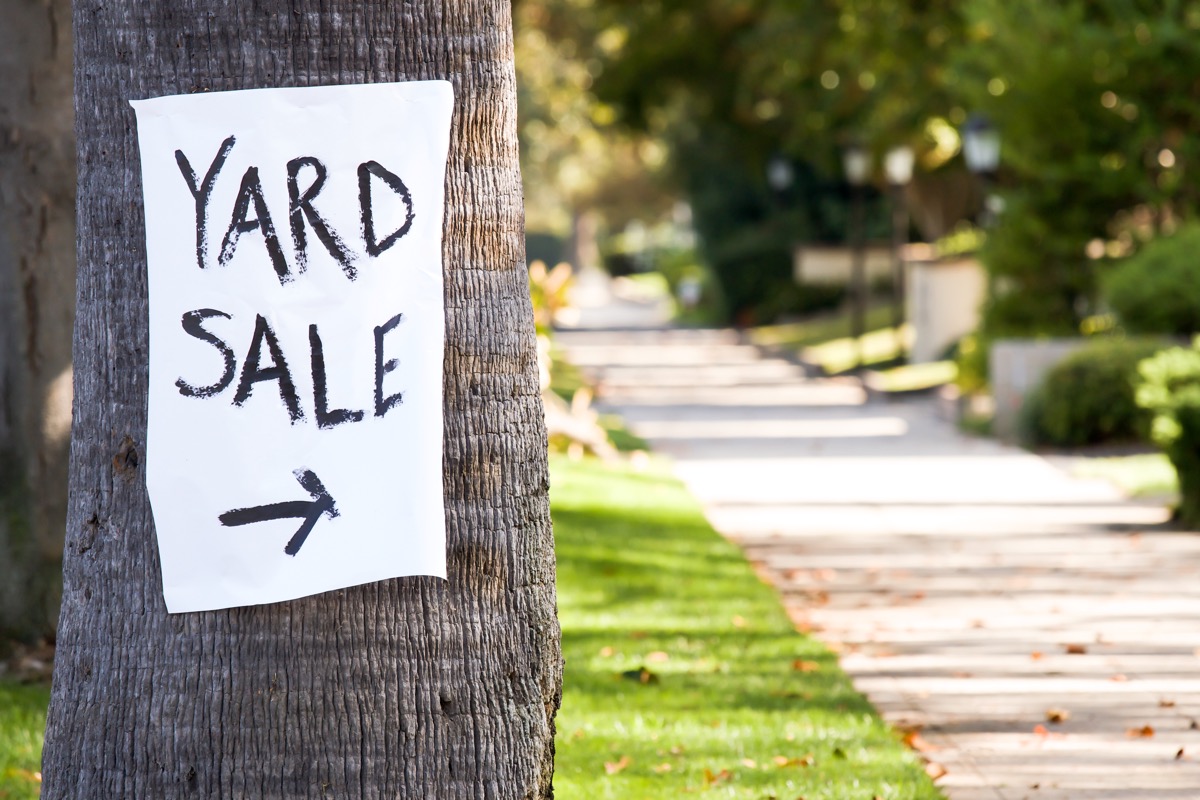
Selling items you no longer need is another great way to save money on a fixed income—and it’ll also help you declutter your home.
“Everyone has stuff lying around that they don’t need or use,” says Cid. “Instead of it taking up space in your home, turn your unwanted items into cash. Your old cell phone, furniture, clothes, kitchen gadgets, spare computer, even a television! Apps like Facebook MarketPlace, Nextdoor, and Craigslist are free to list your items.”
RELATED: 6 Signs It’s Time to Downsize Your Home, Experts Say .

Shutterstock
Entertainment costs can quickly add up. If you’re beginning to feel like it requires money just to leave your house, Lokenauth recommends embracing free and low-cost activities to curb costs and make more room for savings on your fixed income.
“There are many things you can do to entertain yourself without spending money. Go for walks in the park, visit the library, or take advantage of free museum days. You can also find free or low-cost activities online or in your local community,” says Lokenauth.
RELATED: 5 Things You Didn’t Know You Can Get for Free with Your AARP Membership .

iStock
Even if you own a car, using public transportation when possible can help you cut down on expenses, says Alec Kellzi , CPA, a financial expert and accountant at IRS Extension Online .
“Using public transportation or carpooling reduces fuel and maintenance costs associated with owning a car,” Kellzi tells Best Life . “Public transit passes are often cheaper than the combined cost of fuel, parking, and vehicle maintenance. Carpooling also allows you to share these expenses with others.”

iStock
If you’re on a fixed income because you’ve retired , you may have extra time on your hands—and that can be financially valuable, the experts say.
“Identify skills you can exchange with friends or neighbors. Barter your expertise in cooking, or gardening for services like pet sitting, tutoring, or handyman work. This approach helps you save money and build a stronger community network,” says Kellzi.
Jeff Mains , CEO of Champion Leadership Group , says that beyond bartering, you can also save money by sharing certain expenses with others.
“Co-op grocery shopping, carpooling, and even community gardening can significantly reduce daily costs while fostering a sense of community,” he recommends. “Sharing subscription services or tools with neighbors can also lead to substantial savings.”

Feverpitched / iStock
If you have more space than you need, Mains recommends that you consider downsizing to a smaller and more economical space.
“Moving to a smaller home or a more affordable location can significantly reduce your expenses, including mortgage payments, property taxes, and maintenance costs,” he explains. “This frees up a substantial portion of your savings for other purposes, such as emergency funds or leisure activities. Additionally, you might choose a location closer to your work location or essential services such as a marketplace and hospital to cut transportation costs.”
If you’re not ready to take that leap, another option is to rent out your spare space to generate some extra cash.
“If you have a spare room, garage, or parking spot, rent it out for extra income. The additional income generated from renting supplements your earnings, offsets expenses such as mortgage payments or utility bills, and reduces financial strain during unexpected costs,” says Kellzi.

iStock
One benefit of being on a fixed income is that a one-time discussion with a financial advisor will still apply for the foreseeable future. Consulting with an expert on tax and investment opportunities specifically geared toward those on a fixed income can help set you up for years of financial success.
“There are certain tax deductions and credits available for people on a fixed income. Understanding and maximizing these can help put back more money into your pocket and leave more for savings,” says Sandi Huynen , a financial expert for Winnipeg Mortgage Broker .
Best Life offers the most up-to-date financial information from top experts and the latest news and research, but our content is not meant to be a substitute for professional guidance. When it comes to the money you’re spending, saving, or investing, always consult your financial advisor directly.
