10 Secrets Flight Attendants Will Never Tell You
Hananeko_Studio/Shutterstock
READ THIS NEXT: Never Travel Without This Item, Flight Attendant Says .
Shutterstock
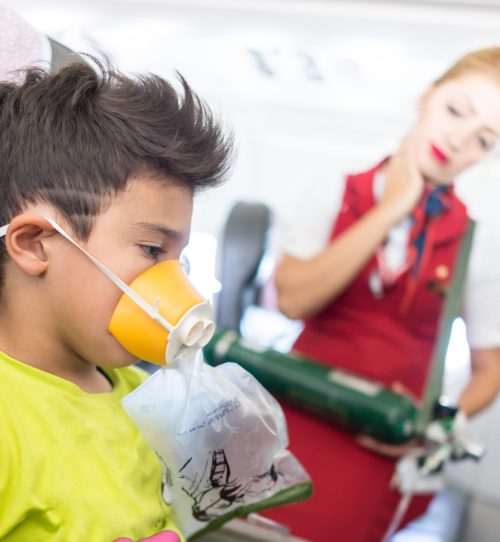
We’ve all heard the warnings that precede every flight about donning a mask first before helping a child. What isn’t announced is that the flowing oxygen will last between just 12 and 15 minutes. Before you panic, know that most pilots will take the plane to a lower altitude within that time. The biggest risk, however, is in the first 30 seconds: That’s how long you have to get the mask on yourself before passing out.
Shutterstock
With some flights during the pandemic operating at a reduced capacity, there may be room available in this emergency event; however, the norm, should a passenger die while the plane is in the air, is that flight attendants strap that person in their seat until landing, assuming there is no extra row or empty seat available, according to the BBC .
Shutterstock
Flight attendants use the chimes to signal a host of things to one another, from the snack supply running low to an increase in turbulence. Sometimes the chimes hold greater significance, alerting flight attendants to an emergency or change in route.
Shutterstock
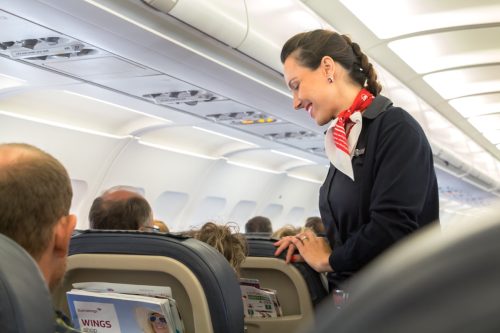
It’s a dirty secret in the airline industry that headsets and earbuds are recycled after every flight—even the ones that come in plastic pouches you have to open. Airlines simply collect them, clean them and rebag each pair.
Shutterstock
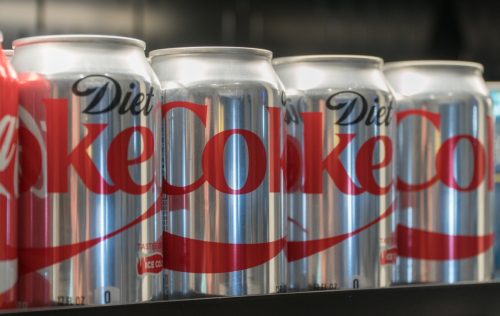
No other drink fizzes as much as this soda. Diet Coke requires extra time to simply wait for the bubbles to settle—so much so that in the time it takes to pour one Diet Coke, a flight attendant could pour three other drinks.
Shutterstock
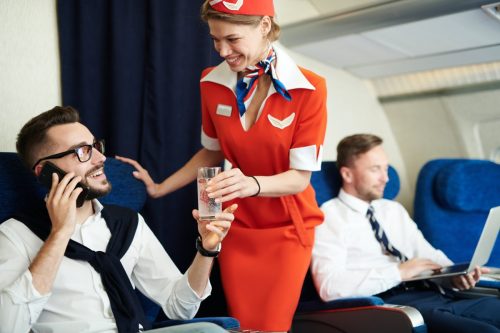
The routine beverage pour only fills between half and three-quarters of a plastic cup, but there’s no rule that you can’t have more. If you ask for the whole can, nine times out of 10, flight attendants will oblige, according to HuffPost .
READ THIS NEXT: 12 Long-Haul Flight Hacks You Need to Know, According to Travel Pros .
Shutterstock
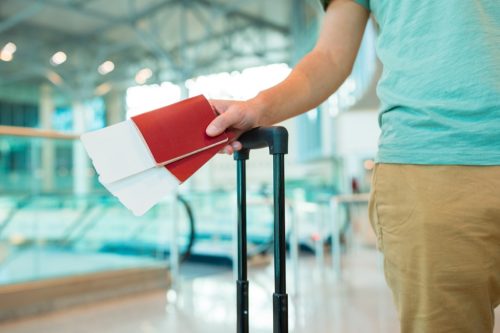
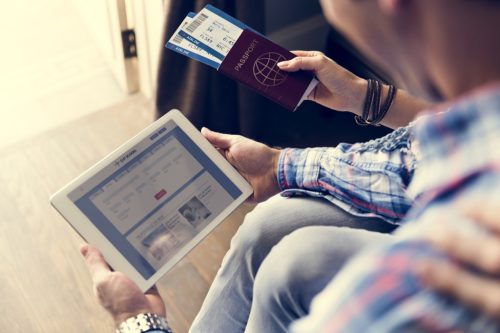
Reading the codes on your boarding pass gets more complicated. The most interesting—and secret—part of your ticket is the six-digit alphanumeric segment of coded text called the PNR or Passenger Name Reference, and it contains your frequent flier number and future travel plans. Someone could use this information to access your account, even changing the PIN to prevent your future access, says CNN .
Shutterstock
Some of what’s printed on the boarding pass is obvious, such as the first two letters of the flight code are simply the airline you’re booked on—such as AA for American Airlines or NK for Spirit Airlines (OK, that one’s a little less obvious). The last digit of the flight code signals a flight’s direction, with odd numbered flights headed south and west, and even numbered flights pointed north and east, according to Gizmodo .
Surachet Jo/Shutterstock
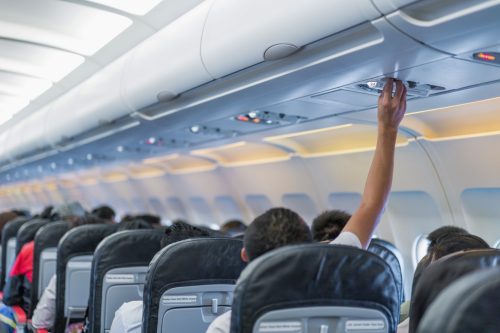
It’s tempting to ask your flight attendant to make the plane cooler or warmer, but be warned that they most likely won’t oblige. “While they might say they’ll adjust it, the reality is that unless the whole plane is complaining, or the crew themselves are uncomfortable, the temperature probably won’t change,” says James Kinsella , travel expert at Turtle Trip .
The temperature throughout the entire plane is pretty standard as well. It’s set at a number that’s considered comfortable for the majority of the passengers, so don’t expect to get special treatment.
Aureliy/Shutterstock
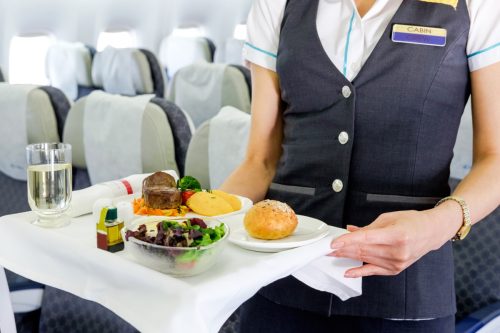
If you’re on a quicker flight you don’t have to worry about eating airplane food, but if you’re traveling for a longer period of time your hunger may get the best of you. Taylor Beal , owner and author of the travel blog Traverse With Taylor , advises bringing your own meals and snacks on board when you can.
“Most often, these meals are frozen and then ‘cooked’ when needed, plus they also do not have the best ingredients or nutritional value because, well, non-perishable foods and substitutes last longer,” says Beal. These items are meant to last for long periods of time so quality isn’t the top priority.
