12 Best Superfoods to Supercharge Your Diet, Nutritionists Say

Shutterstock
Superfoods are more than just a trendy buzzword—they’re nutritional powerhouses packed with vitamins , minerals, and antioxidants that can help combat inflammation, boost immunity, protect against chronic disease , strengthen your skin, hair, and nails, and even help you lose weight.
And good news: These superfoods are an affordable way to get big nutritional gains. From gut-friendly fermented foods and omega-3–loaded fatty fish to fiber-packed legumes and yes, even dark chocolate, these ten superstar ingredients offer research-backed benefits. So, whether you’re aiming to sharpen your mind, strengthen your heart, or simply look and feel healthier and more energized, read on to discover which superfoods nutritionists say deserve a spot in your diet right now.
RELATED: Meet the Next “It” Superfood for Your Brain, Immunity, and More
Marian Weyo / Shutterstock
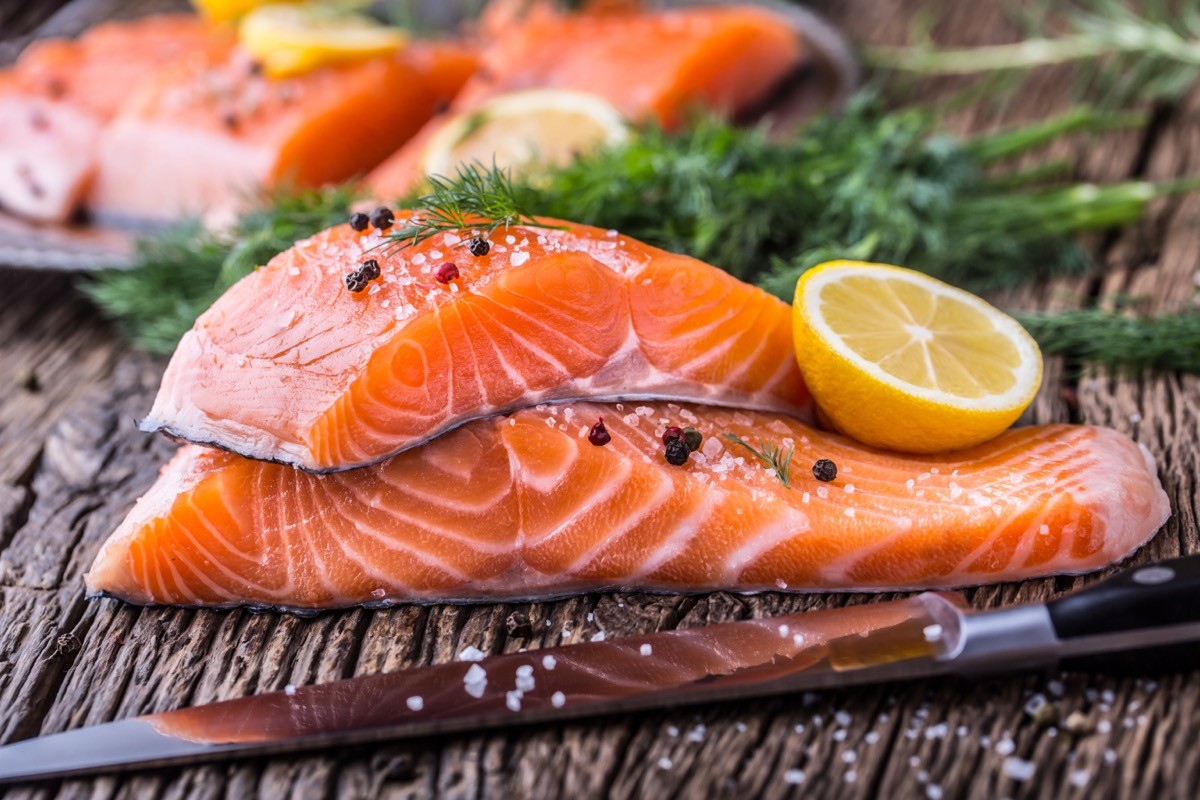
Your best bet for health? Salmon with the skin on, according to Amanda Sauceda , MS, registered dietitian and gut health nutritionist. Salmon is a great source of collagen, vitamin D, protein, and omega-3s .
“You want more salmon on your plate because it’s a four-in-one package for health,” Sauceda says. “You’re able to get a lot of nutrients in one food making it an ideal ingredient to keep in your fridge.”
iStock
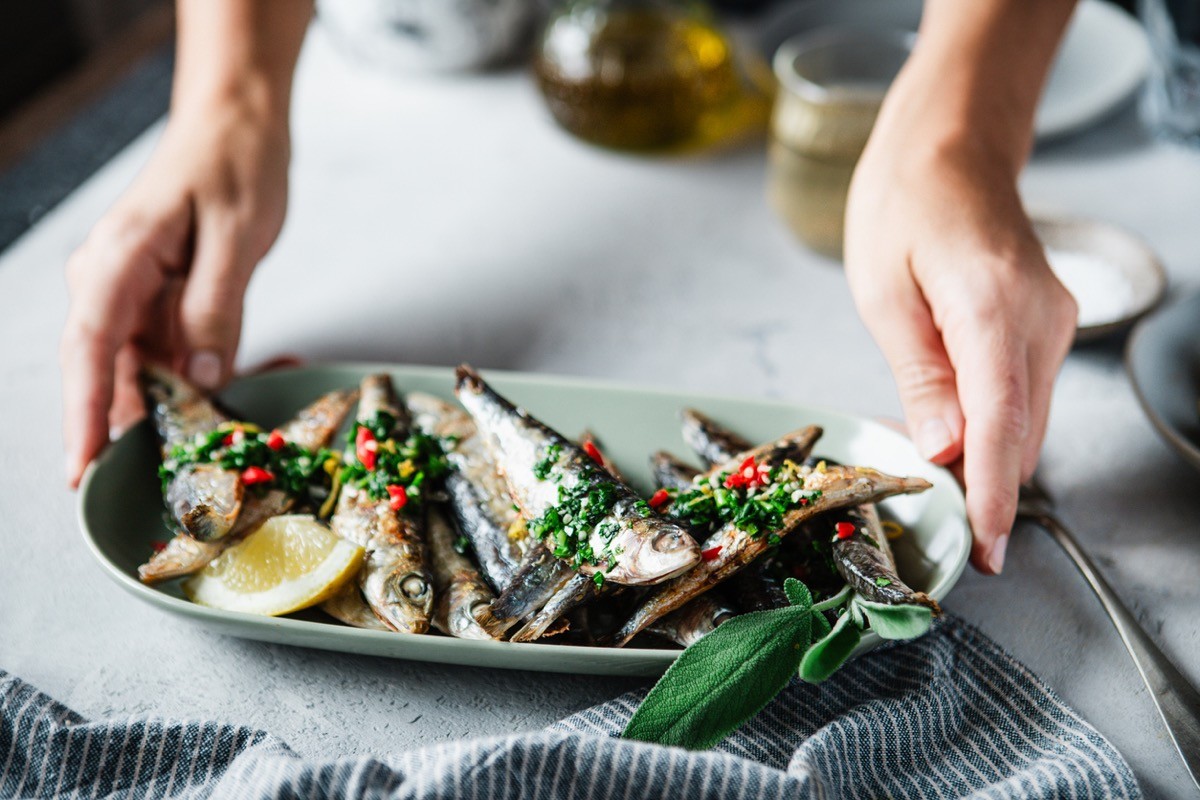
Salmon isn’t the only fish that experts consider to be one of the healthiest superfoods. Michelle Routhenstein , MS, a preventive cardiology dietitian at EntirelyNourished, also recommends that people eat around two servings of sardines every week.
“Sardines provide about 1.5 grams of omega-3 fatty acids per 3 ounces, contributing to half of the recommended weekly intake,” she says. “These fatty acids help to lower triglycerides levels and reduce inflammation in the body, making them a heart healthy food to regularly add to your diet.”
This fishy food is also rich in calcium and vitamin D, according to Routhenstein. That means sardines are beneficial for your bone strength too.
RELATED: 9 High-Fiber Foods for Weight Loss That Will Keep You Full and Satisfied

Nickola_Che / Shutterstock
Not a fan of fish? That’s OK. Sauceda says chicken with the skin on is a good alternative to fish when it comes to collagen -based superfoods.
“Marinate your chicken with citrus to get an added bonus of vitamin C,” she suggests. “You could also use the bones of your chicken to make a bone broth for another collagen source.”

MaryShutterstock / Shutterstock
Next to fish and chicken, eggs are a great protein pick—and one of the “few foods considered a complete high-quality protein source,” according to Brynna Connor , MD, general practitioner and healthcare ambassador at NorthWestPharmacy.
“Eating just two eggs provides up to 30 percent of your daily vitamins , making them a great superfood option for a meal or snack,” she says. “Eggs contain all nine essential amino acids that the body can’t produce on its own, as well as healthy unsaturated fats, vitamins, and minerals.”
RELATED: 22 Surprising Signs You Have a Vitamin Deficiency

iStock
Avocados are a “great source of healthy fat,” says Daryl Gioffre , DC, functional nutritionist , gut health expert, and author of Get Off Your Sugar . This superfood is high in monounsaturated fat, “which easily creates energy for the body to burn.”
Plus, there are many vitamins in avocados, including vitamins K, C, B5, and B6.
“They contain more potassium than bananas without all of the sugar,” Gioffre adds. “They’re also surprisingly high in fiber, so they help maintain digestive health.”
Shutterstock
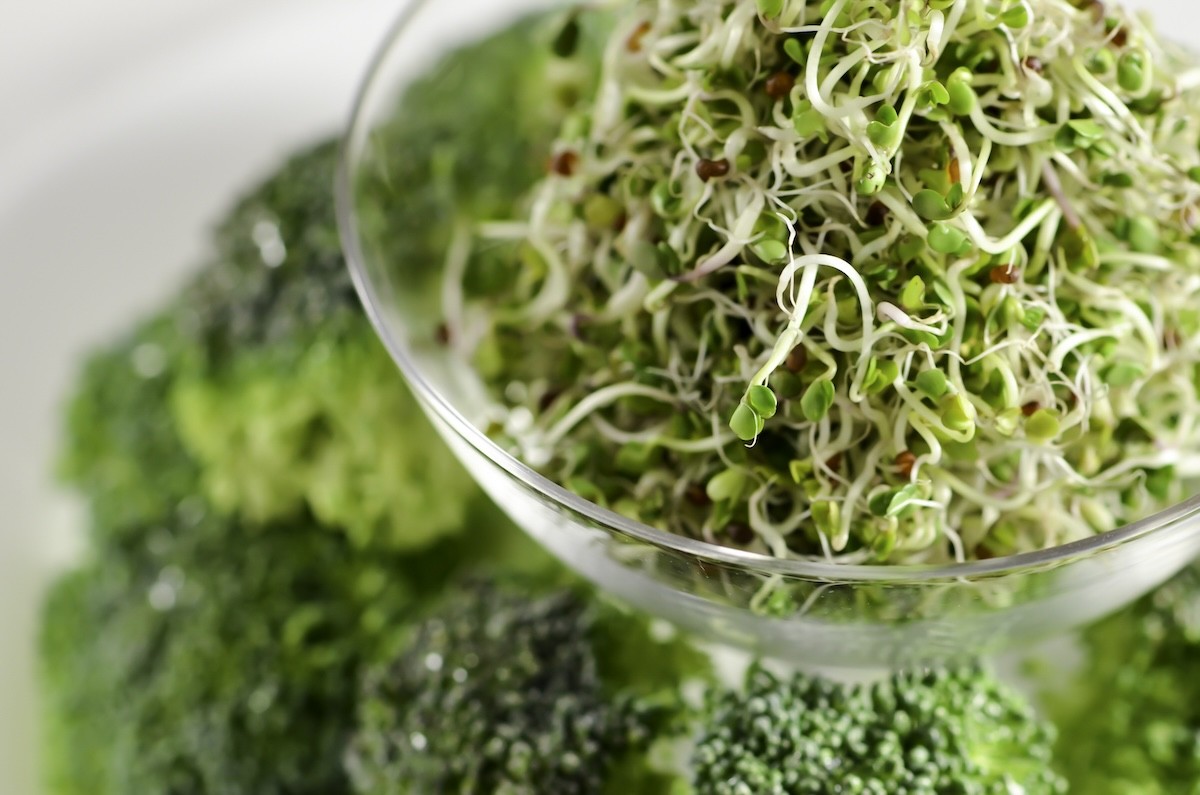
Another green you should be adding to your plate consistently is broccoli sprouts, which “contain 10 to 100 times more of sulforaphane than mature broccoli,” according to Gioffre.
“Sulforaphane activates Nrf2 pathways, regulating antioxidant genes, reducing inflammation, and even inhibiting cancer cell growth,” he says.
What’s more, broccoli sprouts are a more potent source of vitamin K , which is important for helping your blood clot and your body heal wounds.
“Broccoli sprouts boast nearly 38 micrograms of vitamin K per serving, while broccoli only contains 0.4 micrograms,” Gioffre adds.
iMarzi/Shutterstock
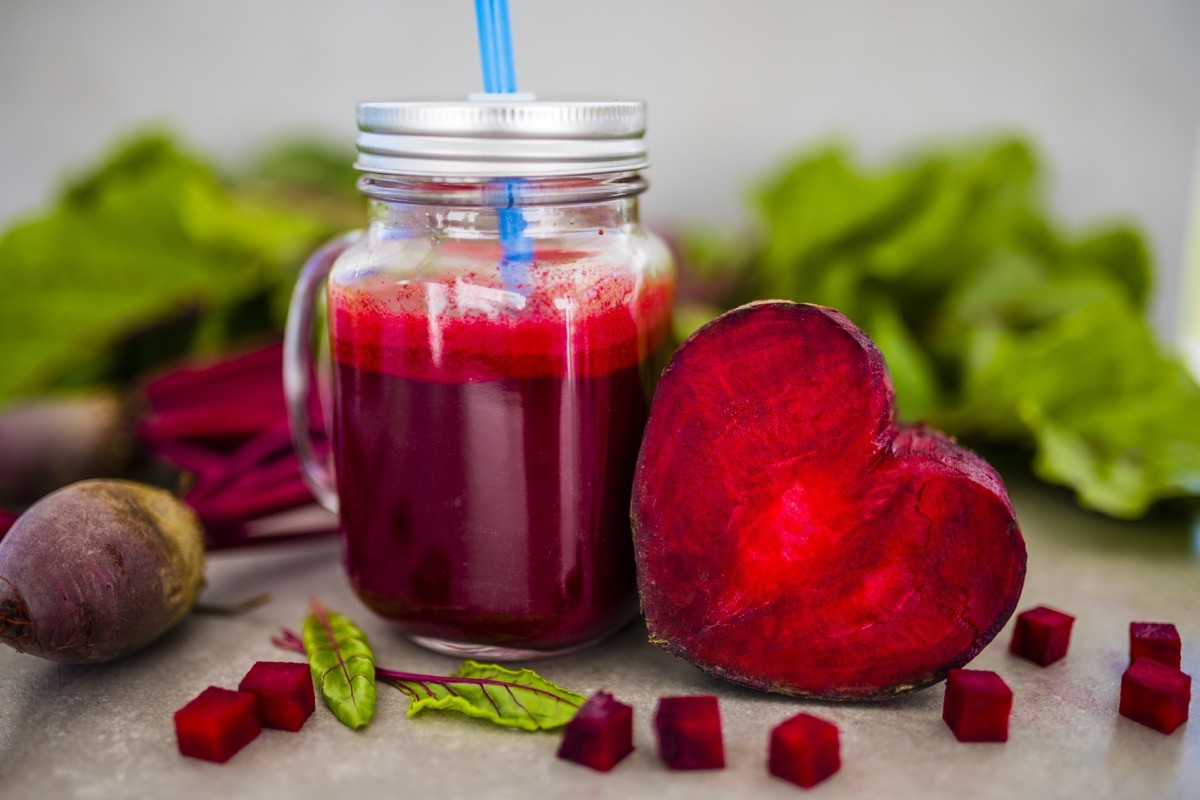
Beets can help your blood, too. This superfood “contains high levels of nitrates , which are important for keeping blood vessels dilated and improving blood flow,” Connor explains.
Research has found that people who regularly eat beets as part of their diet “have better blood flow in the brain, specifically the part of the brain that’s essential for memory and critical thinking,” Connor adds.
RELATED: 5 Best Memory-Boosting Foods, According to Science
iStock
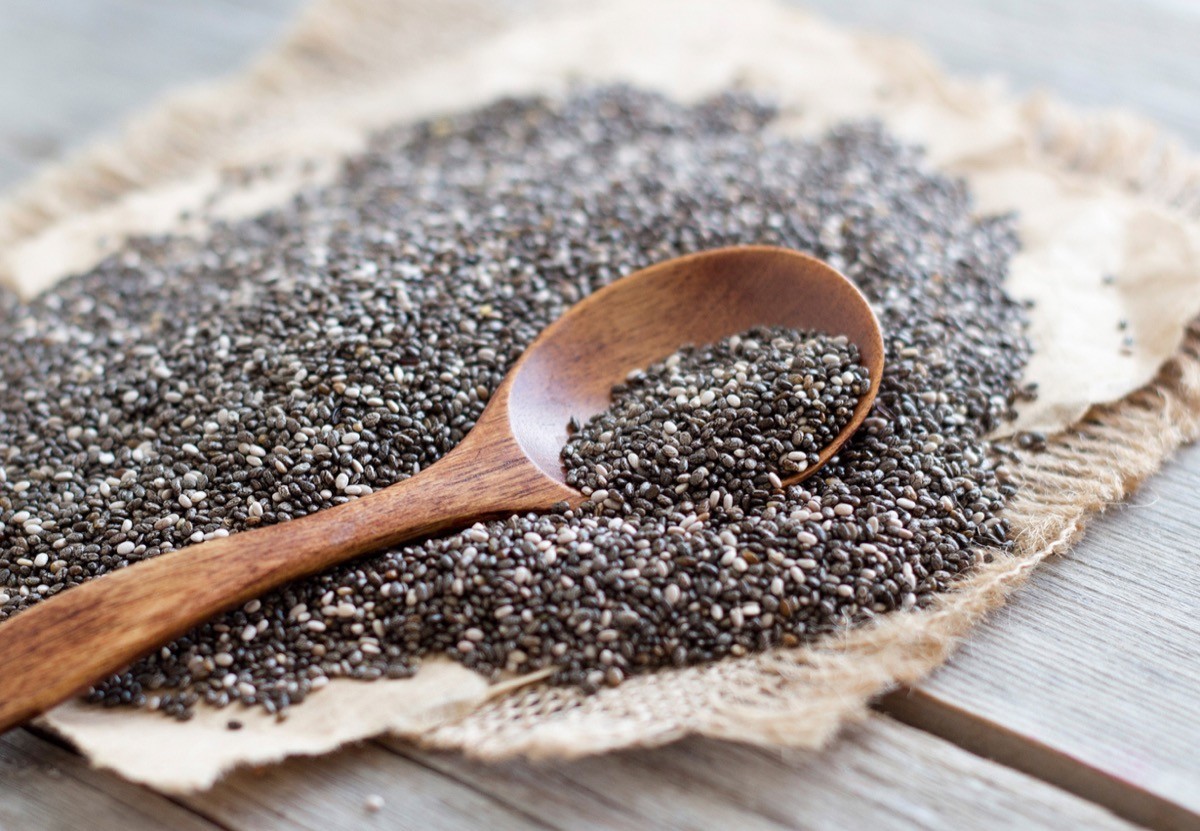
You can easily add chia seeds to your morning yogurt, your blended smoothies , or even your favorite salad dressings—and you should! Chia seeds can “provide protein , fiber, calcium, antioxidants and omega-3s,” according to Gioffre.
“When consumed, they can help regulate blood sugar levels, promote digestive health, and support weight management,” he says.
iStock
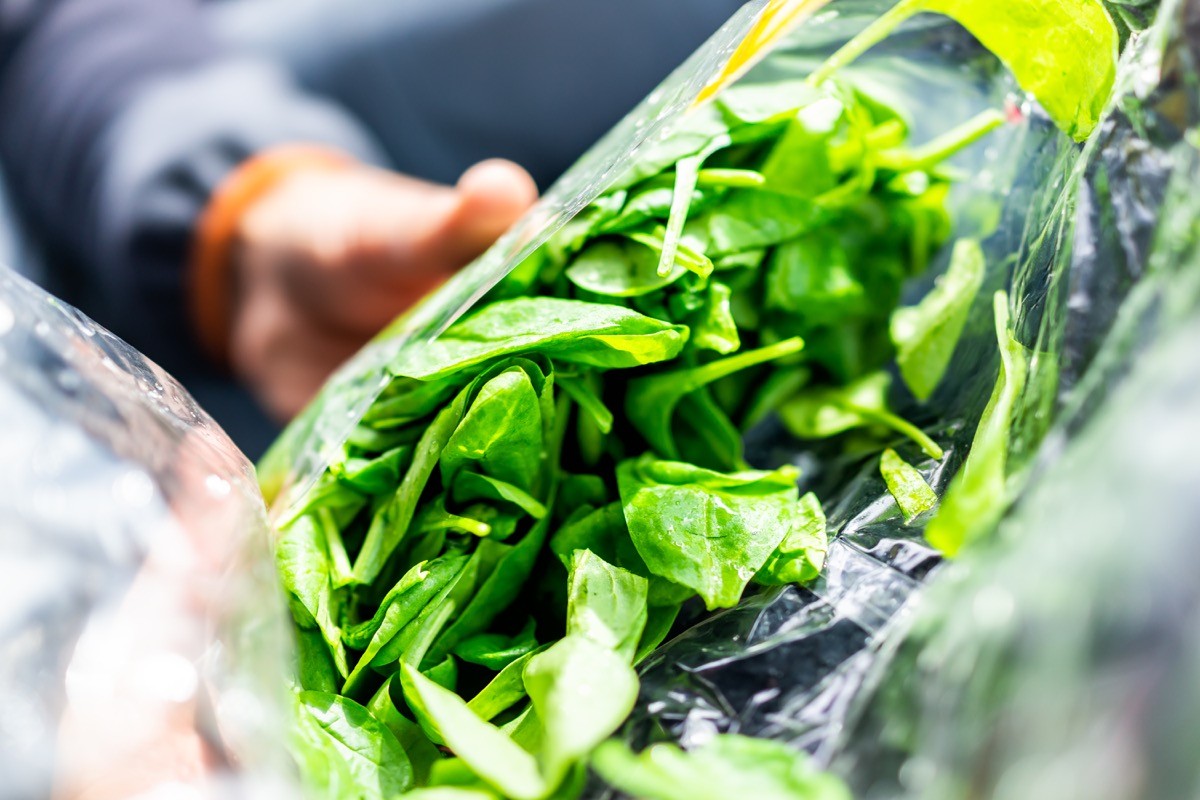
Don’t shy away from adding a lot of spinach to your smoothies or salads as well. Erik Natkin , DO, a physician specializing in holistic wellness and nutrition , says this leafy green is loaded with important vitamins and minerals, including vitamins A, C, and K, magnesium, iron, and manganese.
“Eating spinach regularly can benefit eye health, reduce oxidative stress, and help prevent heart disease,” Natkin says. “A couple of cups per week either in salads or smoothies is beneficial.”
Shutterstock
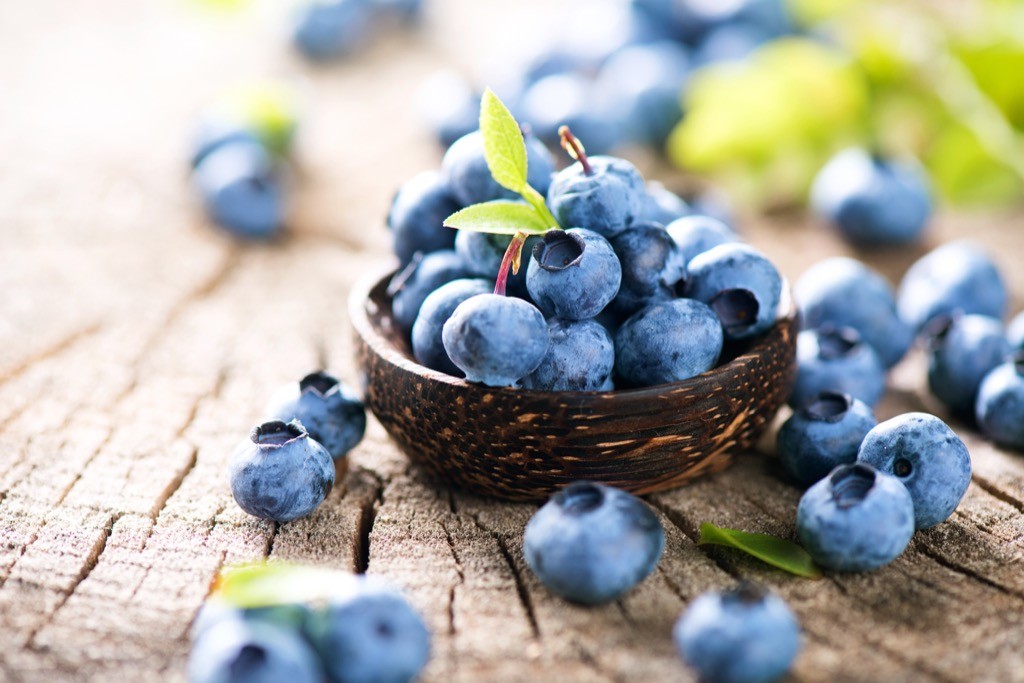
If you’re looking for the best fruit-based superfood, look no further than the blueberry . This delicious berry is favored by many health experts, including Routhenstein and Natkin.
“Blueberries are loaded with flavonoids, particularly anthocyanins, quercetin, and myricetin, which are linked to improved brain function, decreased risk of heart disease, and promoting healthy aging,” Routhenstein says.
Not only are they packed with antioxidants and flavonoids, but blueberries are also “high in potassium and vitamin C, which can help improve heart health and brain function,” according to Natkin.
But just how many blueberries should you eat to gain the optimal benefits?
“Aim to include one to two cups of fresh or frozen blueberries in your weekly diet,” Routhenstein advises.
RELATED: 15 Best Heart-Healthy Foods for Men
Shutterstock
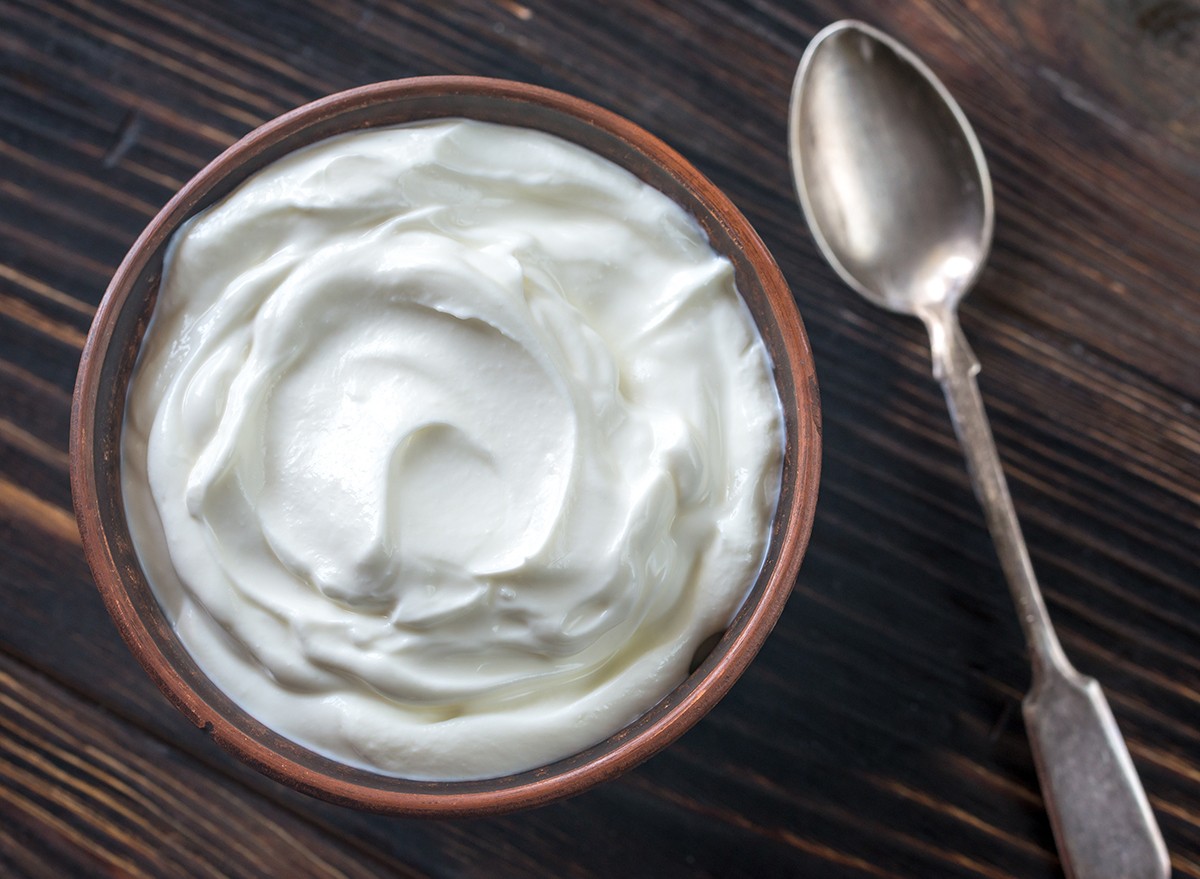
Foods like yogurt , kefir, sauerkraut, kimchi, miso, tempeh, and kombucha are superfoods that are great for your gut health, nutritionists say.
During the fermentation process, friendly bacteria multiply, creating probiotics, which are live microorganisms that can help balance your gut microbiome. A healthy gut can improve your immune function, reduce inflammation, and even boost your mood and brain health.
Recent research found that regular consumption of fermented dairy (like yogurt and kefir) and fermented vegetables (like sauerkraut and kimchi) was associated with lower levels of C‑reactive protein, a blood marker of chronic inflammation .
Another study found that people who ate fermented foods every day had more diverse gut bacteria—a key factor in resisting “bad” microbes and supporting your overall health.

iStock
Finally, for dessert, nutritionists recommend one or two squares of dark chocolate as a yummy superfood and sweet treat.
Dark chocolate has a dense concentration of beneficial nutrients, like polyphenols, flavanols, and catechins, which are plant compounds that help neutralize free radicals and reduce inflammation. According to Harvard Health , studies have shown that one or two ounces of dark chocolate a day can have positive short-term effects, such as lowering your blood pressure.
That said, it’s important to choose the right dark chocolate. The best kind contains 70% or more of cocoa and is darker in color, which means it contains less sugar, Healthline reports.
This story has been updated to include additional entries, fact-checking, and copy-editing.
We offer the most up-to-date information from top experts, new research, and health agencies, but our content is not meant to be a substitute for professional guidance. When it comes to the medication you’re taking or any other health questions you have, always consult your healthcare provider directly.
Meet the Next “It” Superfood for Your Brain, Immunity, and More
<img loading=“lazy” src=“https://bestlifeonline.com/wp-content/uploads/sites/3/2025/06/2671136523_8812_featured.jpg?quality=82&strip=1&resize=640%2C360" onerror=“this.onerror=null;this.src=‘https://blogger.googleusercontent.com/img/a/AVvXsEhe7F7TRXHtjiKvHb5vS7DmnxvpHiDyoYyYvm1nHB3Qp2_w3BnM6A2eq4v7FYxCC9bfZt3a9vIMtAYEKUiaDQbHMg-ViyGmRIj39MLp0bGFfgfYw1Dc9q_H-T0wiTm3l0Uq42dETrN9eC8aGJ9_IORZsxST1AcLR7np1koOfcc7tnHa4S8Mwz_xD9d0=s16000';" alt=“Meet the Next “It” Superfood for Your Brain, Immunity, and More - 14”>
Shutterstock
Technically speaking, a superfood is defined as “a nutrient-rich food considered to be especially beneficial for health and well-being.” Of course, this may vary depending on your specific nutritional needs, but some go-to examples include Swiss chard , blueberries, and salmon. Now, scientists have identified what they believe could be the next big superfood—green alga, or chlorella. They say it can not only benefit brain health and boost immunity but also help address global food insecurity.
RELATED: This Superfood Can Help Prevent Heart Disease, Weight Gain, and More—But You’re Probably Not Eating It .
What is chlorella?

Shutterstock
Chlorella is a freshwater microalga native to Japan and Taiwan.
According to a press release detailing a new study published in the Journal of Food Science , “The microalga can be incorporated into food products to enhance their nutritional value. With its antioxidant properties, immune support, and detoxifying effects, Chlorella is a promising nutraceutical ingredient.”
Alga might not sound too appetizing at first, but it’s typically not consumed in its raw form. Rather, it’s made into powdered or pill supplements. Chlorella powder can also be used as an ingredient in salad dressings, smoothies and juices, baked goods, or even mixed in with smashed avocado on toast.
What are chlorella’s health benefits?
Chlorella is an excellent source of plant-based protein. As MedicalNewsToday reports, “One mouse study has shown that the body absorbs protein from three types of chlorella effectively. This is rare for plant protein sources. It makes chlorella a suitable protein option for vegans.”
In addition, it’s a rare plant-based source of vitamin B-12 , which helps with energy levels, mood, and brain health.
Chlorella is also high in calcium (necessary for bone health, blood circulation, and nerve function), magnesium (which benefits sleep regulation, muscle and nerve function, bone health, heart health, and more), and iron (important for cognitive function, immunity, blood health, and energy).
Iron is especially important when pregnant, as the body requires more of the mineral to deliver oxygen to the baby. A 2009 study found that pregnant women who took a daily 6 g chlorella supplement had a “significantly” reduced risk of developing pregnancy-associated anemia (iron deficiency).
Put together, chlorella’s health benefits include “anti-tumor properties, potential for preventing Alzheimer’s disease, and positive effects on major depressive disorder,” according to the researchers involved in the latest study.
RELATED: This “Powerhouse” Vegetable Is the Healthiest, CDC Says—But You’re Probably Not Eating It .
How can green alga address food insecurity?
As the press release states, “Unlike conventional agriculture, which requires extensive land and water resources, [chlorella] can be cultivated sustainably with minimal environmental footprint.”
However, the scientists point out that more research is needed to optimize how chlorella is produced “to increase yield and reduce costs.”
Once that is better understood, chlorella’s geographic footprint can be expanded, and it can then be added to more food products to increase their nutritional value.
“As consumer interest in health-conscious and eco-friendly products grows, Chlorella Vulgaris could be one of the superfoods that redefine the future of food innovation,” said industrial microbiologist and study co-author Helen Onyeaka , PhD. “Our study underscores the critical role of applied research in addressing global food security challenges while promoting environmental sustainability.”
RELATED: This Food Can Trigger a 15% BMI Weight Loss—But You’re Probably Not Eating It .
The Takeaway:
The green alga known as chlorella offers a multitude of health benefits, including heart health, immunity, cognitive function, and more. It’s most typically consumed in supplement form as a powder or tablet.
A new study underscores the nutritional makeup of chlorella and adds that it “offers significant environmental advantages, helping to capture carbon dioxide and cleanse wastewater, aligning with global sustainability goals.”
“We found that Chlorella not only meets growing demand for sustainable food sources but also offers substantial health and nutrition benefits. By overcoming production challenges through technological advancements, we can pave the way for Chlorella’s widespread adoption,” concluded Onyeaka.
We offer the most up-to-date information from top experts, new research, and health agencies, but our content is not meant to be a substitute for professional guidance. When it comes to the medication you’re taking or any other health questions you have, always consult your healthcare provider directly.

