14 Fun Facts You Never Knew About Machu Picchu
Shutterstock
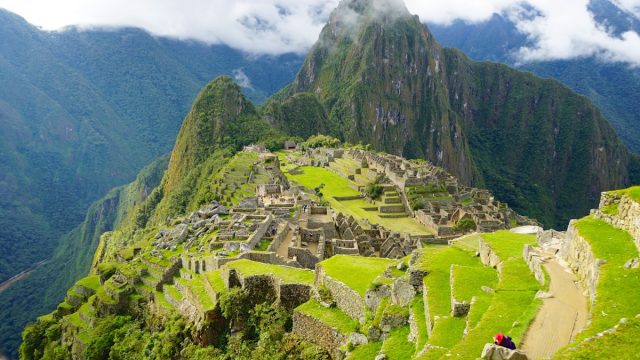
Nestled high atop a mountain in the Eastern Cordillera of southern Peru, Machu Picchu is a 15th-century architectural marvel. Most archaeologists believe the Inca citadel was constructed as an estate for the Inca emperor Pachacuti, who ruled from 1438 to 1472. But despite decades of archeological excavations (yep, Westerners only started exploring this site in 1911!), there are still countless mysteries surrounding these ancient Inca ruins. Whether a trip to this legendary site is on your bucket list, or you’ve just got a thing for stunning vistas, we guarantee these Machu Picchu facts will pique your interest.
1. Machu Picchu’s name is extremely fitting.
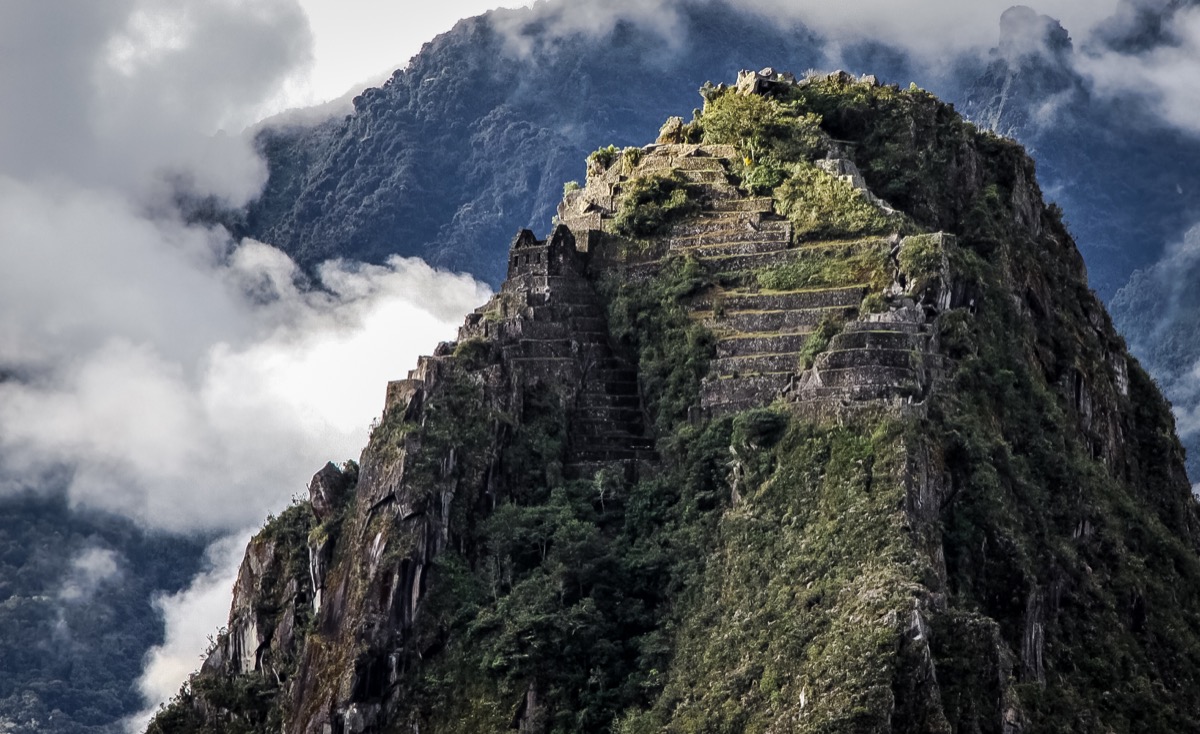
The name Machu Picchu translates roughly to “old peak” or “old mountain” in the ancient Quechua language . (“Machu,” meaning “old” and “picchu” meaning “peak.”) In contrast, Huayna Picchu, the mountain in the background of everyone’s Machu Picchu photos (that’s it in the photo below), translates to “young mountain” or “new mountain.”
Shutterstock
2. Speaking of Huayna Picchu—it’s probably where you’ll get the best view.
If you stand at the base of Machu Picchu and look up, you’ll notice an even bigger mountain with yet another set of ruins. That’s Huayna Picchu, the previously mentioned “young mountain”—and it’s the best place to view Machu Picchu since it towers some 1,180 feet above it. Unfortunately, just 400 people are able to hike Huana Picchu a day. That’s because its a treacherous climb that takes most hikers around two hours to complete. If this hair-raising climb is on your bucket list, plan to buy a ticket some three months in advance. You’ll need to be 12 years or older, have an authorized guide, and you absolutely cannot be afraid of heights.
3. Machu Picchu and Huayna Picchu both sit at a lower elevation than the city of Cusco.
From that last fact, you might have thought these two peaks were some of the highest points in Peru. But it turns out, Machu Picchu is actually about 3,000 feet lower than Peru’s capital city of Cusco. At 7,972 and 11,152 feet above sea level respectively, both Machu Picchu and Cusco each require a bit of high-altitude acclimation. That means if you don’t take things slowly, you could be plagued by symptoms like shortness of breath, fatigue, and nausea. And that defintiely won’t make for a good vacation story.
Shutterstock
4. Historians still aren’t sure exactly why Machu Picchu was built.
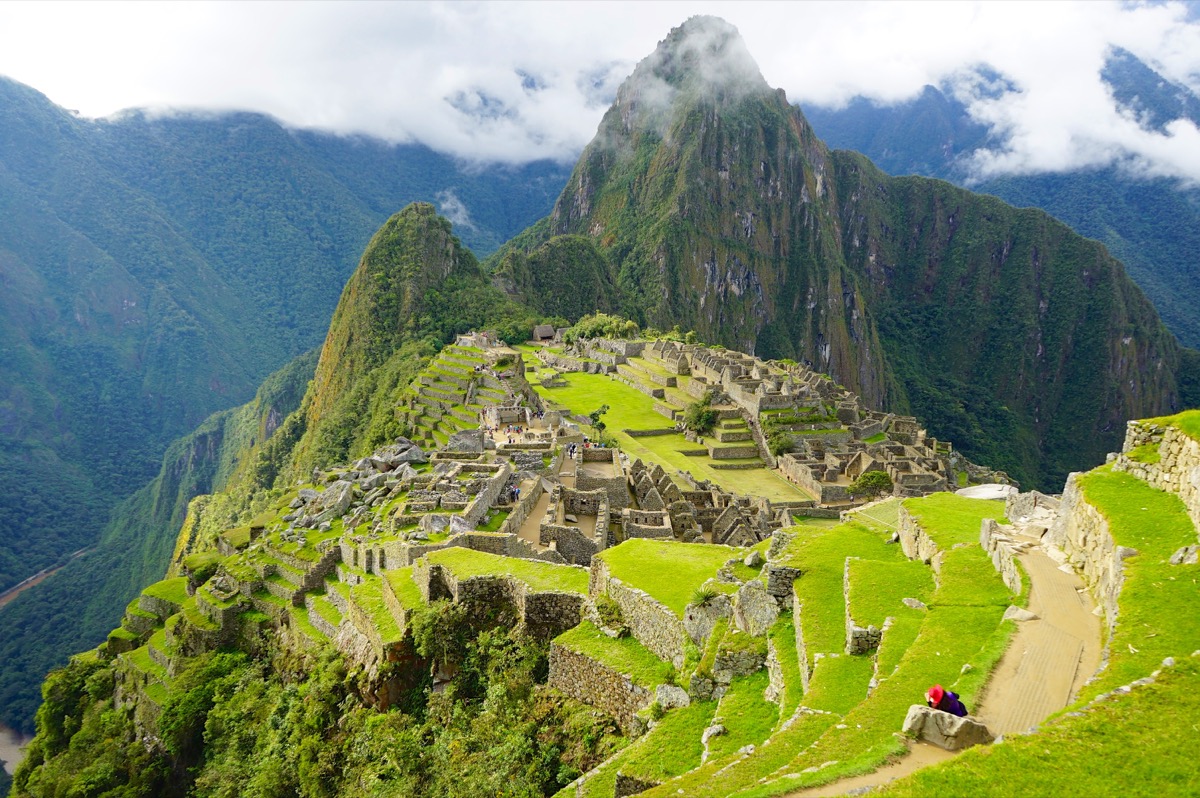
While most archeologists agree that Machu Picchu was erected as a royal estate for the Inca emperor Pachacuti, who ruled from 1438 to 1472, there’s still room for speculation as to why he did it. One theory is that Machu Picchu was a scaled-down version of a mythic landscape from the Inca creation story, or that it was constructed to honor a sacred landscape (the site is built atop a mountain almost completely encircled by the Urubamba River, which the Inca called the Vilcamayo, or Sacred River.), writes National Geographic .
Regardless, the site most certainly had both utilitarian and spiritual purposes as both a royal citadel and a sacred center. “For the Incas, the two ideas were integrated,” wrote Johan Reinhard in his book Machu Picchu . “Anywhere the emperor lived was sacred, because he was sacred.”
5. Machu Picchu isn’t actually the “Lost City of the Incas.”
Although Machu Picchu is one of the most iconic symbols of the Inca civilization, it’s not actually their “Lost” or last city. That title is better suited to the city of Vilcabamba, a hidden capital city some 30 miles away, where the Incas found refuge after the Spanish conquistadors arrived in 1532. It eventually fell to the Spanish in 1572—but by that point, Machu Picchu had already been abandoned some two decades.
6. A piece of Machu Picchu was once destroyed during the filming of a beer ad.
Shutterstock
7. More than 60 percent of the construction on Machu Picchu was done underground.
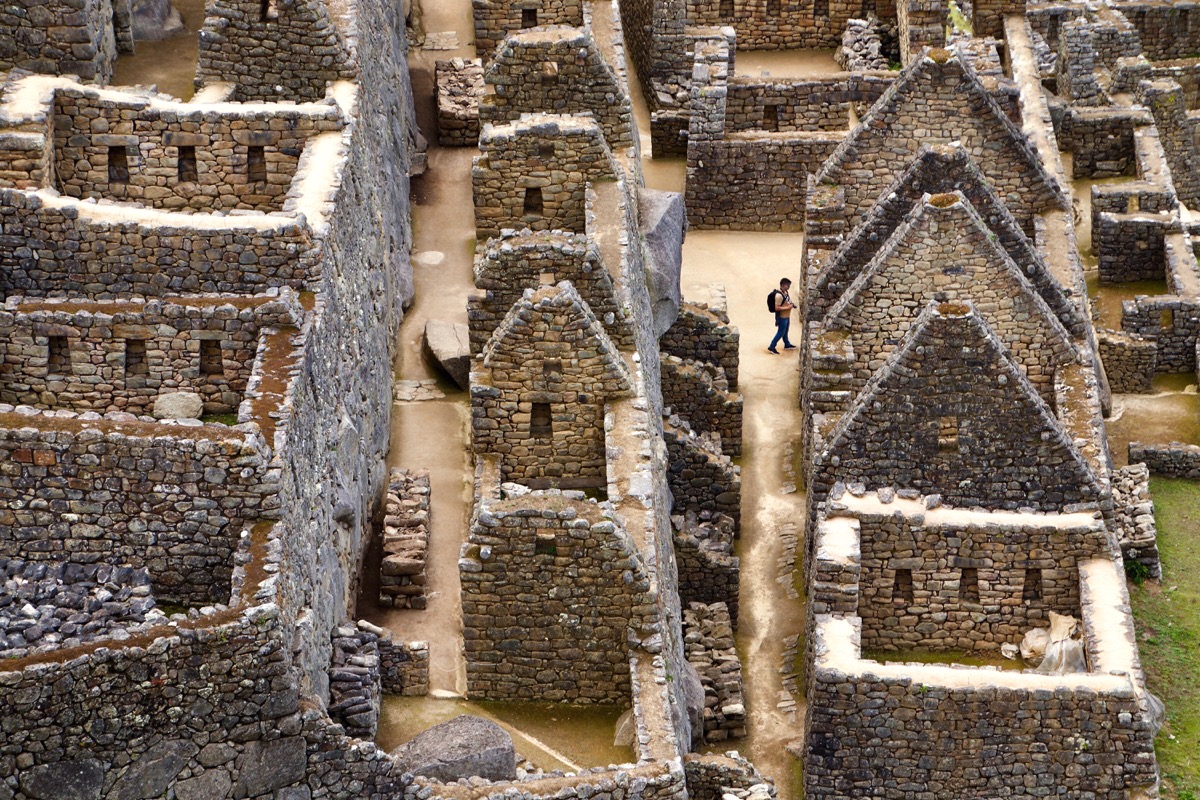
While the site is known for its striking terraces and stonework, more than half of the work the Incas put into Machu Picchu was done behind the scenes. “The Inca engineers spent about 50 percent, maybe 60 percent of their overall effort underground—doing foundations, site preparation—to make sure that Machu Picchu would last forever,” Ken Wright, a civil engineer who has been studying the site since the mid-1990s, told NOVA . It’s no surprise it’s stood the test of time.
8. About one million people visit Machu Picchu year.
Nearly 5,000 people visit Machu Picchu each day during the busy season between May and October, according to Frommer’s . Combined with the slower, rainier months between October and April, that adds up to around one million visitors each year.
9. The site was built entirely by hand—and is totally earthquake proof.
How’s that for craftsmanship? When Machu Picchu was built, there was (obviously) no machinery. That meant the Incas had to get all the stones in place by hand—and some of these boulders weigh more than 50 tons. But what’s even more impressive is that the stones fit together so seamlessly they don’t even require mortar.
Because of this construction, a technique called a shlar , Machu Picchu is entirely earthquake proof (and Peru sees about 200 small earthquakes each year). When an earthquake hits, the stones jiggle but don’t fall out of place. If the Incas had used a more rigid mortaring technique, these walls probably wouldn’t still be standing today.
Shutterstock
10. There are lots (and lots!) of stairs.
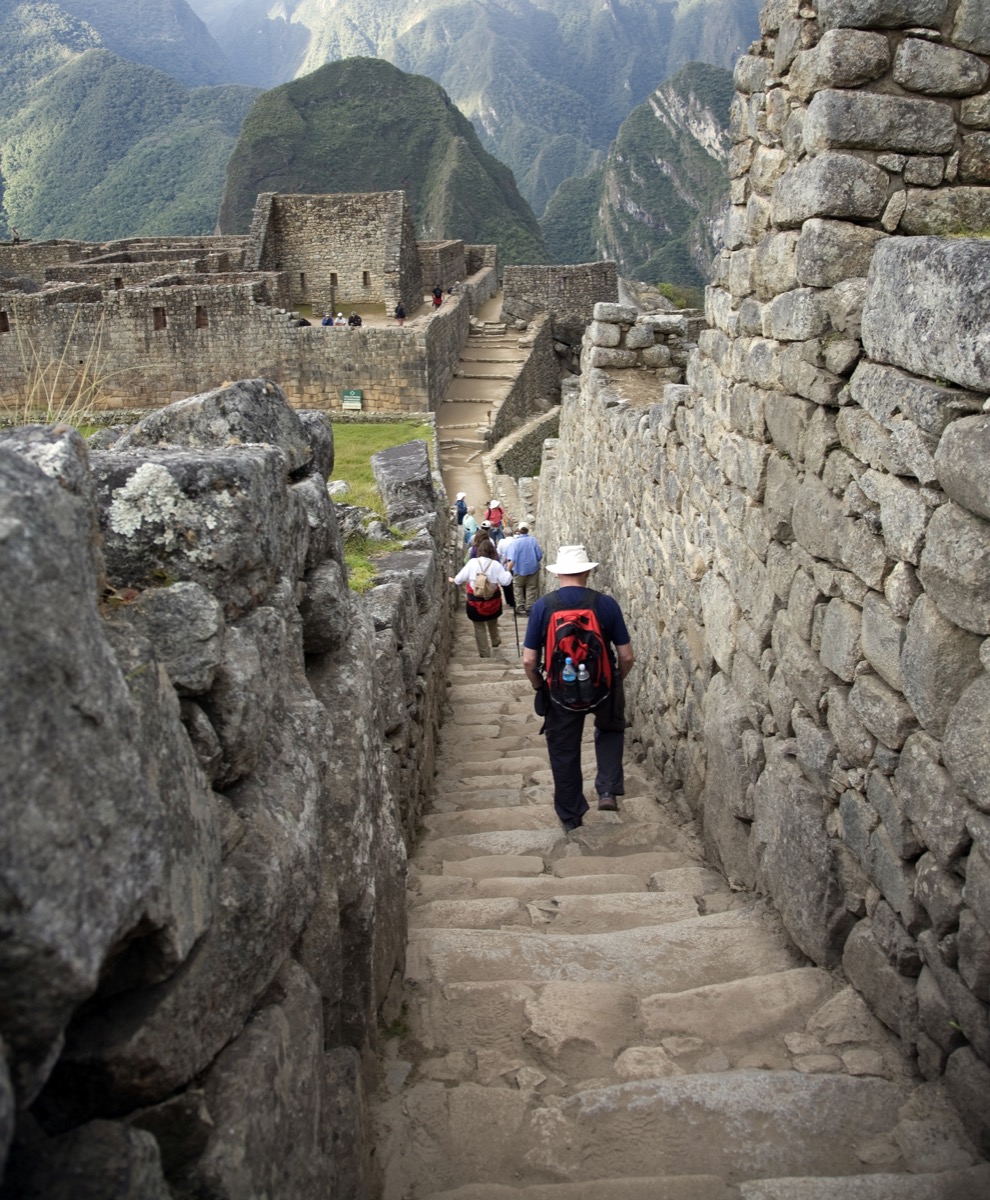
If you’ve ever been to Machu Picchu you know it’s a trek to get anywhere, but you may not have realized just how many steps there really are. More than 100 separate stairways include some 3,000 steps. And stunningly, almost every single one of them was carved from one solid slab of stone.
The trail from Aguas Calientes, the town below Machu Picchu, is well marked and easy to follow. You’ll spend about 30 minutes hiking before you reach the steps up the mountain. Expect about an hour of stair-climbing from there. After all, you’ve got about 1,280 feet to scale! We hope you’ve been working on your cardio.
11. It can detect the winter and summer solstices
There are a few ways in which Machu Picchu was engineered to interact with the sun and stars . One example is at the Temple of the Sun, where emperor Pachacuti is thought to have resided. Each year on the winter solstice, a beam of light streams through a window and forms a perfect rectangle atop a slab of granite. Another example is at Intimachay, a cave located just below the main ruins. Most days of the week, the cave is entirely dark. But at sunrise during the 10 days before and after the summer solstice, the sun illuminates the cave’s rear wall. Recent studies found that these occurrences weren’t accidents, either. The sites were indeed used as astronomical observatories.
12. Heavy flooding once forced officials to airlift visitors off of the ruins.
In January 2010, some 4,000 tourists and locals had to be rescued by helicopter after being trapped in the Machu Picchu area by flash floods, wrote the local news . Visitors were stranded for nearly a week while helicopters struggled to fly into the cloudy, mountainous area after mudslides cut off access to the rail line that typically takes visitors to the region. “We’re just bored,” one stranded tourist who was stuck at a nearby hostel told CNN . The tourist site was forced to close for almost three months after the flooding so workers could repair the damage inflicted on the train line and roads.
Shutterstock
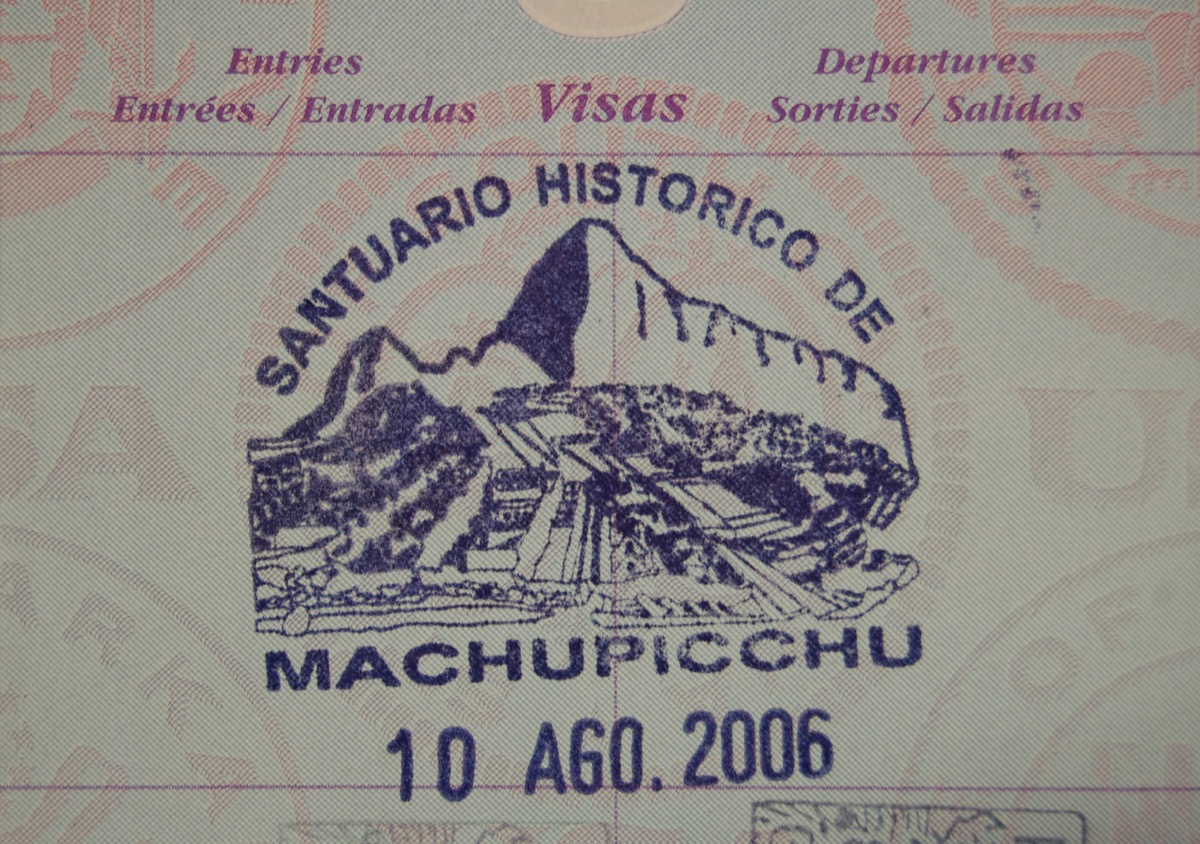
13. You can get your passport stamped at the entrance.
If you’re not from Peru, you’ll have to show your passport when you arrive at the ruins, despite the fact that you already showed it to enter the country itself. Guests also have to enter their passport number to purchase their Machu Picchu entry ticket, which is required in advance. The passport you show at the gate must match the one you bought your ticket with.
And while it’s not required that you get an official Machu Picchu stamp on your passport, there is an opportunity to do so. From 8 a.m. to 5 p.m., a small desk is open just past the entrance where guests can get stamped. Even though it’s not required, it’s certainly a great way to commemorate this once in a lifetime adventure.
14. Machu Picchu was “discovered” in 1911.
Despite the number of times you’ve likely seen friends on trips to Machu Picchu on your Instagram feed , Machu Picchu wasn’t always the tourist destination it is today. In fact, it’s only been open to the public since 1981. That was 70 years after American historian and explorer Hiram Bingham traveled to the region and was brought to the site by a villager in 1911. Bingham organized another expedition in 1912 to clear and excavate the site. It took another few decades for parts of Machu Picchu to be restored (and restoration continues today). Finally, Machu Picchu was declared a UNESCO World Heritage Site in 1983. Next up, you’ll want to boost your sense of awe even more with these 30 Astonishing Facts Guaranteed to Give You a Child-Like Sense of Wonder .
22 Surprising Facts About Mexico That Will Inspire Your Next Trip
Shutterstock/WitR
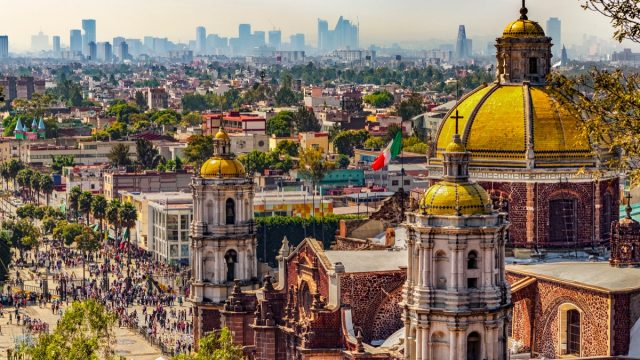
Mexico is an amazing country with a rich history, a vibrant culture, wonderful people, and some absolutely mouth-watering food. And if you think you know all the facts about Mexico there are to know, you are most definitely wrong. The country is a diverse tapestry of surprises, and there is always something new to explore. So, vamanos! It’s time to learn a little bit more about this marvelous country.
Here are 22 facts about our Mexico that will spark your curiosity and get your wanderlust running. By the time you’ve finished this list, you’re going to be itching to pack your bags and embark on a great Mexican adventure. Plus, before you plan your trip, be sure to check out 20 Ways to Make Travel Less Stressful .
Shutterstock
One of the most interesting facts about Mexico is that you don’t even know its proper name. That’s right, the country is not really called “Mexico.” After gaining its independence from Spain in 1821, the newfound country took on the title Estados Unidos Mexicanos in 1824. That’s because it wanted to model itself after the democracy in the United States (Estados Unidos).
The word “Mexico” originates from the Aztecs , who referred to themselves as the Mexica. In their language, Nahuatl, Mexico means “place of the Mexica.”
Shutterstock
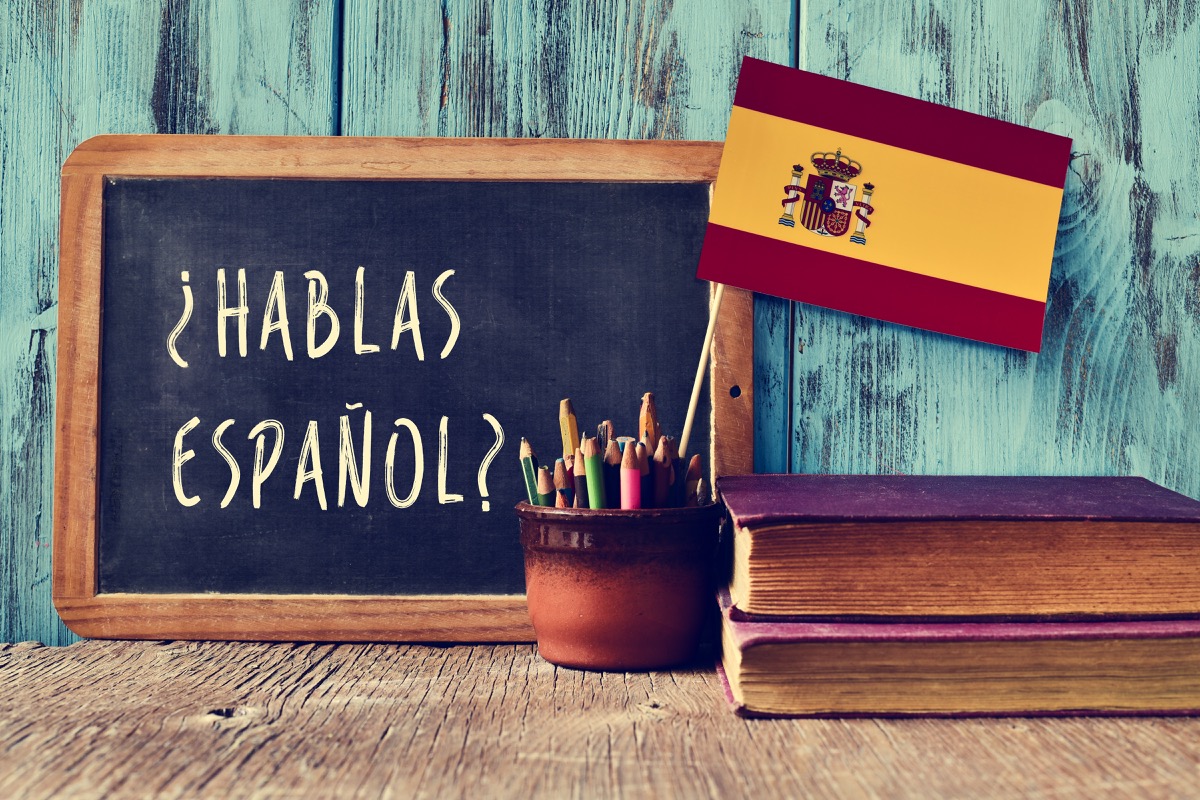
Most non-Mexicans would guess that Spanish is the official language of Mexico. But the government actually additionally recognizes 68 indigenous languages as official languages. There are currently over 150 different indigenous languages spoken in Mexico, and the country is currently home to over 6 million speakers of those languages.
Shutterstock
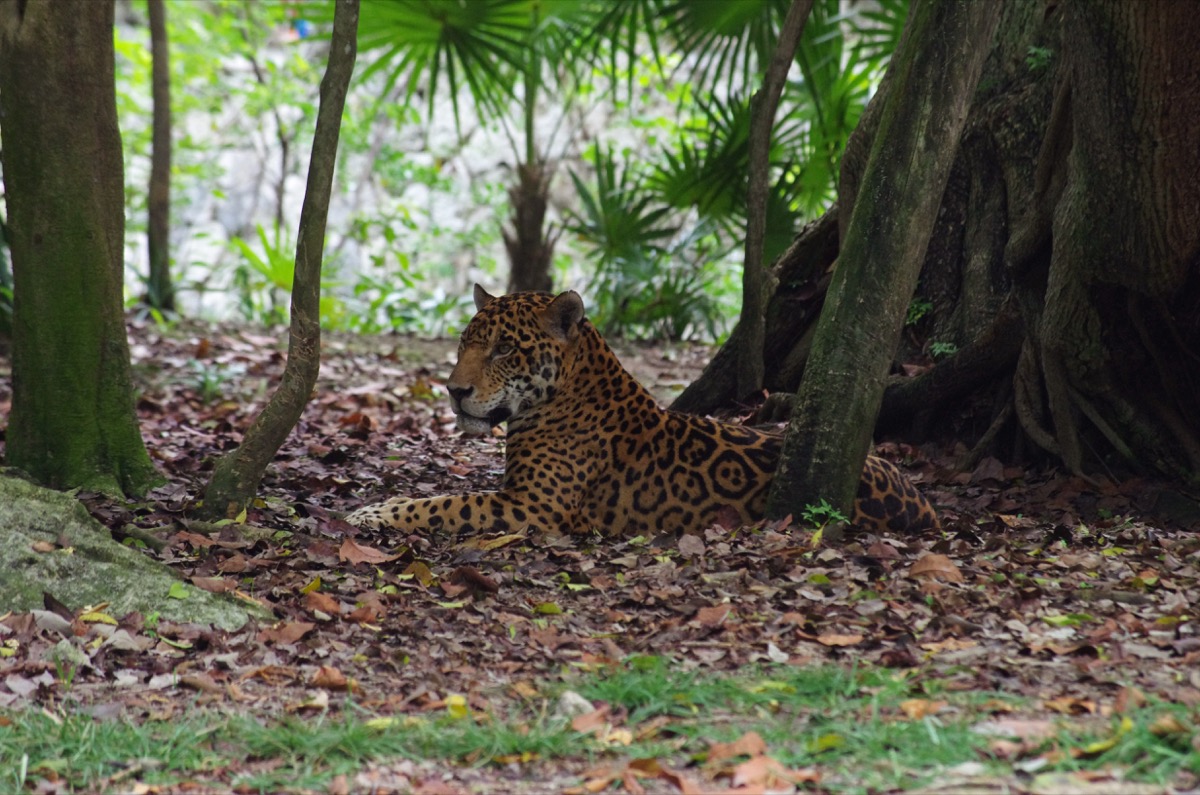
Not only is Mexico linguistically diverse, but it’s also considered to be an ecologically megadiverse country . The country is home to 10-12% of the world’s biodiversity , with over 200,000 different types of species. There are over 170,000 square kilometers of Protected Natural Areas, along with many conservation efforts. Spider monkeys, volcano rabbits, jaguars, axolotls, and ocelots are just a few of the cool animals you might find in Mexico.
Shutterstock
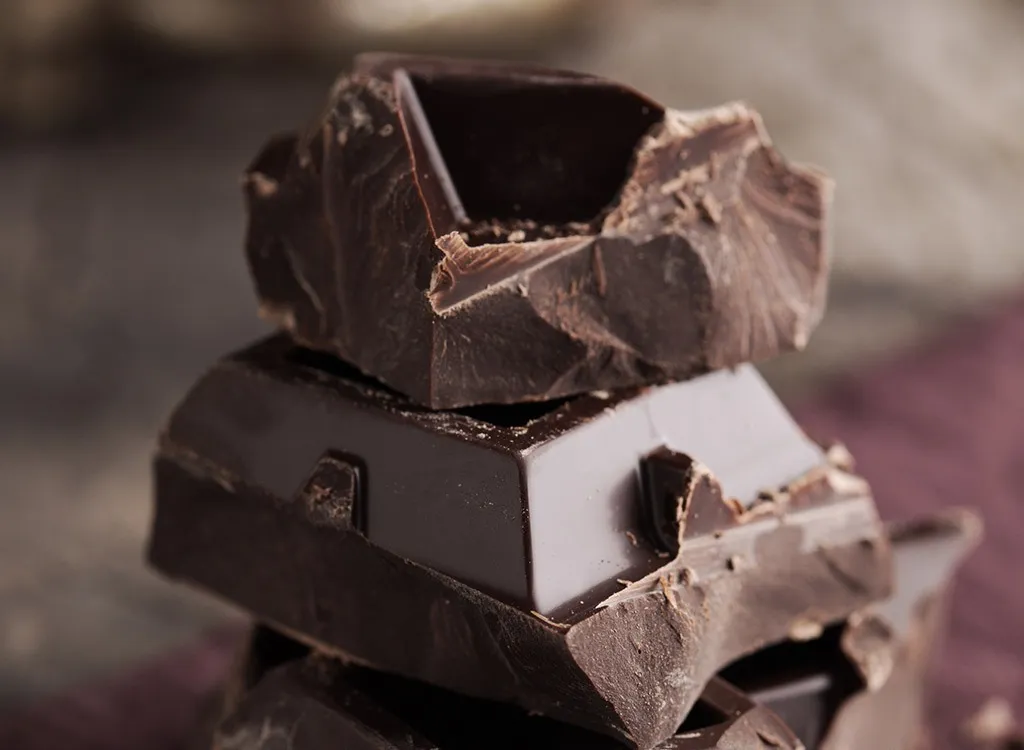
Historians have traced the origins of chocolate back to the ancient Olmecs, who lived in what is now southern Mexico around 1500 B.C. The Olmecs passed the craft on to the Mayans, who revered chocolate and used chocolate drinks in many of their ceremonies. But chocolate really took off with the Aztecs, who lived in central Mexico from 1300 to 1521. The Aztecs called chocolate the “drink of the gods,” and even cacao beans as currency, valuing them more precious than gold. (Which, of course, any chocoholic will agree with.)
Shutterstock
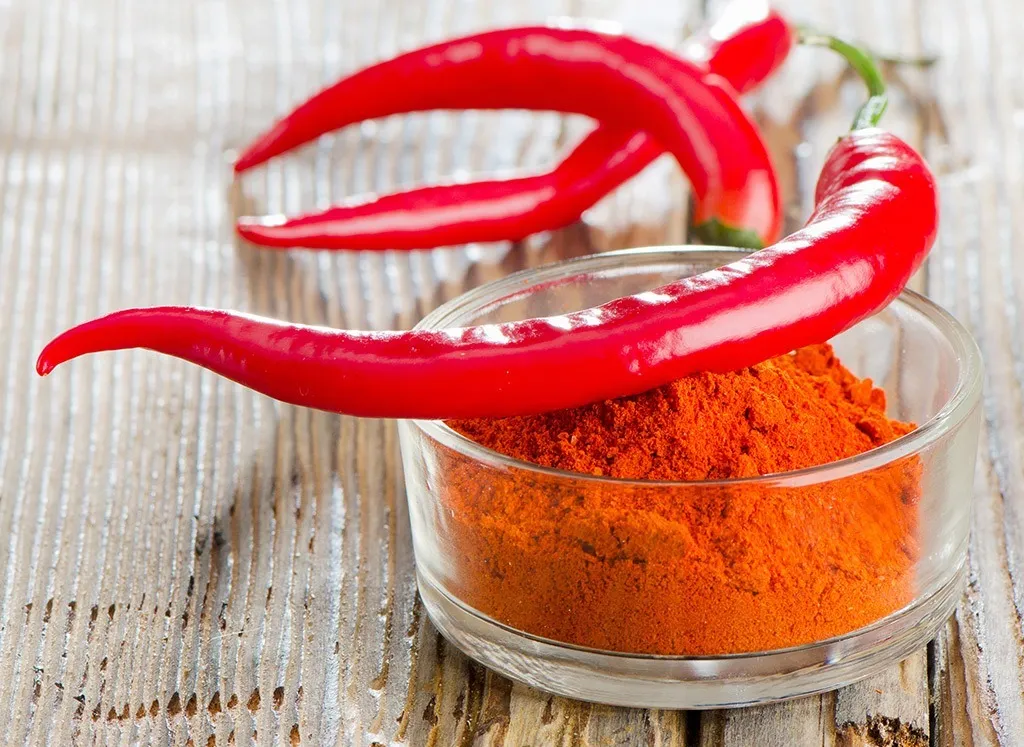
That’s right, so many of your favorite foods come from Mexico. Corn was first developed by indigenous tribes of Mexico about 7,000 years ago, and it started as a grass called teosinte. Chili peppers were first cultivated in the Tehuacán Valley in 5,000 B.C. and had a huge presence in Mayan and Aztec traditions.
Shutterstock
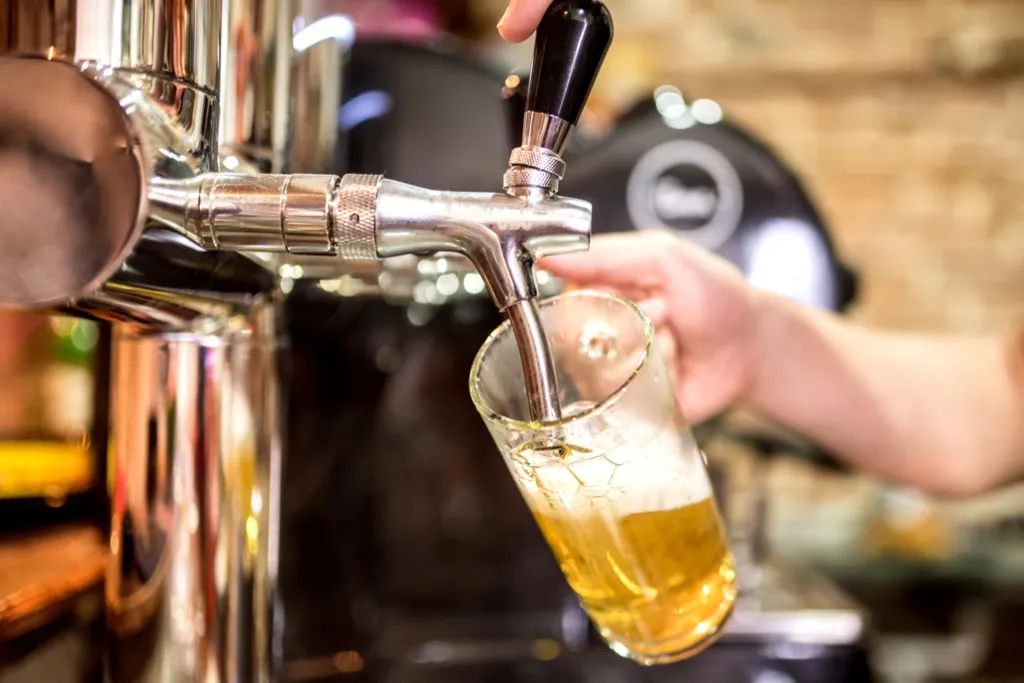
Attention beer lovers ! Mexico houses a $3.8 billion beer industry, making it the largest beer exporter in the world. It’s one of those facts about Mexico you’ll want to remember the next time you’re sipping on a Corona, chilling with a Dos Equis, or cooling down with a Modelo.
Shutterstock
Mexico has a long-standing tradition for incredible art, from Frida Kahlo to José Clemente Orozco. Through a program called Pago en Especie (Payment in Kind) artists pay their taxes by giving pieces of their art to the government. The Pago en Especie public collection contains over 7,000 pieces, including paintings, sculptures, and graphics. The pieces are housed in museums all over the world, and if you’re visiting Mexico you can see many of them in the national heritage collection at the Museo Nacional del Arte in Mexico City.
Shutterstock
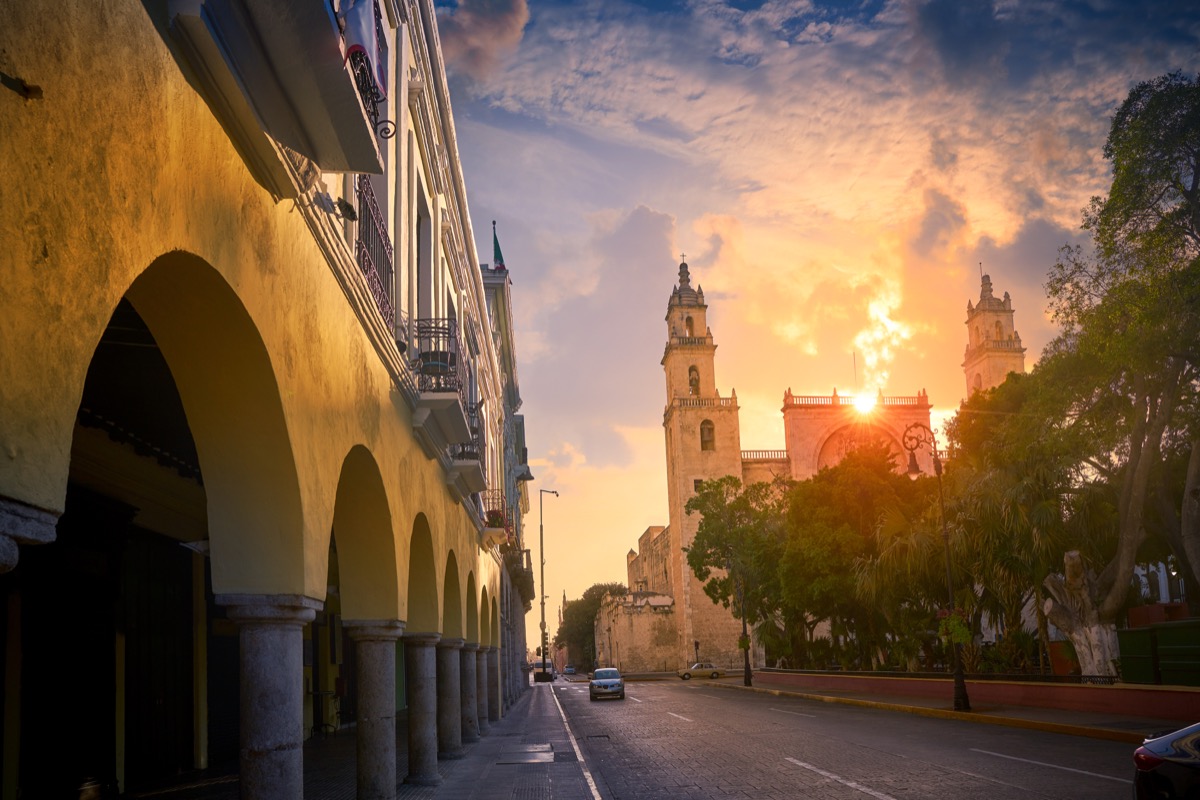
The Yucatán Peninsula is one of Mexico’s iconic geographic features (and also gives its name to the state of Yucatán). But the origin of the name “Yucatán” is actually the result of a pretty classic misunderstanding.
When Spanish conquistador Hernández de Córdova arrived on the Yucatan coast in 1517, his crew asked the inhabitants they encountered what their land was called. But, the locals didn’t understand what the Spaniards were asking. In the most popular version of the story, they replied, “Tetec dtan. Ma t natic a dtan.” which means “You speak very rapidly; we don’t understand your language.”
But the Spaniards took this as the answer to their question, and (in a botched understanding of the response) thought that they were saying the region was called “Yucatán.” In another version of the story, the locals replied “Yucatán” which literally translates to “I’m not from here.” Good job, Córdova . Either way, the name stuck.
Shuttestock
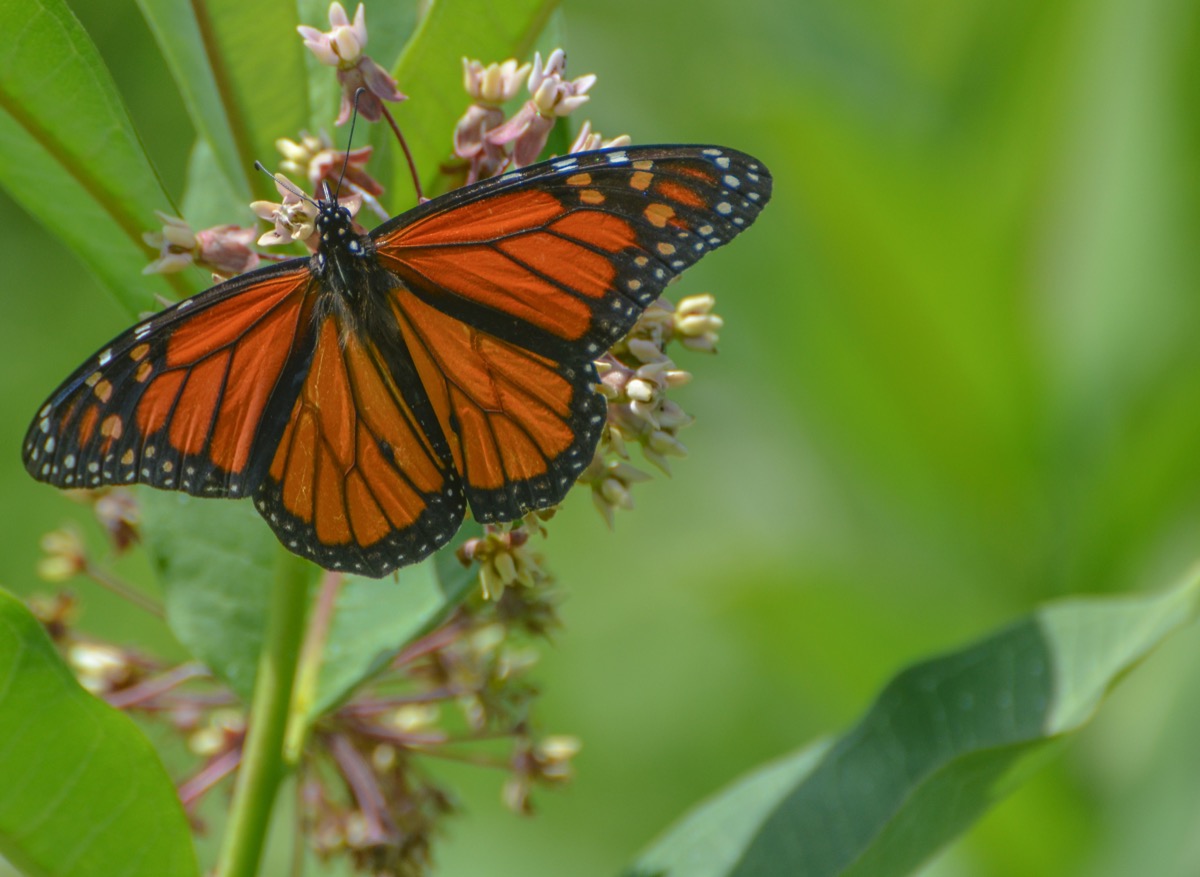
Every fall, millions of monarch butterflies migrate to the warm climates of Mexico to wait out the winter before returning to the U.S. and Canada in the spring. If you’re lucky enough to be in Mexico between November and March, you can get a glimpse of these beautiful creatures at the Monarch Butterfly Biosphere Reserve north of Mexico City.
Shutterstock
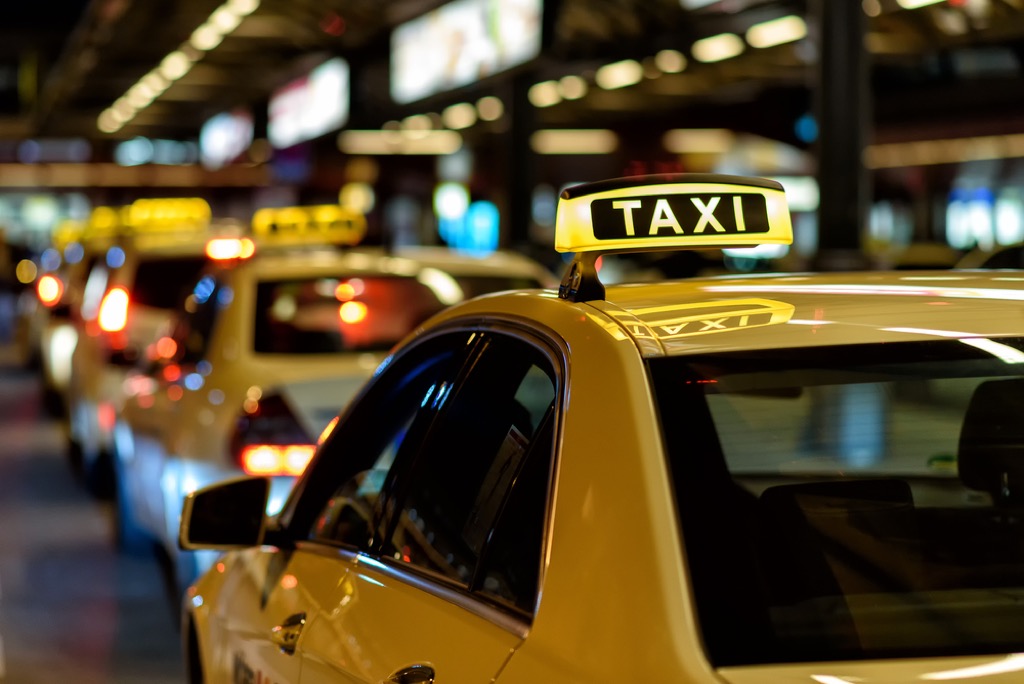
We like to talk big here in the city that never sleeps, but one of the most interesting facts about Mexico is that Mexico City is actually the oldest and most populous city in North America, with a population of 8.9 million people. The city is also home to over 140,000 taxi cabs, the largest fleet in the world. If you’re itching for a big, vibrant city, CDMX is the place to go.

Shutterstock
When you make your trip to Mexico City, you’re not going to be hurting for things to do. The city has over 160 museums, the second most museums in the world (with London as the first). Choose from a fascinating array, including the Museo Nacional de Antropología , the Palacio de Belles Artes , the Frida Kahlo Museum , and many, many more.
Shutterstock
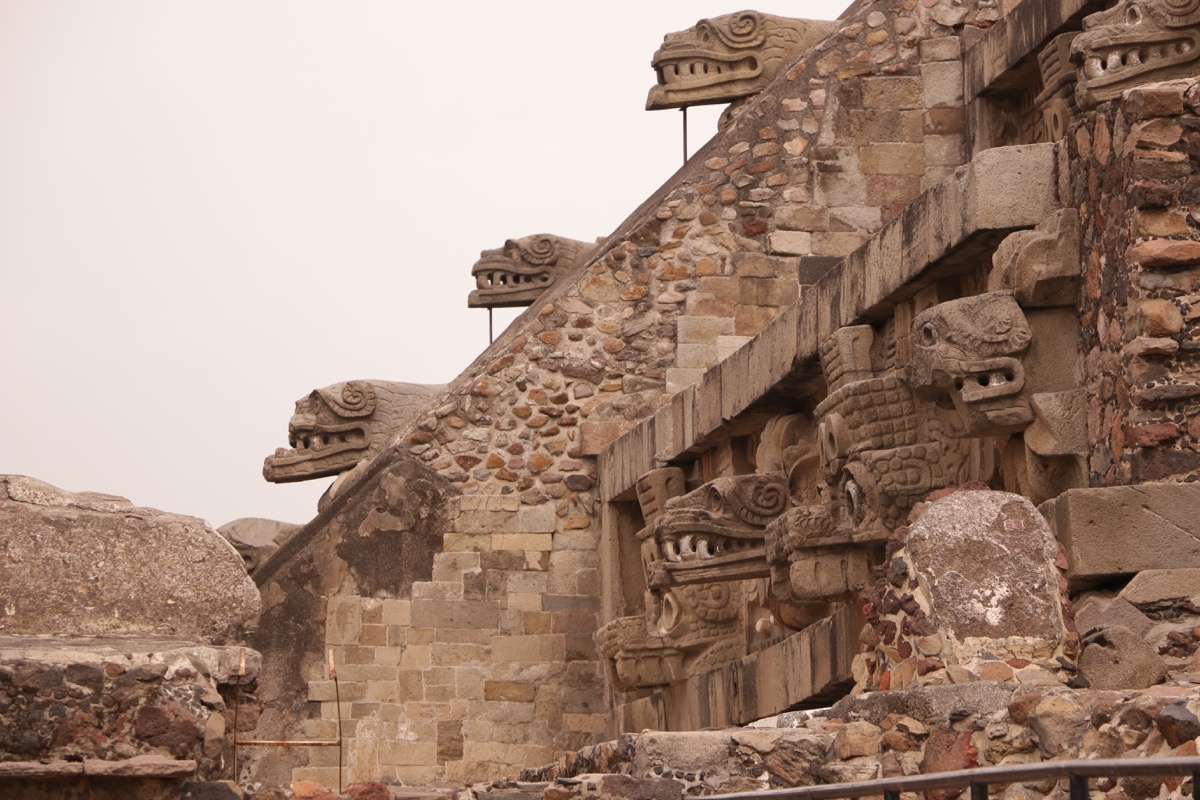
As I mentioned above, Mexico City is the oldest city in North America. It began as Tenochtitlan , the massive capital of the Aztec empire. The city was built in 1325 on an island in Lake Texcoco. (In fact, because it was built on a lake, the city is slowly sinking.) Tenochtitlan was captured by the Spanish in 1521, but you can still find many Aztec ruins within the modern city.
Shutterstock
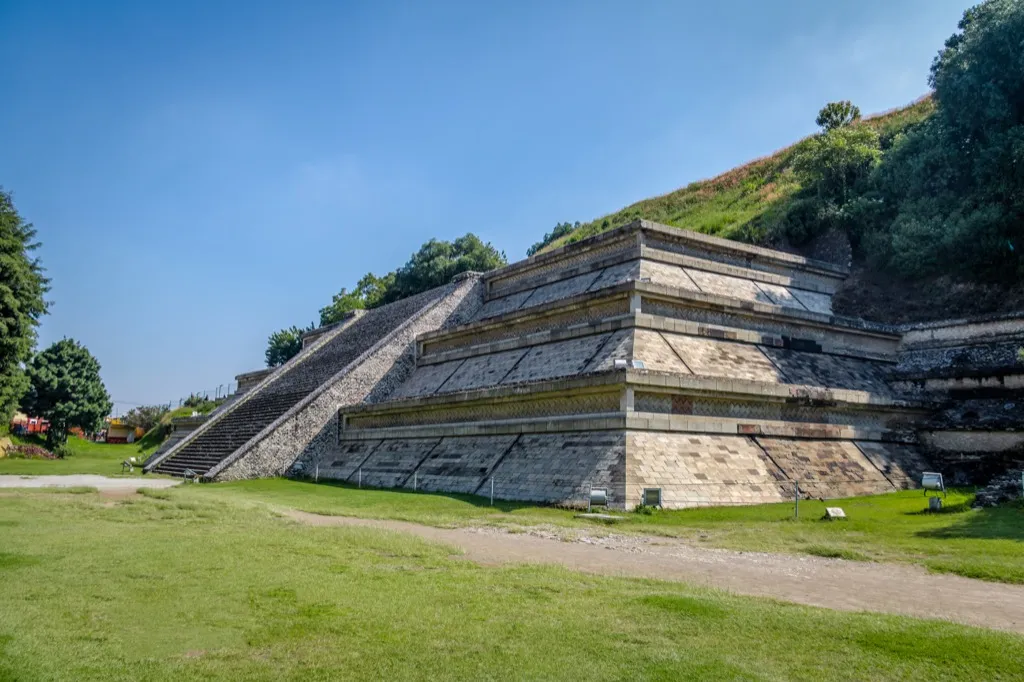
You might associate pyramids with the ancient Egyptians, but the largest pyramid in the world is actually the Great Pyramid of Cholula (a.k.a. Tlachihualtepetl, which means “made-by-hand mountain” in Nahuatl.) The pyramid stands 180 feet tall, and its base measures 1,480 square feet.
Shutterstock
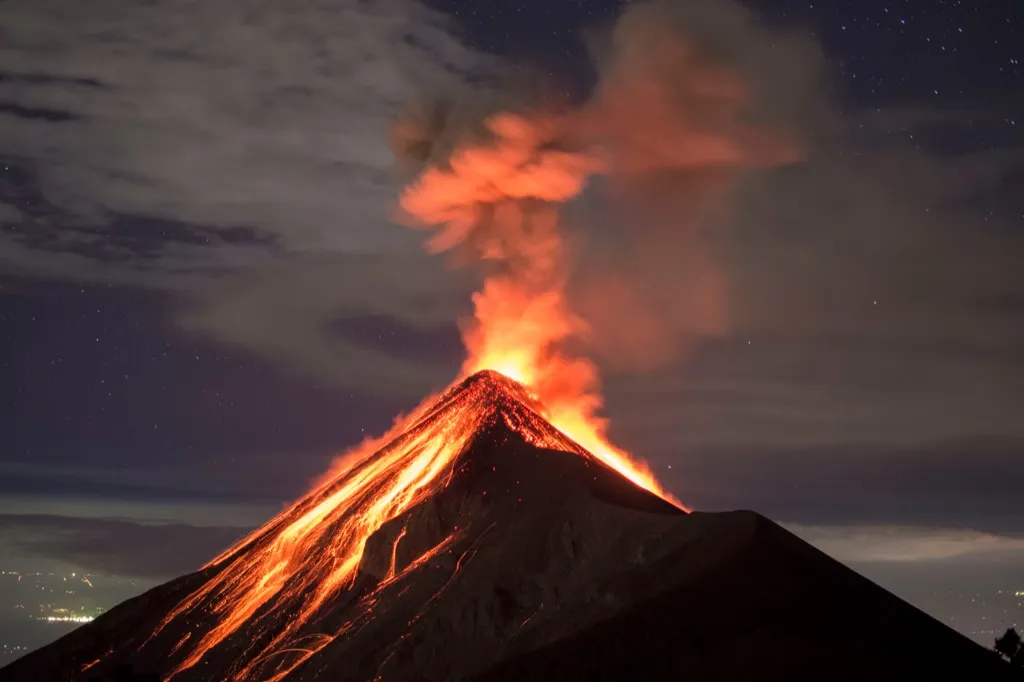
Located in the most seismically active region in the world, Mexico has 42 active volcanoes and thousands of inactive volcanoes. Among them, you can find the world’s smallest volcano, the Cuexcomate volcano , in Puebla, Mexico.
Shutterstock
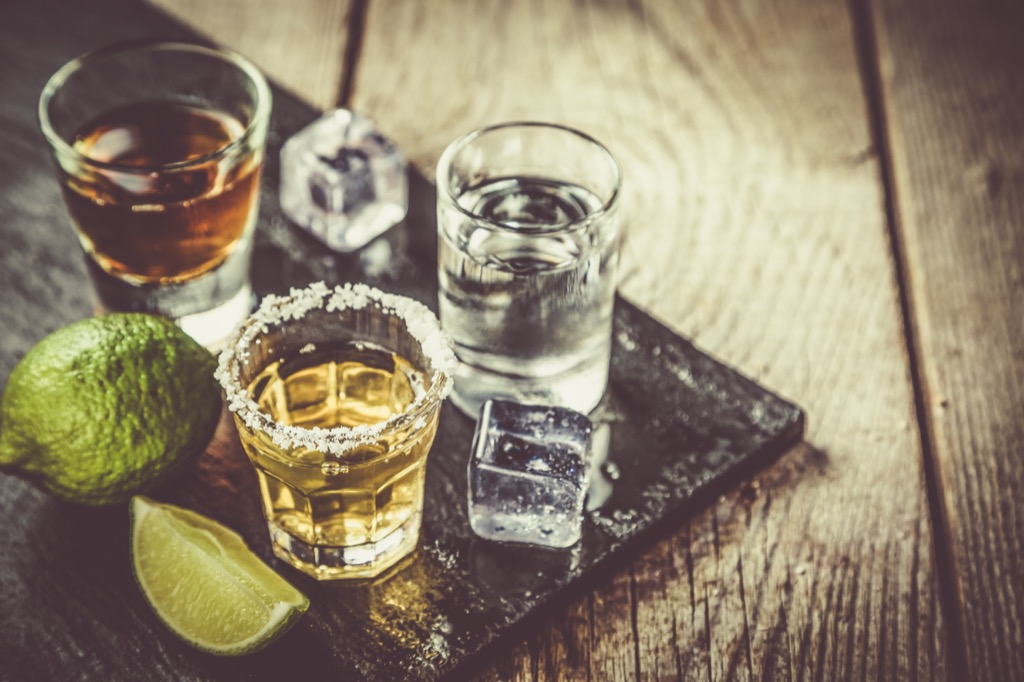
If thinking about those volcanoes is stressing you out, you need a good, strong drink. Fortunately, Mexico has got you covered as the inventors of tequila. The drink, made from distilled agave, comes from Tequila, Jalisco and was first commercially distilled in 1758. But the drink actually got its start when the Spanish arrived in the 16th century and, hankering for brandy, began distilling the local plants. Today, the town is a UNESCO World Heritage site . Fun fact: tequila is only allowed to be called tequila if it was produced and bottled in Jalisco or a few select Mexican regions.
Shutterstock
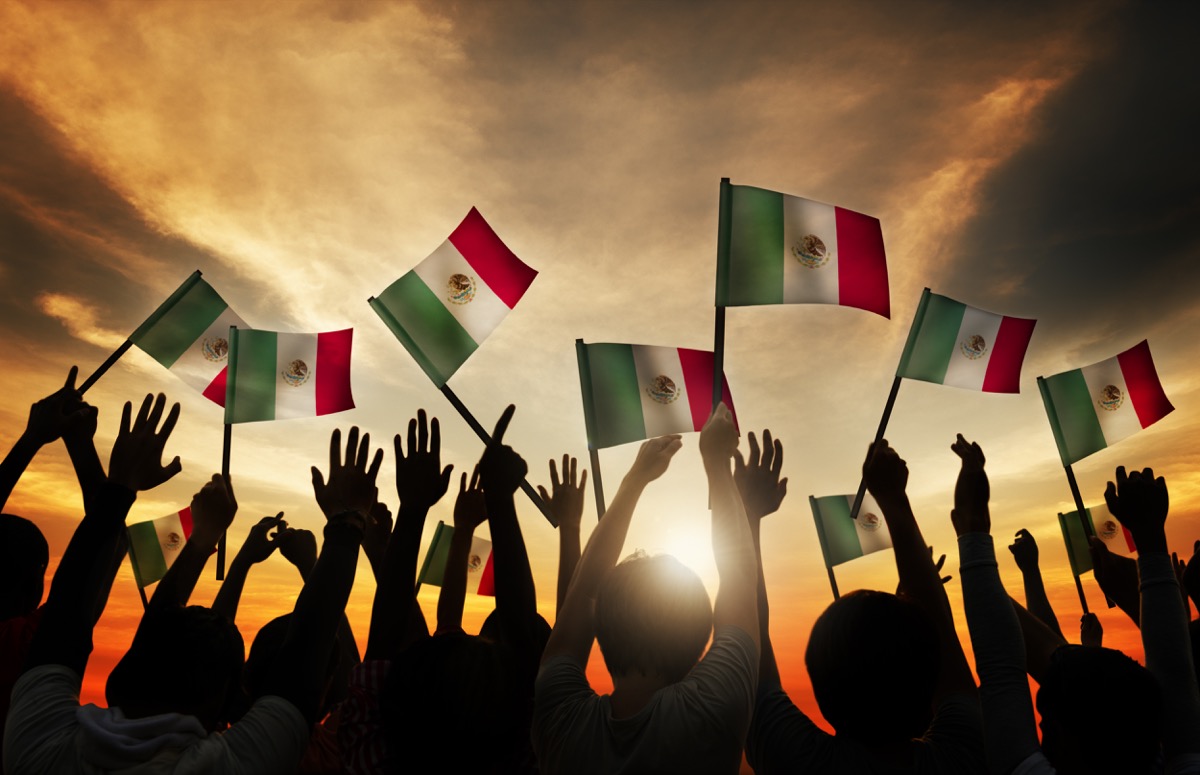
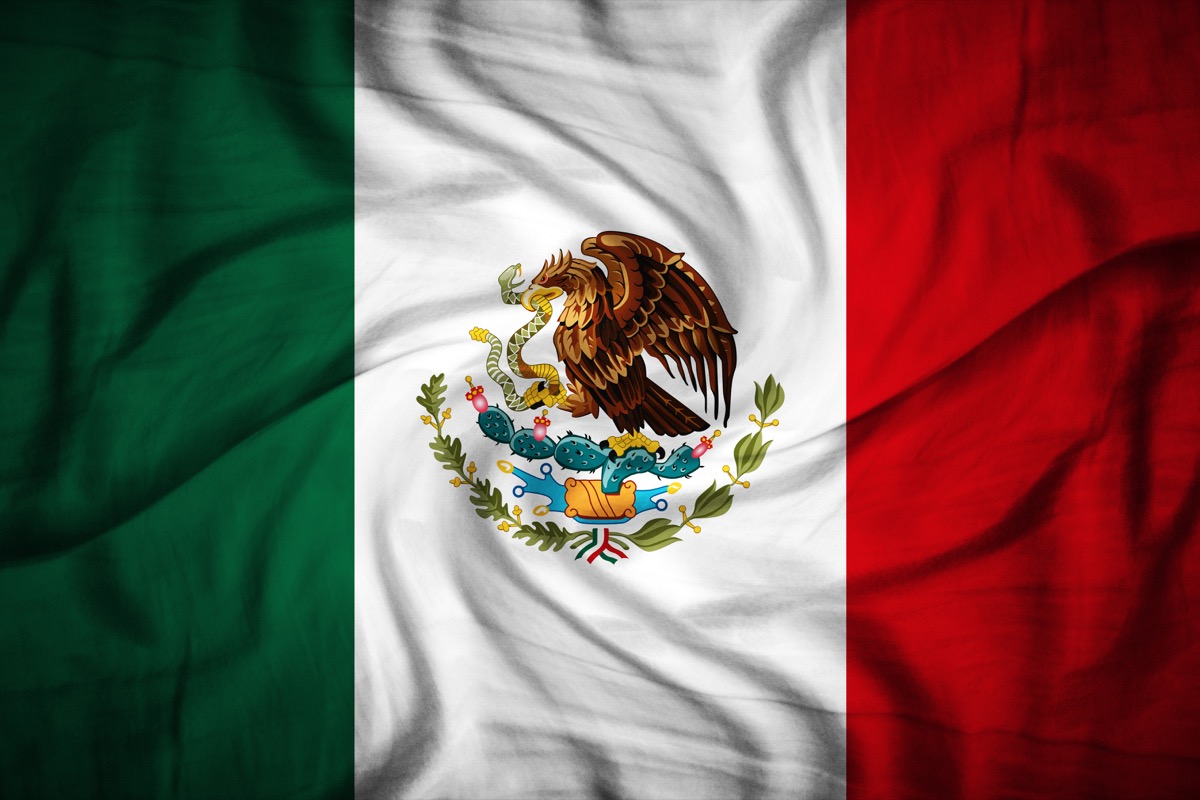
You’re probably familiar with the green, white, and red striped flag of Mexico , and the iconic eagle at its center. According to Aztec legend, the gods advised the Aztecs that the place where they should build their city would be marked by an eagle on a prickly pear tree, eating a serpent. They spotted this eagle at the spot that now contains Mexico City’s main plaza.
Shutterstock
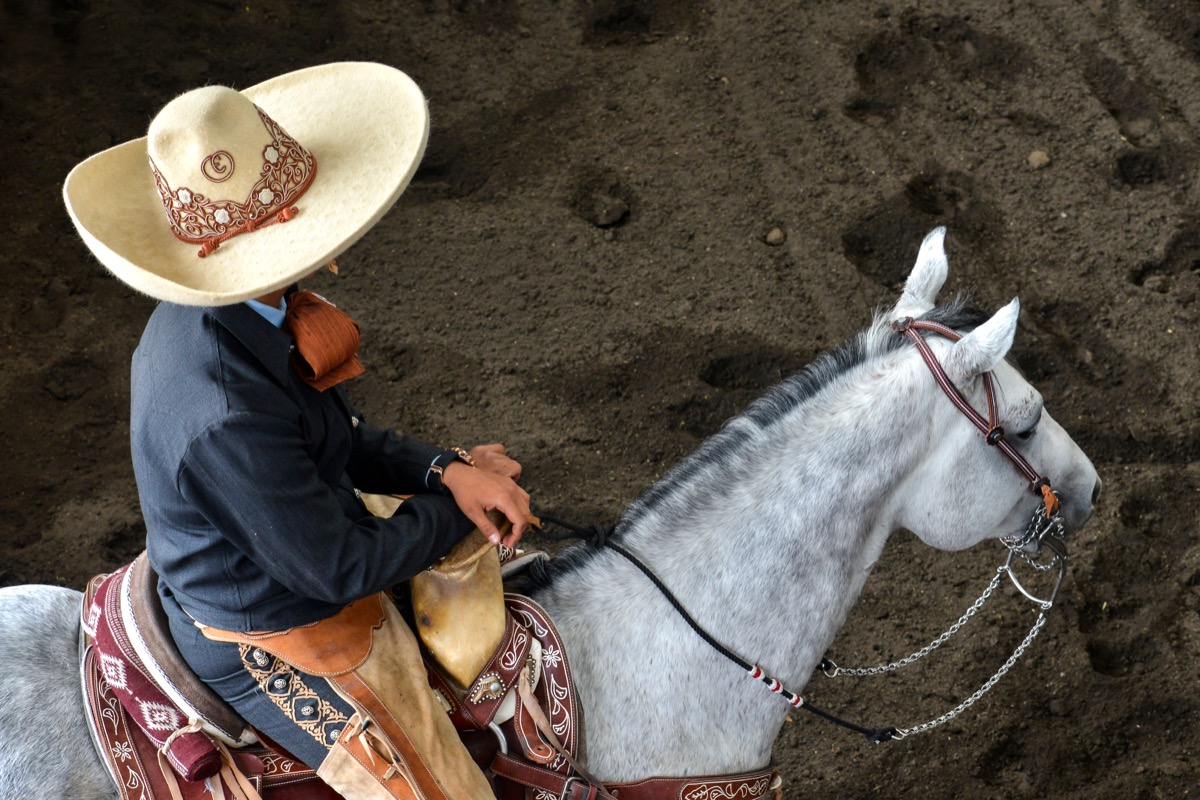
In addition to Mexico’s fervor for football (a.k.a. soccer), the country is home to the sport of charreada. Charreada is a rodeo-style event, in which costumed cowboys show off their lassoing and make their mounts dance to music. There is a strict set of rules and scoring, paired with a lively vibe that makes a trip to a charreria a must-do for any trip to Mexico.
Shutterstock
Catholicism is huge in Mexico, with over 81% of adults in the country identifying as Catholic. The religion was brought over by the Spanish in the 16th century, and today Mexico has one of the strongest ties to Catholicism in the world. One of the country’s most important icons is the Virgin of Guadalupe, viewed as the “mother” of all Mexicans.
Shutterstock
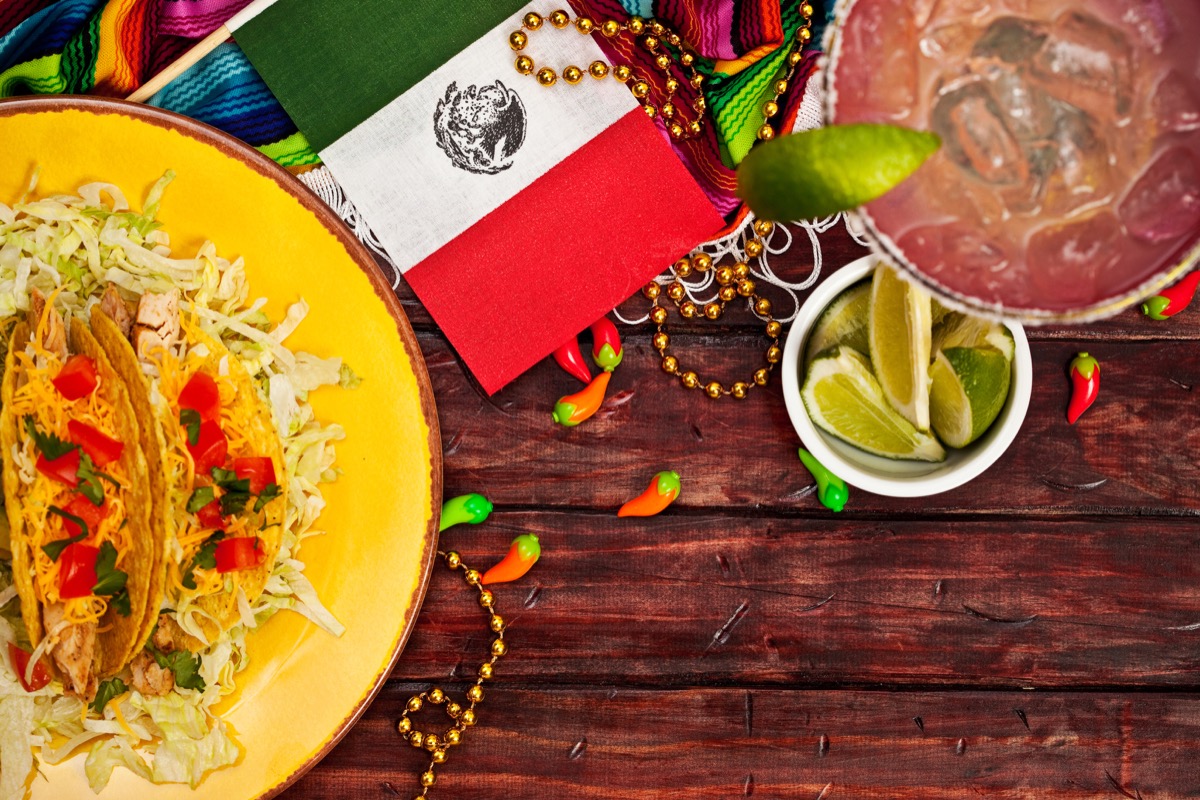
This is one of those facts about Mexico Americans can’t stop getting wrong. Sorry to disappoint you, but Cinco de Mayo is actually more of an American holiday. While many believe it celebrates Mexican independence, the date actually marks a small battle victory against the French. Actual Mexican Independence Day is September 16, That’s when you’ll find tons of parades, festivals, and celebrations around the country.

Shutterstock
Be careful, because Mexico takes its national symbolism seriously. There are several chapters in its laws about how to correctly play the national anthem, or himno nacional mexicano. If you do it wrong, you could get a fine . So hey, before you leave for your trip, you might want to take a listen to make sure you get it right.
Shutterstock
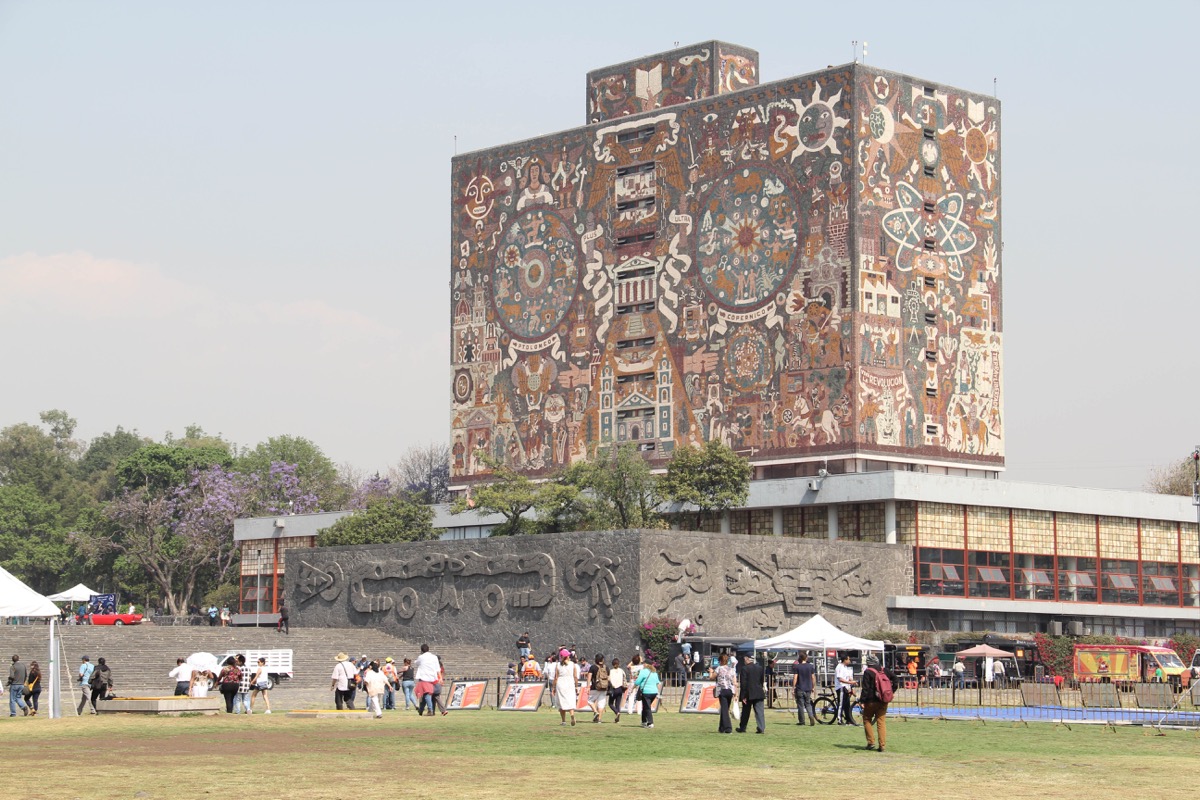
The National Autonomous University of Mexico (Universidad Nacional Autónoma de México) was originally founded in 1551 as the Royal and Pontifical University of Mexico. It took its modern form as a public research university in 1910. The gorgeous campus is a UNESCO World Heritage site , and definitely worth a visit.
Shutterstock
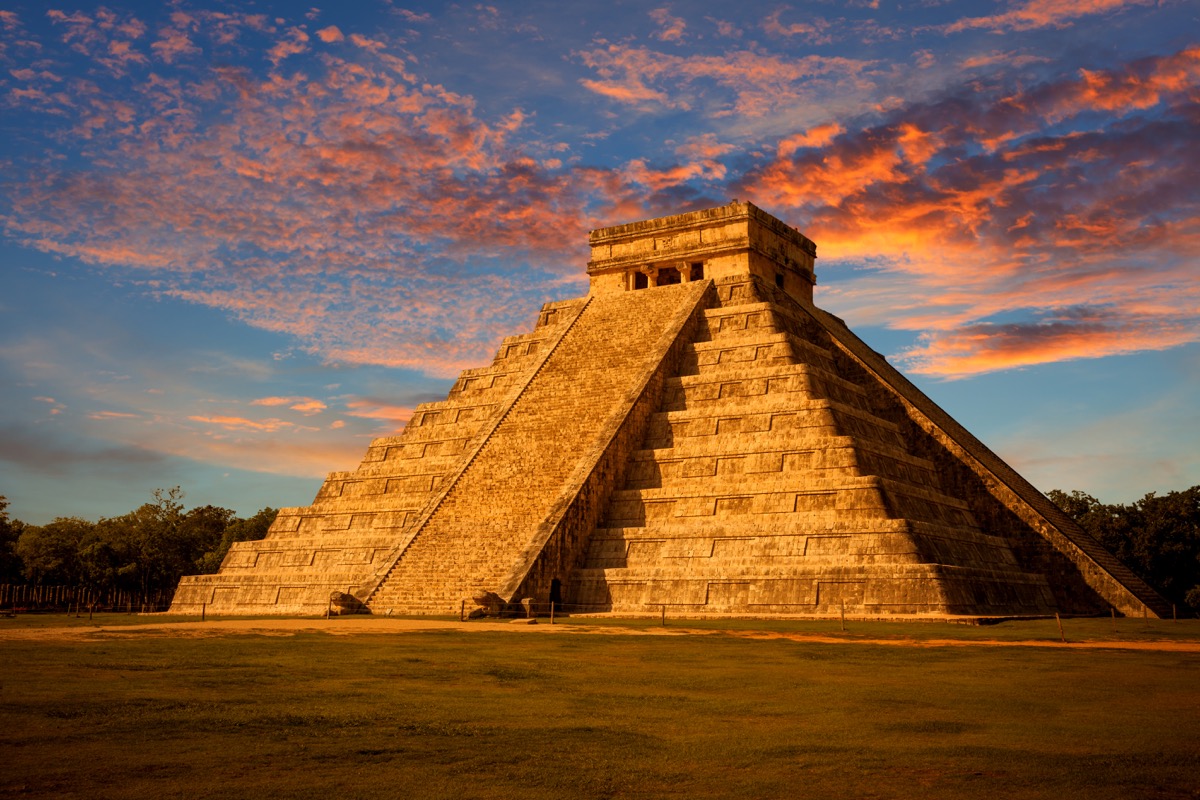
If the previous facts didn’t sell you on taking a trip to Mexico, how about the chance to see one of the seven wonders of the world? Chichén Itzá is an archaeological site created by the Mayans to honor the god, Kukulcán. It was developed between 750 and 900 AD and became one of the largest Mayan cities. In 2007, it was named one of the seven new wonders of the modern world. The pyramid is located in Tinúm Municipality, Yucatán State, and it’s obviously someplace every visitor to Mexico needs to see. Now that you’ve learned a ton of facts about Mexico, you’ll need more ideas of places to visit. For that, check out My Best Trip: 20 Famous Travelers Reveal Their Most Memorable Adventures.
