15 Best Heart-Healthy Foods for Men

Shutterstock
A heart-healthy diet is essential for maintaining cardiovascular wellness, particularly for men who often face higher risks of heart disease. Incorporating nutrient-rich foods into one’s daily meals can significantly reduce these risks and promote overall heart health. The selection of foods listed below not only tantalizes the taste buds but also packs a powerful punch of heart-protective benefits. From omega-3 fatty acids in salmon to the fiber-rich goodness of oatmeal and the antioxidant properties of blueberries, each item on this list offers unique advantages for cardiovascular wellness. By including these heart-healthy foods in their diet, men can lower their cholesterol levels, reduce inflammation, regulate blood pressure, and decrease the risk of developing heart disease or experiencing cardiac events. Let’s delve into the specifics of each of these nutritional powerhouses and explore how they contribute to a strong and resilient heart.
RELATED: 8 Best Ways to Strip Away Your Unhealthiest Belly Fat

Jacek Chabraszewski / Shutterstock
Rich in omega-3 fatty acids, which can lower triglycerides, reduce inflammation, and decrease the risk of blood clots.
Shutterstock
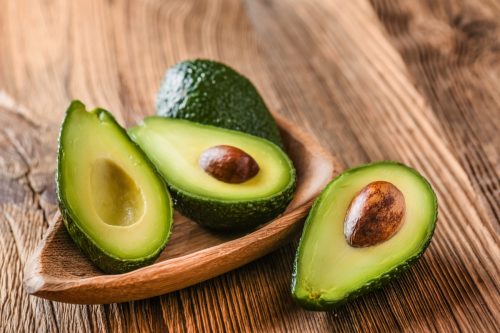
High in monounsaturated fats, which can help lower bad cholesterol (LDL) levels while raising good cholesterol (HDL) levels.
RELATED: 20 Easy Ways to Flatten Your Belly Fast, Says Top Nutritionist
Shutterstock
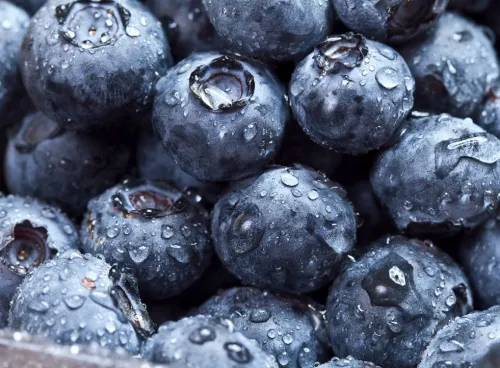
Packed with antioxidants called flavonoids, which have been shown to reduce blood pressure and improve heart health.
Shutterstock
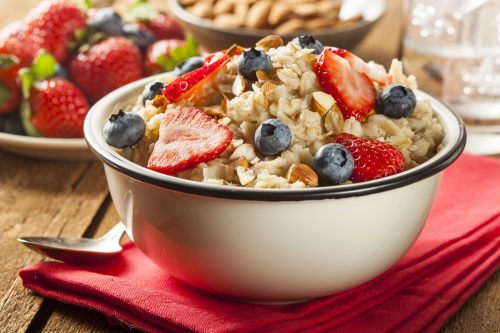
Contains soluble fiber, which helps lower cholesterol levels and improve heart health.

Shutterstock
Contains flavonoids that can improve blood flow, lower blood pressure, and reduce the risk of blood clots.
RELATED: 20 Easiest and Most Effective Exercises on the Planet
Shutterstock
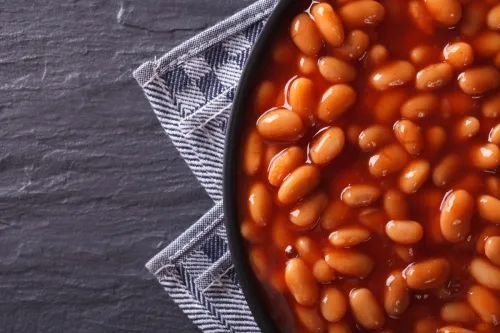
High in fiber, protein, and antioxidants, which can help lower cholesterol levels and improve heart health.
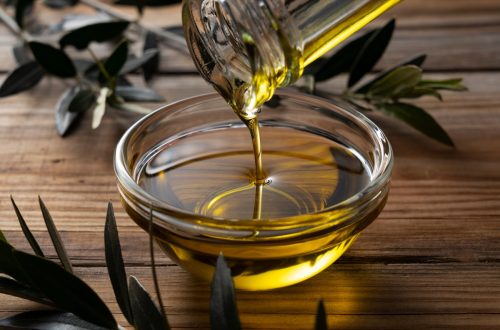
masa44 / Shutterstock
High in monounsaturated fats and antioxidants, which can lower LDL cholesterol and reduce the risk of heart disease.
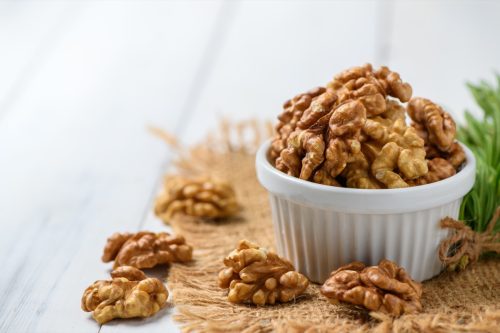
kwanchai.c/Shutterstock
Rich in omega-3 fatty acids, fiber, and antioxidants, which can improve cholesterol levels and reduce inflammation.

Shutterstock
High in antioxidants like lycopene, which can help reduce the risk of heart disease and stroke.
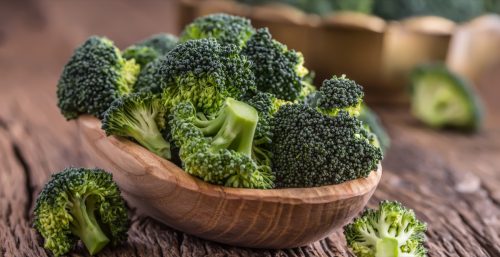
Shutterstock
Contains antioxidants and fiber, which can help reduce inflammation and improve heart health.
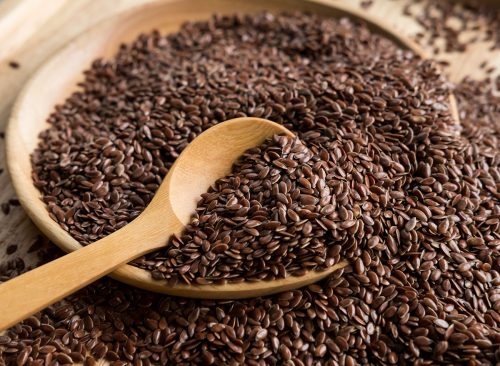
Shutterstock
Rich in omega-3 fatty acids, fiber, and lignans, which can lower cholesterol levels and improve heart health.

Marian Weyo / Shutterstock
Contains compounds that can help lower blood pressure, cholesterol levels, and reduce the risk of heart disease.
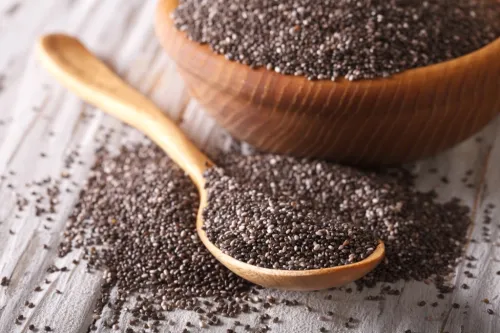
Shutterstock
Rich in omega-3 fatty acids, fiber, and antioxidants, which can help improve cholesterol levels and reduce inflammation.
RELATED: If You Want to Lose Weight, “Avoid These Foods Like the Plague,” Fitness Expert Says
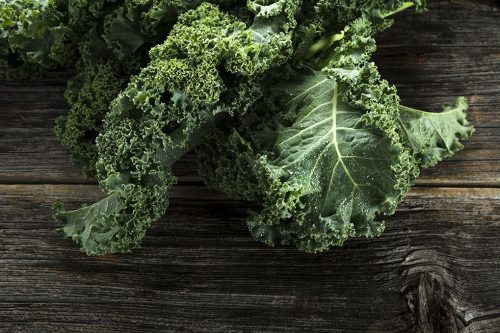
Shutterstock
Loaded with vitamins, minerals, and antioxidants, which can help lower cholesterol levels and improve heart health.

Shutterstock
Contains antioxidants like resveratrol, which can help improve heart health when consumed in moderation.
Best Life offers the most up-to-date information from top experts, new research, and health agencies, but our content is not meant to be a substitute for professional guidance. When it comes to the medication you’re taking or any other health questions you have, always consult your healthcare provider directly.
