30 Items You Should Never Pay Full Price For

Shutterstock
Fact: unless it’s something marked with the words “Louis Vuitton” or “American Girl,” you probably shouldn’t be paying full price for it. It’s true. In today’s discount-shopping era, there are simply too many easy ways to score a mark down on just about anything.
Is it not on sale? Negotiate. (How? Easy. Step one is to simply and politely ask what “extra promotions” the sales associate can offer—some home improvement stores, in fact, allow cashiers to cut $50 off to close a sale to prevent a customer from defecting to a rival. If that doesn’t work, sweeten the deal by offering to pay cash for something and save the store the 3 to 5 percent credit-card transaction fee.)
Now, I’m a firm believer that a little bit of kindness, a big smile, and a lot of savvy will go a long way in saving you loads of money in all of your shopping. But it’s doubly—and even triply—true of these 30 items right here. If you’re shopping for any of these, go in armed knowing that you’re a fool for paying full price. And f or more great advice on living your best life, don’t miss all of our great lifestyle coverage .

G-stock studio/Shutterstock
The double whammy of Christmas and New Year’s Eve means winemakers fight for market share by slashing prices, especially if you buy in bulk with a case or two.

Shutterstock
It’s a curtain-raising nail-biter: log onto a reselling app, like StubHub, an hour or so before showtime, and the scalpers’ premium tickets will be slashed in price to move them before they become worthless—you might even pay lower than the original price. And if you’re traveling for a show, here’s the Supermodel’s Guide to Beating Jet Lag and Always Looking Great.

Shutterstock
Buy these secondhand or at a trading site like GiftCardGranny , where unwanted giftcards are offered for resale at lower than face value. The original owner gets cash, while you get a 10 to 15 percent bonus to spend at a store you were going to visit anyway.
Shutterstock
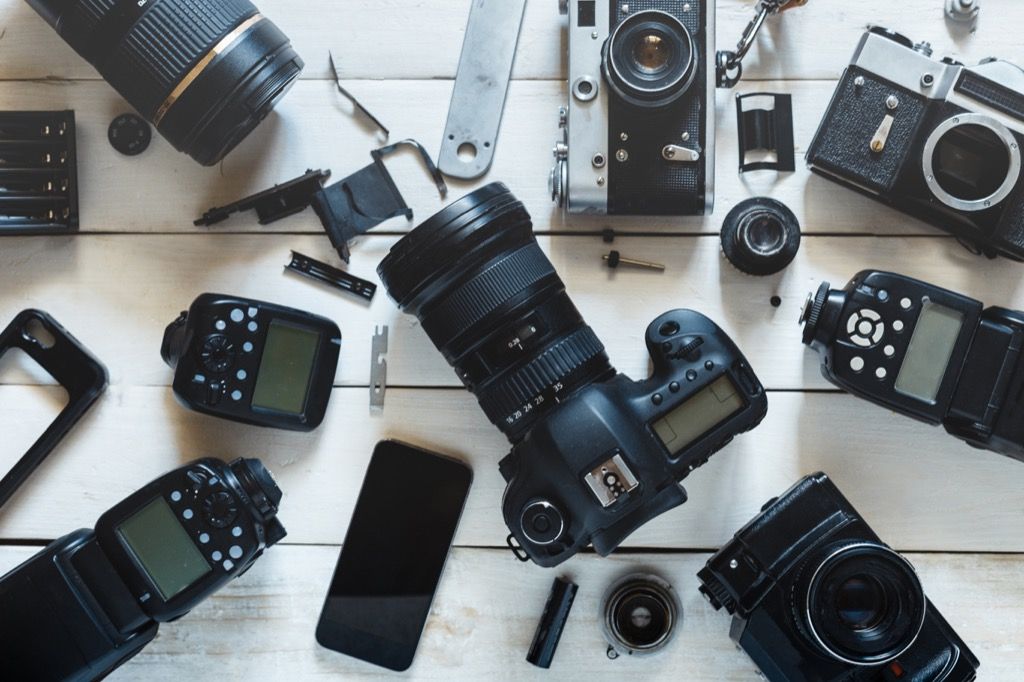
The Japanese fiscal year ends on March 31, so expect Sony and company to dump older models at firesale prices as soon as the accounts are closed in April. Shopping for a camera? Consider these 10 Next-Level Ones That Are Way Better Than Your Smartphone.

Shutterstock
The 10 to 20 percent discount on last year’s model begins in September, when this year’s crop of cars arrives on the lot—and dealers need to make room. Focus your efforts on the end of the month, too, as that’s when they will be most anxious to make their sales quotas, and likeliest to discount further to do so. If you’re interested in picking up a car of your own, check out The Best New Cars to Hit The Road in 2018 .

Shutterstock
These are bulky for home improvement centers to store, so as soon as summer’s over in early September, expect them to be discounted to sell rather than stash over the long winter months. Deals will start around 10 percent off, and climb rapidly as winter draws closer.

Shutterstock
Implausible as it sounds, cell companies like T-Mobile often used Valentine’s Day as an excuse to promote two-for-one or couples’ deals. Haggle hard, especially if switching carriers, for a free month’s service.

Shutterstock
Renegotiate that gym membership in summer, when the amateurs and newbies have forgotten that New Year’s resolution and classes are least congested. Ask the membership retention staffer for a free month or two. And if you need an extra push to get moving, learn the 11 Ways Smart People Motivate Themselves to Go to the Gym .

Shutterstock
Ever dreamed of owning your own yacht (or at least a skiff)? Plan ahead for off-season, or Q1, when the boat shows take place: announcing next year’s models mean the last crop will be priced to move.

Shutterstock/yalana
Even if you’re over 18, you can benefit from back to school sales in August: pens, paper, and office basics should be discounted by 20 percent or more.
Shutterstock
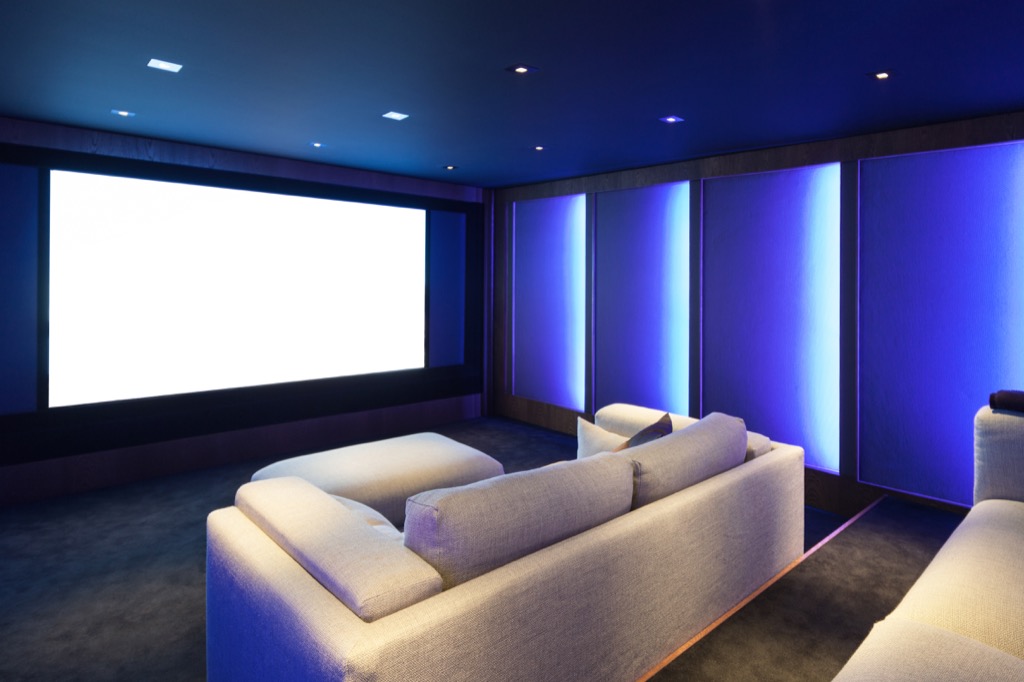
In the weeks leading up to the Super Bowl, you’ll see major promotions on big game-worth big screens, especially older or last year’s models—at least 15 percent if not more.

Syda Productions / Shutterstock
Interiors firms have traditionally released their new styles in August (the new IKEA catalog, for example, debuts August 1), so clearance of 30 to 60 percent accelerates in July to make space on the showroom floor. Speaking of design: Here star designer Nate Berkus Reveals His Favorite Guilty Pleasures.

Shutterstock
Nineteenth-century department stores held what’s known as “white sales” right after Christmas—and most have retained this quirky tradition today. If you need new towels or bedlinen, promos of up to 50 percent off should appear just after January 1.
Shutterstock
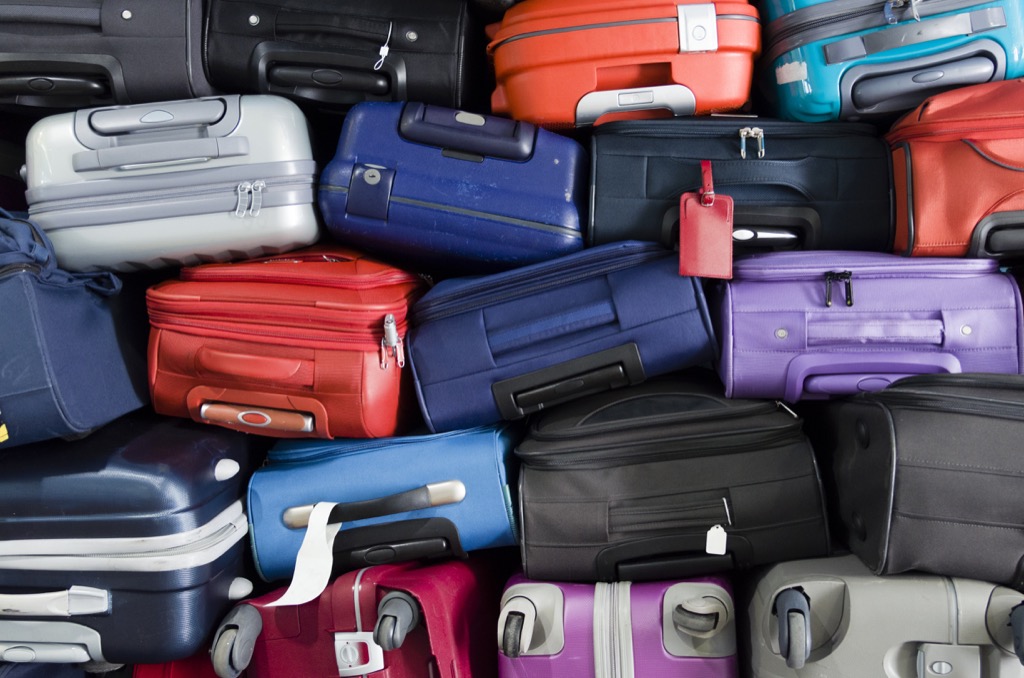
New season styles arrive in March, well in advance of the summer travel season. Just as they do, last year’s styles—which most would struggle to differentiate from the new designs—will be marked down 20 percent or more. Flying anywhere soon? Don’t miss these 35 Brilliant Travel Hacks Only Experienced Travelers Know.

Shutterstock
Sportswear companies sponsor charitable walks and races, many of which take place in April or early spring. Firms often discount their sneakers as a coordinated promo with those sponsorships.

Shutterstock
Prices on ketchup and mustard are deeply discounted in late May, as BBQ and picnic season kicks off. Stock up for the entire year then, as most relishes like these will keep safely for months in a cool, dry place.

Shutterstock
If you prefer to travel on two wheels rather than four, direct your attention to dealers at the coldest point of the year, in January. It’s when bike-riding is on the fewest folks’ mind, so you can haggle for the best deal.

Shutterstock
Halloween is the high point for candy sales each year, so in early November, stores will always be lumbered with a surfeit of ghost-themed treats that will quickly be discounted 20 to 30 percent. Like sauces, candy keeps for months, so stock up now until next fall.

Shutterstock
If you need some new swim shorts, wait until early August, once the bulk of summer vacations have taken place, and you can save 40 to 70 percent on board shorts, budgie smugglers, and anything in between.

Shutterstock
During the back-to-school season, retailers overstock on denim as it’s de facto school uniform. By October, of course, whatever hasn’t been snapped up by students is left lingering on shelves until buy one get one free or half price promos kick in.

Shutterstock
Forget the urban myth about fuel density—the difference between cold and warm gas is minimal. But you should fill up at breakfast anyway, because prices are usually adjusted at lunchtime, once the head office has sent out instructions to franchisees, or owner-operators have checked competitors’ prices nearby. Likewise, try to fill up midweek, as price spikes occur most commonly before the weekend.
Shutterstock
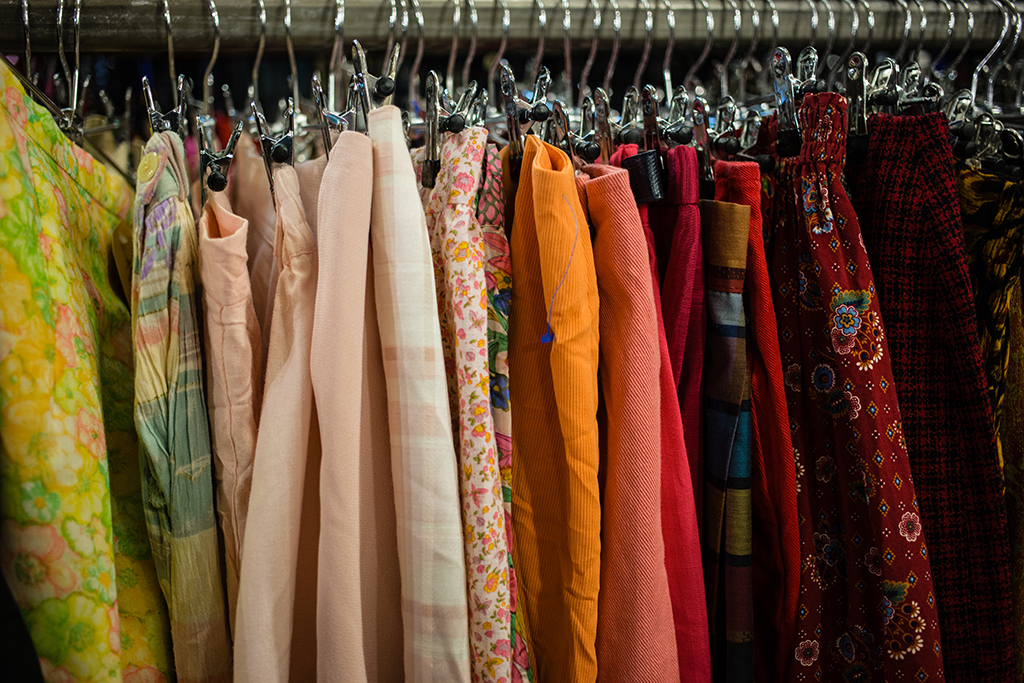
The universal instinct for spring cleaning and decluttering means charity stores and vintage shops tend to be overwhelmed with donations in April—and they will price them accordingly to manage retail space. Ask, too, when the local dry cleaners make their donations of unclaimed clothes each month; the day after that, there will be top tier stock to browse. If you’re heading out to shop vintage, be sure to brush up on our 8 Tips For Shopping a Thrift Store Like a Stylist .

Shutterstock
Black Friday is the worst time to shop at a regular mall, since it will be crowded and much of the stock on sale was brought in specially rather than marked down (in other words: it’s cheap, not a bargain). Instead, head to your local outlet mall that will participate in the promos, but relying almost entirely on the existing stock.
Shutterstock
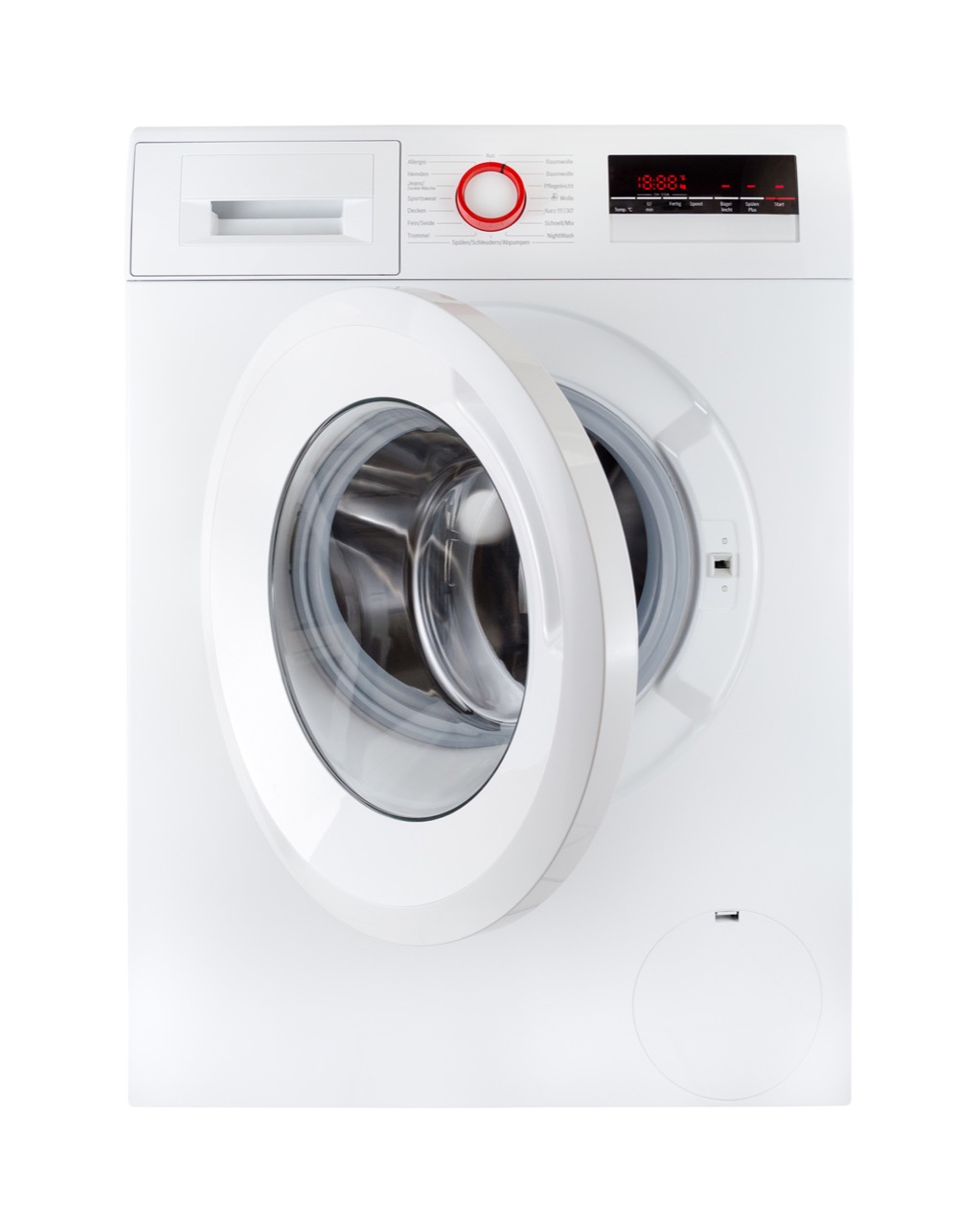
It’s best to buy a washing machine during September and October, when last year’s models are discounted to make room on the store floor for the latest models.

Shutterstock
Harvest season is when most vineyards release their latest vintages, and so there will be an excess of great wine on offer. The result? Markdowns and promotions to help seize wallet-share amid the congestion.

Shutterstock
Much like linens, cookware had a traditional sales window that stores continue to honor—October—partly because promotions also encourage shoppers to consider cookware as a gift for the holidays.

Shutterstock
Thanks to a quirk of the industry, fridges are the exception in white goods—new models arrive in the summer, so you’ll snare discounts on current stock in late spring, around May.

Shutterstock
In most boutiques and specialty stores, clothes will linger on the racks for around six weeks after they arrive—keep track of that must-have pair of pants until that 42 day window is reached, then plan a trip to the mall after work on Thursday, as the weekend’s sales are usually first activated then.

Shutterstock
Weekly sales at supermarkets usually begin on Wednesday and end on Tuesday, so shop on Wednesday for the freshest items and to make sure that the most deeply discounted products are in stock. By the weekend, they may have sold out.

Shutterstock
10 Next-Level Cameras Way Better Than Your Smartphone

Anyone can just take a picture. A photographer makes an image. Today’s phone cameras are amazing, but they’re not without limitations. When you find yourself wanting more control, like the ability to zoom in from a distance, shoot fast-moving sports, or make wall-sized prints, it’s time to consider a dedicated camera. And if you’re concerned that there is too much involved in learning how to use one effectively, rest assured that with a little practice, you’ll be hooked and continue to enjoy a hobby that lasts a lifetime. To get the most out of a camera, though, it pays to understand the fundamentals of photography .
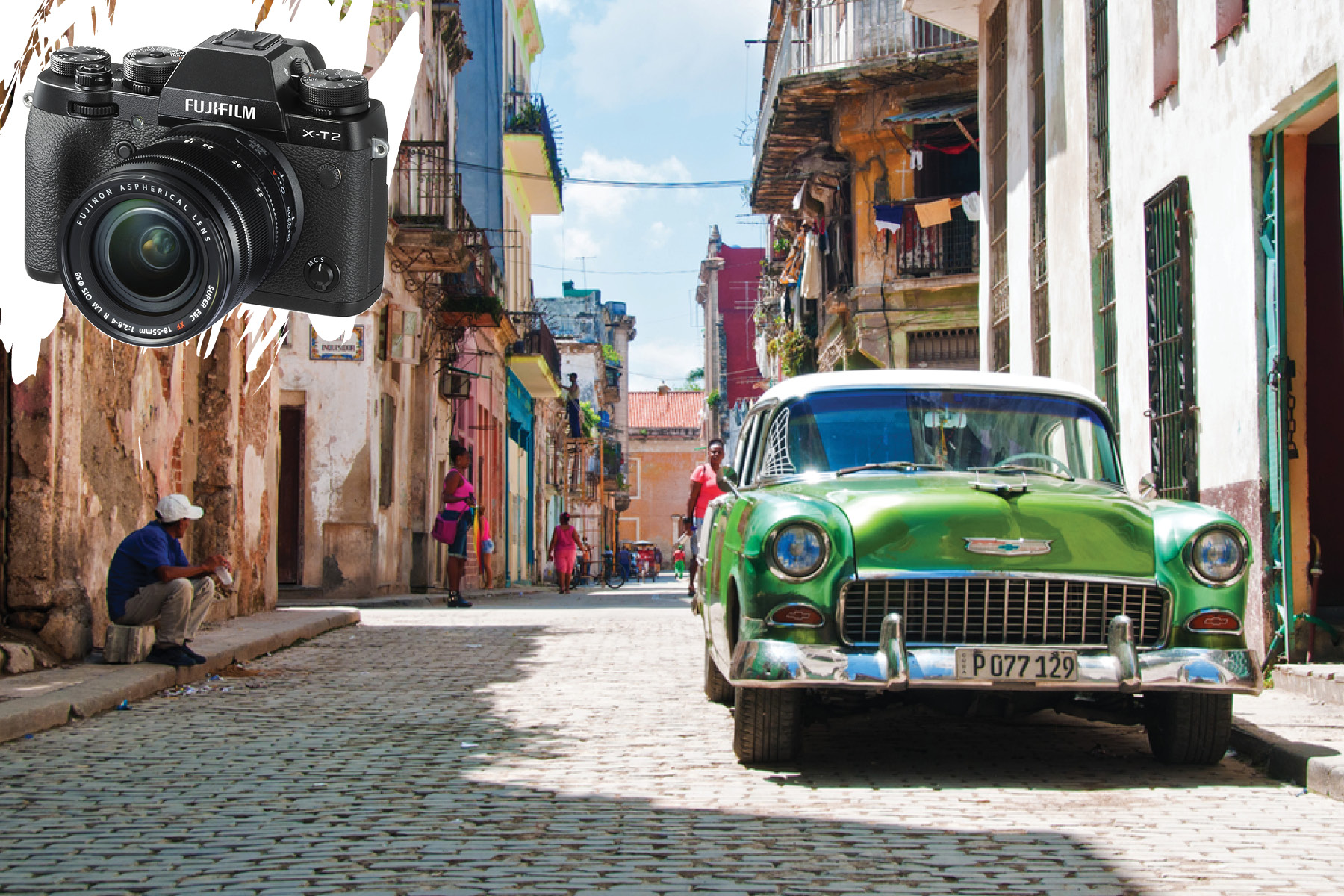
The X-T2 mirrorless camera features interchangeable Fujifilm X mount lenses and comes equipped with a 24.3-megapixel APS-C sensor. Fuji cameras produce gorgeous images, even in low light. Capture fast action at up to 8 frames-per-second with full autofocus tracking, or at up to 14 frames-per-second using the silent electronic shutter. Packed with Ultra High Definition 4K video recording complete with Fuji’s array of film simulations for both photo and video. For the best deal, go for the body and lens kit with an 18-55mm zoom lens.

From Nikon’s DX-format DSLR line comes this robust, tough-as-nails, compact action camera, understudy to the pro-level FX line. Equipped with a 20.9-megapixel sensor, it excels for both still and video shooters with fast, ten frames-per-second continuous capability along with 4K UHD video recording. The unique sensor and processor combination delivers an astonishing 164,0000 ISO rating permitting shooting in virtual darkness.
It features a 153-point autofocus system for fast performance and accurate subject tracking. An articulating LCD touchscreen allows for comfortable shooting from high and low angles. It comes with Wi-Fi and Bluetooth connectivity for wireless image sharing. Its rugged magnesium alloy chassis is both dust- and weather-sealed for intrepid adventure travelers.

The retro-styled compact X100F recalls the classic Leica M cameras of decades past. With a fixed-focal length 35mm equivalent f/2.0 lens, the small Fuji is for photographers who enjoy a weightier feel in their hands with the simple, manual, external controls of traditional 35mm rangefinder cameras. Its advanced 24.3-megapixel APS-C sensor captures high-resolution still images and video even in low-light situations. Quick, accurate auto-focusing, fast shooting speeds, and compact size make this handsome gadget a faithful travel companion.
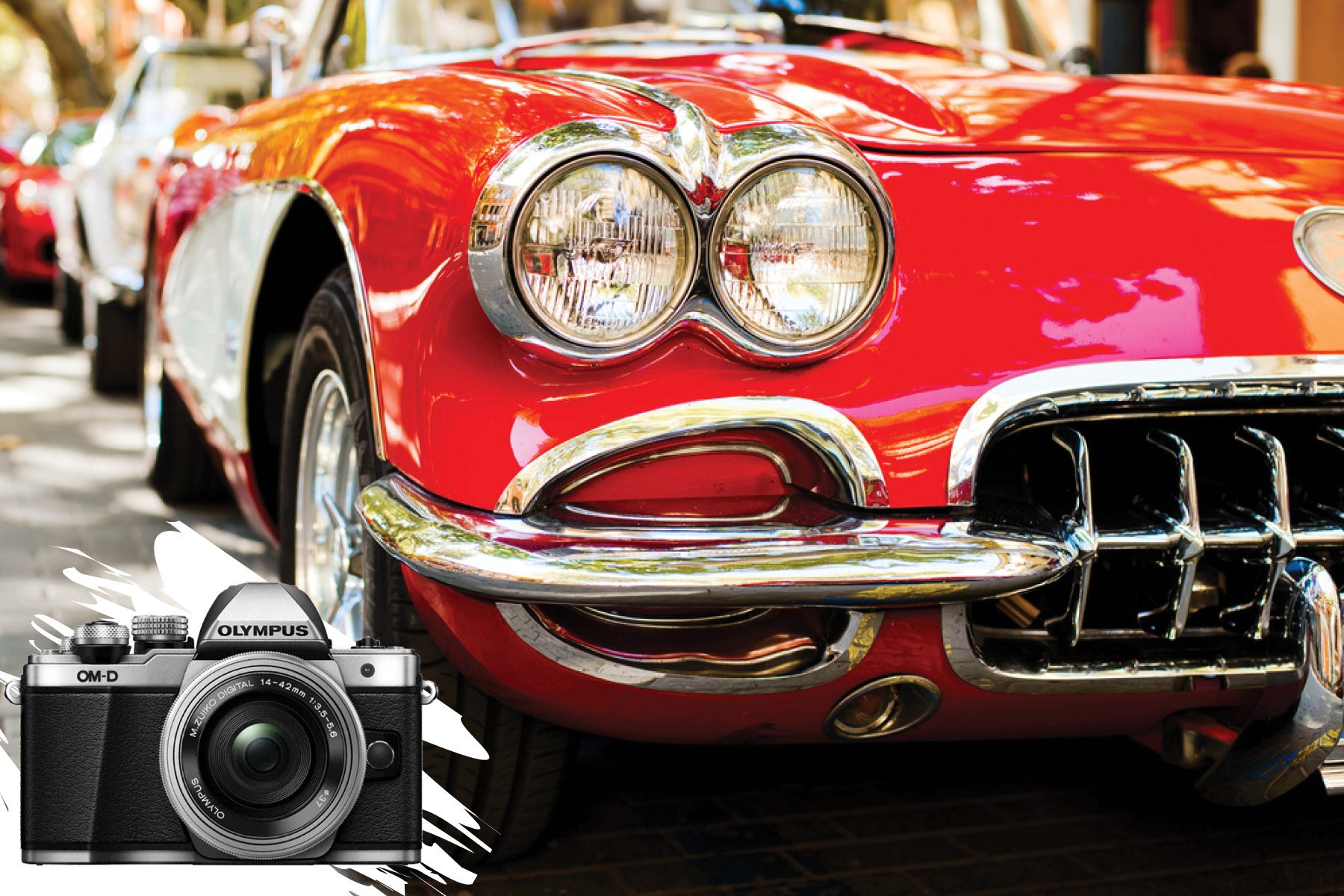
Another classic-inspired camera, the OM-D E-M10 Mark II is a mirrorless Micro Four Thirds fixed-lens body with a 14-42mm f/3.5-5.6 zoom lens. Capable of refined still captures and movie recording capabilities in nearly any situation, its 16.1-megapixels can fire at up to 8.5 frames per second. It also packs full high-def 1080p/60 video with impressive low-light performance. In-camera image stabilization compensates for up to 4 stops of camera shake, and its contrast-detection autofocus system features dedicated subject tracking modes.
A variety of shooting functions includes Silent Mode, which utilizes an electronic shutter for perfectly quiet image captures up to 1/16,000 of a second. Built-in Wi-Fi allows you to pair the camera with your smartphone or tablet for wireless sharing and remote camera control, and the interval shooting mode can be used to produce in-camera 4K time lapse movies.
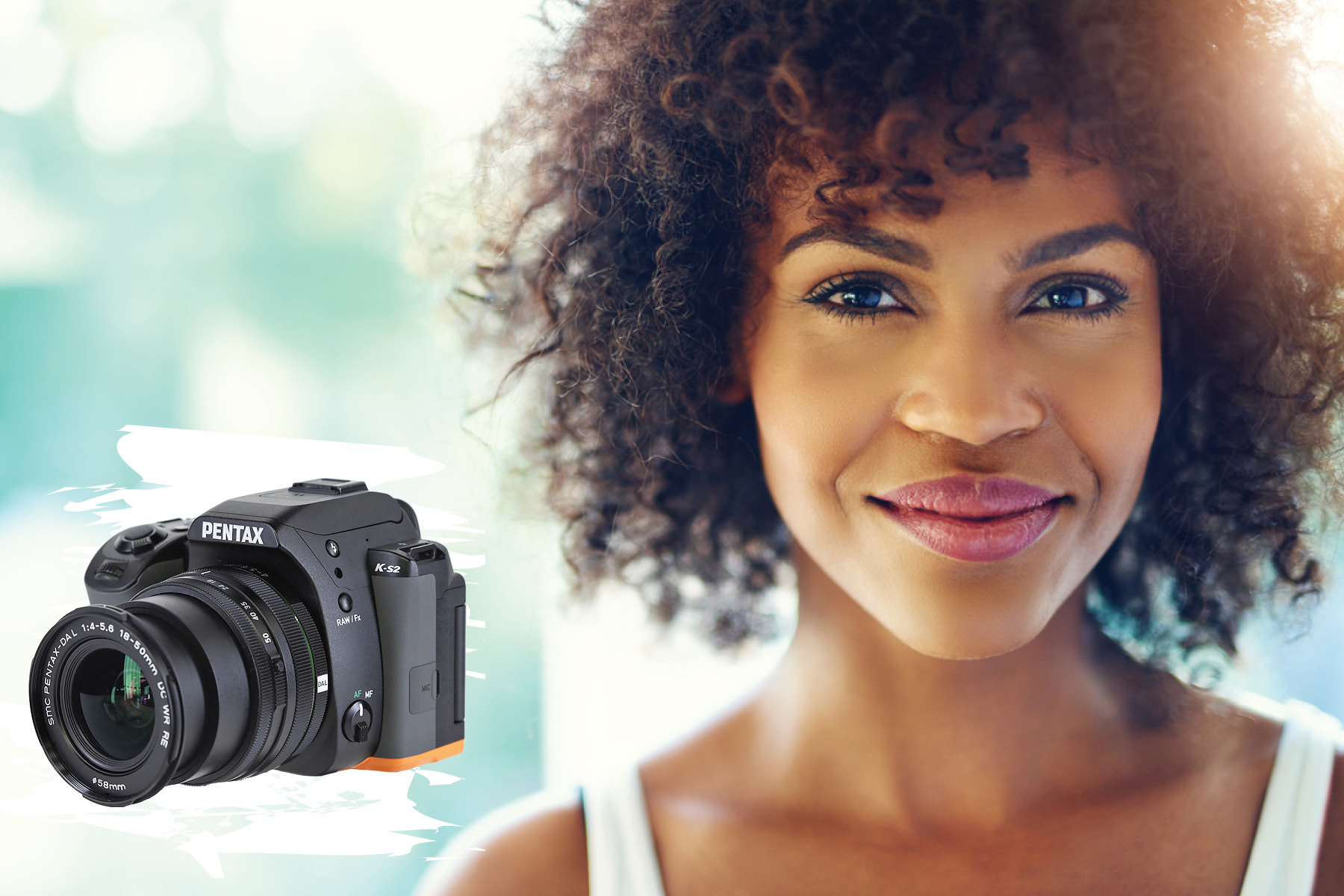
The compact, rugged, K-mount K-S2 Digital Single Lens Reflex with 18-50mm f/4.0-5.6 zoom lens features a 20.1-megapixel APS-C sensor in a weather-resistant body, ideal for active-lifestyle shooters who want versatility in a lightweight package. Built-in Wi-Fi allows wireless image transfer and camera control with your mobile device. Its Sensor-Shift image stabilization limits the camera shake that results from slower shutter speeds, as well as full HD 1080p video recording at up to 30 frames per second.
Enhanced image capture comes courtesy of high-speed auto-focusing, and extreme angles simplified by a variable-angle swing-out LCD monitor for reviewing and composing images. With a maximum shutter speed of 1/6000 second and continuous shooting rates of up to 5.5 frames per second, the K-S2 features advanced HDR and clarity enhancement modes for even more detailed and cleaner photographs with maximized dynamic range. Compatibility with Eye-Fi wireless flash memory cards makes sharing self-portraits captured with the selfie-button a snap.

A favorite take-along camera among professionals, the Lumix DMC-FZ2500 boasts a mix of advanced photographic capabilities, starting with its far-reaching super-telephoto Leica Vario-Elmarit f/2.8-4.5 zoom lens. With state-of-the-art sharpness delivering stunning results over an incredible 24-480mm equivalent zoom range, it’s paired with an outstanding 20.1-megapixel, high-sensitivity sensor providing top-notch video performance, including 4K format, with professional grading capability.
The built-in neutral density filter allows shooting wide-open apertures in bright light for capturing images with creamy depth of field. With creative control modes—including panorama and focus-stacking—too numerous to mention, the possibilities for making extraordinary images with the Lumix are infinite.
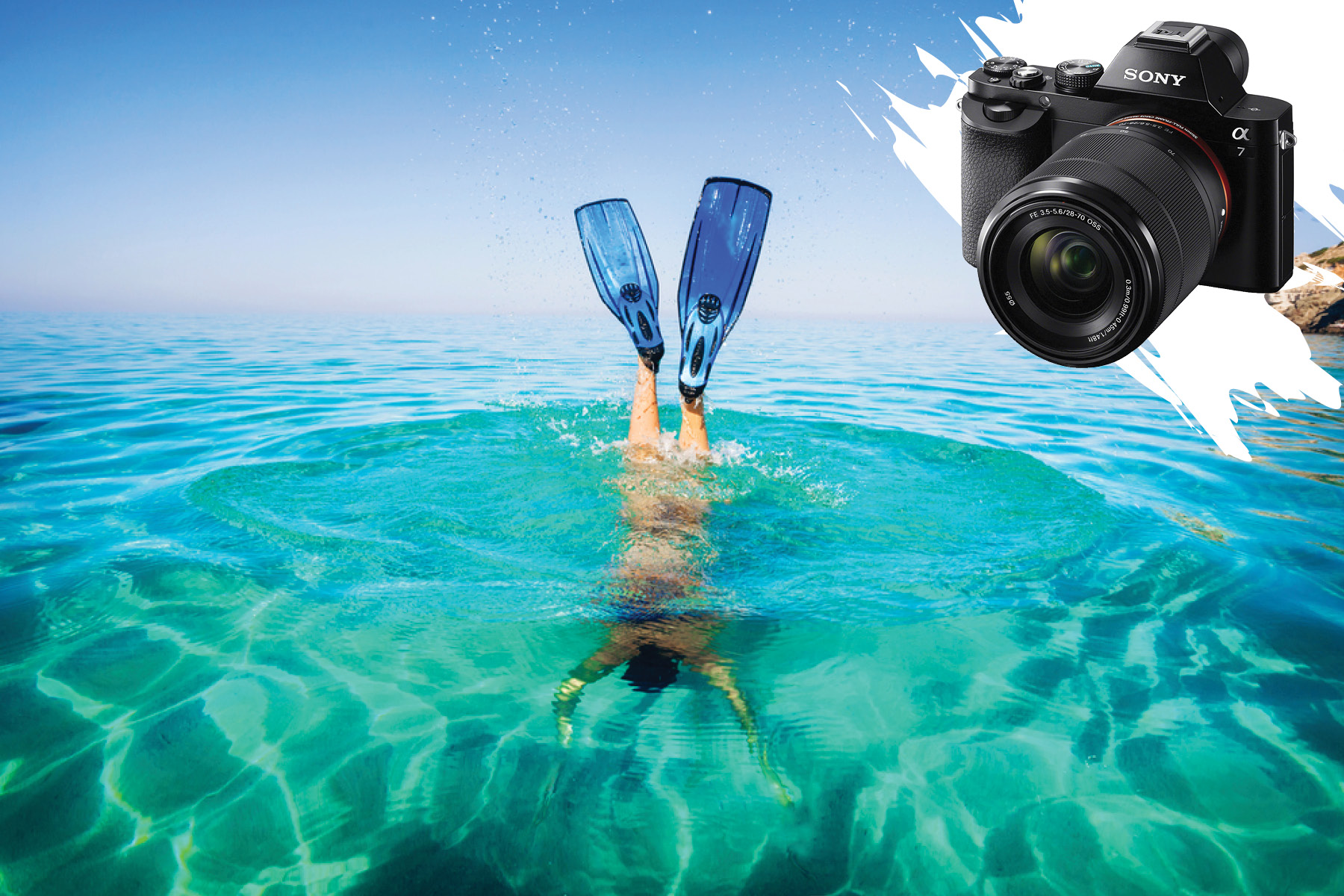
The Alpha a7 is a full-frame (equivalent to 35mm film; APS-C and micro four-thirds cameras use smaller ‘cropped’ sensors) mirrorless body that can be fitted with interchangeable Sony lenses or compatible third-party brands. At 24.3-megapixels, high resolution, richly detailed images—even in low light—are effortless. The enhanced Hybrid Autofocus system combines a 117-point phase-detection autofocus system delivers speed and accuracy for capturing the decisive moment.
Sony’s amazing Eye AF Control offers precise eye-detection that place focus directly on the subject’s eye, even when partially turned away. Complete with full-feature video and audio capability, all Wi-Fi enabled for easy image transfer and remote control from smartphones and tablets. Go for the Alpha a7 kit which includes the new FE 28-70mm f/3.5-5.6 optical SteadyShot E-mount lens. This wide-to-portrait zoom incorporates image stabilization for shooting at low shutter speeds.

Loaded with a high-resolution 24.2-megapixel sensor, the compact T6i DSLR punches above its weight class, delivering pro-grade stills and video. With Canon’s versatile 18-55mm standard zoom lens it’s ready for everything from bright sunlight to dim nighttime settings. Wi-Fi connectivity allows for wireless transfer of images and video to social networks and cloud storage via the Camera Connect mobile app, with Near Field Connectivity enabling fast connections to mobile devices.
The Movie Servo auto-focus mode allows for smooth and silent continuous AF in video mode when paired with an STM-designated lens, Canon’s Stepper Motor technology designed specifically for video shooting. The T6i is a full-frame camera ideal for low-budget filmmaking, travel, and photojournalism, and compatible with Canon’s excellent full line of specialty prime and zoom lenses.
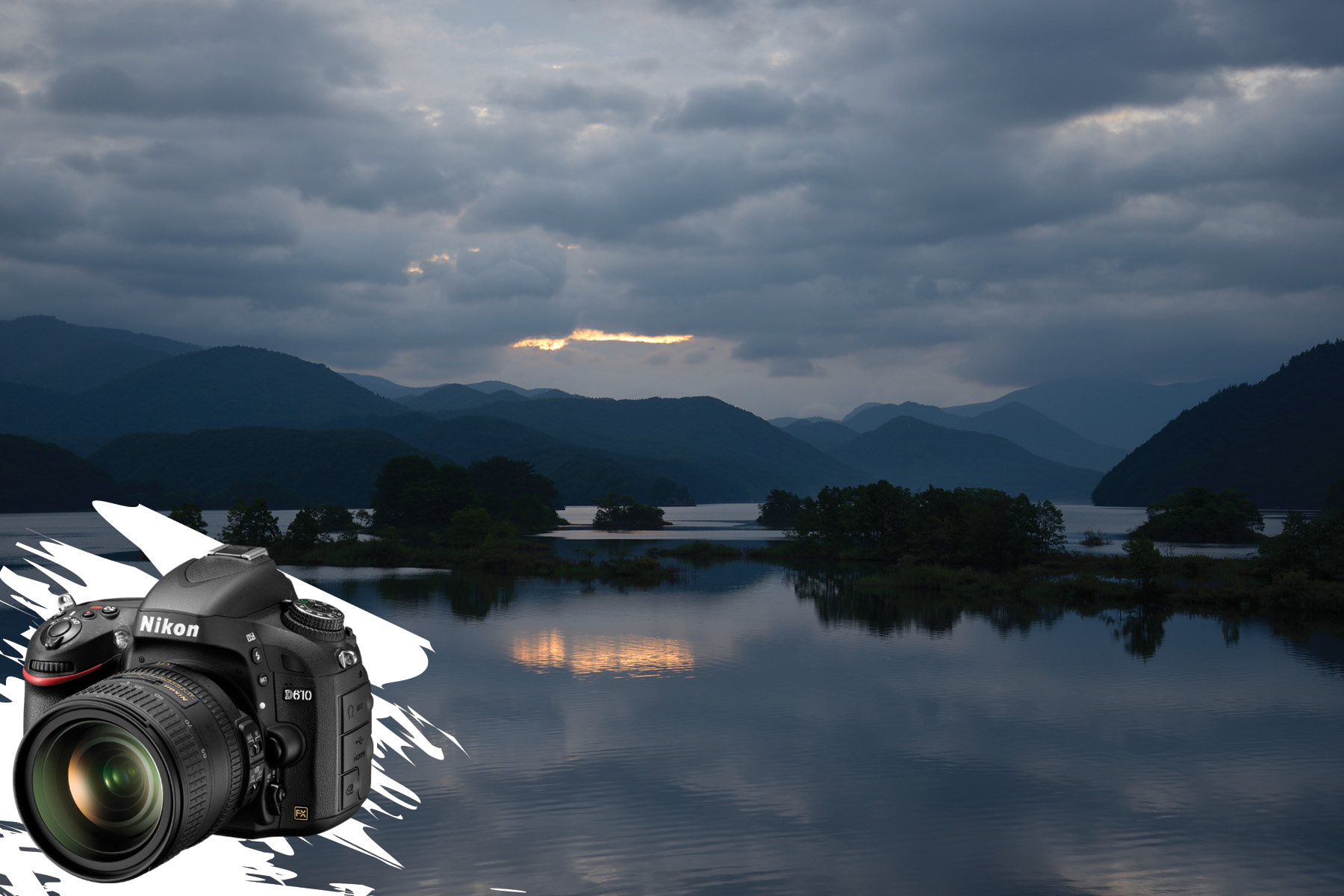
The D610 occupies the sweet spot between entry-level full frame DSLRs and professional outfits like Canon’s 5D Mark III and Nikon’s D810—even outperforms those bad boys with a faster burst rate and a much lower price barrier for entering full-frame professional-level DSLR photography. It features an FX-format 24.3-megapixel sensor for high-resolution stills and full HD 1080p video with magnificent image detail and impressive low-light sensitivity with wide dynamic range for smooth color and tonal gradations.
With a continuous shooting rate of 6 frames per second and a quiet shooting mode that allows sequential recording minus the prism mirror slap. Get the kit including the superb Nikkor 24-85mm f/3.5-4.5G ED VR (Vibration Reduction), wide-angle to portrait-length zoom lens.

Considered one of the best compact travel cameras ever, the no-compromise Leica Q (Typ 116) sports a full-frame 24.2-megapixel sensor within its portable, exquisitely designed body. Powered by the Leica Maestro II series image processor, you can fire away professional-grade images at the blazing rate of 10 frames per second.
The camera features that oh-so-special Leica glass, in this case, a fixed Summilux 28mm f/1.7 lens that, when used wide-open, allows for dramatic separation of subjects from the background. Its electronic viewfinder is class-leading with live through-the-lens viewing in addition to fully manual controls using the aperture and focus rings on the lens. Auto focus is instantly available at the click of the shutter or via touchscreen LCD monitor by tapping on the subject. Image sharing is simple with the integrated Wi-Fi module.
The Q also features an NFC chip for tap-to-connect functionality with compatible devices and the free Leica Q app lets you take remote control of the camera for adjusting exposure while shooting from extreme angles. The Leica Q’s intuitive, minimal design, compact form, and leading-edge technology conspire to produce optimal image quality, which all make you look good.
