30 Questions You’d Need to Ace to Pass 6th Grade Science
Shutterstock
Science is the foundation of human knowledge. Without it, you might as well think the earth is flat, and that the sun is carried across the sky by a winged horse-driven chariot. There’d be no Ibuprofen, no electricity, no automatic plumbing. As far as middle-school subjects go, science far and away has the greatest impact on daily life. It’s also likely your most rusty one.
Yeah, that’s right: sixth grade science was hard . So, how much do you recall? Scroll on and find out. And for more ways to test your brain, give a go at these 30 Questions You’d Need to Ace to Pass 6th Grade English.
Best Life
It’s important to know about different types of energy sources and whether they’re renewable or non-renewable.
Shutterstock
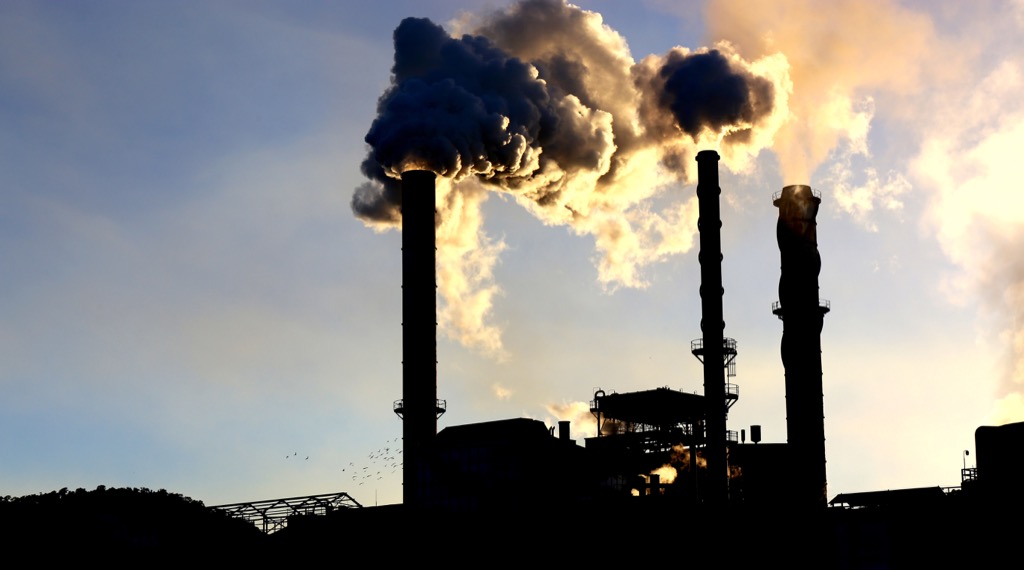
Fossil fuels come from the remains of prehistoric plants and animals from millions of years ago that have been buried under layers of rock. They are a non-renewable resource, and so will one day be used up. And to learn what might happen if we keep using 30 Things Scientists Say Will Happen if the Population Keeps Expanding.
Best Life
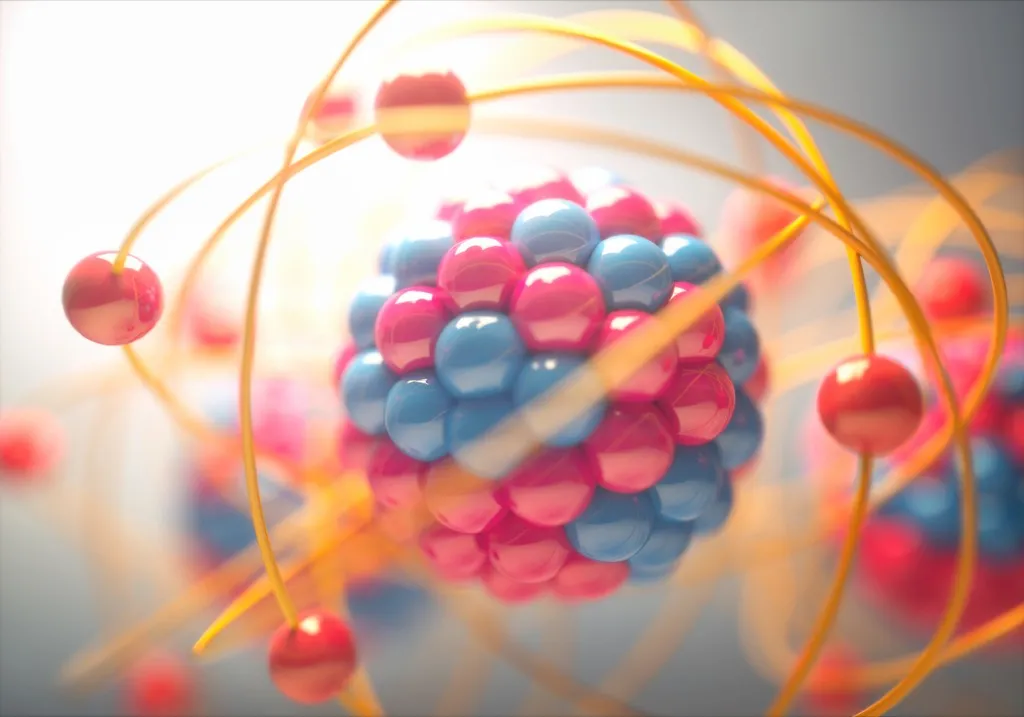
Atoms are the smallest building blocks that make up all the matter in the universe, from insects and plants to stars and planets.
Shutterstock
An atom is made up of a center of protons and neutrons called a nucleus, which is orbited by one or more tiny electrons,
Best Life
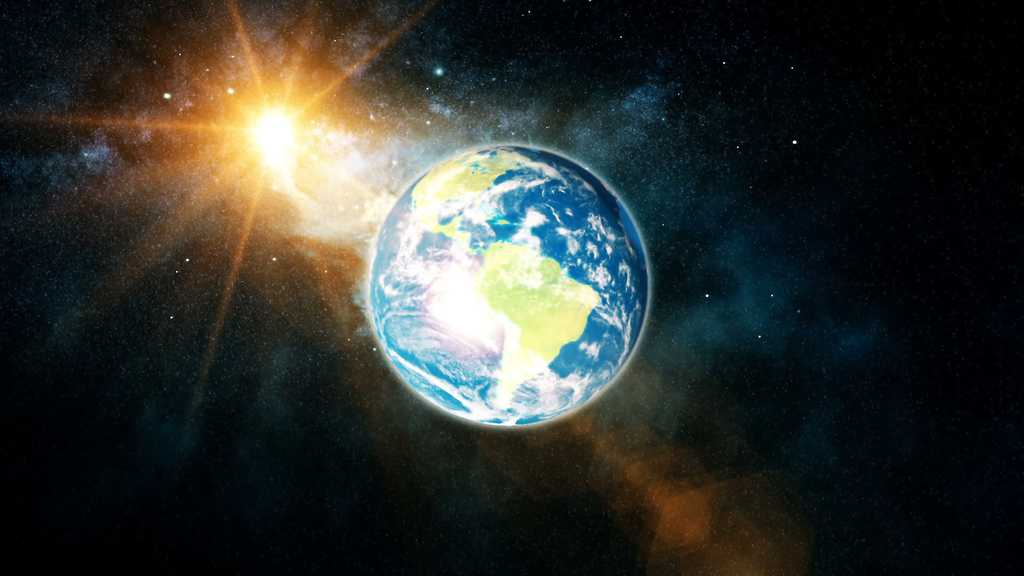
Before this scientist’s work, people in Europe widely believed that the Earth was the center of the universe around which all other planets and stars revolved.
Shutterstock
Although Copernicus first published his work in 1543, it took around 200 years for most Europeans to believe that the sun was the true center of our solar system. And for more fascinating insight into the great beyond, don’t miss these 21 Mysteries about Space No One Can Explain.
Best Life
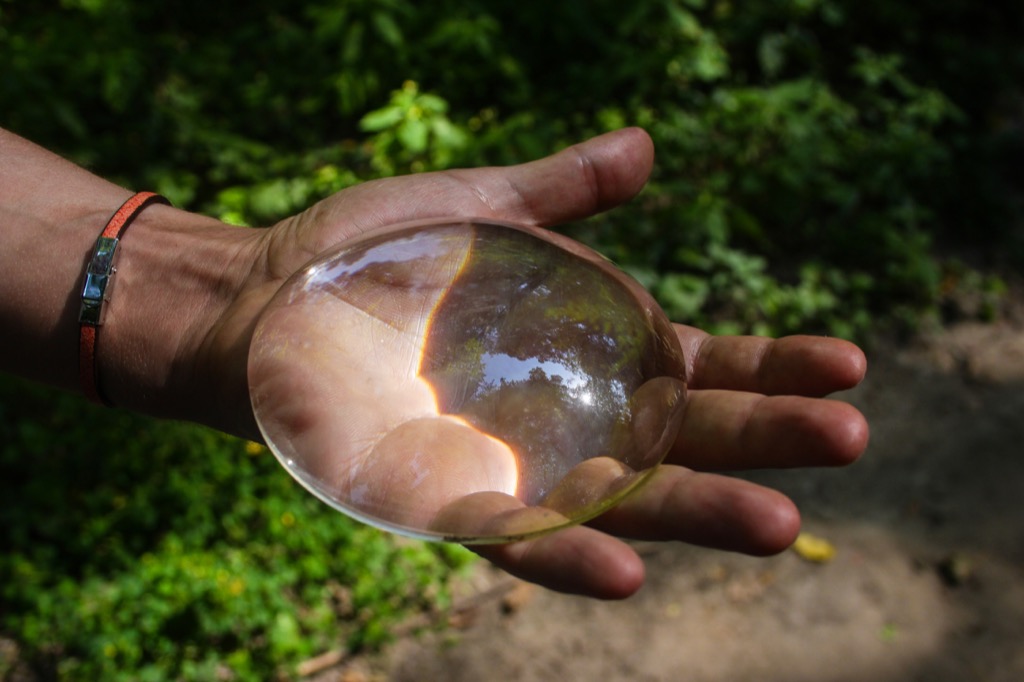
White light isn’t actually white—it’s a combination of all the colors of the rainbow.
Shutterstock
When light moves from one substance to another—for example, from the air into a prism—it refracts by changing speed and angle. Since different colors of light move at slightly different speeds, the right prism can bend white light in a way that makes the colors separate. And for more amazing science coverage, learn about the 20 Types of Artificial Intelligence You Use Every Single Day And Don’t Realize It.
Best Life
Though “weight” and “mass” are sometimes used interchangeably in conversation, in a scientific sense, there’s an important difference between them.
Shutterstock
Mass is the amount of matter in an object (usually shown in grams or kilograms) and weight is the force that gravity exerts on a particular object (usually shown in pounds or ounces). If you were to go to the moon, you would weigh less—since there is less gravity—but your mass would remain the same.
Best Life
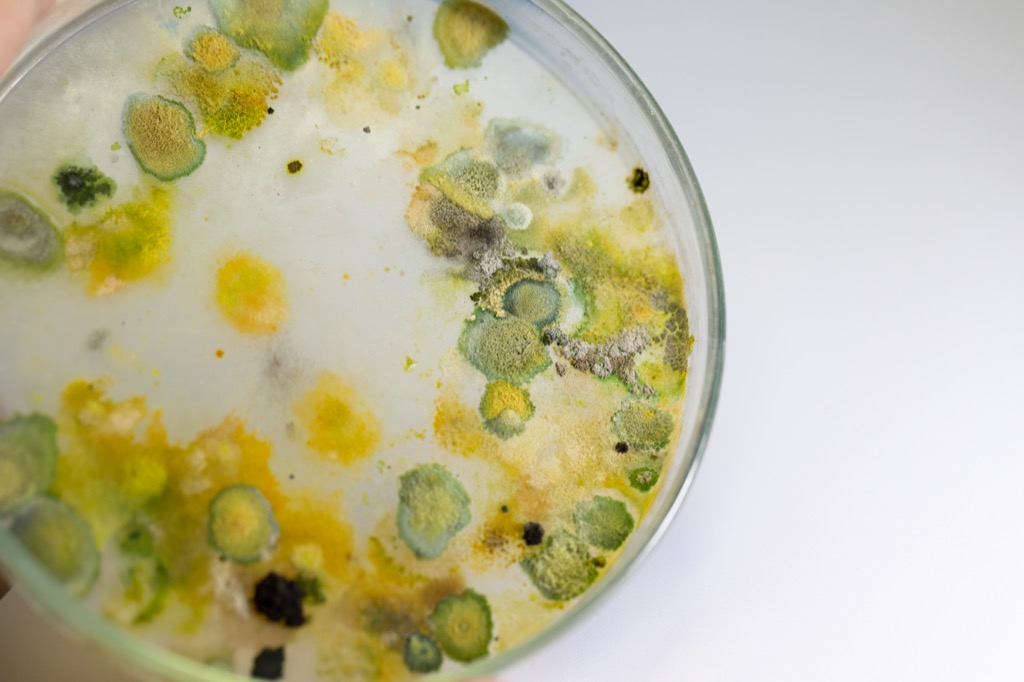
Microorganisms can also be called microbes.
Shutterstock
Microorganisms are living things, but they are too small to be seen with the naked eye. They’re very important to human life because, among other things, they make soil fertile and help us digest our food.
Best Life
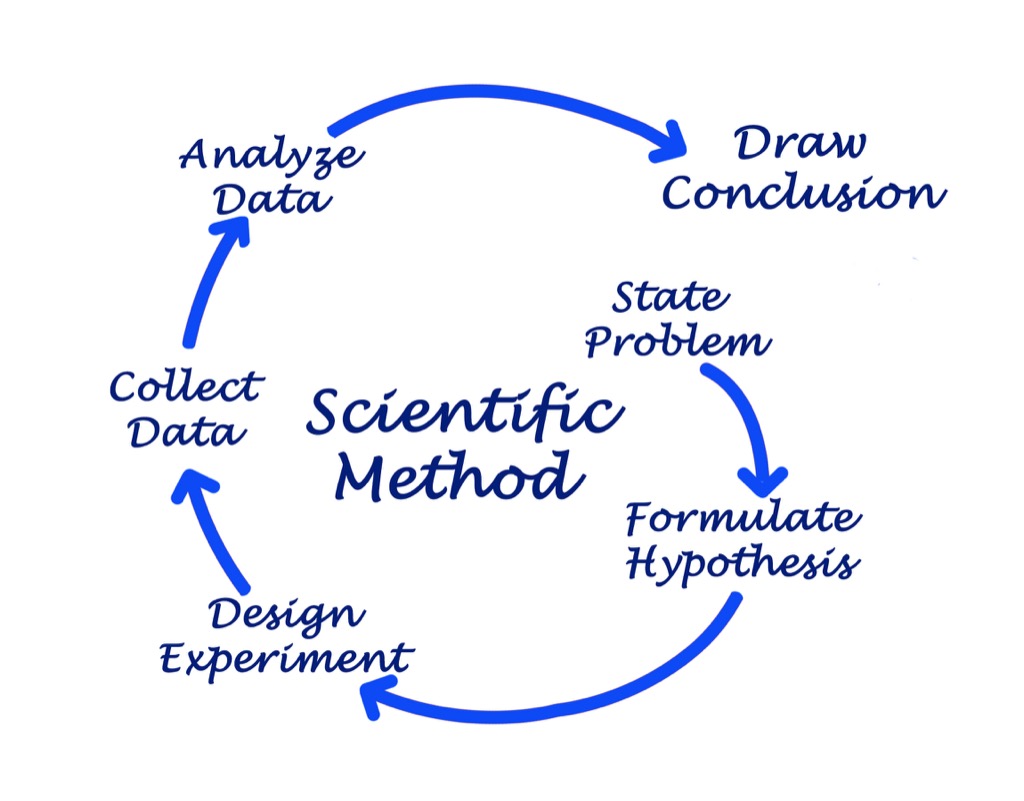
You will use these words in every science class!
Shutterstock
The scientific method is a great way to test ideas about how the world works. While doing so, you will also make a road map for any other scientists who want to replicate your experiment in the future.
Best Life
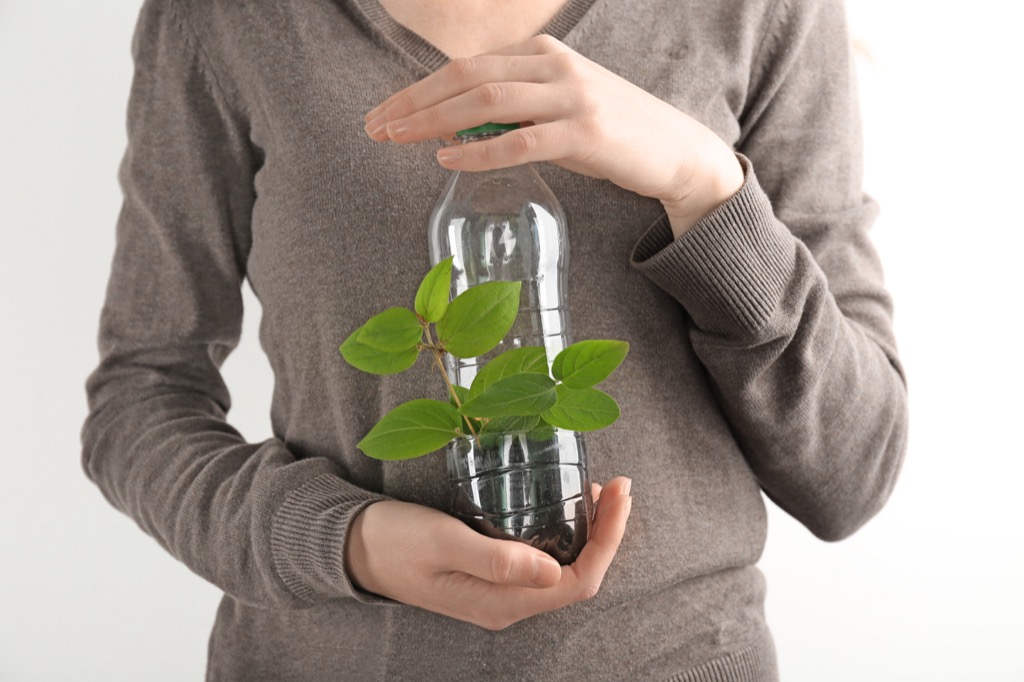
Hint: chlorophyll is bright green in color.
Shutterstock
Plants need chlorophyll for photosynthesis, or the process of making usable energy from light.
Best Life
The pH scale gives a measurement of a substance’s acidity.

Shutterstock
The pH scale goes from 0 (the most acidic) to 14 (the most alkaline or basic), with 7 indicating a neutral substance such as water. A substance with a pH of 13—like strong ammonia—is extremely alkali and should not be touched with bare hands.
Best Life
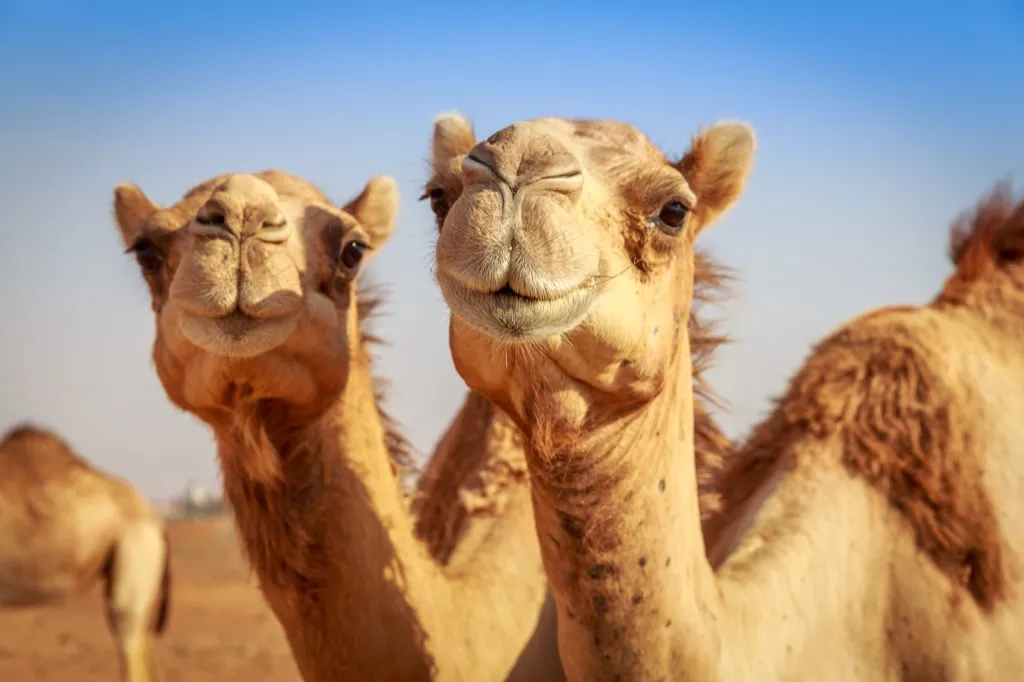
Characteristics that help animals and plants survive the environments they live in are called adaptations. They develop over many generations as the world around them changes.
Shutterstock
Closing nostrils, double eyelashes, and bushy eyebrows all help camels keep sand out of their noses, eyes, and mouths. While long necks might help camels better reach their food, they aren’t direct adaptations to sand.
Best Life
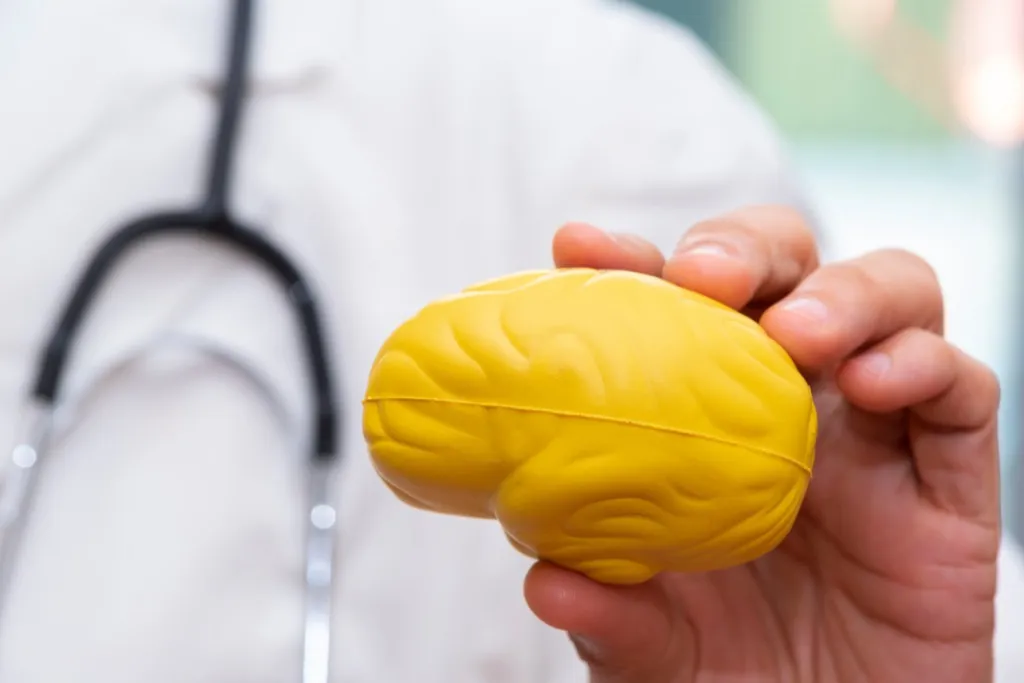
This is also the part of the brain responsible for our personality, thoughts, memories, behaviors, and judgment. It’s a busy place!
Shutterstock
The cerebellum helps us to control our movements and posture, and the brainstem controls our body’s automatic functions like breathing and heartbeats.
Best Life
This process doesn’t just happen at the ocean. It happens anywhere that rocks and soil meet water, weather, animals, or plants.

Shutterstock
Both wind and water transport very tiny amounts of rocks and soil from one place to another. While it is a natural process, human intervention can speed it up if we aren’t careful.
Best Life
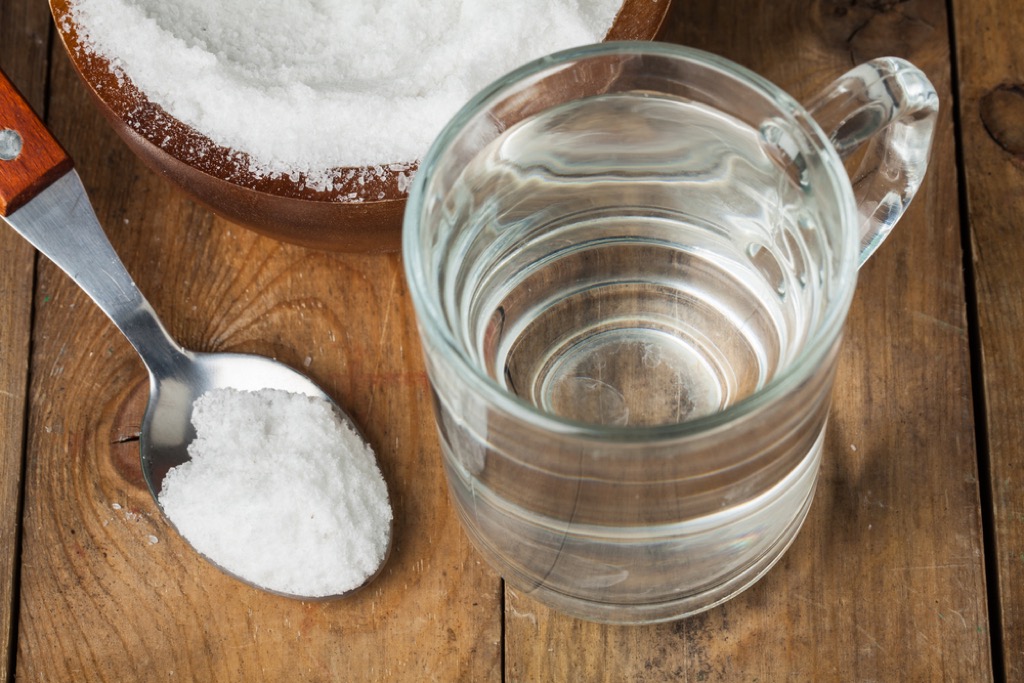
When you combine two or more elements, the resulting substance can have different properties than either of the elements.
Shutterstock
Water, carbon dioxide, chlorine, and salt are all chemical compounds.
Best Life
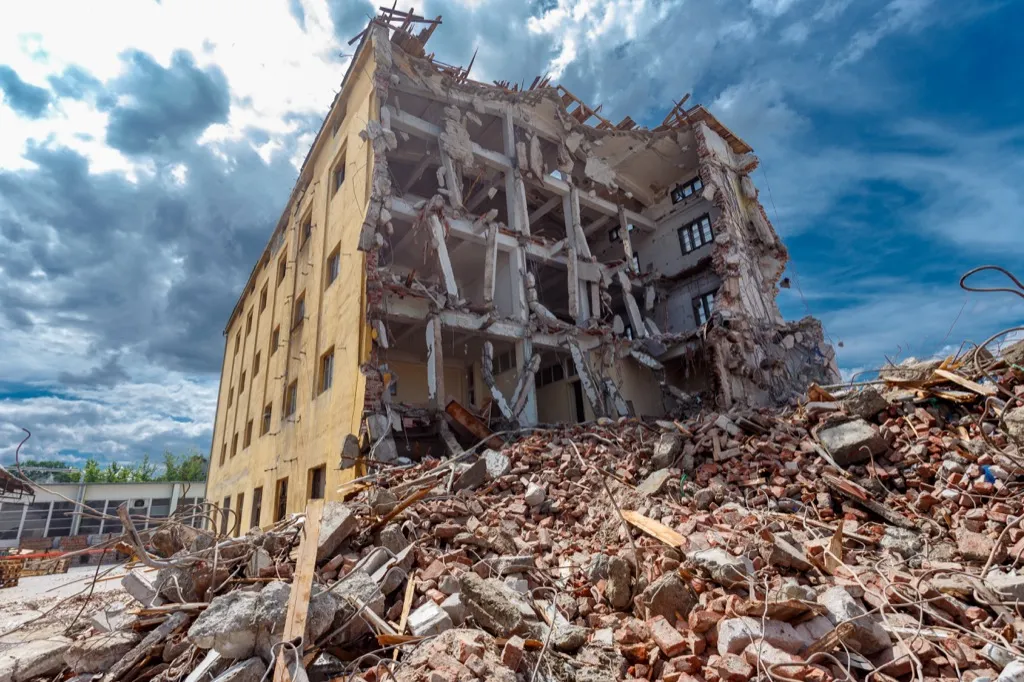
The Richter scale is logarithmic, meaning that a 5 is ten times more powerful than a 4.
Shutterstock
The smallest earthquake that we can actually feel is a 2 on the Richter scale. A 4 is enough to make objects rattle, and 7 will cause major structural damage to buildings. The strongest earthquake recorded since the invention of the Richter scale was a 9.5 quake that hit Chile in 1960.
Best Life
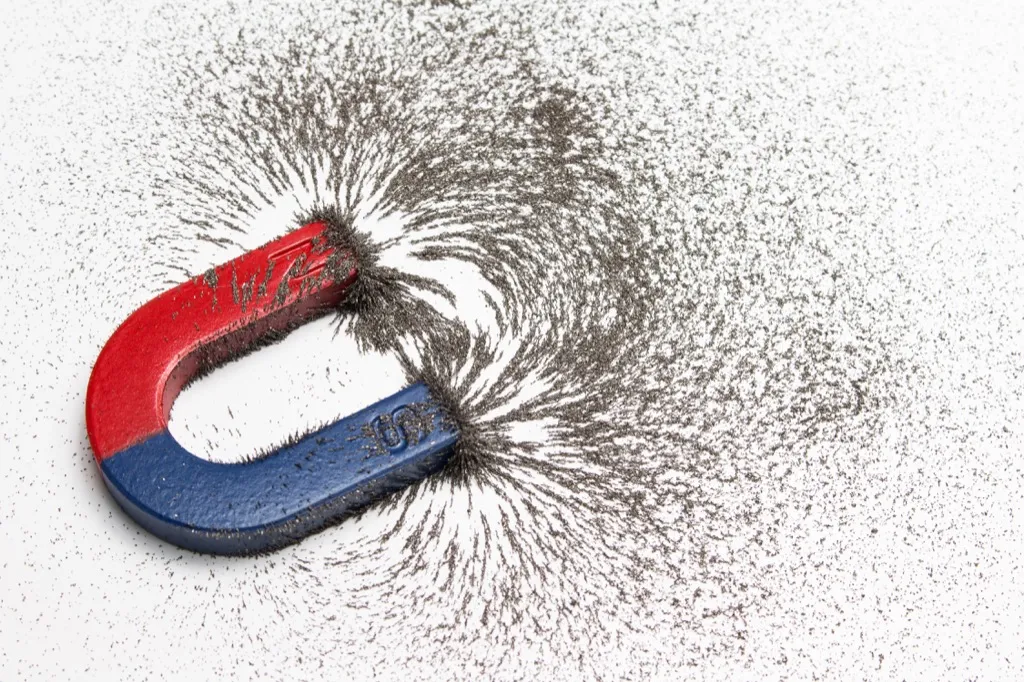
Hint: the Earth also has two poles. Where are they?
Shutterstock
The two ends of a magnet correspond to the two magnetic poles of the Earth. Compasses are able to point north because a huge magnetic field wraps around the whole planet.
Best Life
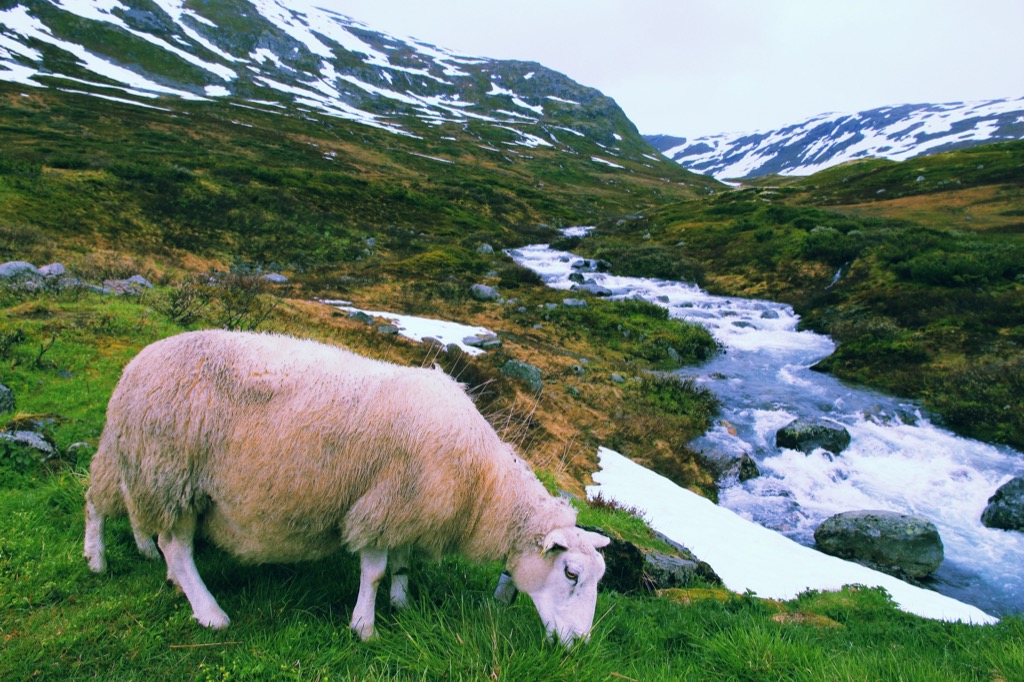
This term gives a broad description of an area’s weather plus its animal and plant life.
Shutterstock
Scientists disagree on exactly how many types there are, but some of the basic biomes include: desert, tundra, tropical forest, deciduous forest, and grasslands. If you hear a place described as a desert, even if you don’t know where it is, you will know that it has extreme temperatures, little precipitation, and very few animals or plants.
Best Life
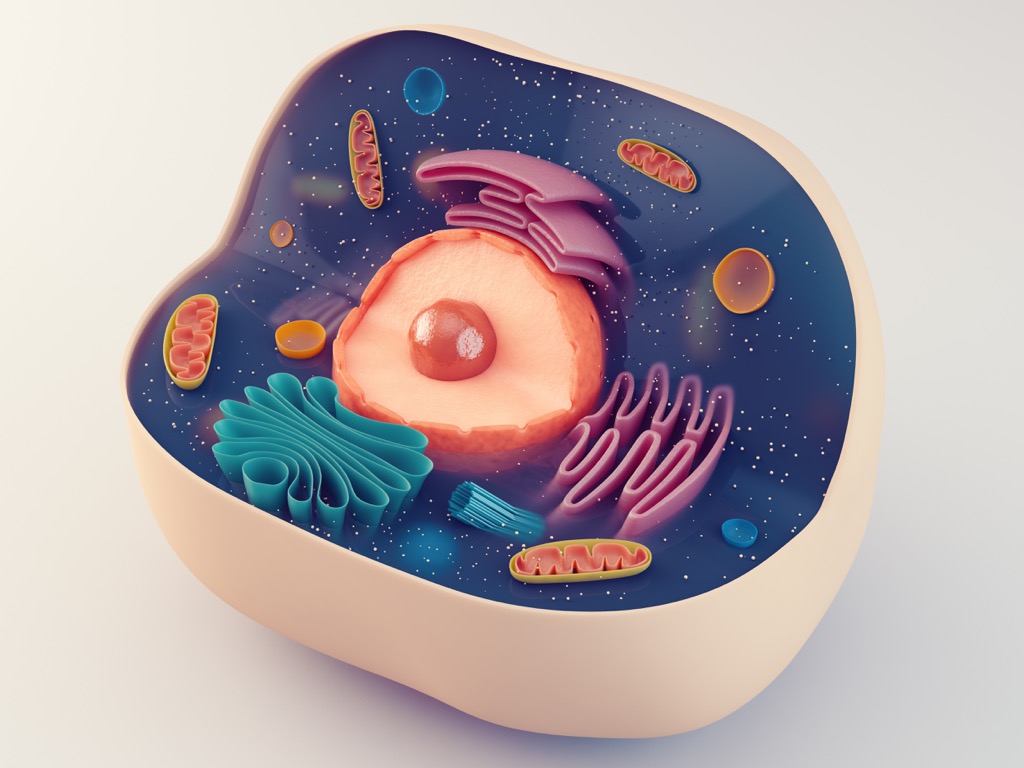
Every living thing on Earth is made up of cells. In fact, some are only made up of one cell.
Shutterstock
The membrane of a cell is semi-permeable, which means it is able to let some substances move in or out (like oxygen or water) while keeping other substances out completely.
Best Life
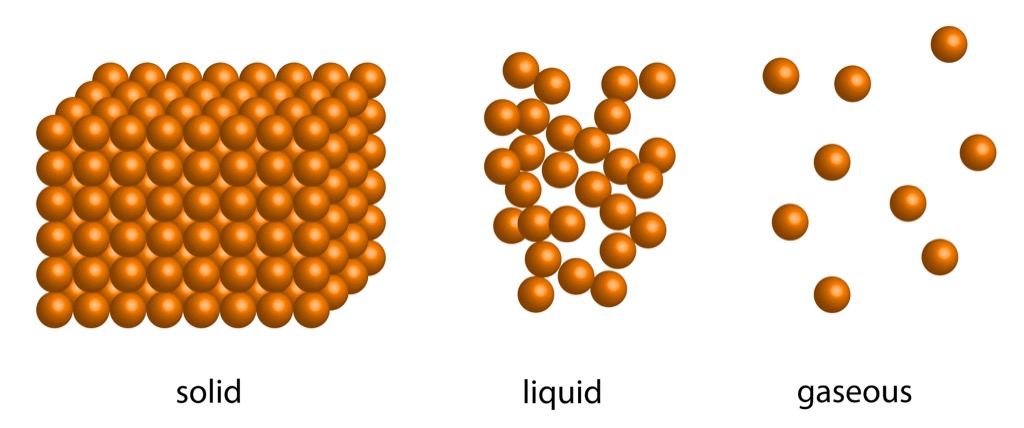
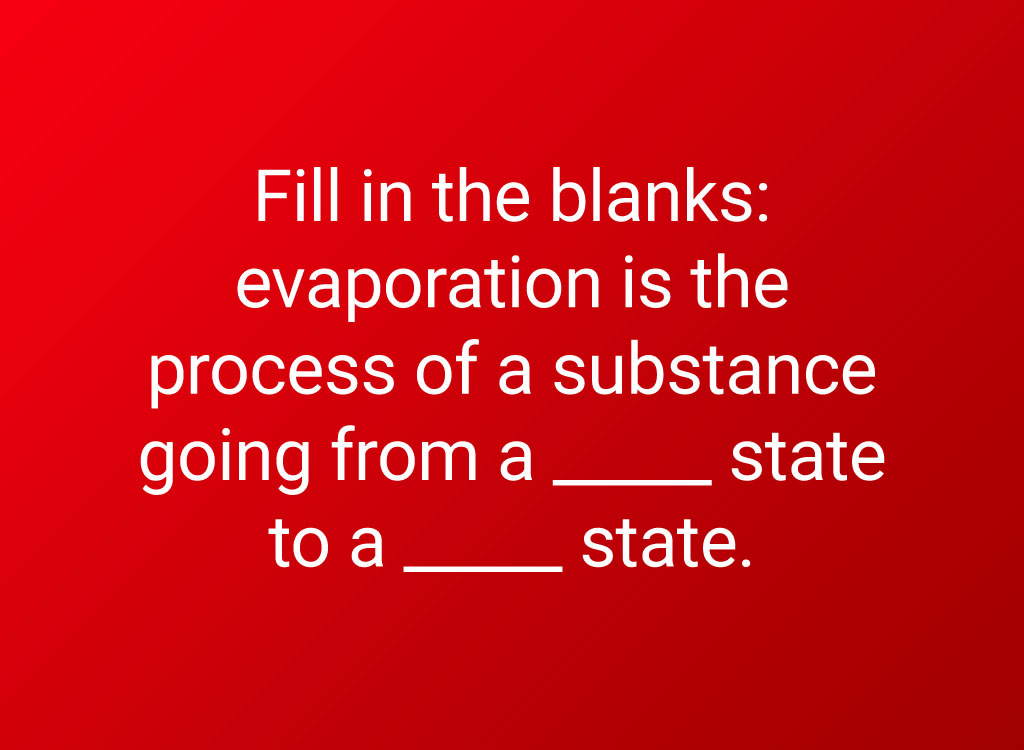
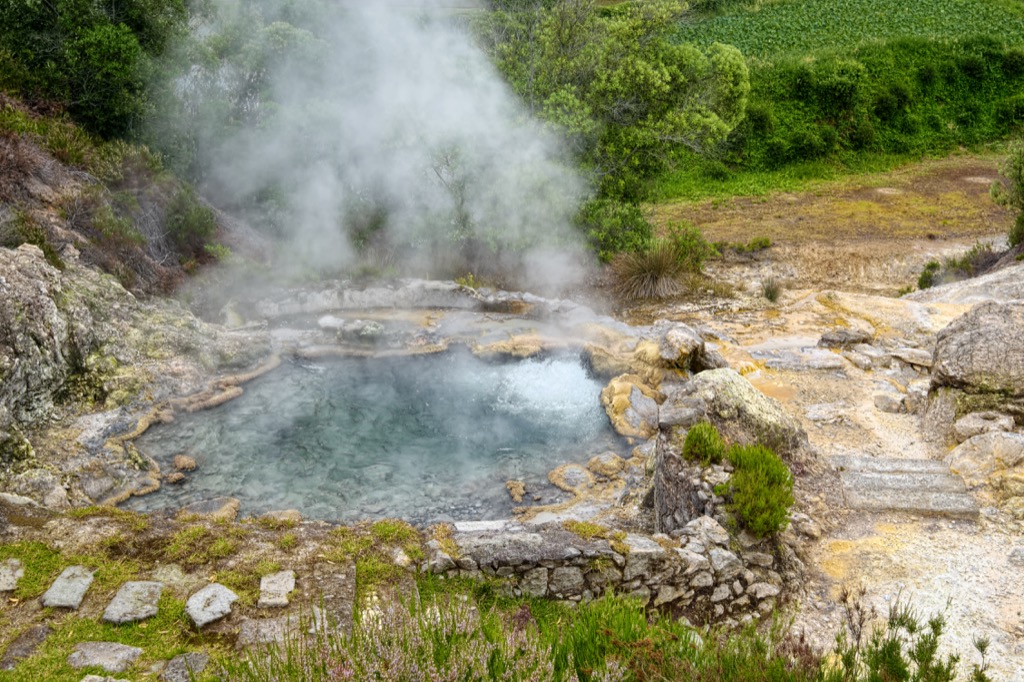
There are four states or phases of matter that we can observe in everyday life.
Shutterstock
The four states of matter are solid, liquid, gas, and plasma. What state a substance is in depends on temperature and pressure. If those conditions change, a substance may transition into a different state, like liquid water evaporating into water vapor.
Best Life
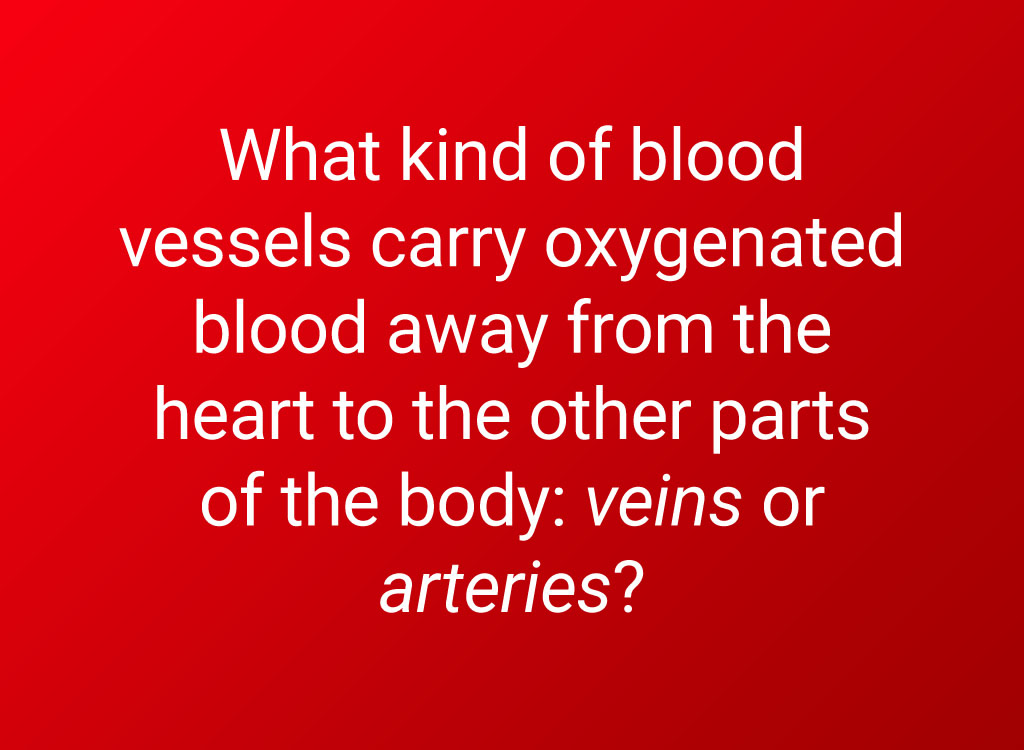
Veins and arteries are both part of the circulatory system, which uses blood to transport oxygen and nutrients around the body.

Shutterstock
Arteries carry blood from the heart to the rest of the body to deposit its oxygen, and veins carry the deoxygenated blood back to the heart to be pumped to the lungs for a refill. The oxygenated blood then goes back to the heart to be pumped into the arteries, and the cycle begins again.
Best Life
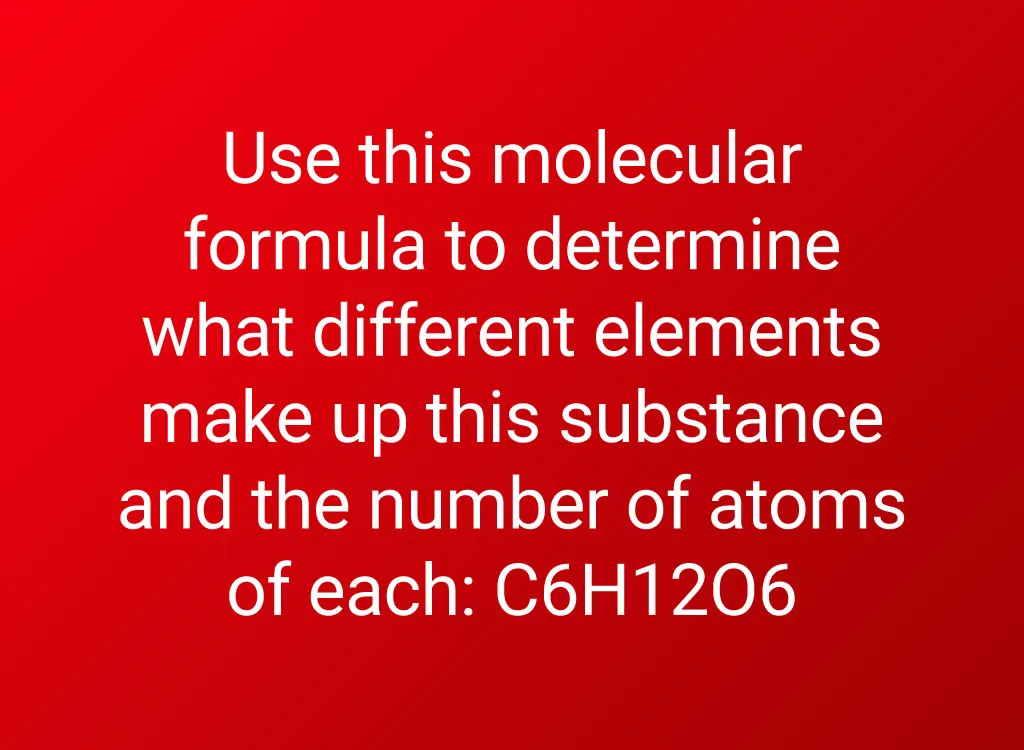
The more common name for C6H12O6 is glucose, a type of sugar. You probably already know the molecular formula of water: H2O.
Shutterstock
Chemical formulas are one way of showing the type and number of elements that make up a molecular substance. The letters refer to the elements on the periodic table, and the subscript numbers tell how many atoms of each element there are.
Best Life
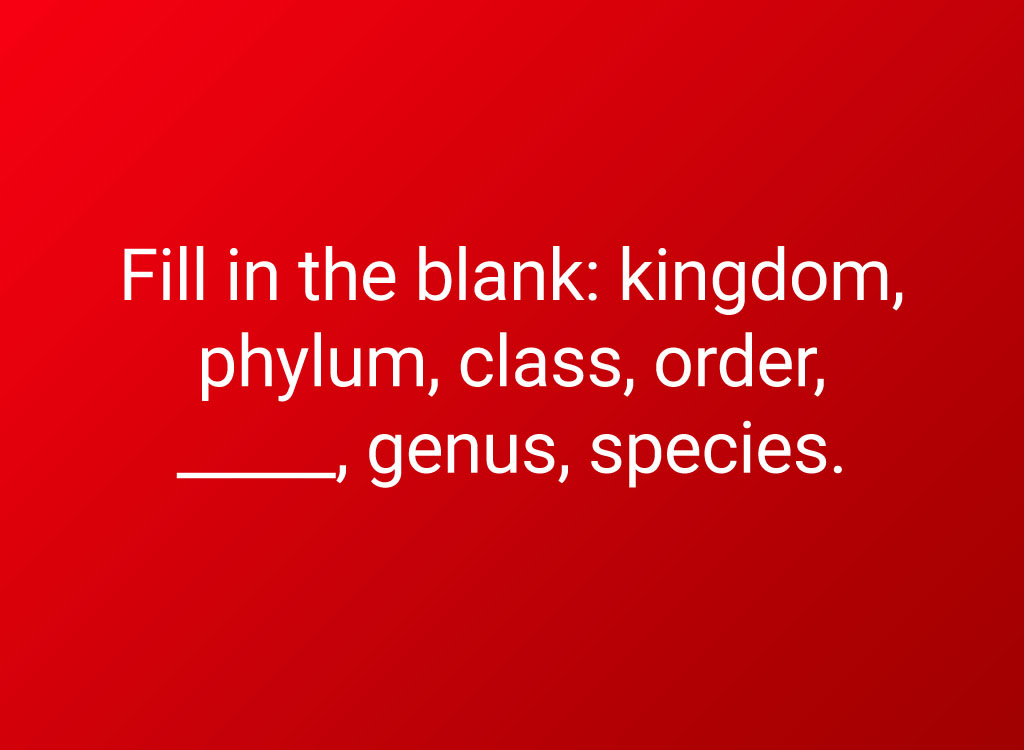
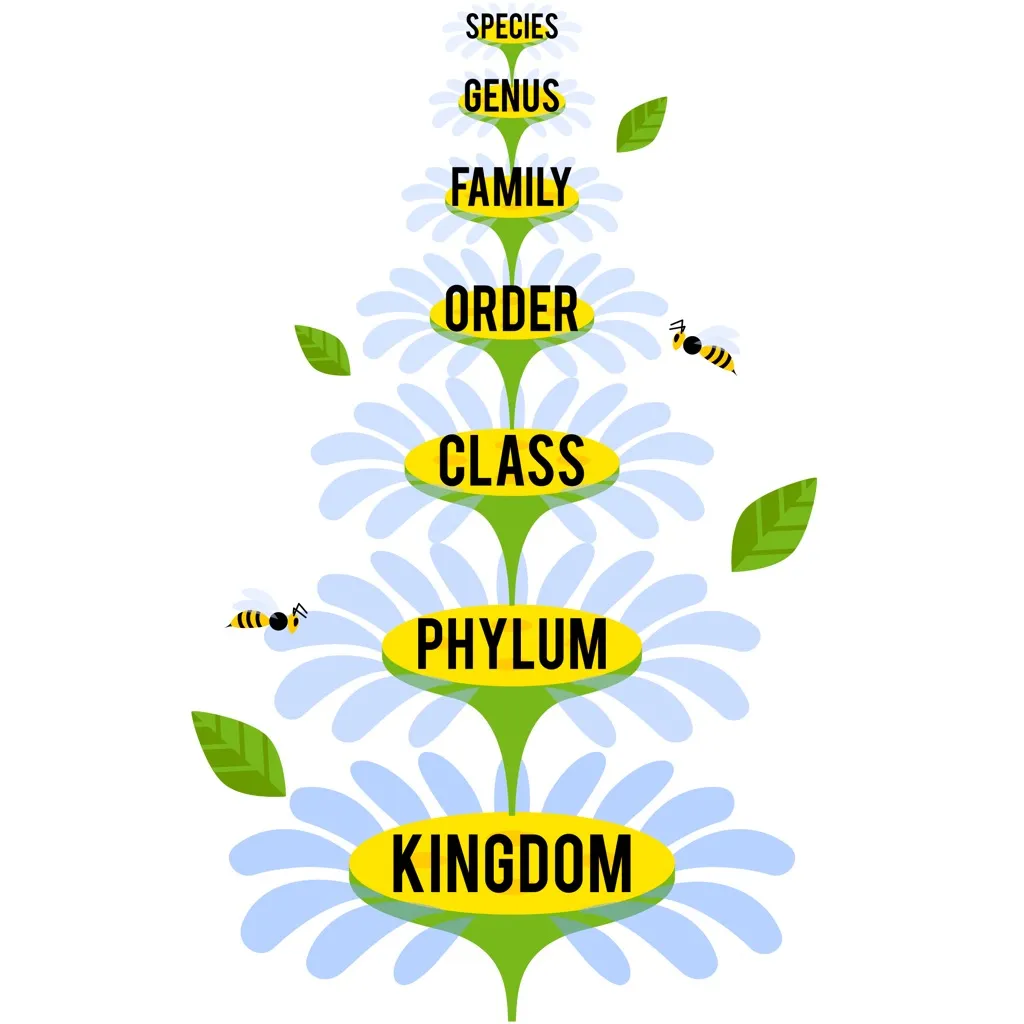
There are millions of species on Earth, and new ones are being discovered all the time. Science keeps track of these species and how they’re related to each other through taxonomy, a biological classification system.
Shutterstock
Modern taxonomy is structured like a tree, where a kingdom is like the trunk and the divisions get smaller and smaller all the way to individual species. Many people remember these classifications and the order from largest to smallest with the mnemonic device “ K ing P hillip c alled o ut f or g ood s paghetti.” The first letters of each word stand for the first letters of each classification.
Best Life
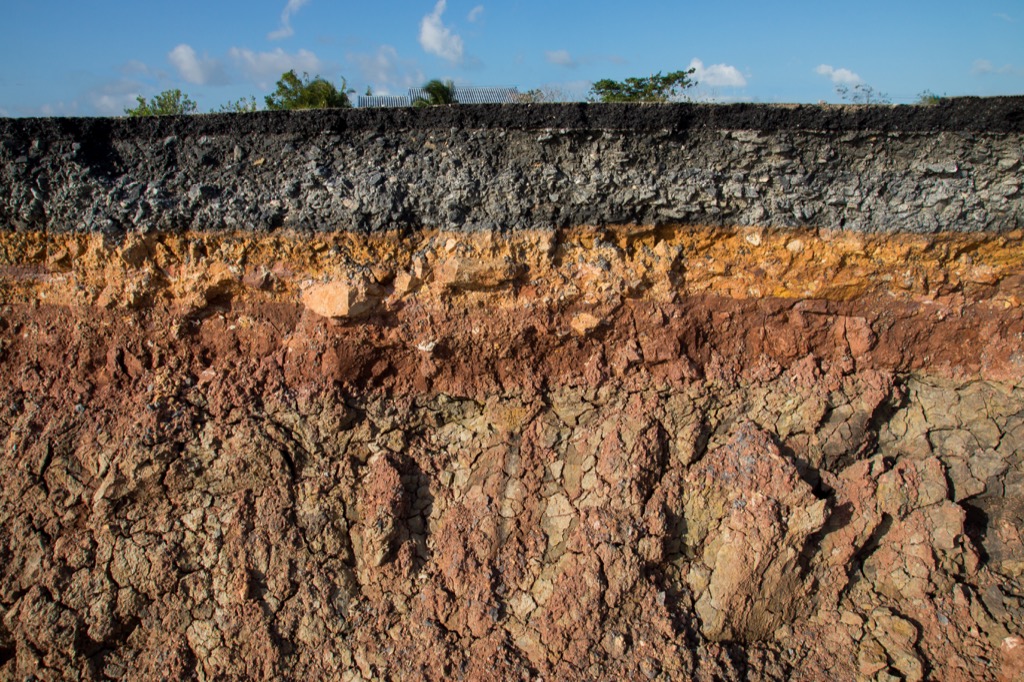
Most of the Earth’s inner layers are solid, but some exist in a liquid state. Some recent studies suggest that the liquid parts actually rotate faster than the solid parts do.
Shutterstock
From inside to outside, the Earth’s layers are the inner core, outer core, inner mantle, outer mantle, and crust. And, though we can’t drill past the outer mantle because of the extreme heat and pressure, scientists have observed seismic waves to understand what the inner layers must be made of.
Best Life
All types of animals and plants have a scientific name that consists of two words, the first capitalized, and both written in italics

Shutterstock
The fancy term for the scientific system of naming is “binomial nomenclature”—which just means that every type of creature gets two names. The first is its genus (broader taxonomic group) and the second is its species. The perhaps most famous binomial name of all is a dinosaur: Tyrannosaurus rex .
Best Life
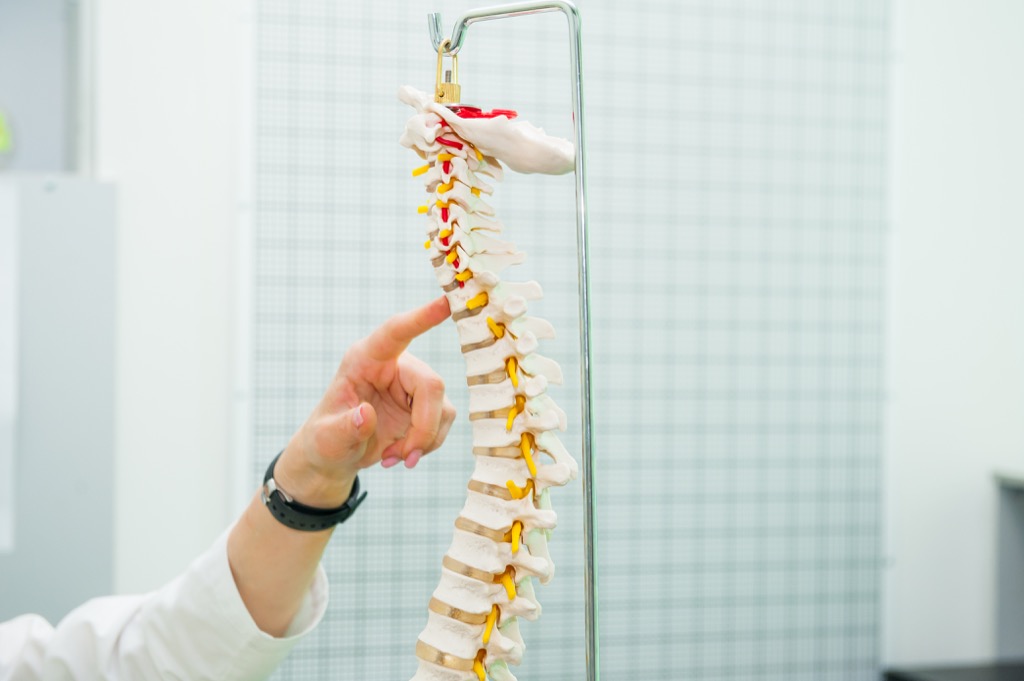
There are 206 bones in the adult human skeleton. Luckily, you don’t have to learn all their names unless you go to medical school!
Shutterstock
“Vertebrae” is the plural of vertebra, one of the many bones that stack on top of each other to form the spinal column. These bones have a hole in the middle to allow the nerves of the spinal cord to pass through.
Best Life
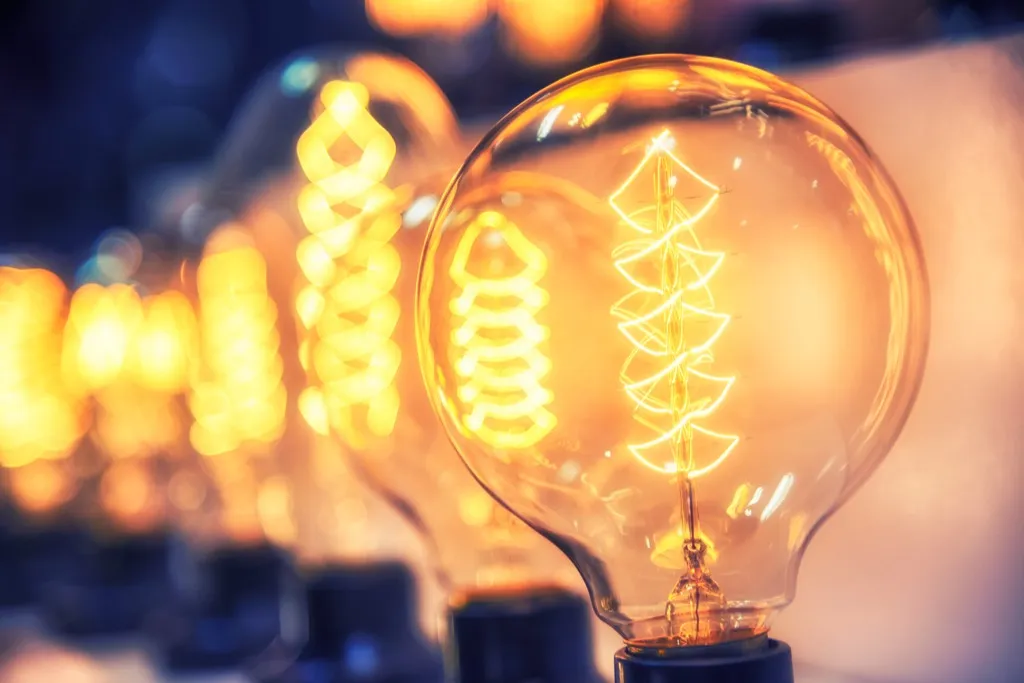
Electricity is the flow of charged particles, usually electrons, through a substance. This means that the tiniest subatomic particles can power even the biggest machines.
Shutterstock
The most common conductors are various types of metal, though electrolytes, plasma, and graphite also conduct electricity. Insulators include wood, plastic, glass, and paper. They are important because they allow us to direct and work with electricity without getting shocked.
Best Life
The food chain brings energy from producers (usually plants) to primary consumers (usually herbivores), and then to secondary and tertiary consumers (omnivores or carnivores).

Shutterstock
In this small food web, squirrels are primary consumers and foxes are secondary consumers. Poisoning the squirrels will affect the food chain from the primary consumers on up to the apex predators, including anything that might consume the foxes. Disturbing one link in a food chain also disturbs anything above it.
Best Life
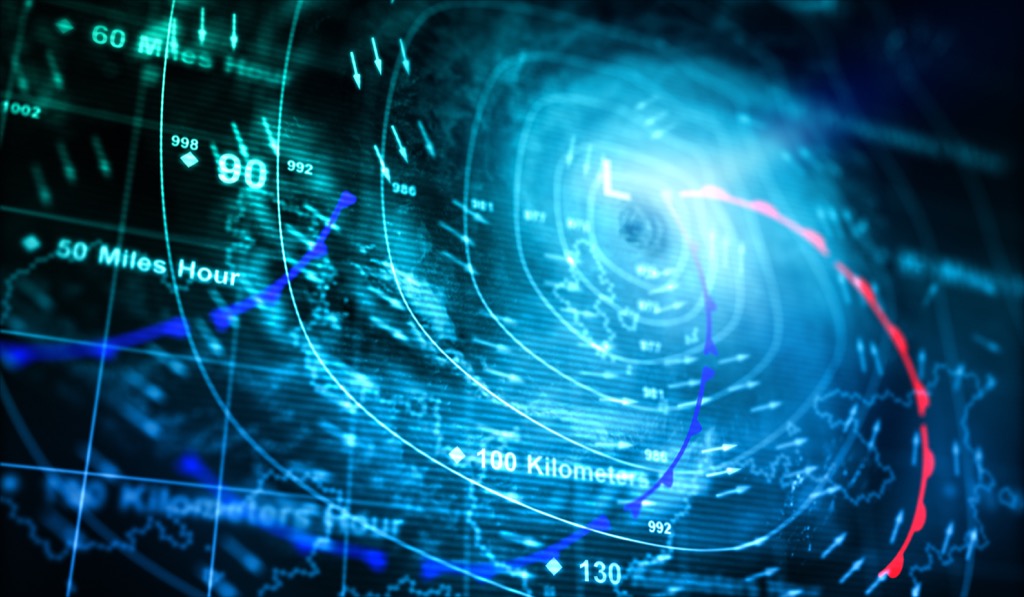
Large tropical storms in the Atlantic Ocean are called hurricanes, while similar storms in the western Pacific are called cyclones. Same storm, different name.
Shutterstock
As the winds of a hurricane rotate rapidly around a central point, the air sinks at that point so much that clouds cannot form there. As a result, the center or eye of a hurricane is free of both wind and rain.
Best Life
In case you’re wondering, the diaphragm is located under the lungs and helps you breathe in and out.

Shutterstock
Muscles you can control, like your tongue and bicep, are called voluntary muscles. Muscles that will keep working even if you aren’t awake to control them, like your heart and diaphragm, are called involuntary muscles.
Best Life
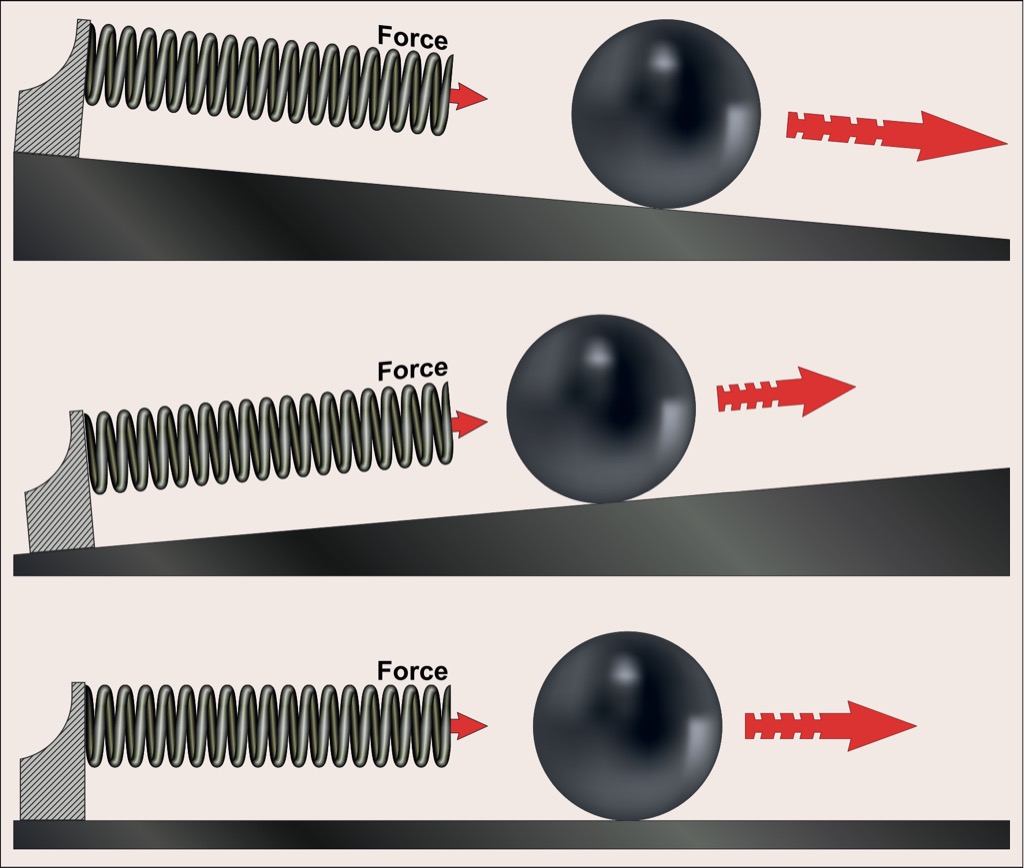
Although Albert Einstein’s theory of special relativity showed that Newton’s Laws don’t always work as you get close to the speed of light, all three remain in full force in the average science classroom.
Shutterstock
Also called the Law of Uniform Motion, this law lets you know that no object is going to change its velocity (speed plus direction) unless an outside force makes it do so. The reason a toy car, for example, stops even if it doesn’t run into anything is the result of the air around it slowing it down until it stops.
Best Life
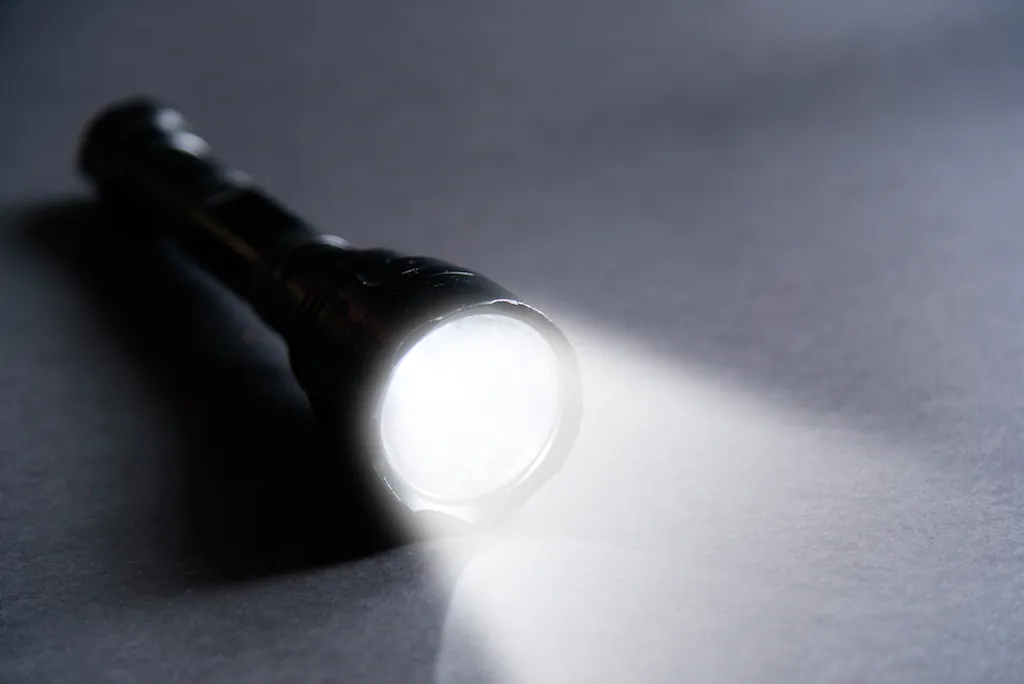
Both sound and light travel in waves and can bounce off solid objects, creating an echo (sound) or a reflection (light).
Shutterstock
Light not only travels faster than sound—it travels faster than anything else in the universe that we know about. You can experience this in action during a thunderstorm, since you will see a flash of lightning immediately, but the accompanying thunder will take a few seconds to catch up. And if these didn’t bust your brain, try your hand at the 30 Questions You’d Need to Ace to Pass 6th Grade Math.
