35 Accidental Inventions That Dramatically Changed the World

Ollyy/Shutterstock
Every day, we use products such as microwaves and matchboxes to make our lives easier. But believe it or not, these ingenious inventions and others that allow us to live out our lives hassle-free were not the product of trial and error but were created entirely by accident. Yes, you have serendipity to thank for a staggering amount of useful items in your life, ranging from delicious potato chips to the literally life-saving drug, penicillin. Herein, we’ve gathered some of the most life-changing products that were accidental inventions.
RELATED: 13 Bizarre Facts About Friday the 13th You Never Knew .
35 Inventions That Were Created Accidentally
1. The Microwave Oven

Andrey_Popov/Shutterstock
Percy LeBaron Spencer was working on magnetrons—high-powered vacuum tubes that generate short radio waves called microwaves—when he accidentally discovered microwave cooking . The engineer was doing his job as usual when he noticed that the candy bar in his pocket had melted. Quickly Spencer realized that it was the magnetrons that were causing this phenomenon. By 1945, he had filed a patent for his metal cooking box powered by microwaves .
2. Post-It Notes

GCapture/Shutterstock
As the Post-it website tells it, 3M scientist Dr. Spencer Silver was doing research on strong adhesives when he came across quite the opposite: one that “stuck lightly to surfaces but didn’t bond tightly to them.” Silver initially had no idea what to do with his discovery, but years later another 3M scientist, Art Fry , came to him with the idea to create a bookmark that could stick to paper without damaging it. Eventually, that bookmark became the Post-it note.
3. The First Artificial Sweetener
SpeedKingz/Shutterstock
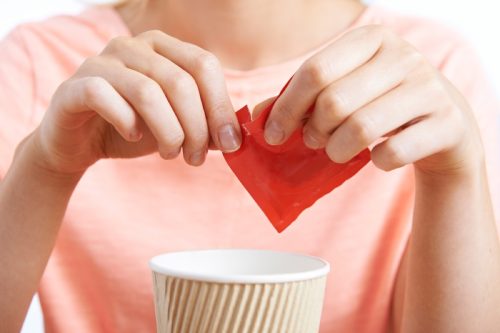
Saccharin, the first artificial sweetener, was discovered in 1878 by Constantin Fahlberg . The Russian chemist was working in the lab of chemistry professor Ira Remsen when he accidentally tasted some of the chemicals he was working with and realized how sweet they were. After some experimentation, Fahlberg concluded that the sugariness was caused by the reaction of o-sulfobenzoic acid with phosphorus (V) chloride and ammonia to create benzoic sulfimide—or, saccharin.
4. Penicillin
luchschenF/Shutterstock
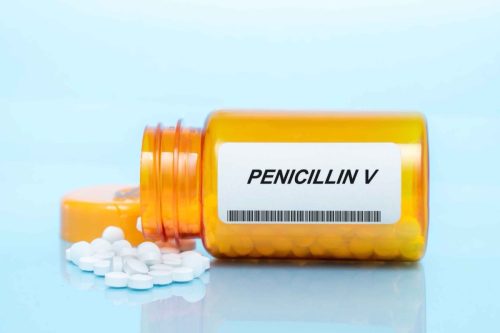
Discovered in 1928, penicillin was one of the world’s first antibiotics, but the man who discovered it— Dr. Alexander Fleming —never actually meant to “revolutionize all medicine,” as he later described it. Rather, Fleming came across the antibiotic entirely by chance when he left out cultures of Staphylococcus aureus in a petri dish in his lab for two weeks and returned to find that their growth had been prevented by a mold called Penicillium notatum.
5. Chocolate Chip Cookies
Martin Gardeazabal/Shutterstock
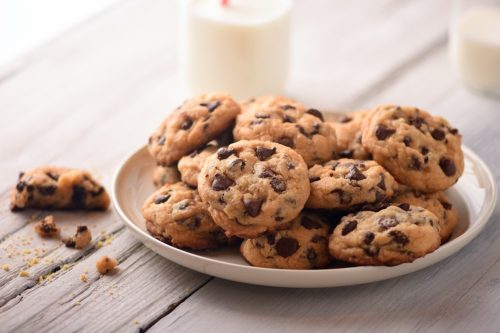
It’s hard to imagine a world without chocolate chip cookies, but the delectable dessert wasn’t actually invented until 1930. On the day that the cookies were created , Ruth Graves Wakefield , co-owner of the Toll House Inn, was preparing some chocolate cookies for her guests when she realized that she was out of baker’s chocolate. Thinking on her feet, Wakefield decided to chop up a Nestle semi-sweet chocolate bar, assuming that it would melt and spread evenly throughout the batter. Instead, what came out of the oven was the very first batch of chocolate chip cookies, and modern dessert was never the same.
RELATED: 46 Airplane Facts You Should Know Before Booking Your Next Trip .
6. The X-ray Machine
Peakstock/Shutterstock
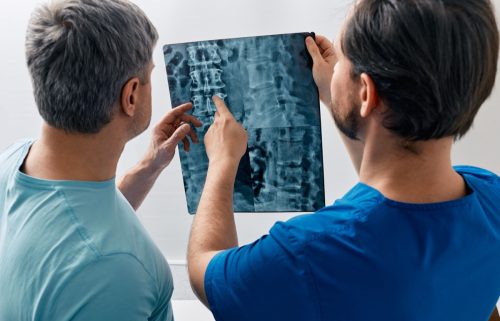
On Nov. 8, 1895, physicist Wilhelm Conrad Rontgen was in his laboratory in Wurzburg, Germany, experimenting on a vacuum tube covered in cardboard when he noticed a mysterious glow emanating from a chemically coated screen nearby. Confused and intrigued, he named the new rays causing this glow X-rays due to their unknown origin—and after playing around some more with the new rays, he discovered that putting his hand in front of the glow allowed him to see past his skin to his bones, thus leading to the world’s first X-ray.
7. Super Glue
dlktsw/Shutterstock
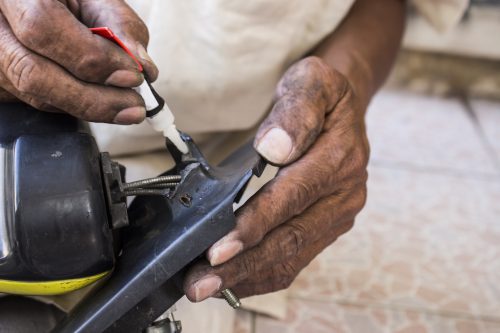
Back in 1942, Harry Coover was looking for materials he could use to build clear plastic gun sights for the war, but what he discovered instead was a chemical formulation that stuck to everything it touched. However, his discovery was rejected because researchers didn’t see a need for such a sticky formula, and it wasn’t until 1951 that the same formula was embraced and repurposed by Coover and fellow Eastman Kodak researcher Fred Joyner as “Alcohol-Catalyzed Cyanoacrylate Adhesive Compositions/Superglue,” as the patent reads.
8. The Implantable Pacemaker
pics five/Shutterstock
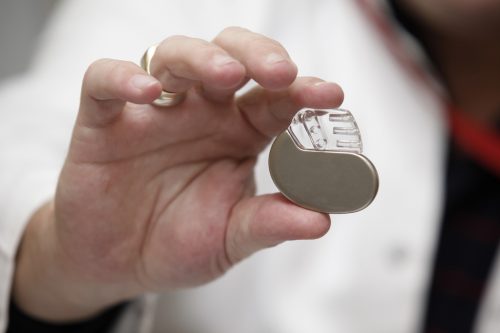
An adjunct professor of engineering at the University of Buffalo, Wilson Greatbatch accidentally invented the pacemaker in 1956. When working on building equipment intended to record heart sounds, the scientist used the wrong transistor and discovered that instead of recording sounds, his device gave off an electrical pulse, mimicking that of the heart . Greatbatch presented his invention to William Chardack , a surgeon at Buffalo’s Veterans Administration Hospital, in 1958, and together the two were able to successfully control a dog’s heartbeat and, in 1960, a human’s.
9. Potato Chips

Farknot Architect/Shutterstock
One of America’s most popular snack foods, the potato chip was invented in 1853 by George Crum , a chef at the Moon Lake Lodge Resort in Saratoga Lake, New York, when one of his customers complained that their French-fried potatoes were too thick and mushy. As legend has it, Speck’s solution was to thinly slice and fry some potatoes until brown, and the patrons loved what was to become the first-ever batch of chips .
10. Teflon
Lupe Rodriguez/Shutterstock
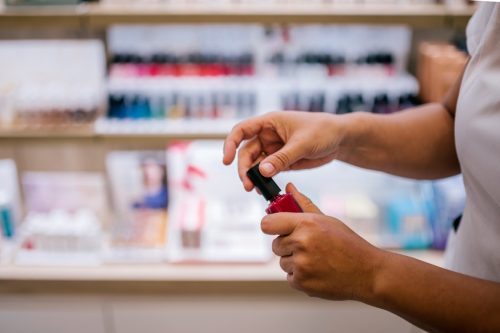
You might not recognize it by name, but Teflon is a synthetic polymer used to make everything from non-stick cooking pans to nail polish. And though it’s a genius invention that changed the way we cook, clean, and groom ourselves, the man who discovered the product— Roy J. Plunkett —did so completely by accident.
The scientist was working at the DuPont Company’s Jackson Laboratory in 1938 researching refrigerants (which help to supply air conditioning and refrigeration) when he noticed that some of his gas had turned into a white power. After some testing, Plunkett concluded that the substance was heat-resistant with low surface friction, giving it the perfect properties for the many uses we see today.
RELATED: 22 Secrets of the One-Dollar Bill .
11. Champagne

G-stock studio/Shutterstock
Because they lived in such high altitudes, the monks of Champagne had plentiful access to all the best grapes. The problem? When the temperatures plummeted in the colder months, the fermentation process on the wine would stop temporarily—and when it began again in the spring, there would be an excess of carbon dioxide inside the wine bottles, which would give the wine unwanted carbonation.
In 1668, the Catholic Church decided that it was time to handle the situation, and so they brought a French monk named Dom Pierre Perignon over to Champagne to fix the fermentation problem. However, by the end of the 17th century, people had decided that they actually enjoyed this drink, and Perignon’s task thusly changed into making the wine even fizzier. Eventually, Perignon developed the official process for making champagne known as the French Method, crowning him the inventor of the celebratory sip.
12. Chewing Gum

Africa Studio/Shutterstock
Though variations of chewing gum have been around since ancient Greece, the gum that we know today wasn’t invented until the late 1800s. It was then that an American inventor named Thomas Adams, Sr. stumbled upon the chewy treat —but only after first trying and failing to turn chicle (the substance that gum is made out of) into rubber.
13. Popsicles

etorres/Shutterstock
Believe it or not, the popsicle’s creator was none other than an 11-year-old boy named Frank Epperson , who simply mixed some soda powder with water and left it out overnight with the stirrer still in entirely by accident. When he woke up in the morning, Epperson decided to lick his frozen soda blend, and he found that it actually tasted, well, pretty delicious. Originally, the young entrepreneur declared his concoction the Epsicle (combining the word icicle with his name), but he later amended the name to popsicle , as children would refer to the ice pops as “Pop’s ‘Sicle” anyway.
14. Coca-Cola
Maglara/Shutterstock
The man who created the syrup for Coca-Cola was not a chef—or even in the food industry. Rather, the soda’s inventor was a pharmacist by the name of Dr. John Stith Pemberton , who was seeking to create a cocaine-and caffeine-filled alcoholic drink that people with chemical addictions to drugs (including himself) could use to wean off of morphine and other drugs. However, when Prohibition hit, Pemberton was forced to take the alcohol out of his formula (though the cocaine remained for decades), and thus the first bottle of Coca-Cola was made in 1886.
15. Dynamite
New Africa/Shutterstock
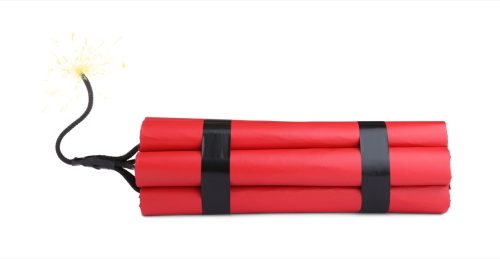
Though the explosive substance nitroglycerin was invented by Ascanio Sobrero , it was Alfred Nobel who used it to make dynamites. While in Paris, Nobel began to experiment with nitroglycerin, and eventually, he accidentally found a way to tame the substance by mixing it with kieselguhr —though in the process, many people lost their lives, including Nobel’s brother Emil.
RELATED: 54 Hilarious and Random Facts You’ll Want to Tell Your Friends .
16. Matches

Stas Malyarevsky/Shutterstock
In 1826, chemist John Walker discovered what are now matchsticks when he accidentally scraped a stick coated in chemicals across his hearth and found that it caught fire. Walker’s “Friction Lights,” as he called them, were originally made out of cardboard, but eventually, he switched over to using wooden splints and sandpaper.
17. Viagra
Photoroyalty/Shutterstock
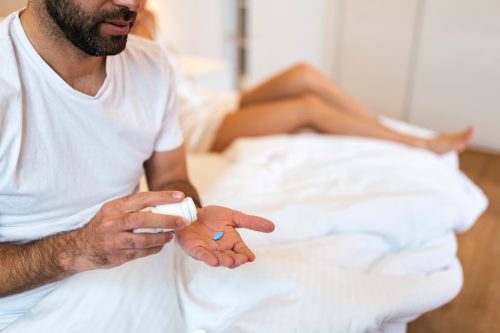
Though Viagra is one of the fastest-selling drugs of all time, its current use is a far cry from what it was originally made for. Evidently, when Viagra was in its trial phase, it was actually marketed as a treatment for angina , a heart condition that causes pressure in the chest. And though the drug proved to be ineffective at helping angina patients, study participants did find that the little blue pill was able to increase the frequency and potency of erections.
18. Safety Glass
DC Studio/Shutterstock
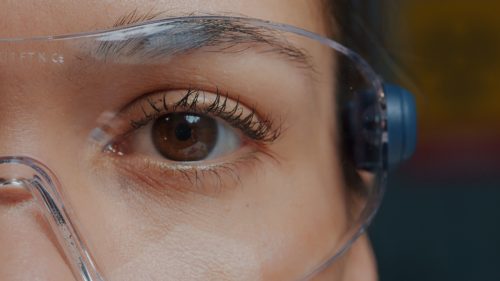
One fateful day in 1903, scientist Edward Benedictus was working in his lab when he accidentally knocked over a flask. However, when Benedictus looked down, he noticed that rather than breaking into a million little pieces, the glassware had actually just cracked slightly while maintaining its shape. After looking into it a bit further, the scientist learned that what had kept the glass together was cellulose nitrate coating the inside of the glass—and thus, safety glass was created.
19. Brandy
5PH/Shutterstock
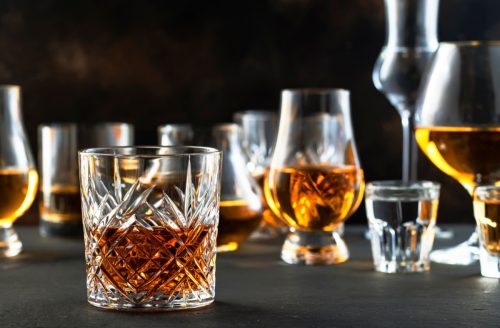
In the 16th century, a Dutch shipmaster was trying to make wine easier to transport, and so he decided to use heat to concentrate the alcohol , with a plan to add water to it once he arrived at his destination. However, what he discovered was that the taste of concentrated wine is much better than that of watered-down wine, so he forewent the water part of his plan and called his new alcohol brandewijn, meaning “burnt wine” in Dutch.
20. Quinine
Obashini Lakshika/Shutterstock
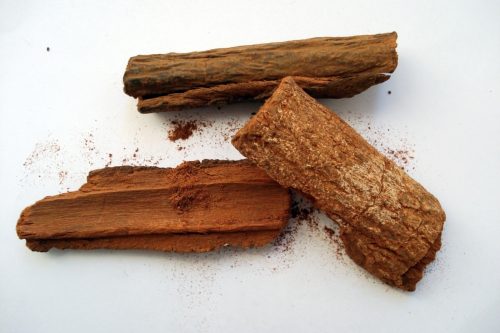
Quinine, the anti-malarial drug composed primarily of cinchona tree bark, was allegedly discovered by an Indigenous South American. While suffering from malaria, the man accidentally consumed some cinchona bark—thought to be poisonous—via a pool of water, and miraculously he started to feel better almost immediately.
RELATED: 37 Weird Facts About the Human Body That Will Blow Your Mind .
21. The Pap Smear

RossHelen/Shutterstock
While observing a slide of cells taken from a woman’s uterus, Dr. George Nicholas Papanicolaou came up with the idea for the Pap smear to test for cancer. Originally Papaniculaou’s intention was simply to observe cellular changes during a woman’s menstrual cycle, but during his study, he discovered that one of his patients had uterine cancer—and that her cancer cells could easily be viewed under a microscope.
22. Dry Cleaning
deepblue4you/iStock
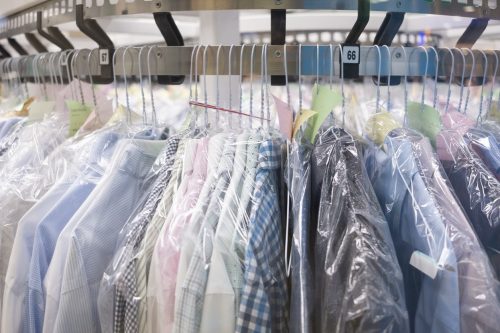
Though the inventor of dry cleaning, Jean Baptiste Jolly , did work in the clothing industry as a textile maker, his discovery of a revolutionary new cleaning method was completely by accident. It was only when his maid accidentally knocked a kerosene lamp over onto a tablecloth that Jolly observed that the kerosene actually made the cloth cleaner, thus spawning the idea for the very first dry cleaner.
23. Vulcanized Rubber
Tob1900/Shutterstock
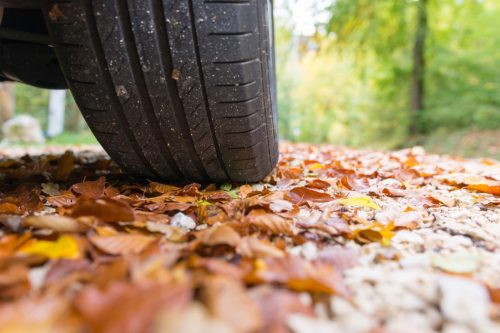
Vulcanized rubber, used to make durable things like car tires, was accidentally invented in 1839 by Charles Goodyear . Though he had been trying to create a weatherproof rubber for years, he was only successful in doing so when he accidentally dropped some regular rubber mixed with sulfur onto a hot stove and found that it still maintained its structure.
24. Vaseline
Diade Riva Nugrahani/Shutterstock
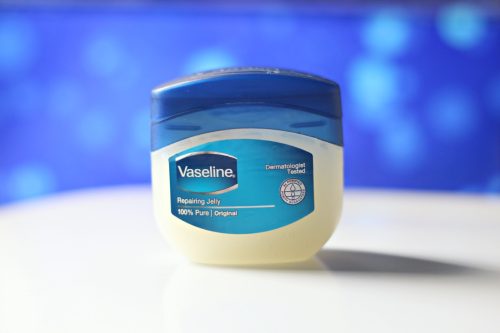
Excited about the possibilities of what could be made with petroleum, 22-year-old chemist Robert Augustus Chesebrough decided to head to the town where the product had been discovered to play around with it a bit. While there, Chesebrough observed that the men drilling the petroleum would use a byproduct of the process on their skin to soothe and heal cuts and burns , and he turned this observation into the product known today as Vaseline.
25. The Ice Cream Cone

Foxys Forest Manufacture/Shutterstock
Today, ice cream fanatics have a choice between enjoying their treat in a cup or a cone, but that wasn’t always the case. According to the stories, it wasn’t until the 1904 St. Louis World’s Fair that someone came up with the idea to spin a wafer-like waffle into the shape of a cone, and this idea was birthed simply out of necessity. When an ice cream vendor at the fair ran out of dishes to serve his ice cream in, the vendor next to him—named Ernest A. Hamwi —came up with the idea to shape his waffles into cones as vessels for the frozen treat.
RELATED: 35 Disney Facts That Will Bring Out Your Inner Kid .
26. Botox Treatment
Wild As Light/Shutterstock
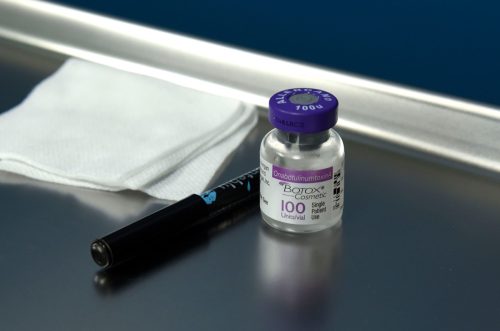
In the ’80s, a San Francisco ophthalmologist was testing out new treatments for crossed eyes —and though he found it, what he also discovered was that his treatment had miraculous face-lifting side effects, leading to the creation of Botox .
27. Tea Bags
eriyalim/Shutterstock
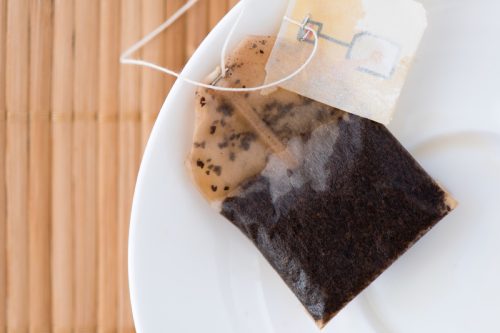
Though two women first filed a patent in 1901 for a “Tea-Leaf Holder” made out of mesh, the invention of the modern tea bag is credited to tea merchant Thomas Sullivan . In 1908, Sullivan began shipping samples of his tea out in small silk pouches —and though his intention wasn’t for people to use these as tea bags, customers did so anyway, and they loved the convenience of it.
28. The Safety Pin
Brilliantist Studio/Shutterstock
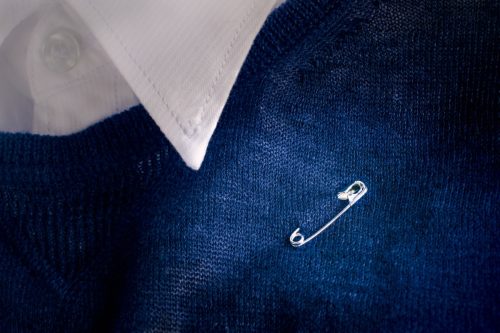
Supposedly, inventor Walter Hunt was sitting at his desk trying to figure out a way to pay off some debts when he started to futz around with some wire. As he played around with the scrap of metal, he discovered that when coiled, it could clasp to itself and unclasp again— and on April 10, 1849, Hunt patented his idea for the safety pin .
29. Silly Putty
Yuccadruid/Shutterstock
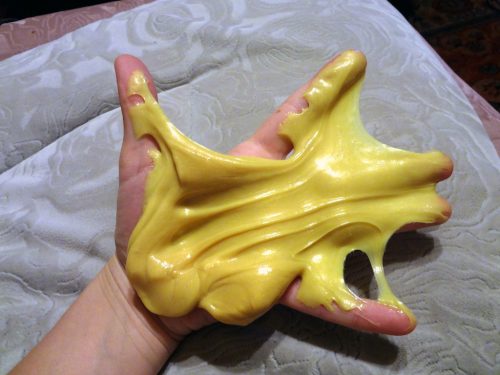
During World War II, engineer James Wright was tasked with inventing a cheap alternative to synthetic rubber. While working on finding a substitute, Wright dropped boric acid into silicone oil and discovered that the resulting product was stretchy and bouncy, with the added bonus of being able to copy words from newspaper clippings and comic strips. However, Wright’s employers weren’t impressed by his “ nutty putty ,” and it wasn’t until a few years later that businessman Peter Hodgson saw the potential in it.
30. Bubble Wrap
ajt/Shutterstock
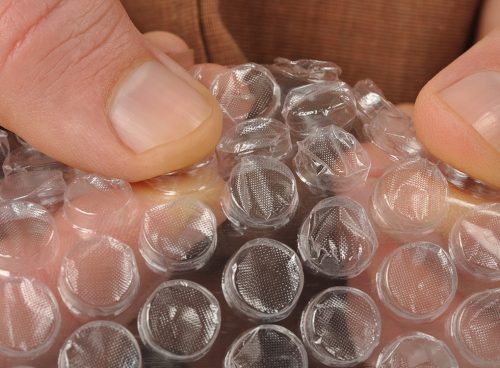
Engineers Alfred Fielding and Marc Chavannes did invent bubble wrap on purpose—but when they made it, the intended use for the product was all wallpaper, not as packing material. However, when their bubbly wallpaper proved to be unsuccessful, the two entrepreneurs decided to pivot and market their product instead as greenhouse insulation and later, in 1960, as protective packaging.
RELATED: 75 Weird Animal Facts Everyone Should Know .
31. French Fries
New Africa/Shutterstock
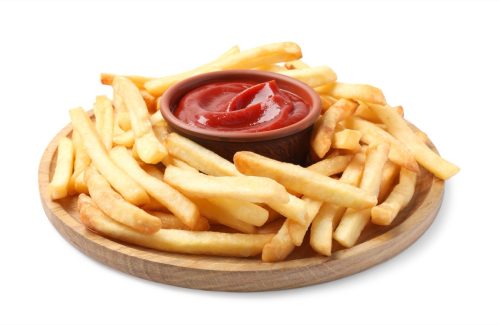
The name may suggest otherwise, but it’s actually the Belgians who claim to have invented this classic potato dish. According to local lore , the whole thing kicked off back in the winter of 1680 when rivers froze, leaving the fried-fish-eating population without anything to eat. To help keep everyone fed, they decided to use potatoes instead, making sure to cut them into long segments before throwing them in the fryer.
32. Velcro
Josep Curto/Shutterstock
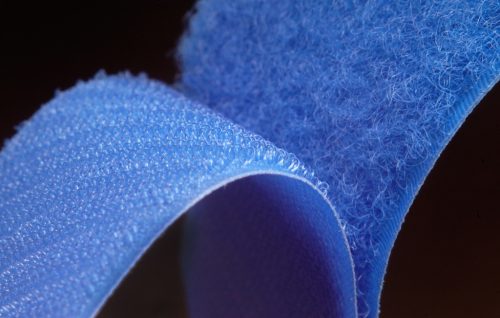
Have you ever gone for a walk in the woods and come back with something stuck to your pants? Well, the same thing happened to a Swiss engineer named George de Mestral when hiking the Jura Mountains back in the ’40s. He later placed the debris under a microscope to better understand how the hooks engaged the loops in the fabric of his pants. After consulting a few friends, he was able to recreate the process using velvet and crochet , or what we now know as “Velcro.”
33. The Slinky
Seika Chujo/Shutterstock
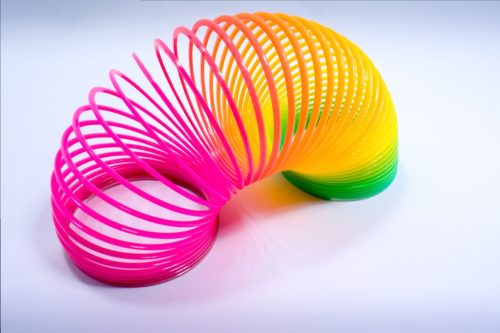
Richard James was an engineer back in the ’40s, though his most notable discovery came about entirely by accident. At the time, he was trying to create a system of springs that would keep sensitive ship equipment steady at sea. He knocked some of the materials off of a shelf by accident and was amazed by the way they “walked” down instead of falling. He consulted his wife and the two of them worked to turn this accidental invention into the world’s next hit novelty toy.
34. PLAY-DOH

fotorawin/Shutterstock
Kutal Products was once one of the world’s largest manufacturers of wallpaper cleaner, but profits started to slip once heating homes with coal began to fall out of favor. Then, one of the heads of the company received a call from his sister-in-law about how the putty they used could be used for molding projects instead. At the time, she was a nursery school teacher and was able to test out the nontoxic material with her students, who loved playing with the product. Fast forward to today, and “Play-Doh” has become one of the most popular toys of the 20th century.
35. Smoke Detectors
Alexander Kirch/Shutterstock
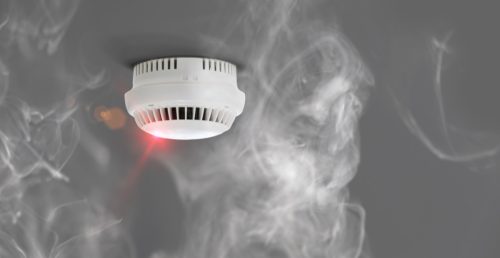
Swiss physicist Walter Jaeger accidentally invented the smoke detector in the late ’30s. At the time, he was working on a sensor that could identify poison gas. It wasn’t until he lit a cigarette that he realized the invention was better at picking up smoke particles instead. Unfortunately, it proved too expensive to be mass-produced and sold commercially at the time. It would take about another 40 years for smoke detectors to be made cheaply enough to be regularly installed in homes.
Wrapping Up
46 Airplane Facts You Should Know Before Booking Your Next Trip
Have a nice day Photo / Shutterstock
You may be a seasoned flyer with foolproof strategies for scoring overhead compartment space, getting upgrades, or taking a snooze when you hit cruising altitude, but even the most intrepid airplane travelers can be in the dark when it comes to what actually goes on in and around the cabin. Below, we’ve put together 46 fascinating airplane facts to answer all your questions about flying the friendly skies.
READ THIS NEXT: 38 Ocean Facts That Will Blow You Out of the Water .
Facts About Airplanes That’ll Make Your Mind Soar
Why don’t aircraft tires burst on impact? How dangerous is it when a plane loses an engine? Is that airplane water really safe to drink? Read on to find out!
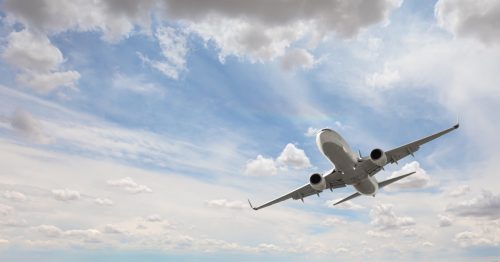
1. Some planes can fly for more than five hours after one of their engines goes out.
muratart / Shutterstock
ETOPS—or extended twin operations—is a designation that indicates the length of time a twin-engine plane can safely cruise with one inoperative engine. In 2014, the Boeing 787 Dreamliner earned 330-minute ETOPS certifications, meaning it can stay safely operational on just one engine for more than five hours before needing to land.
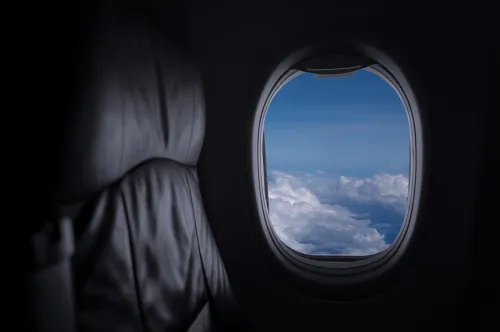
2. If someone dies on your flight, their body might stay in the airplane cabin with you.
24Novembers / Shutterstock
Though you might assume there’s a standard procedure to follow if a passenger passes away mid-flight, what actually happens to your dearly departed cabin-mate varies greatly by airline and type of plane. While certain planes, like Singapore Airlines’ Airbus A340-500 aircraft, were built with a special place to store bodies , according to one flight attendant , on many flights, the body will simply be moved to a back row and covered—except the head—until medical professionals on the ground can attend to the deceased.
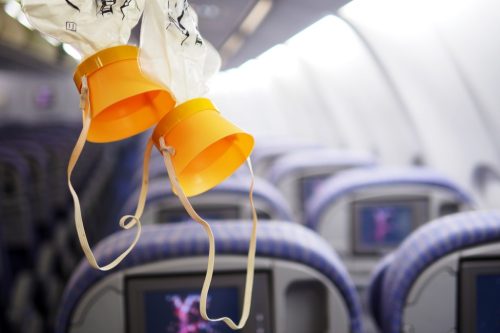
3. In-flight oxygen masks aren’t intended to last the whole flight.
litabit / Shutterstock
In fact, according to a report from the Air Accident Investigation & Aviation Safety Board , those masks only provide 12 minutes of continuous airflow on a 737. Luckily, that’s typically just the amount of time needed for your flight to find a safe landing spot.
4. Pilots frequently fall asleep on the job.

Krakenimages.com / Shutterstock
So, who’s flying your plane, exactly? Maybe no one—at least for portions of the flight. According to a 2013 report by the British Airline Pilots Association (BALPA), among a group of 500 pilots polled, 43 percent admitted to accidentally falling asleep while manning the plane, while 31 percent admitted to waking up from a nap to find their co-pilot sleeping, as well.
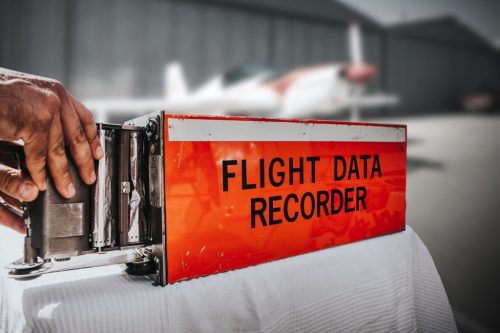
5. Black boxes aren’t actually black.
David MG / Shutterstock
The black box, also known as the Flight Data Recorder, is actually painted bright orange. The heat-resistant paint used to coat the boxes’ exteriors comes in a highlighter-orange hue, which also happens to make them easier to find in case of an accident .
6. Airplane air is significantly drier than any you experience on Earth.
Andrey_Popov / Shutterstock
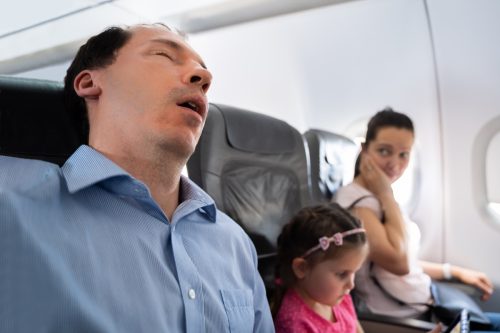
While the Mojave Desert in the Western United States often has humidity levels up to 50 percent, you’ll get just a fraction of that moisture aboard a plane. In fact, according to the World Health Organization, the humidity aboard your average aircraft hovers under 20 percent.
7. A Boeing 747 is more fuel-efficient than your car.
Skycolors / Shutterstock
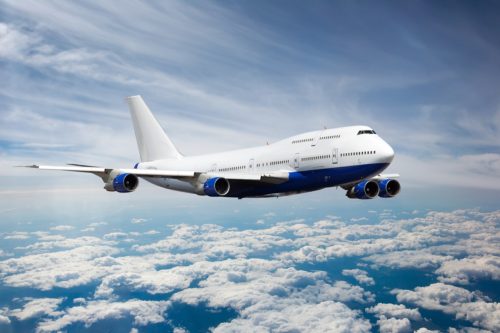
The Boeing 747 burns about one gallon of fuel every second, or five gallons per mile. Reversing this gives us the figure of 0.2 miles per gallon of fuel. This is much lower than the average car’s fuel efficiency at about 25 miles per gallon. But, considering the number of passengers the 747 carries, it is far more efficient. This breakdown explains that, because the plane can carry about 500 people, it’s actually getting 100 miles per gallon per person.
8. A hijacker once relinquished control of a flight for beer.
Bychykhin Olexandr / Shutterstock
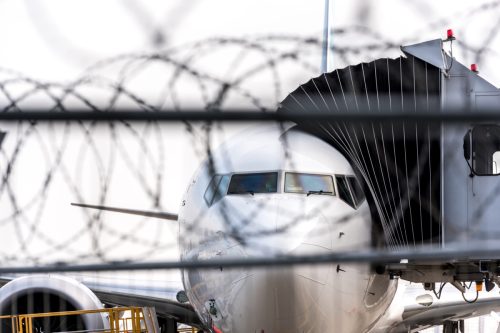
In 1985, an ex-con who hijacked a Norwegian Boeing 737 armed with a pistol decided to abandon his plan so long as the police were willing to give him one thing: beer. The plane landed safely at Fornebu Airport in Oslo, none of the 115 passengers on board were harmed, and the hijacker was arrested.
9. An engineer designed a plane with a detachable cabin to save passengers.
pattang / Shutterstock
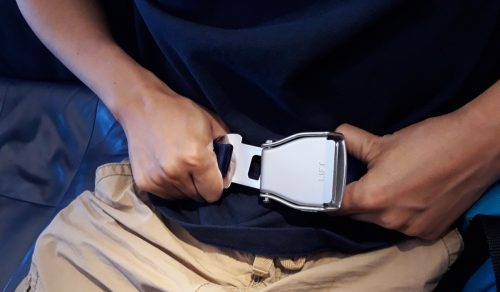
In 2016, a Ukrainian aero-engineer unveiled a system that would allow pilots to eject a plane’s cabin in the event of an engine failure. After ejection, the cabin would deploy parachutes to safely lower passengers to the ground. But as it turns out, most crashes don’t happen due to engine failure. Because issues tend to take place during takeoff and landing, this would leave very little time for the pilots to successfully eject the cabin and save passengers. A for effort, though!
10. The dirtiest place on the plane isn’t the bathroom.
Vietnam Stock Images / Shutterstock
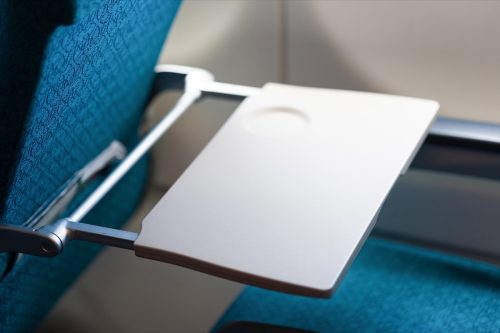
As it happens, the filthiest place on a plane is that tray table you’re eating your meal off of. According to a study conducted by TravelMath, tray tables hosted 2,155 colony-forming bacterial units (CFU) per square inch. In comparison, the button to flush the toilet had just 265 CFU in the same amount of space.
READ THIS NEXT: 55 Fascinating World Facts You Need to Know .
11. Dead chickens are thrown into plane jets during safety tests.
Jaromir Chalabala / Shutterstock
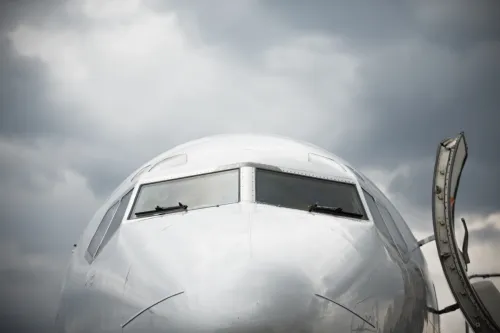
Yes, this incredibly real test is done with a “chicken gun,” and if you’ve seen the 2010 movie Captain Phillips, you know why. But before you report aviation experts to PETA, know that the chickens they receive are dead already. Airlines need to make sure that their windshields can protect pilots and passengers in the very likely event they collide with a bird. If you dare, you can watch the test in action (NSFW) .
12. There are thousands of planes over the United States at any moment.
FotoHelin/Shutterstock
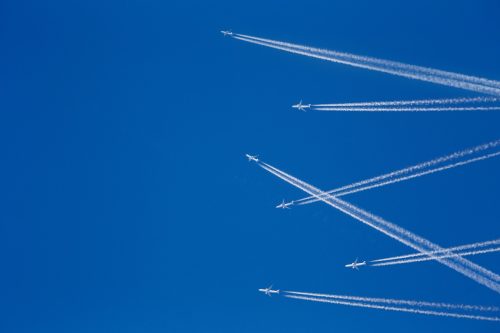
While you may only see the occasional plane pass by overhead, that doesn’t mean the sky isn’t full of them. In fact, according to the Federal Aviation Administration (FAA), there are over 5,000 planes in the air over the United States at any moment in time, and more than 8,000 flying across the globe.
13. Takeoff and landing are the most dangerous times during a flight.
Jetlinerimages / iStock
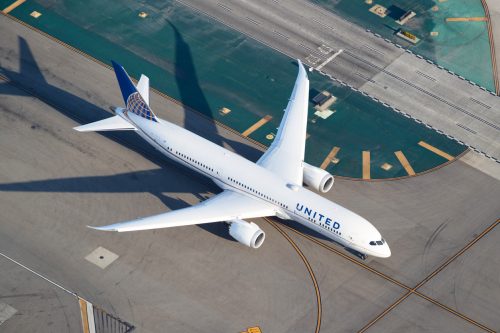
According to a report from Boeing, 13 percent of fatal accidents occur during a flight’s takeoff and initial climb , or the first three minutes of a flight. However, the descent and landing, or the final eight minutes of the flight, are far deadlier, accounting for 48 percent of all fatal accidents.
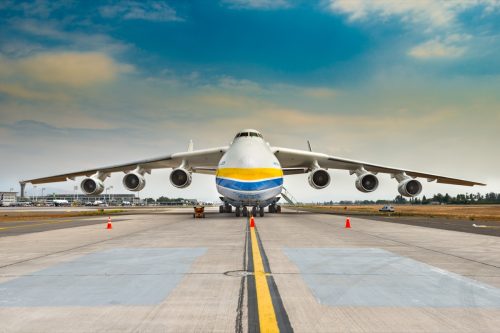
14. The world’s largest airplane weighed nearly 600 tons.
Jose Luis Stephens/Shutterstock
The Antonov An-225 had an impressive maximum takeoff weight of 598 tons. In comparison, the most weight the Boeing 747-8F can take off with maxes out at around 493 tons. Sadly, the aircraft was destroyed during the Russian invasion of Ukraine, according to Ukrainian officials.
15. The safest seats on a commercial aircraft are those at the back of the plane.
Lorna Roberts / Shutterstock
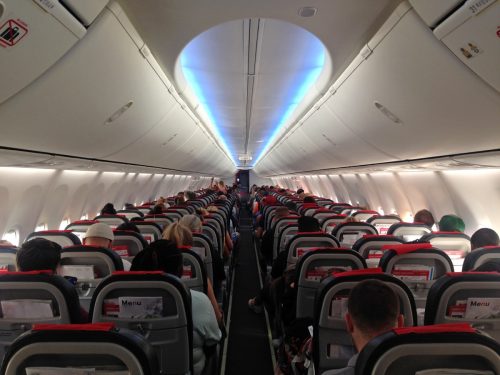
According to crash data compiled by Time , the fatality rate for seats in the rear third of a plane during a crash was 32 percent. The middle of the plane was found to be the least safe, with a 39 percent fatality rate, while the front was marginally safer with a 38 percent fatality rate.
16. You are about seven percent of the distance to space during flights.
FotoHelin / Shutterstock
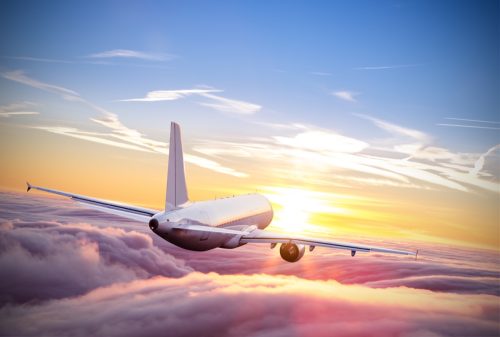
You might be surprised to discover that you’re actually only seven percent of the distance it would take for you to get into space when you’re on a plane. Planes can fly much higher than their average altitude of 30,000, but they don’t, because doing so would present health risks to those inside.
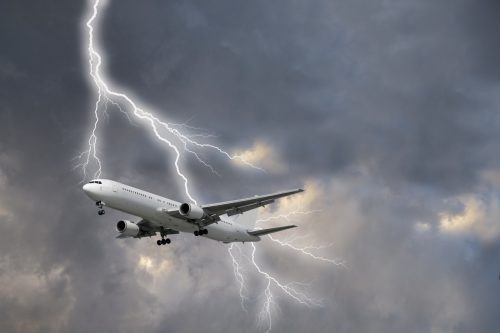
17. Airplanes can trigger lightning.
pinkfloyd yilmaz uslu/Shutterstock
When a plane passes through clouds, the static created can actually spur the development of lightning. Fortunately, even if your plane is struck, you’re likely pretty safe. There hasn’t been a lightning-related plane crash in the United States since 1967, and increased safety measures have made lightning strikes less dangerous to passengers than ever before. When lightning strikes a plane, the electrical current is evenly distributed throughout the aircraft’s conductive aluminum interior, while grounding the plane’s interior electrical systems prevents surges that could interfere with its functionality.
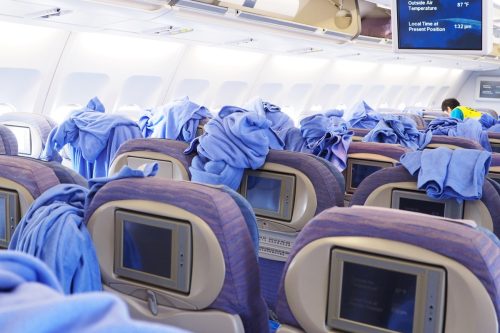
18. Airplane blankets aren’t always washed between passengers.
litabit / Shutterstock
If you’re thinking of cozying up under one of those airline-provided blankets, think again. According to one report published in the Wall Street Journal , some airlines clean their blankets as infrequently as once every 30 days.
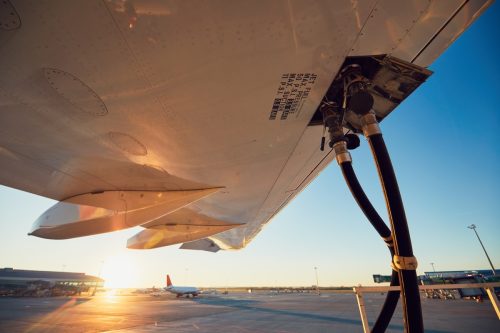
19. A Boeing 747 tank can hold 48,400 gallons of fuel.
Jaromir Chalabala / Shutterstock
That’s 2,100 times the amount of fuel held in the gas tank of a Dodge Ram pickup truck . However, not all of that fuel is being used during a single flight—in fact, the plane only uses an average of five gallons of fuel per mile , meaning a 3,450-mile trip from New York to London only requires about a third of the plane’s total fuel capacity.
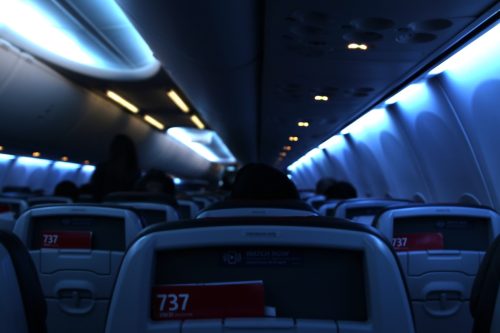
20. Dimming the aircraft’s lights serves a purpose beyond sleep.
Eric Glenn / Shutterstock
While it’s nice to imagine that airlines are hoping you’ll get in some restful sleep, that’s not the only reason why cabin lights are dimmed. The real reason why cabin crews dim the lights aboard a plane is to help passengers’ eyes adjust to the dark, an essential component in helping them survive should there be a sudden nighttime evacuation.
READ THIS NEXT: 63 National Park Facts About America’s Most Beautiful Destinations .
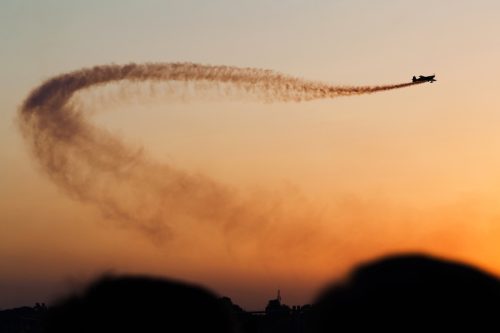
21. Plane exhaust kills more people than plane crashes.
Travel_Master / Shutterstock
According to a study conducted at the Massachusetts Institute of Technology, airplane emissions are linked to 8,000 deaths each year. The number of people killed in plane crashes? Less than 1,000.
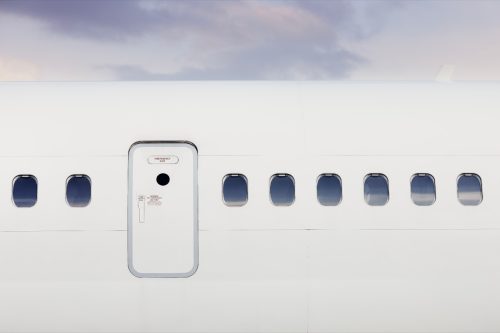
22. Plane doors can’t actually open in mid-flight.
Jaromir Chalabala / Shutterstock
While numerous people have tried to open the exterior doors to airplanes mid-flight (only to find themselves later arrested for doing so), actually doing so would be next to impossible. The interior air pressure within the plane ranges from 4 to 14 PSI , meaning that, unless The Hulk or Thanos boarded your plane, it’s unlikely that the door could be opened.
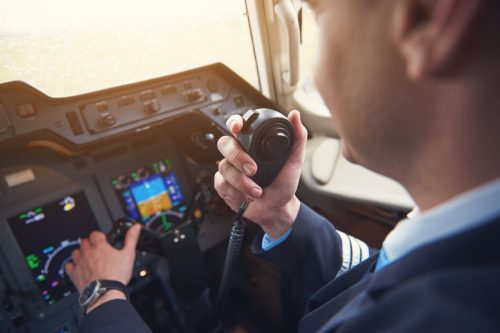
23. All pilots who fly internationally must know at least a bit of English.
Olena Yakobchuk / Shutterstock
English may not be the official language of the United States, but it is the language of air travel. In 2003, the International Civil Aviation Association introduced new requirements to the Chicago Convention stipulating that all pilots flying internationally must be proficient in so-called “aviation English” to prevent potentially-fatal communication errors.
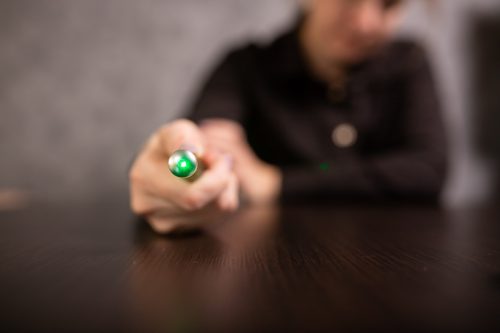
24. Pointing a laser pointer at a plane is a serious crime.
Alex Varyvoda / Shutterstock
Drive your pets crazy with a laser pointer all you want, but never aim that annoying red dot at a plane. According to 18 U.S. Code Section 39A , if you point a laser pointer at a plane or its flight path, you can enjoy up to five years in prison to think about what you’ve done.
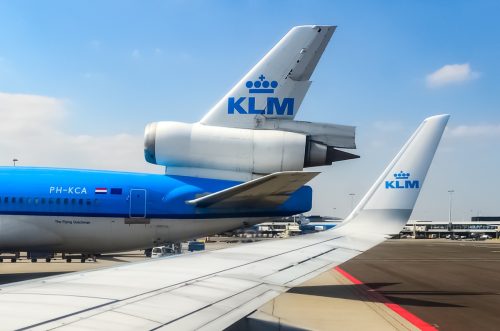
25. The world’s oldest airline is over 100 years old.
NYC Russ / Shutterstock
Dutch airline KLM has the longest continuous operating record of any airline in the world. The Amsterdam-based airline’s planes have been lifting off and touching down since 1919.
26. Airplane bathrooms can be opened from the outside.
<img loading=“lazy” src=“https://bestlifeonline.com/wp-content/uploads/sites/3/2022/03/lavatory-plane-bathroom-sign-flush-button.jpg?quality=82&strip=all&w=500" onerror=“this.onerror=null;this.src=‘https://blogger.googleusercontent.com/img/a/AVvXsEhe7F7TRXHtjiKvHb5vS7DmnxvpHiDyoYyYvm1nHB3Qp2_w3BnM6A2eq4v7FYxCC9bfZt3a9vIMtAYEKUiaDQbHMg-ViyGmRIj39MLp0bGFfgfYw1Dc9q_H-T0wiTm3l0Uq42dETrN9eC8aGJ9_IORZsxST1AcLR7np1koOfcc7tnHa4S8Mwz_xD9d0=s16000';" alt=“A lavatory sign on a plane bathroom door that says “occupied” - 63”>
litabit / Shutterstock
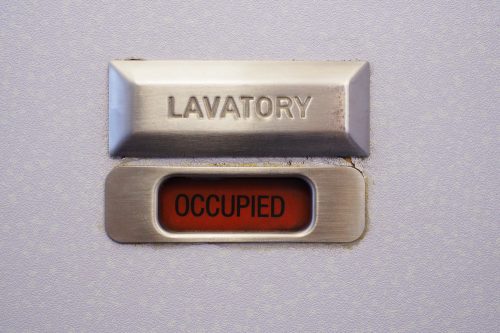
While flipping that latch inside the bathroom that turns the door sign to “occupied” may give you some semblance of privacy, there’s an easy way for flight crew personnel to get in if they need to. Underneath that lavatory sign, there’s a switch that allows the flight crew to open the door if they’re concerned about your safety or the safety of other passengers.
27. One airline has had no fatal accidents.
Mike Fuchslocher / Shutterstock
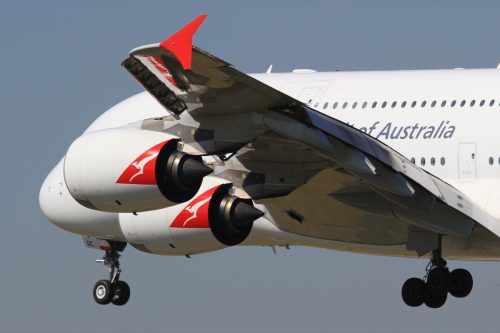
Despite being in business for nearly a century, Australian airline Qantas has never had a fatal accident involving one of its commercial aircraft.
28. There are 140 miles of wiring inside a Boeing 747.

Policas / Shutterstock
According to a report from technology company Tyco Electronics, which manufactures wire connectors for the aviation industry, a 747 can pack 750,000 feet, or 140 miles, of wire inside it, weighing approximately 3,500 pounds in total.
29. American Airlines saved $40,000 by cutting one ingredient from meals.
shutter_o / Shutterstock
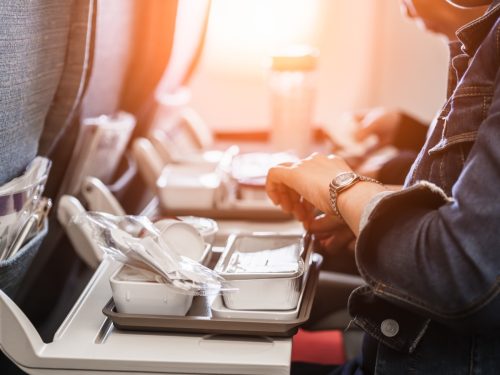
When attempting to cut costs in the 1980s, American Airlines discovered that removing just one item from passengers’ meals would do the trick. By simply nixing just one olive from the salads served in-flight, the airline saved a staggering $40,000 in the course of a single year.
30. Airplane water is riddled with bacteria.
Eivaisla / Shutterstock
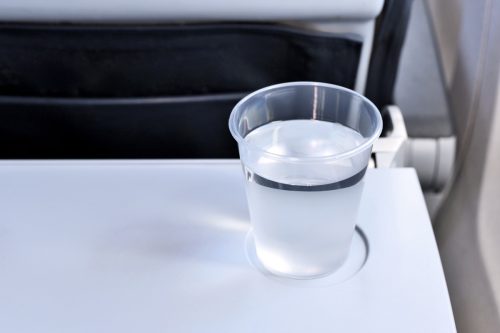
You might want to shell out the extra cash for a ridiculously overpriced bottle of water at the airport. A report from the Wall Street Journal reveals that bacteria including salmonella and staphylococcus were found in airplane water , in addition to insect eggs. Another study conducted at the University of Limerick found 37 distinct bacterial species in airplane water, with long-haul flights having worse water quality than their short-haul counterparts.
READ THIS NEXT: 37 Weird Facts About the Human Body That Will Blow Your Mind .
31. Some of the deadliest crashes happen when planes are securely on the ground.
heychli / Shutterstock
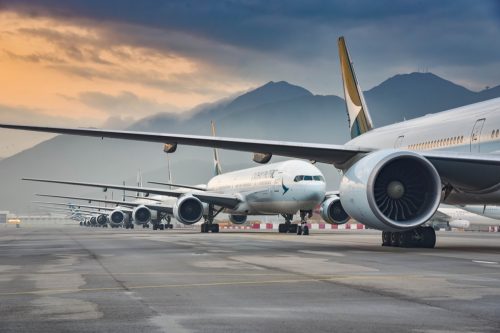
In 1977, the deadliest crash in the history of aviation happened on the ground. Pan Am Flight 1736 and KLM Flight 4805, both Boeing 747s, crashed into one another in Tenerife. However, as CBS News reports, it wasn’t an error on either pilot’s part, per se—low fog made visibility poor, and the airport’s runways were overly congested , leading to the two planes colliding, killing 583 passengers and flight crew members in the resulting fire.
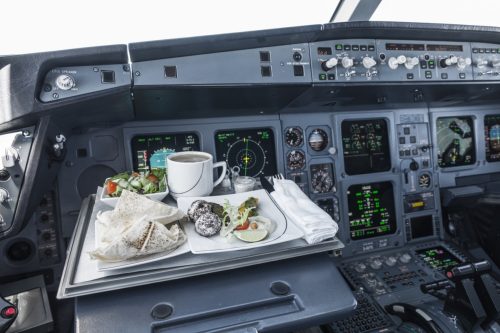
32. Pilots and co-pilots eat different meals on a flight.
Mario Hagen / Shutterstock
While it’s only a hard-and-fast rule on certain airlines, Business Insider reports that most pilots and co-pilots won’t eat the same thing for dinner . This way, if the food is contaminated and one pilot gets sick, the other should still be able to operate the aircraft.
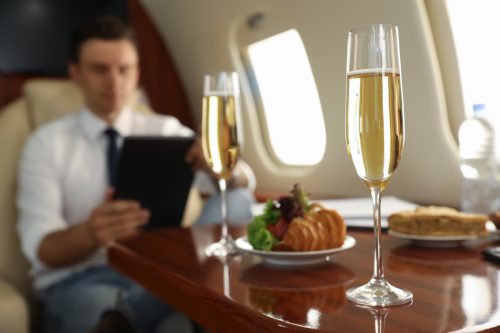
33. The most expensive first class seat costs more than $30,000.
New Africa / Shutterstock
The Etihad Airways First Apartment —a private room with a bed, armchair, vanity and makeup mirror, and onboard shower—can easily run you more than $30,000 for a round-trip ticket from New York to Dubai.
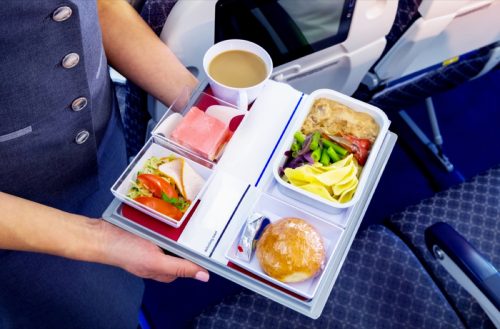
34. Your taste buds change in flight.
Aureliy / Shutterstock
Good news for those who don’t find airplane meals particularly palatable: You’re not actually tasting as much of them as you would think. According to the BBC, the difference in air pressure and the low humidity in a plane’s cabin makes it more difficult for your taste buds to register sweet and salty flavors.
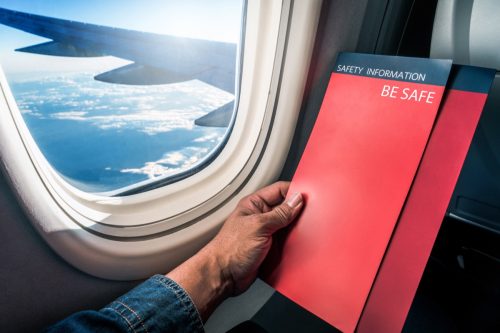
35. Traveling by plane is the safest way to get around.
ShutterStockStudio / Shutterstock
Traveling by airplane is extremely safe—and getting safer every year. In 2019, there were just 257 deaths related to aircraft accidents . By comparison, during the same year, 39,107 people died in car accidents in the United States alone.
36. The sound barrier was broken in 1947.
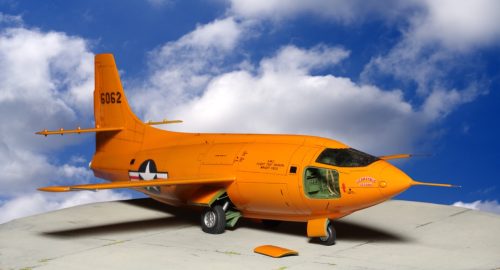
Kletr / Shutterstock
Pilot Chuck Yeager astonished the world with his record-breaking flying skills. This U.S. Air Force veteran learned to fly as a fighter pilot during World War II. Using the Bell X-1 rocket jet, he flew faster than the speed of sound —662 miles per hour at 40,000 feet. Later on in his life, he added yet another incredible accomplishment to his wildly-impressive CV: training U.S. Air Force veterans to become astronauts.
37. Sandra Bullock and about two million other Americans have aviophobia.
<img loading=“lazy” src=“https://bestlifeonline.com/wp-content/uploads/sites/3/2023/06/sandra.jpg?quality=82&strip=all&w=500" onerror=“this.onerror=null;this.src=‘https://blogger.googleusercontent.com/img/a/AVvXsEhe7F7TRXHtjiKvHb5vS7DmnxvpHiDyoYyYvm1nHB3Qp2_w3BnM6A2eq4v7FYxCC9bfZt3a9vIMtAYEKUiaDQbHMg-ViyGmRIj39MLp0bGFfgfYw1Dc9q_H-T0wiTm3l0Uq42dETrN9eC8aGJ9_IORZsxST1AcLR7np1koOfcc7tnHa4S8Mwz_xD9d0=s16000';" alt=“Sandra Bullock at a UK screening of “The Lost City” in 2022 - 74”>
Fred Duval / Shutterstock
Despite crashes being very rare, 6.5 percent of Americans suffer from aviophobia, or a fear of flying. If you are scared to set foot on a plane, you’re in good company—even celebrities like Sandra Bullock are gripped by this common fear. The Gravity star once said she’s “deathly afraid of flying.” The Anxiety and Depression Association of America says that most of this stress originates from the total loss of control or possibly the feeling of being trapped.
38. Long-haul flights have secret bedrooms and a bathroom for flight attendants.
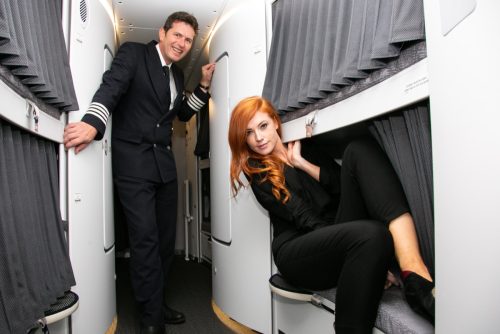
Sunshine Seeds / Shutterstock
If flight attendants work on long-haul flights—which can last upwards of 12 hours—they need time to properly rest. So airlines have installed secret sleeping quarters above the main cabin with seven or eight beds, and occasionally a separate bathroom, as well. The crew can also enjoy in-flight entertainment while inside these secret chambers. That must be how they keep up their cheery demeanor on those long flights.
39. The world’s smallest plane weighs only 358.8 pounds.
<img loading=“lazy” src=“https://bestlifeonline.com/wp-content/uploads/sites/3/2023/07/Bede-BD-5-microjet.jpg?quality=82&strip=all&w=500" onerror=“this.onerror=null;this.src=‘https://blogger.googleusercontent.com/img/a/AVvXsEhe7F7TRXHtjiKvHb5vS7DmnxvpHiDyoYyYvm1nHB3Qp2_w3BnM6A2eq4v7FYxCC9bfZt3a9vIMtAYEKUiaDQbHMg-ViyGmRIj39MLp0bGFfgfYw1Dc9q_H-T0wiTm3l0Uq42dETrN9eC8aGJ9_IORZsxST1AcLR7np1koOfcc7tnHa4S8Mwz_xD9d0=s16000';" alt=“Bede BD-5J “Microjet” - 76”>
Jon Kraft / Shutterstock
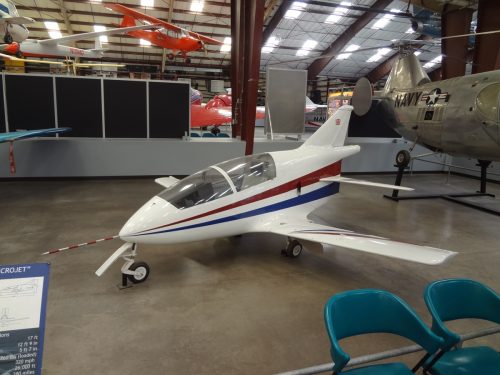
The Bede BD-5 microjet weighs nearly 360 pounds (unloaded) and has a wingspan of only 14.5 feet. Though minuscule, this jet can reach speeds of over 300 miles per hour, which is a little under half of the speed of sound.
40. The longest military plane is six stories tall.
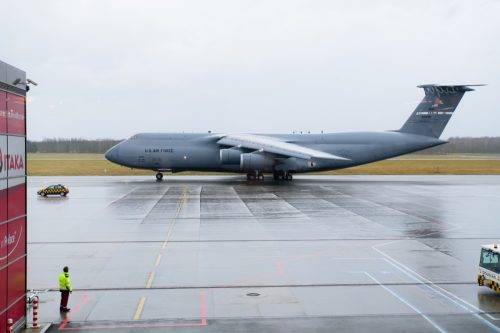
Copenhagen Stock / Shutterstock
The U.S. military’s gargantuan C-5 has a wingspan of 222.8 feet, with each wing measuring the length of a basketball court. According to Popular Mechanics , “the aircraft stands 65 feet tall, the equivalent of a six-and-a-half story building.” It can also carry more than 250 million pounds and 350 passengers, even with equipment on board. It is so big that many Air Force bases have had to cut large holes in hangar doors to keep it indoors… well, most of it that is—the tail end still protrudes.
41. Turbulence is the top cause of non-fatal plane injuries.
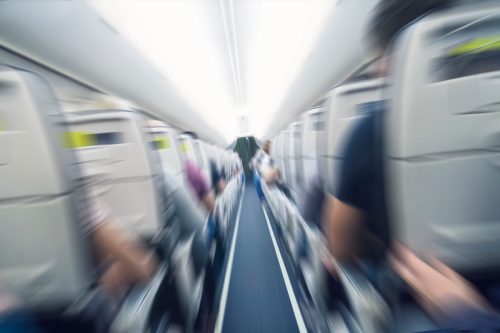
Melnikov Dmitriy / Shutterstock
There’s a serious reason why you should always respect the seat belt sign. According to the FAA, U.S. air carriers experienced 163 turbulence accidents resulting in serious injuries between 2009 and 2023. Many of these incidents have been confirmed to involve passengers not wearing seat belts when the seat belt sign had been turned on. Buckling up might not be “the law” in the air, but it’s certainly worth it to preserve your safety.
42. Living in an airplane flight path could harm your heart.
Mike_shots / Shutterstock
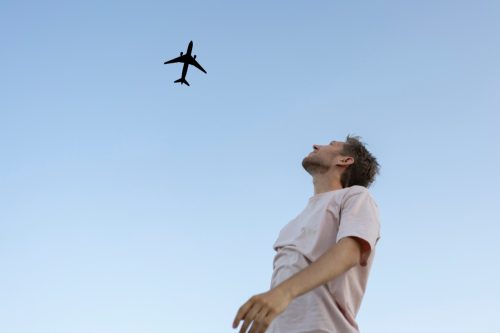
While regular air travelers might imagine they’d enjoy living close to the airport they frequent, actually living underneath a flight path could shorten your life. According to a 2010 study published in Epidemiology , individuals exposed to noise above 60 decibels on a regular basis—like the sound of an airplane overhead —had a 30 percent greater risk of dying from a heart attack than those typically exposed to noise levels under 45 decibels. Over a 15-year period living under a flight path, that risk was up 50 percent.
43. The fastest commercial plane flew at twice the speed of sound.
John Selway / Shutterstock
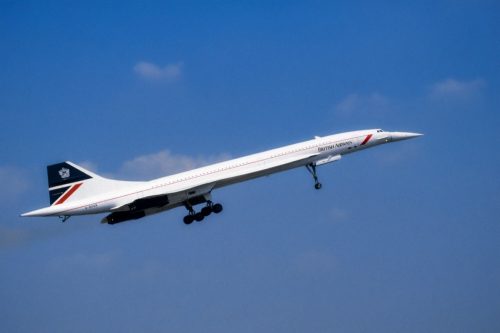
The Concorde , which offered flights continuously from 1976 to 2003, traveled at twice the speed of sound. In fact, the supersonic jet, which could achieve speeds up to 1,354 miles per hour, also broke a number of world records for its speed, in one case earning the record for the fastest transatlantic flight when it transported passengers from JFK in New York to Heathrow Airport in London in just 2 hours, 52 minutes, and 59 seconds.
44. Airplane tires are inflated to about six times the PSI of car tires.
Jaromir Chalabala / Shutterstock
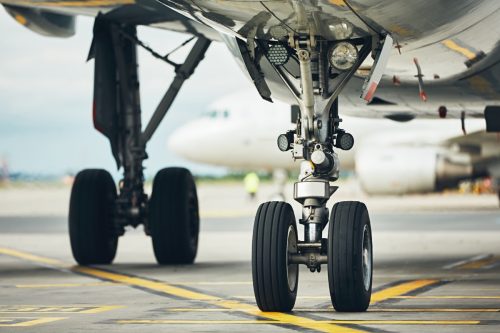
The real reason airplane tires rarely pop, even though they’re carrying a huge amount of weight? It’s not just their thickness that contributes to their strength under pressure. According to a Wired report, airplane tires are pumped to roughly 200 psi—about six times the psi of an average car tire. In fact, according to an experiment recorded by National Geographic , a Boeing 737’s tires can withstand over 900 psi before bursting.
45. There are temperatures too cold to fly in.
Alexey Lesik / Shutterstock
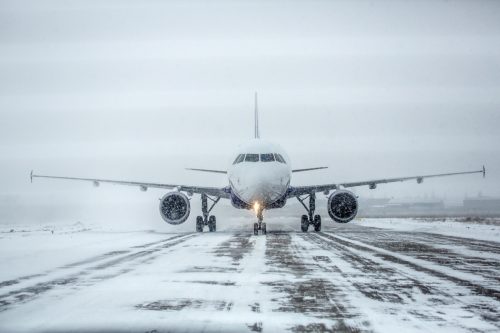
While the outside of an aircraft can reach -60 degrees Fahrenheit when it’s cruising at 35,000 feet, similar ground temperatures can stop a plane in its tracks. In 2014, when temperatures hit about -47 degrees Fahrenheit at Igarka Airport in Russia, a Tupolev-134 jet’s landing gear braking system actually froze , leading passengers to do their best to help. They actually got out to try to push the 61,640-pound plane.
46. A lot more people survive plane crashes than you think.
Jaromir Chalabala / Shutterstock
It’s true. According to the National Transportation Safety Board , approximately 95 percent of those involved in plane crashes survive them. Much of this has to do with things like improved impact protection, fire safety measures, and evacuation methods.
Wrapping Up
- Source: http://aaiu.ie/sites/default/files/Hellenic%20Republic%20Accident%20Helios%20Airways%20B737-31S%20HCY522%20Grammatiko%20Hellas%202005-085-14.pdf
- Source: https://www.who.int/news-room/questions-and-answers/item/air-travel-advice
- Source: https://www.faa.gov/air_traffic/by_the_numbers
- Source: https://www.boeing.com/resources/boeingdotcom/company/about_bca/pdf/statsum.pdf
- Source: https://icao.int/safety/lpr/Documents/323_en.pdf
- Source: https://law.cornell.edu/uscode/text/18/39A
- Source: https://www.scribd.com/document/165157922/Aircraft-Electrical-Wire
- Source: https://ncbi.nlm.nih.gov/pmc/articles/PMC4661625/
- Source: https://www.faa.gov/newsroom/turbulence
- Source: https://oce.ovid.com/article/00001648-201011000-00013/HTML
- Source: https://flightsafety.org/fsd/fsd_oct01.pdf