50 Ways Life Has Changed in the Last 50 Years

Shutterstock
We’ve all heard members of older generations start a story with an eye-roll-prompting, “Back in my day,” which is then followed by a seemingly endless list of ways things have changed in the intervening years (generally portrayed in a negative lens). However, while those tales of walking 10 miles in the snow may be a little stale, there’s no denying that life has changed in some seriously significant ways over the last half-century.
From advances in technology and medicine to seismic paradigm shifts in romance and religion, life is majorly different today than it was just 50 years ago. Herein, we’ve rounded up the many, many ways how. And when you want to know what life could look like in another 50 years, check out the 30 Craziest Predictions About the Future Experts Say Are Going to Happen .

Shutterstock
If you said you were “going to work” fifty years ago, that meant heading to a physical location outside of your home and chugging away until 5. Today, your couch is as good an office as any—in fact, a recent Gallup poll reveals that 43 percent of workplaces allow employees to work from home at least part of the time.

Shutterstock
While it’s not exactly like jogging or playing sports was invented in the last 50 years, the global focus on fitness has undeniably increased in the past half-century. While having a treadmill in your house in 1968 may have made you stand out, it’s not uncommon for people to own pieces of fitness equipment in their homes, and there are now more than 35,000 gyms in the United States alone. And when you want to get the most from your workout, check out these 40 Great Exercises for Adding Muscle Over 40 .
Shutterstock
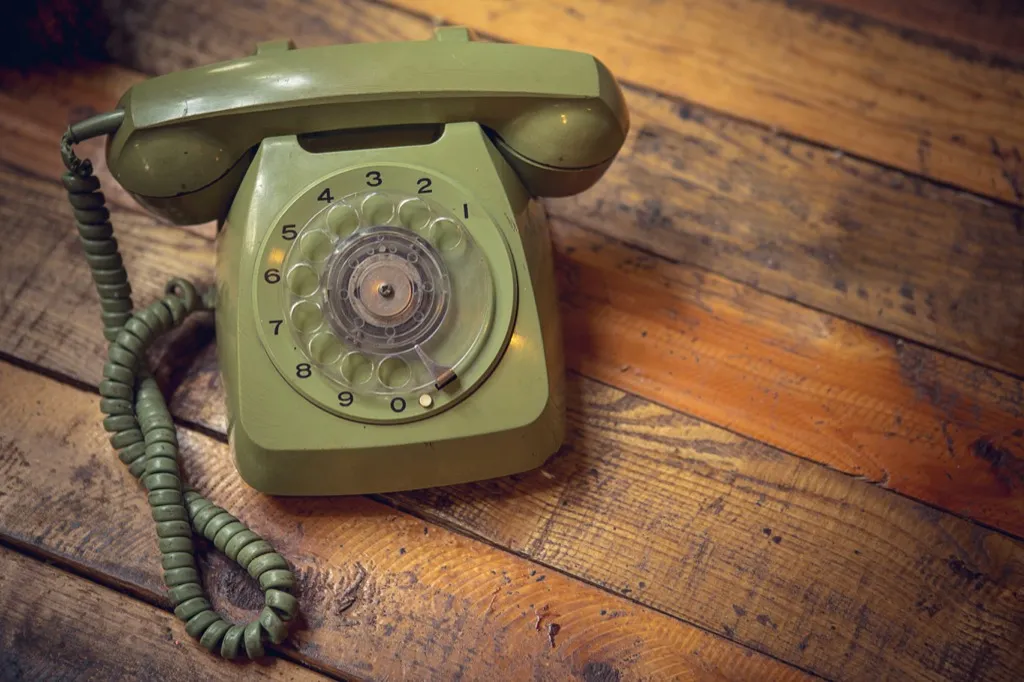
50 years ago, a home phone was a necessity. The number of people using one today, however, is lower than ever. In fact, according to CDC data, less than 50 percent of American homes now have a landline, with most opting for cell service instead.
Shutterstock
Back in the 1960s, if you wanted to get in touch with a friend, you rang them up on said land-line phone and asked how they were doing. Now, we don’t even have to check in to know what’s going on with our friends, thanks to social media, which grants us a voyeuristic view on how their relationships are going, where they go on vacation, and, in some self-absorbed cases, what they had for breakfast.

Shutterstock
Five decades ago, the idea of having a tiny computer in your pocket that can not only get you in touch with everyone you’ve ever met, but can also be used to track your run, order your groceries, and play your music would seem like the stuff of an outrageous sci-fi movie. However, today, 77 percent of all Americans own a smartphone, and that number only continues to climb. And if you feel like your devices are tying you down, discover these 11 Easy Ways to Conquer Your Smartphone Addiction.

Shutterstock
Dating 50 years ago meant one of two things: you met someone cute out in the world and exchanged numbers, or you had someone set you up. Today, hundreds of potential partners are just a swipe away, thanks to the proliferation of dating apps.
Shutterstock
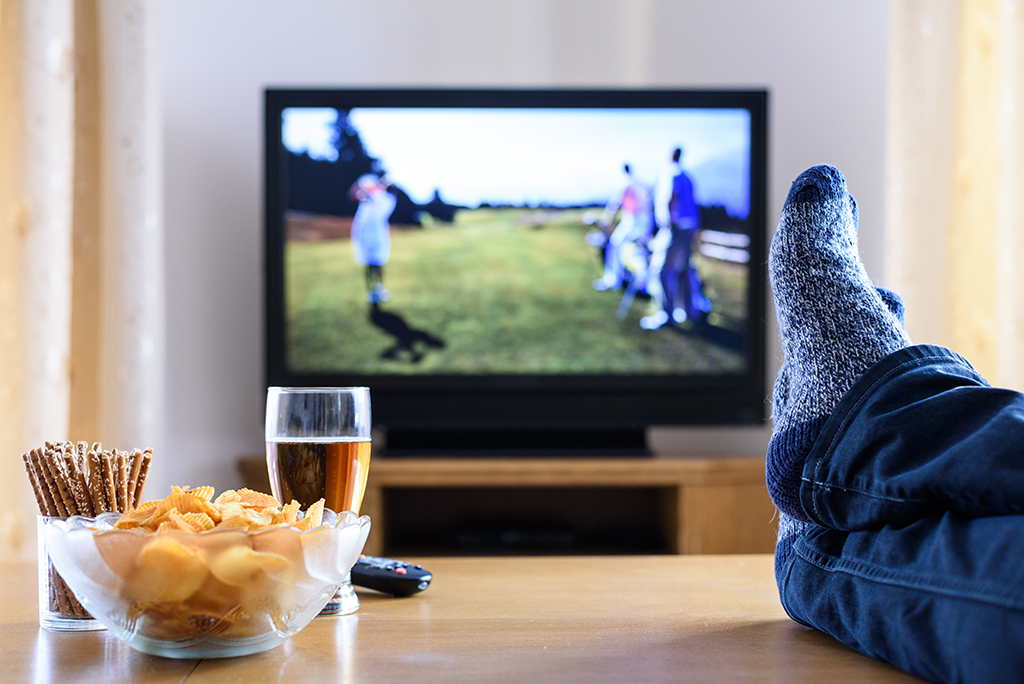
Just half a century ago, there were only a handful of TV networks. Even more unfathomable to some people, they actually stopped broadcasting at a certain point, meaning that if you were eager to distract yourself during a bout of insomnia at 2:00 a.m., you were out of luck. Today, there are hundreds, even thousands of channels at our fingertips 24/7, and we can even take our favorite shows on the go with us, thanks to our phones, tablets, and laptops. And if you’re eager to enjoy funnier fare when you tune in, check out the 30 Funniest Sitcoms of All Time .

Shutterstock
Celebrity used to mean a specific thing 50 years ago—generally, it included having some kind of marketable talent. Today, a funny tweet or cute Instagram photo is enough to land you a book deal or TV show.
Shutterstock
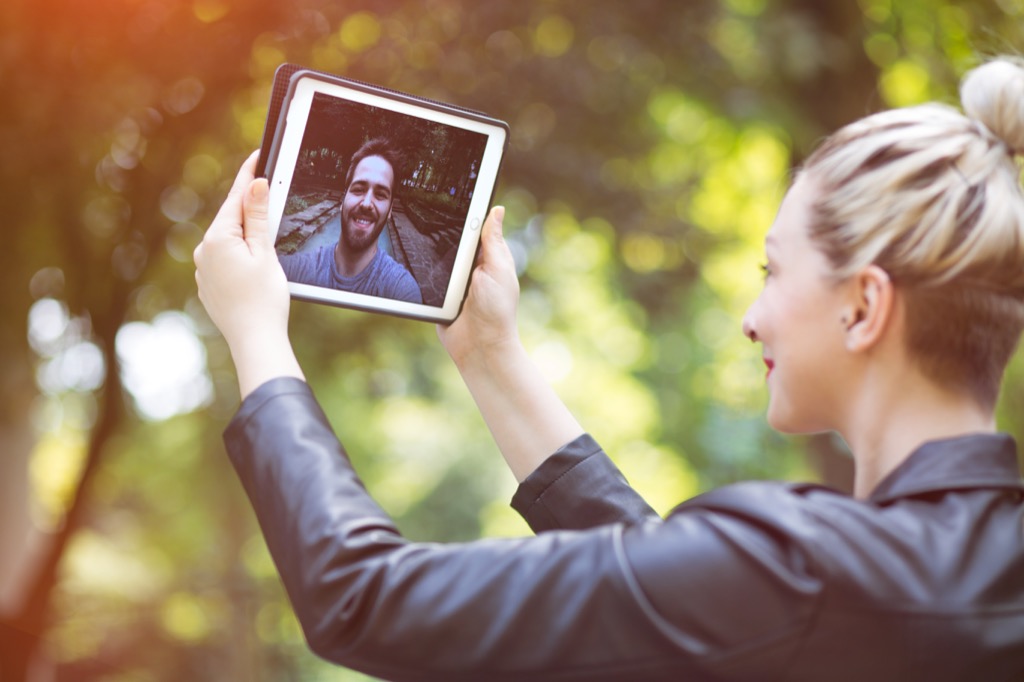
Back in the 1960s, unless your boss had a habit of calling you at home, odds are your connection stopped the second you left the office. Today, the chances you hear from him or her at midnight or on a weekend or holiday just because something sprung to mind are pretty good.
Shutterstock
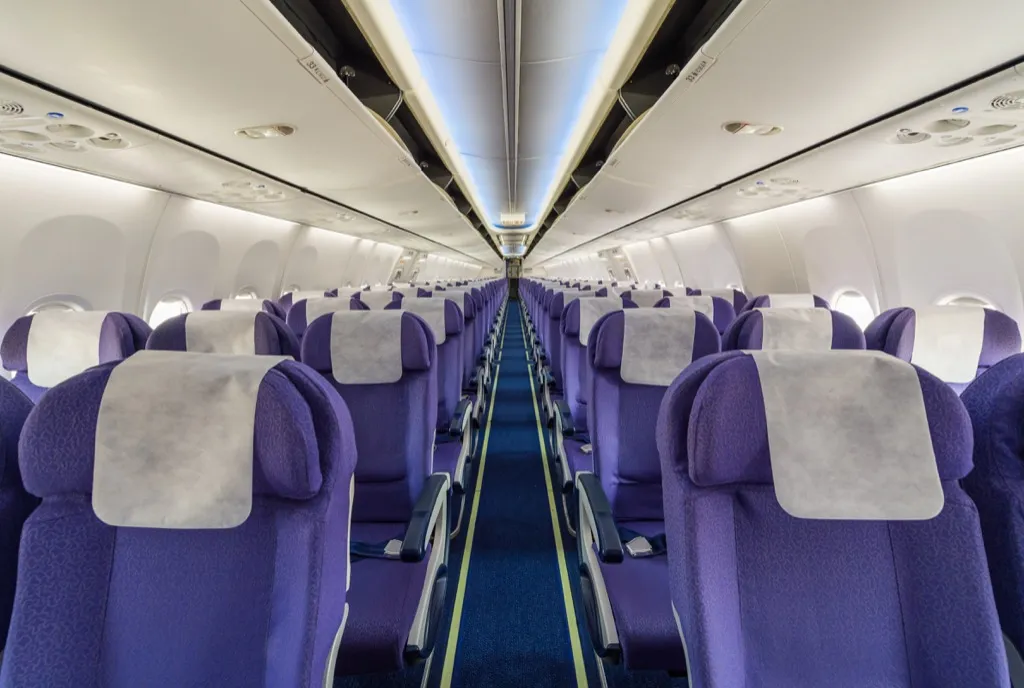
Flying was once a luxurious experience, with comfortable seats, decent food, and ample room to spread out—even in coach. Today, unless you’re flying first class, your seat is tiny, the plane is cramped, and you’re lucky if you can even get a glass of water.

Shutterstock
If you were wearing anything other than suit or dress to the office 50 years ago, you were an anomaly. Today, even some of the world’s most powerful CEOs wear jeans and sneakers to work.

Shutterstock
The joy of shopping just isn’t what it used to be half a century ago. While getting new clothes, music, or groceries meant making a trip to the story 50 years ago, today, all it takes is a few taps on your smartphone.

Shutterstock
Not too long ago, a high school diploma was more than enough to secure you a good, steady job you could work until you retired. Today, thanks to inflation, wage stagnation, and an increasingly educated workforce, having anything short of a four-year degree makes it hard to find a job that pays a livable wage. Even some PhDs can’t find full-time employment these days.

Shutterstock
Unfortunately, on the other side of that coin is the rising cost of attending a four-year college. In 1968, a year at the University of Pennsylvania cost less than $2,000 for undergrads. Today, it costs $68,600.

Shutterstock
If you wanted to watch your favorite show 50 years ago, you needed to keep an eye on the clock to make sure you tuned in at the right time. Today, thanks to DVR and streaming services, you can watch whatever you want, whenever you want.
Shutterstock
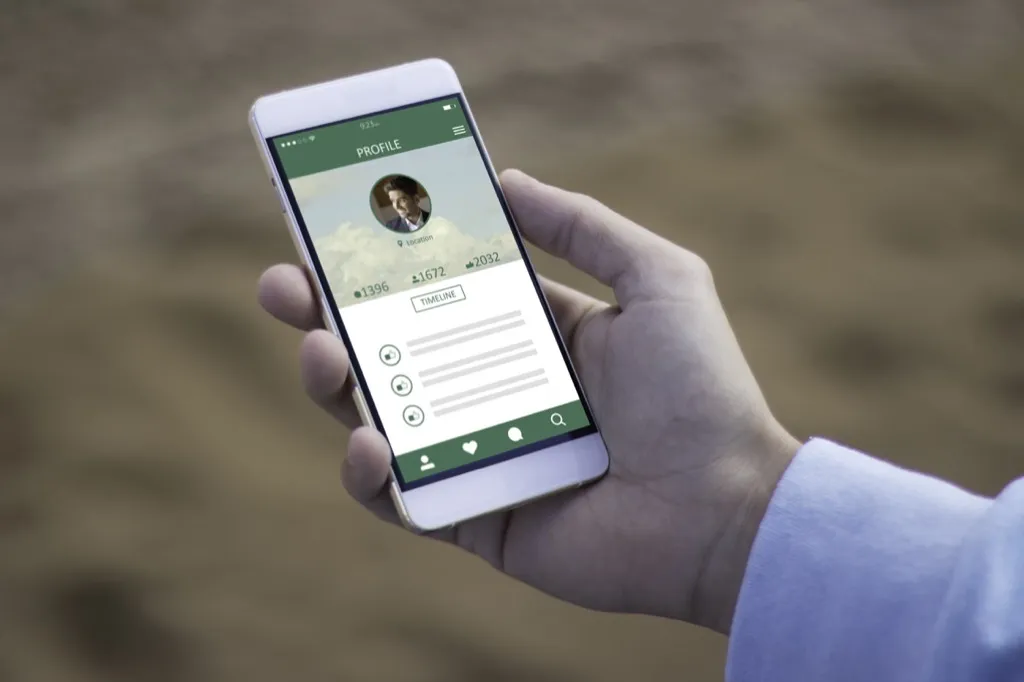
Even if you’re not a major over-sharer on social media, your information is a whole lot more accessible today than it was 50 years ago. Today, with just a few clicks, an acquaintance or even a stranger can find out where you live, your estimated income, where you work, your marital status, and plenty of other seemingly private details about you.

Shutterstock
Half a century ago, if you wanted to find out what was happening in the world, you’d have to wait for the morning paper to come out. Now all we have to do is go to our preferred news site—or even Twitter—and we can find out what’s going on in real time, 24 hours a day.

Shutterstock
When’s the last time you actually talked on the phone to someone other than your grandparents? Information that used to take a lengthy phone call to convey is now delivered by text.
Shutterstock
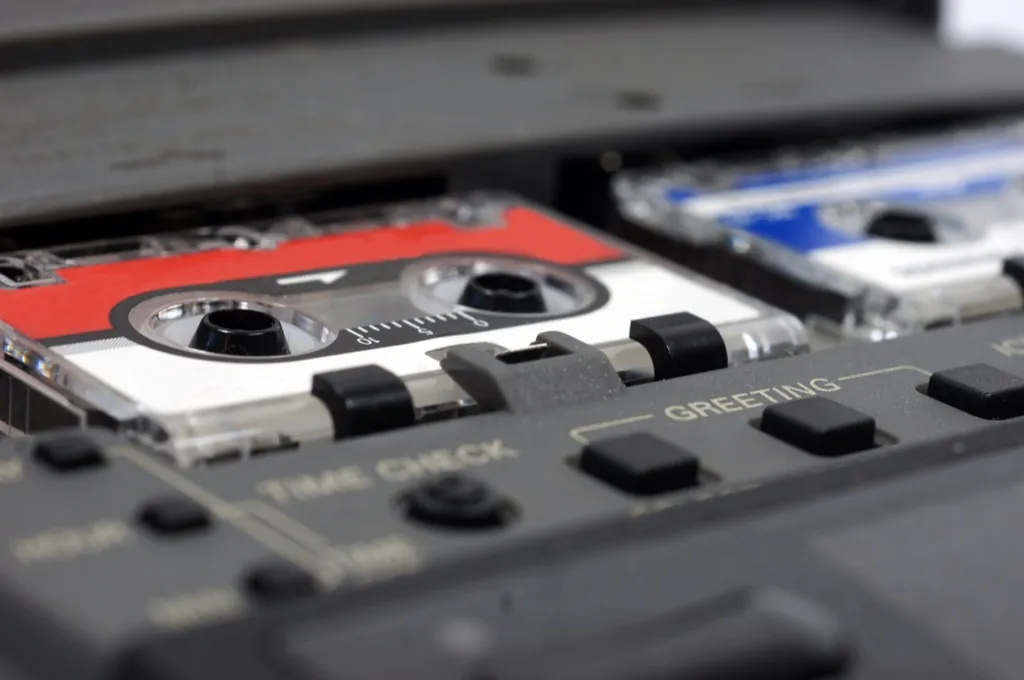
Checking your tape-based answering machine used to be one of the more annoying things about returning from a vacation, or even a day at work. Fast forward 50 years and you’re lucky if someone even listens to your voicemail without deleting it.

Shutterstock
Today, getting a letter in the mail is charming, if somewhat antiquated. However, just 50 years ago, it was one of the more effective ways of communicating with people who didn’t live close by—especially if you wanted to avoid those sky-high long distance charges.

Shutterstock
Over the past half-century, we’ve gone through records, eight tracks, tapes, CDs, and mini discs, each with its own inconveniences. Today, thanks to MP3s and streaming services, we have a virtually infinite amount of music at our fingertips at all time.

Shutterstock
In 1968, the global population was 3.56 billion. Today, it’s 7.6 billion, more than double what it was 50 years ago. The population of the United States alone has grown by significant margin during that time, as well. 50 years ago, the United States population was 200 million, while today it’s nearly 327 million.
Shutterstock
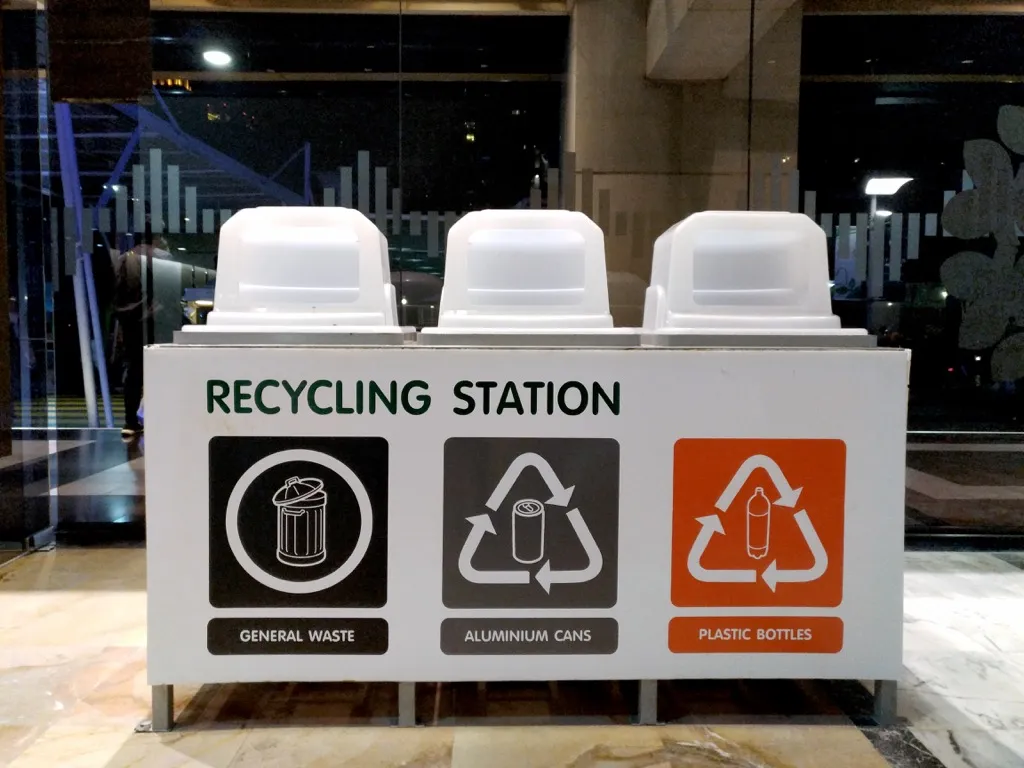
Just 50 years ago, the idea of having weekly recycling pickup was little more than a pipe dream. Today, recycling a can or piece of cardboard is as routine for most people as brushing their teeth.

Shutterstock
If you were heading out for a vacation 50 years ago and wanted to read something, that meant loading your luggage down with pounds and pounds of heavy books. Now, thanks to the invention of eReaders and apps, all it takes is one tiny device to bring your personal library everywhere.

Shutterstock
Sorry, milkmen, your jobs weren’t as secure as you initially thought. While your parents or grandparents may have had milk delivered to their door by a milkman 50 years ago, today, virtually everyone gets their dairy from the store.

Shutterstock
If you told someone 50 years ago that taking photos of yourself was not only a hobby, but could make you a star, they’d call you crazy. But, of course, not only are Instagram selfies enough to get you millions of fans today, they’re even worthy of publishing in a book—just ask Kim Kardashian .

Shutterstock
Just 50 years ago, if you knew someone who had a computer at home, it probably meant they were an inventor. Today, 78 percent of Americans have either a laptop or desktop computer at home, according to Census data.

Shutterstock
Today, just 15.5 percent of the population smokes cigarettes , and that number continues to decline with every passing year. In the 60s, 42 percent of the population smoked regularly—and worse yet, many places, including restaurants and airplanes, allowed them to do so indoors.

Shutterstock
In many developed countries, the birth rate has been on a steady decline for some time now. While having six kids wasn’t exactly jaw-dropping 50 years ago, today it’s definitely not the norm.

Shutterstock
As families get smaller and more women work outside the home, the lure of a white picket fence is decreasing significantly. In fact, in America alone, 62.7 percent of the population lives in urban areas today, a number that’s gone up in recent years.

Shutterstock
Just 50 years ago, being 60 meant a few things: you were close to retirement, you might already be a grandparent, and you probably didn’t look like you were 35. Today, we’re delaying retirement, fewer people have children or grandchildren, and advances in anti-aging treatments are making people look younger than ever. Case in point: you’d never guess it by looking at her, but Christie Brinkley is 64 years old.
Shutterstock
Eating healthy used to mean one thing: cutting out the fat in your diet. Fast forward 50 years and we’re rapidly adopting diet plans that not only don’t eschew fat, but actively encourage its consumption instead of carbs.
Shutterstock
Fifty years ago, making a vested effort to protect the earth would get you labeled a tree-hugger. Today, if you’re not using LED bulbs and bringing your own bags to the grocery store, you’re being wasteful.

Shutterstock
Having a tattoo used to mean that you were some kind of rebel just half a century ago. Today, you’re as likely to see a sleeve on a kindergarten teacher as you are on a biker. If you’re interested in getting inked up yourself, check out the 100 Amazing Tattoo Ideas for First-Timers.
Shutterstock
A big, fancy TV used to cost a whole month’s paycheck. Today, the market is flooded with cheap electronics, meaning those former big-ticket purchases are more affordable than ever.

Shutterstock
While parenting books certainly existed 50 years ago, new moms and dads weren’t nearly as inundated with information as they are today. Now, between books, websites, apps, Facebook groups, and in-person meetups, new parents are flooded with information on everything from how to name your baby to how to parent them like the French.

Shutterstock
Just 50 years ago, Gallup research found that 97 percent of respondents admitted to belonging to a religious group. Today, more and more individuals are distancing themselves from organized religion, with just 77 percent claiming to belong to a religion today.
Shutterstock
Ask most kids today how the Dewey Decimal System works and they’ll respond with a look of combined shock, confusion, and horror. In fact, over the past 50 years, the amount of information we have access to has grown exponentially, and made formerly useful tools, like card catalogs and encyclopedias, virtually obsolete.
Shutterstock
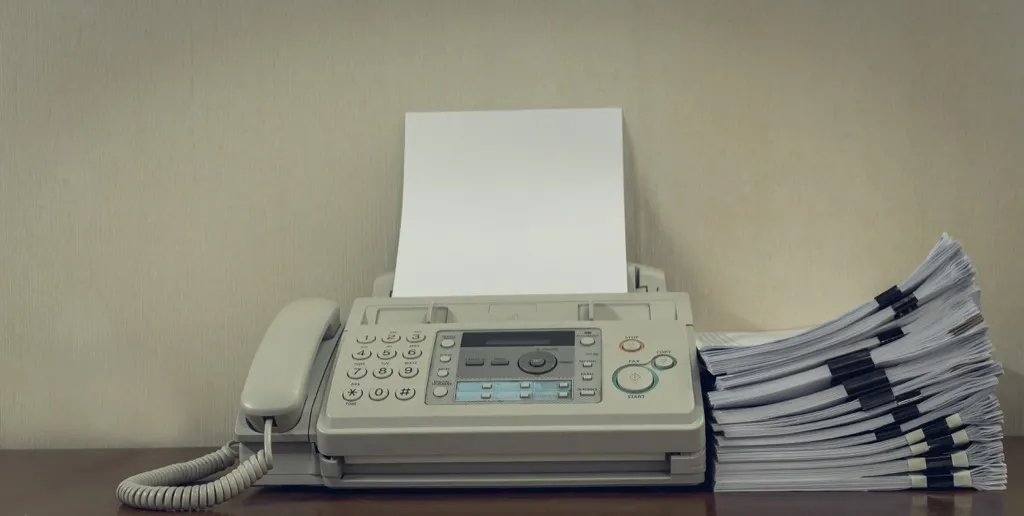
Faxes were once the pinnacle of modern technology, making it easy to transmit huge amounts of information in a relatively short amount of time. Today, we can do the same thing with our phone or laptop in mere minutes instead of hours.

Shutterstock
The first oral contraceptive was approved by the FDA in 1960. Today, we not only have tons of different oral contraceptives on the market, we’ve got implants, patches, and even Plan B, which doesn’t even require a prescription in the U.S. anymore.
Shutterstock
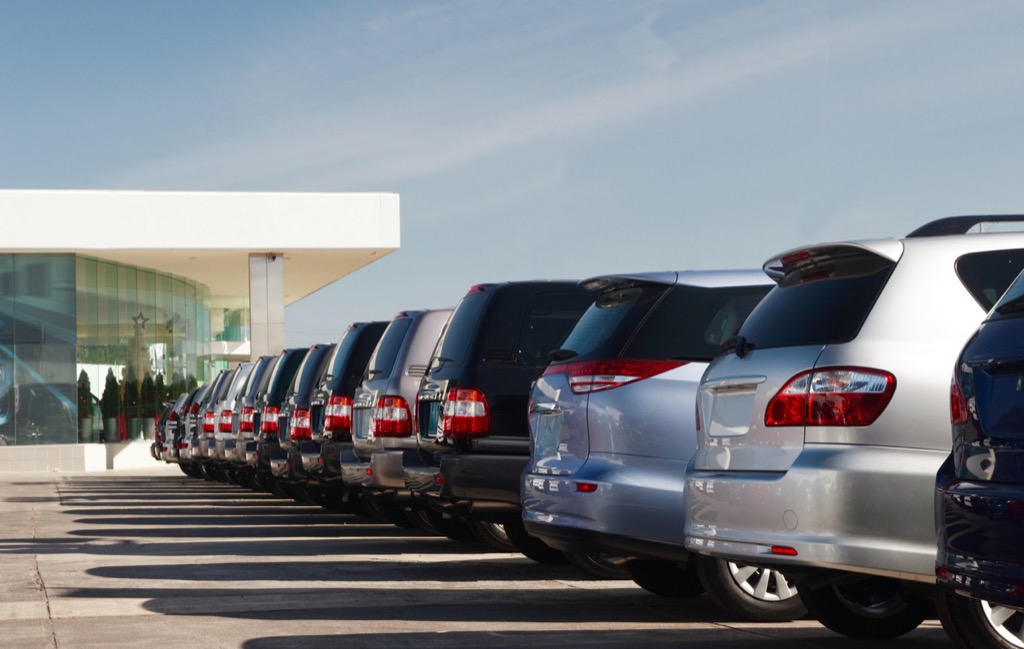
Driving a sedan just big enough for you and your family may have been the norm 50 years ago, but that’s far from the case today. In fact, thanks to the proliferation of SUVs on the road, our cars look seriously tank-like compared to the ones our parents were driving.
Shutterstock
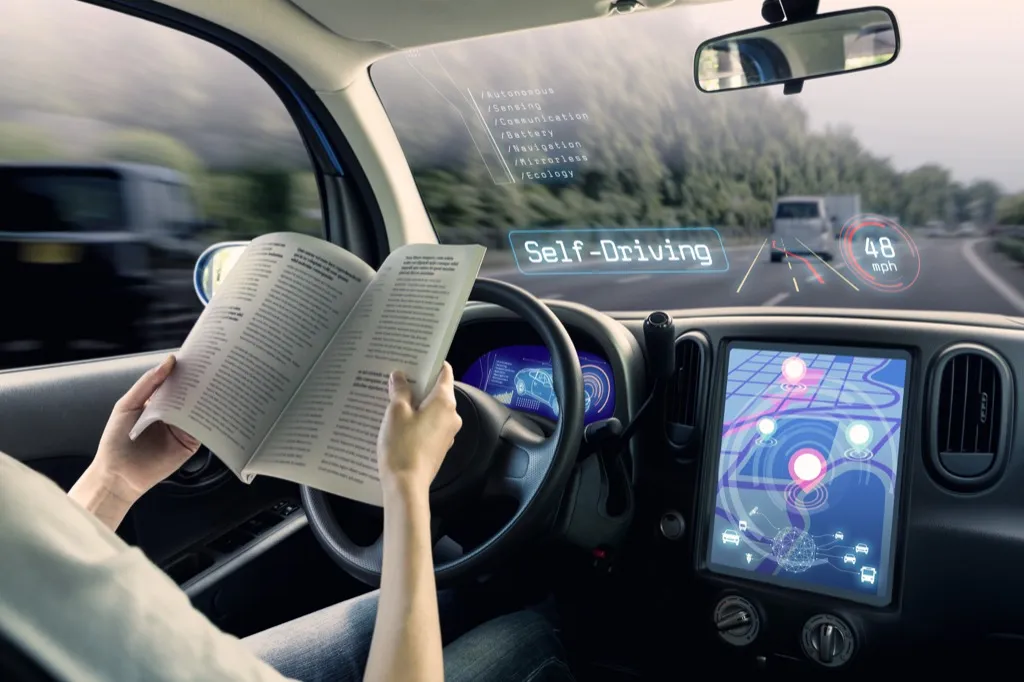
Even more amazing and hard to believe, some of our cars today can even drive themselves. If you told that to someone 50 years ago, they’d assume you were rehashing a Jetsons plot. And for more mind-blowing sci-fi come-to-life, learn the 20 Types of Artificial Intelligence You Use Every Single Day And Don’t Know It.
Shutterstock
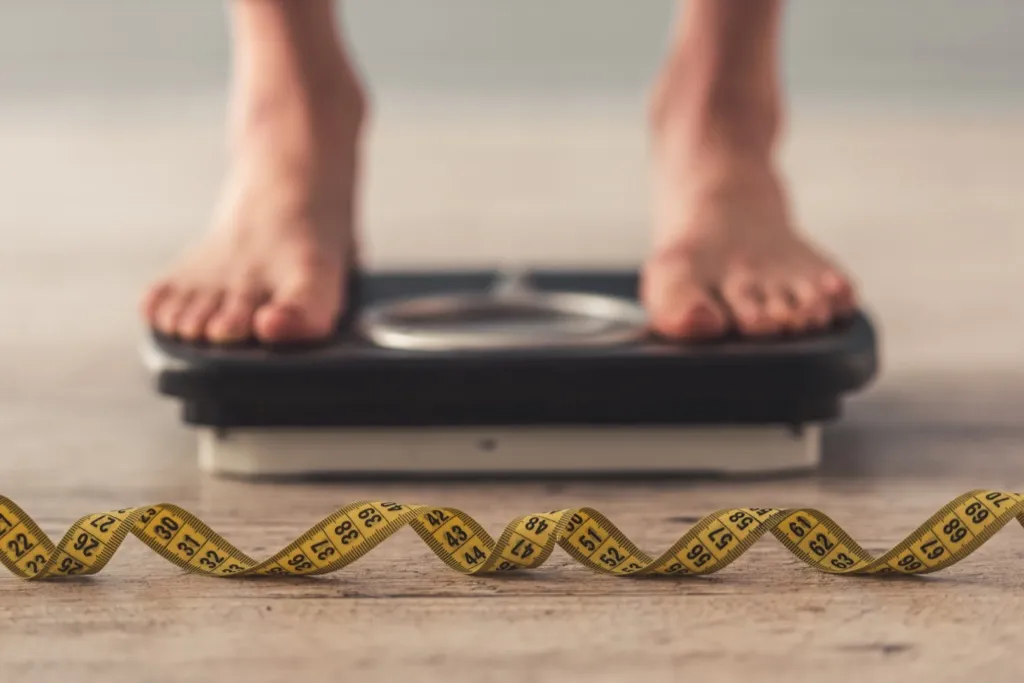
Unfortunately, our cars aren’t the only things getting bigger. As portion sizes get larger, so do we—in fact, 70.7 percent of adults in the U.S. are now overweight or obese, a figure that’s risen sharply over the past 50 years.
Shutterstock
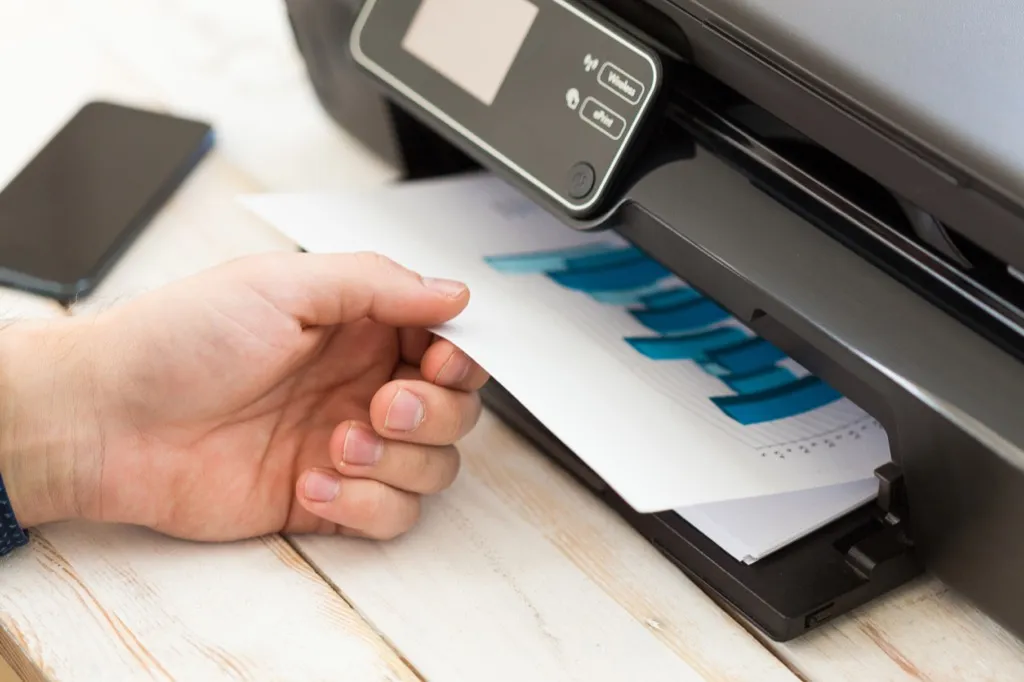
Making copies of something used to be something you could do in one of two places: an office building or a copy shop. Now, thanks to scanners and smartphones, you can make a copy of virtually anything at any time.

Shutterstock
Wanted to bring a bottle of water and a lighter on a plane 50 years ago? No problem! Today, on the other hand, you can’t even bring a full-sized bottle of conditioner in your carry-on.

Shutterstock
Unfortunately, over the past 50 years, paying the bills has gotten more difficult for blue-collar workers. While you may have been able to buy a modest home and support a family without a fancy job half a century ago, it’s becoming harder and harder to do so today.
Shutterstock
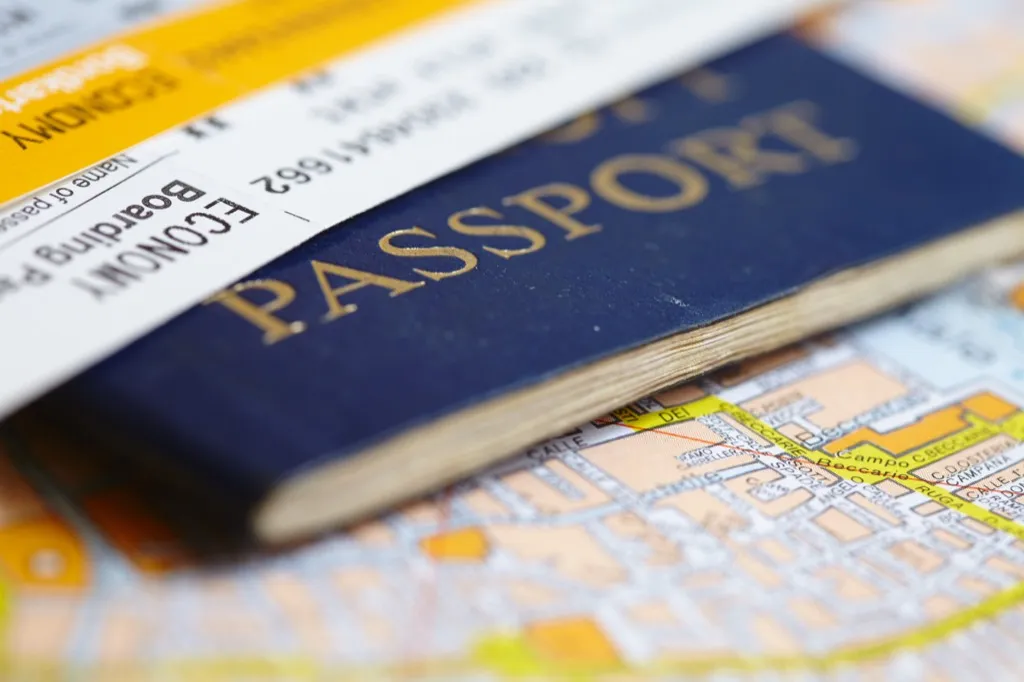
If you want to see the world, there’s never been a better time to do so. In fact, over the past 30 years alone, airline ticket prices have dropped by nearly 50 percent.

Shutterstock
As the stigma against unmarried cohabitation continues to decrease, the number of people choosing not to say “I do” has been on the rise. While approximately half of all 30-somethings are married today, people are generally getting married later or forgoing the ritual altogether.

Shutterstock
With international flights becoming cheaper and the internet making goods produced elsewhere more accessible, it’s easier than ever to own a wealth of items and products from other countries. From personal care products to furniture to food, it’s never been simpler to have something from overseas shipped to your front door.

Shutterstock
Just 50 years ago, the average life expectancy was just over 70 years in the United States. Today, we’re living longer than ever—the average American can now expect to live to be 78.6 years old . And when you want to increase your personal longevity, start with these 100 Easy Ways to Live to 100.
10 Next-Level Cameras Way Better Than Your Smartphone

Anyone can just take a picture. A photographer makes an image. Today’s phone cameras are amazing, but they’re not without limitations. When you find yourself wanting more control, like the ability to zoom in from a distance, shoot fast-moving sports, or make wall-sized prints, it’s time to consider a dedicated camera. And if you’re concerned that there is too much involved in learning how to use one effectively, rest assured that with a little practice, you’ll be hooked and continue to enjoy a hobby that lasts a lifetime. To get the most out of a camera, though, it pays to understand the fundamentals of photography .
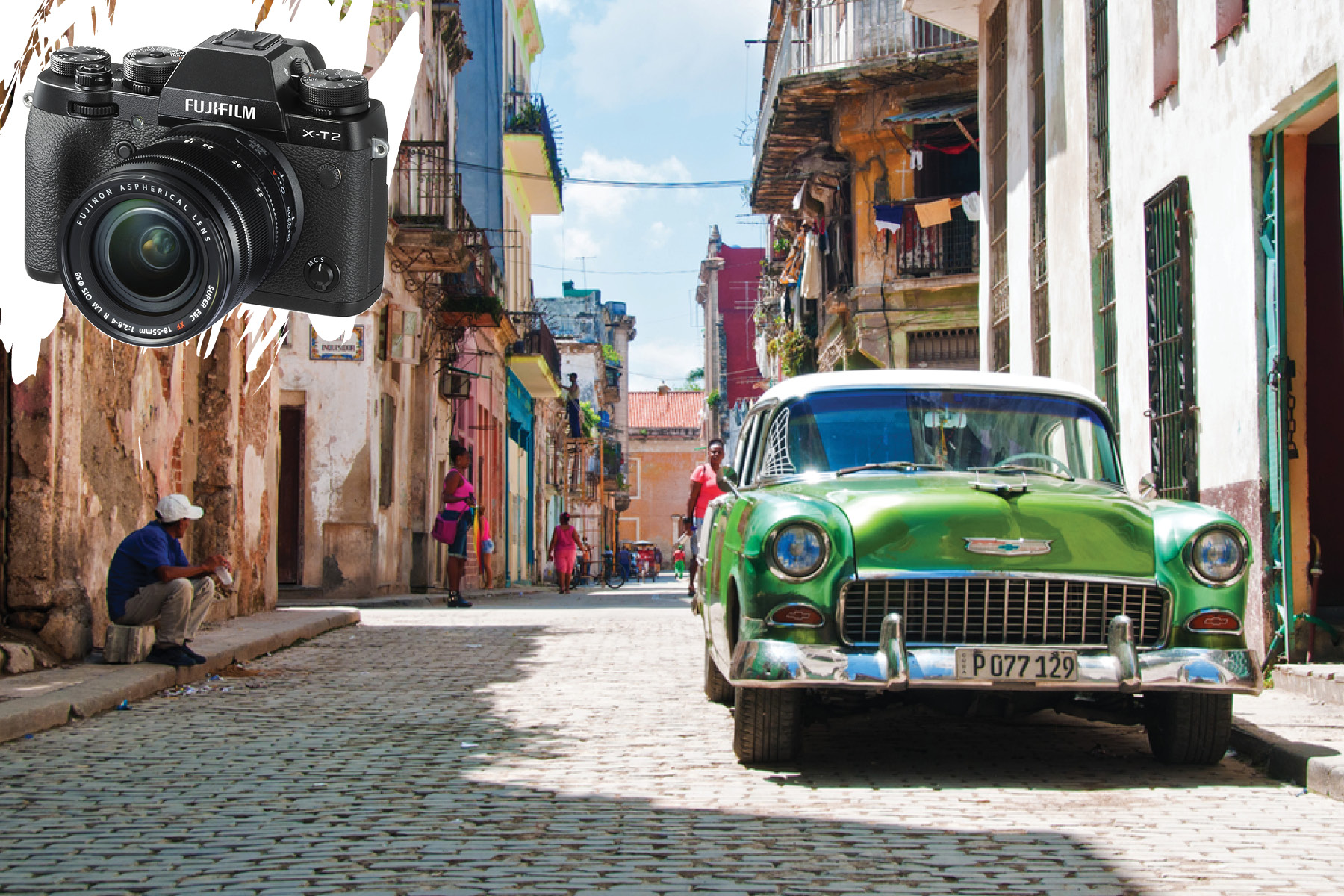
The X-T2 mirrorless camera features interchangeable Fujifilm X mount lenses and comes equipped with a 24.3-megapixel APS-C sensor. Fuji cameras produce gorgeous images, even in low light. Capture fast action at up to 8 frames-per-second with full autofocus tracking, or at up to 14 frames-per-second using the silent electronic shutter. Packed with Ultra High Definition 4K video recording complete with Fuji’s array of film simulations for both photo and video. For the best deal, go for the body and lens kit with an 18-55mm zoom lens.
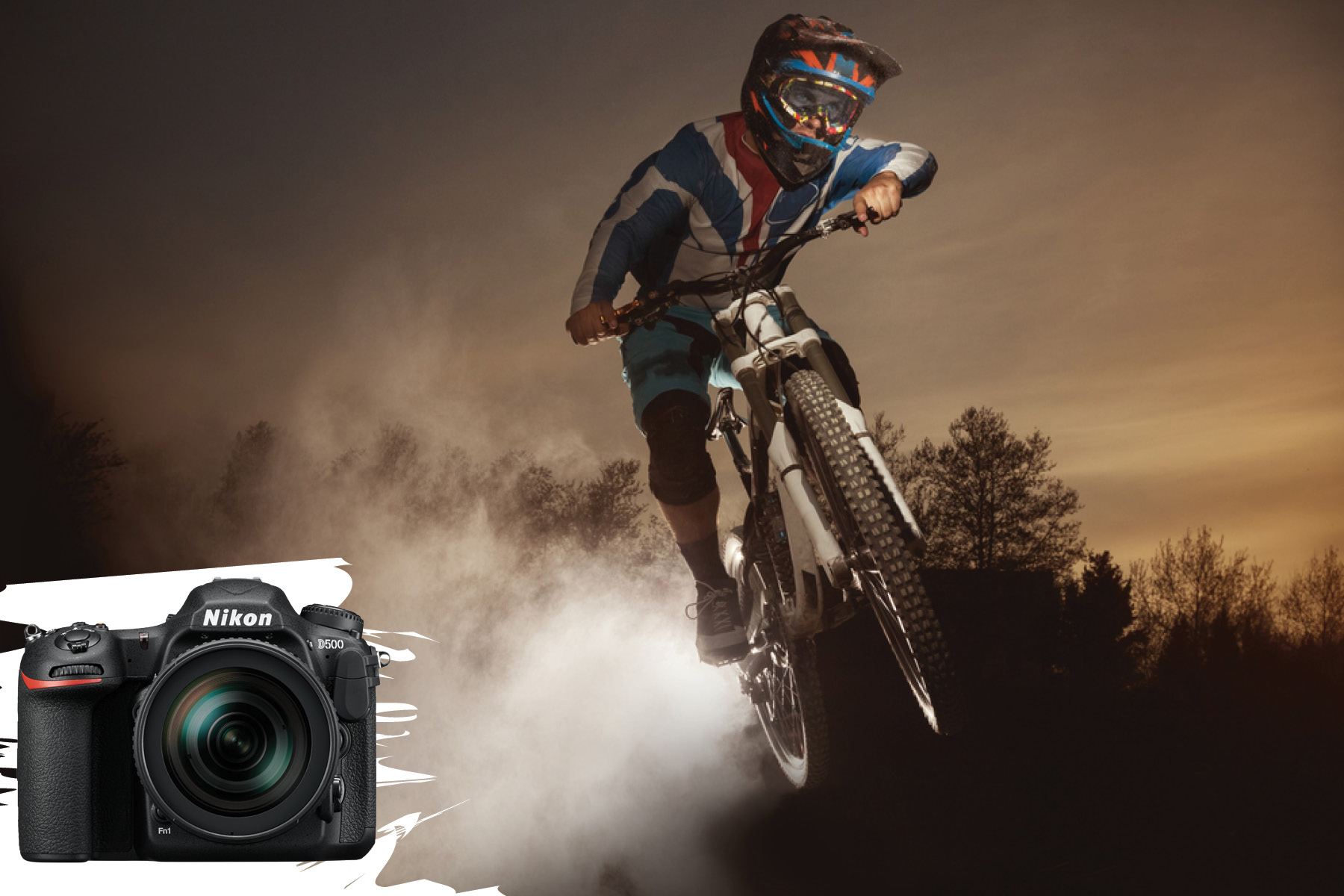
From Nikon’s DX-format DSLR line comes this robust, tough-as-nails, compact action camera, understudy to the pro-level FX line. Equipped with a 20.9-megapixel sensor, it excels for both still and video shooters with fast, ten frames-per-second continuous capability along with 4K UHD video recording. The unique sensor and processor combination delivers an astonishing 164,0000 ISO rating permitting shooting in virtual darkness.
It features a 153-point autofocus system for fast performance and accurate subject tracking. An articulating LCD touchscreen allows for comfortable shooting from high and low angles. It comes with Wi-Fi and Bluetooth connectivity for wireless image sharing. Its rugged magnesium alloy chassis is both dust- and weather-sealed for intrepid adventure travelers.

The retro-styled compact X100F recalls the classic Leica M cameras of decades past. With a fixed-focal length 35mm equivalent f/2.0 lens, the small Fuji is for photographers who enjoy a weightier feel in their hands with the simple, manual, external controls of traditional 35mm rangefinder cameras. Its advanced 24.3-megapixel APS-C sensor captures high-resolution still images and video even in low-light situations. Quick, accurate auto-focusing, fast shooting speeds, and compact size make this handsome gadget a faithful travel companion.
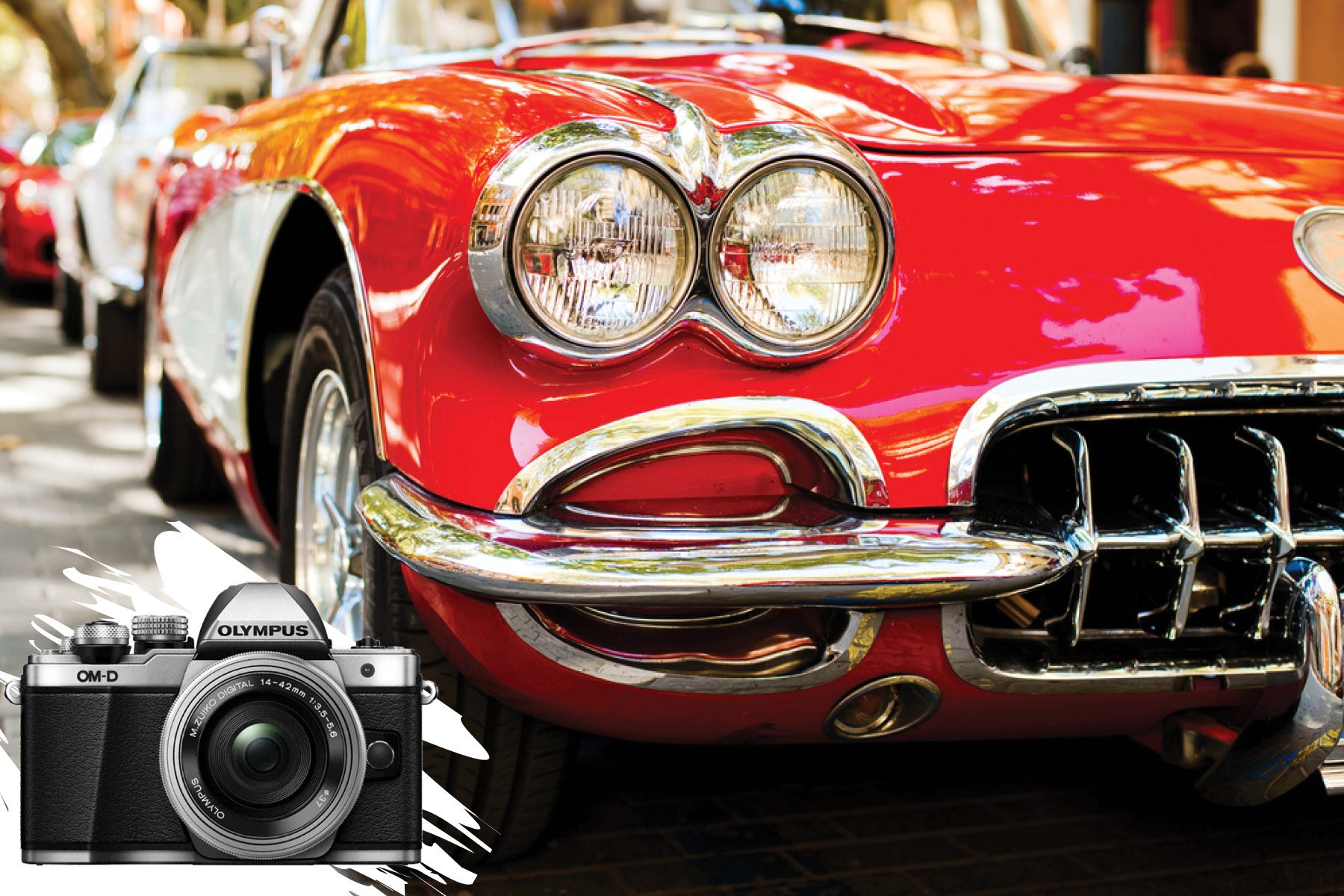
Another classic-inspired camera, the OM-D E-M10 Mark II is a mirrorless Micro Four Thirds fixed-lens body with a 14-42mm f/3.5-5.6 zoom lens. Capable of refined still captures and movie recording capabilities in nearly any situation, its 16.1-megapixels can fire at up to 8.5 frames per second. It also packs full high-def 1080p/60 video with impressive low-light performance. In-camera image stabilization compensates for up to 4 stops of camera shake, and its contrast-detection autofocus system features dedicated subject tracking modes.
A variety of shooting functions includes Silent Mode, which utilizes an electronic shutter for perfectly quiet image captures up to 1/16,000 of a second. Built-in Wi-Fi allows you to pair the camera with your smartphone or tablet for wireless sharing and remote camera control, and the interval shooting mode can be used to produce in-camera 4K time lapse movies.
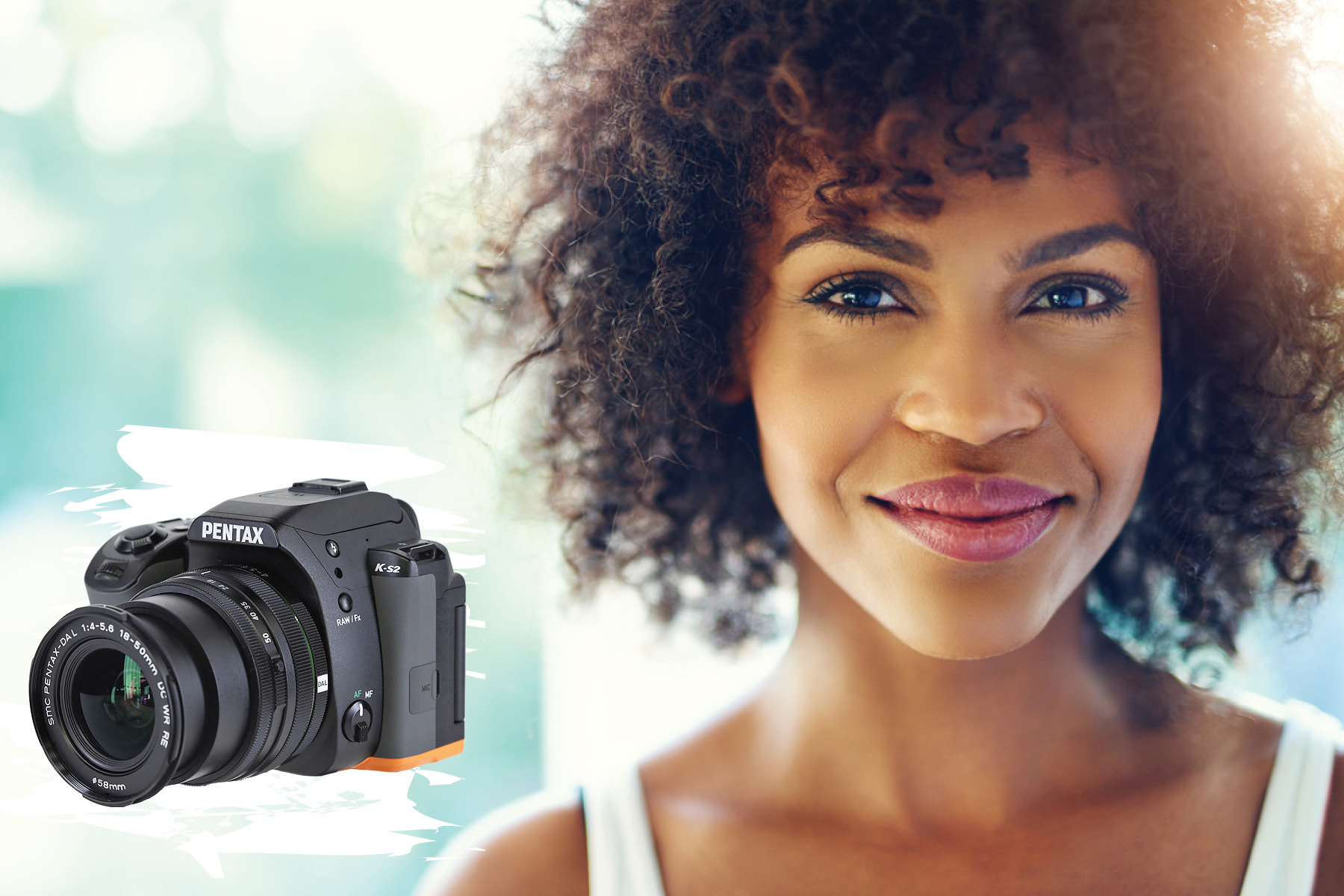
The compact, rugged, K-mount K-S2 Digital Single Lens Reflex with 18-50mm f/4.0-5.6 zoom lens features a 20.1-megapixel APS-C sensor in a weather-resistant body, ideal for active-lifestyle shooters who want versatility in a lightweight package. Built-in Wi-Fi allows wireless image transfer and camera control with your mobile device. Its Sensor-Shift image stabilization limits the camera shake that results from slower shutter speeds, as well as full HD 1080p video recording at up to 30 frames per second.
Enhanced image capture comes courtesy of high-speed auto-focusing, and extreme angles simplified by a variable-angle swing-out LCD monitor for reviewing and composing images. With a maximum shutter speed of 1/6000 second and continuous shooting rates of up to 5.5 frames per second, the K-S2 features advanced HDR and clarity enhancement modes for even more detailed and cleaner photographs with maximized dynamic range. Compatibility with Eye-Fi wireless flash memory cards makes sharing self-portraits captured with the selfie-button a snap.

A favorite take-along camera among professionals, the Lumix DMC-FZ2500 boasts a mix of advanced photographic capabilities, starting with its far-reaching super-telephoto Leica Vario-Elmarit f/2.8-4.5 zoom lens. With state-of-the-art sharpness delivering stunning results over an incredible 24-480mm equivalent zoom range, it’s paired with an outstanding 20.1-megapixel, high-sensitivity sensor providing top-notch video performance, including 4K format, with professional grading capability.
The built-in neutral density filter allows shooting wide-open apertures in bright light for capturing images with creamy depth of field. With creative control modes—including panorama and focus-stacking—too numerous to mention, the possibilities for making extraordinary images with the Lumix are infinite.
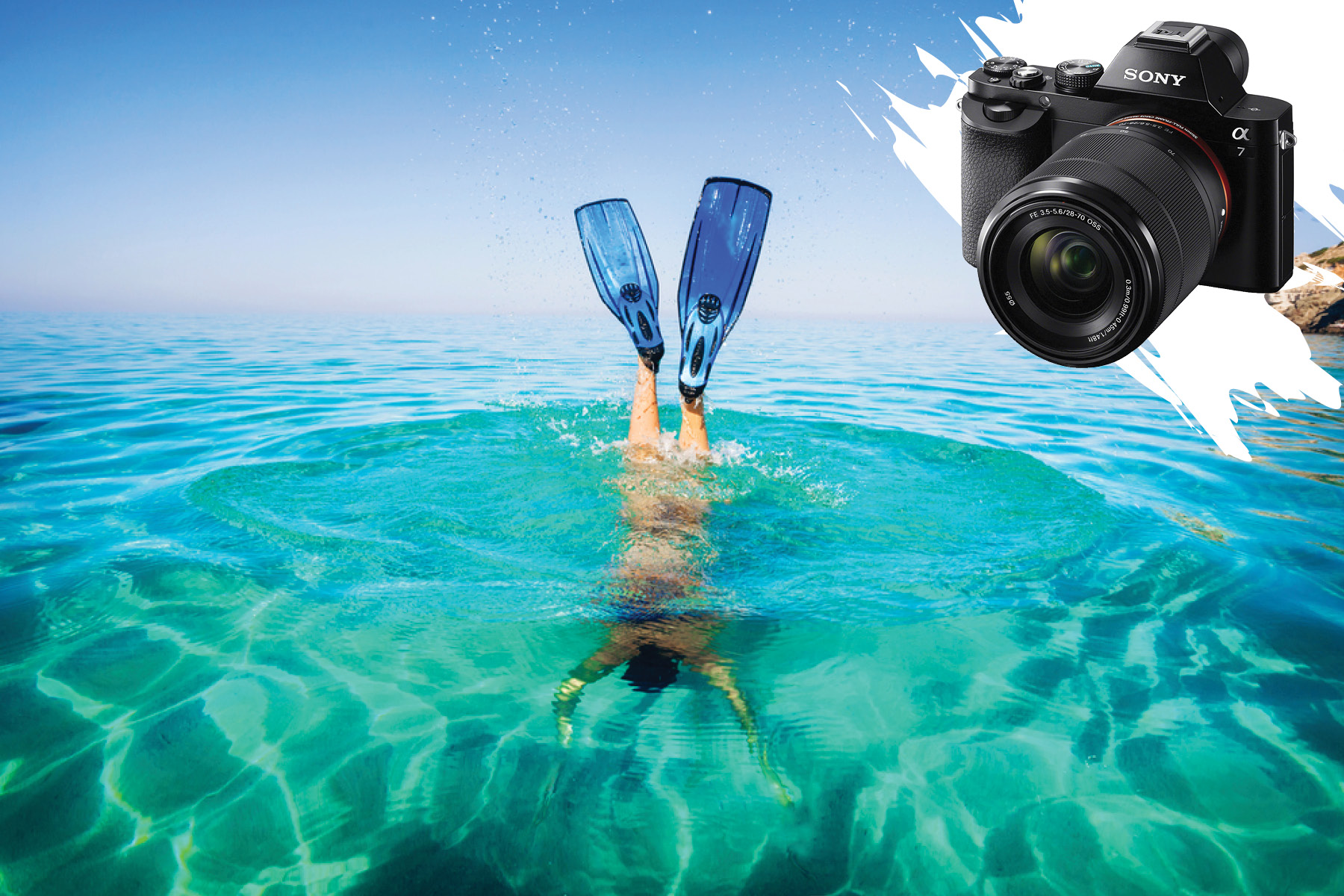
The Alpha a7 is a full-frame (equivalent to 35mm film; APS-C and micro four-thirds cameras use smaller ‘cropped’ sensors) mirrorless body that can be fitted with interchangeable Sony lenses or compatible third-party brands. At 24.3-megapixels, high resolution, richly detailed images—even in low light—are effortless. The enhanced Hybrid Autofocus system combines a 117-point phase-detection autofocus system delivers speed and accuracy for capturing the decisive moment.
Sony’s amazing Eye AF Control offers precise eye-detection that place focus directly on the subject’s eye, even when partially turned away. Complete with full-feature video and audio capability, all Wi-Fi enabled for easy image transfer and remote control from smartphones and tablets. Go for the Alpha a7 kit which includes the new FE 28-70mm f/3.5-5.6 optical SteadyShot E-mount lens. This wide-to-portrait zoom incorporates image stabilization for shooting at low shutter speeds.

Loaded with a high-resolution 24.2-megapixel sensor, the compact T6i DSLR punches above its weight class, delivering pro-grade stills and video. With Canon’s versatile 18-55mm standard zoom lens it’s ready for everything from bright sunlight to dim nighttime settings. Wi-Fi connectivity allows for wireless transfer of images and video to social networks and cloud storage via the Camera Connect mobile app, with Near Field Connectivity enabling fast connections to mobile devices.
The Movie Servo auto-focus mode allows for smooth and silent continuous AF in video mode when paired with an STM-designated lens, Canon’s Stepper Motor technology designed specifically for video shooting. The T6i is a full-frame camera ideal for low-budget filmmaking, travel, and photojournalism, and compatible with Canon’s excellent full line of specialty prime and zoom lenses.
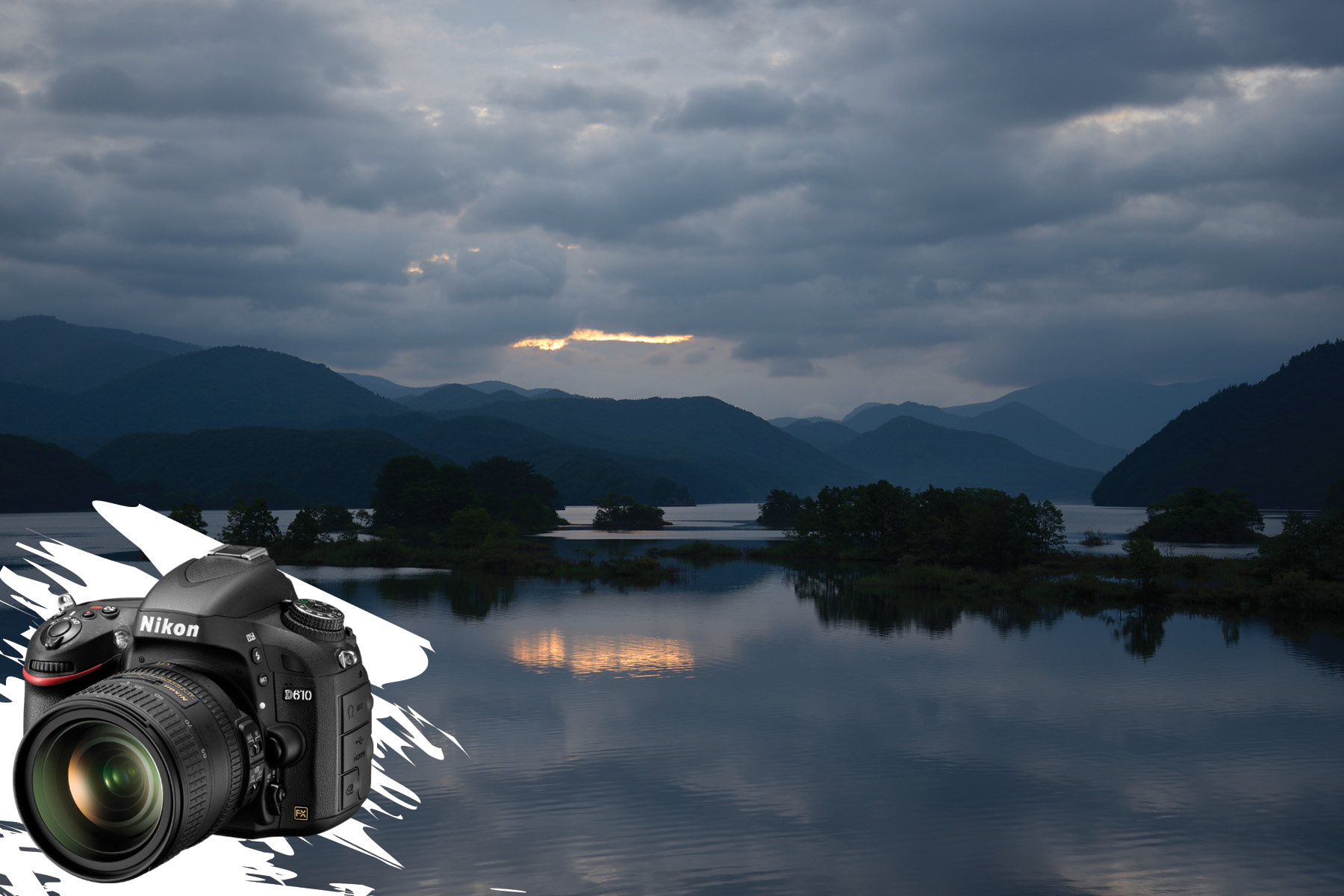
The D610 occupies the sweet spot between entry-level full frame DSLRs and professional outfits like Canon’s 5D Mark III and Nikon’s D810—even outperforms those bad boys with a faster burst rate and a much lower price barrier for entering full-frame professional-level DSLR photography. It features an FX-format 24.3-megapixel sensor for high-resolution stills and full HD 1080p video with magnificent image detail and impressive low-light sensitivity with wide dynamic range for smooth color and tonal gradations.
With a continuous shooting rate of 6 frames per second and a quiet shooting mode that allows sequential recording minus the prism mirror slap. Get the kit including the superb Nikkor 24-85mm f/3.5-4.5G ED VR (Vibration Reduction), wide-angle to portrait-length zoom lens.
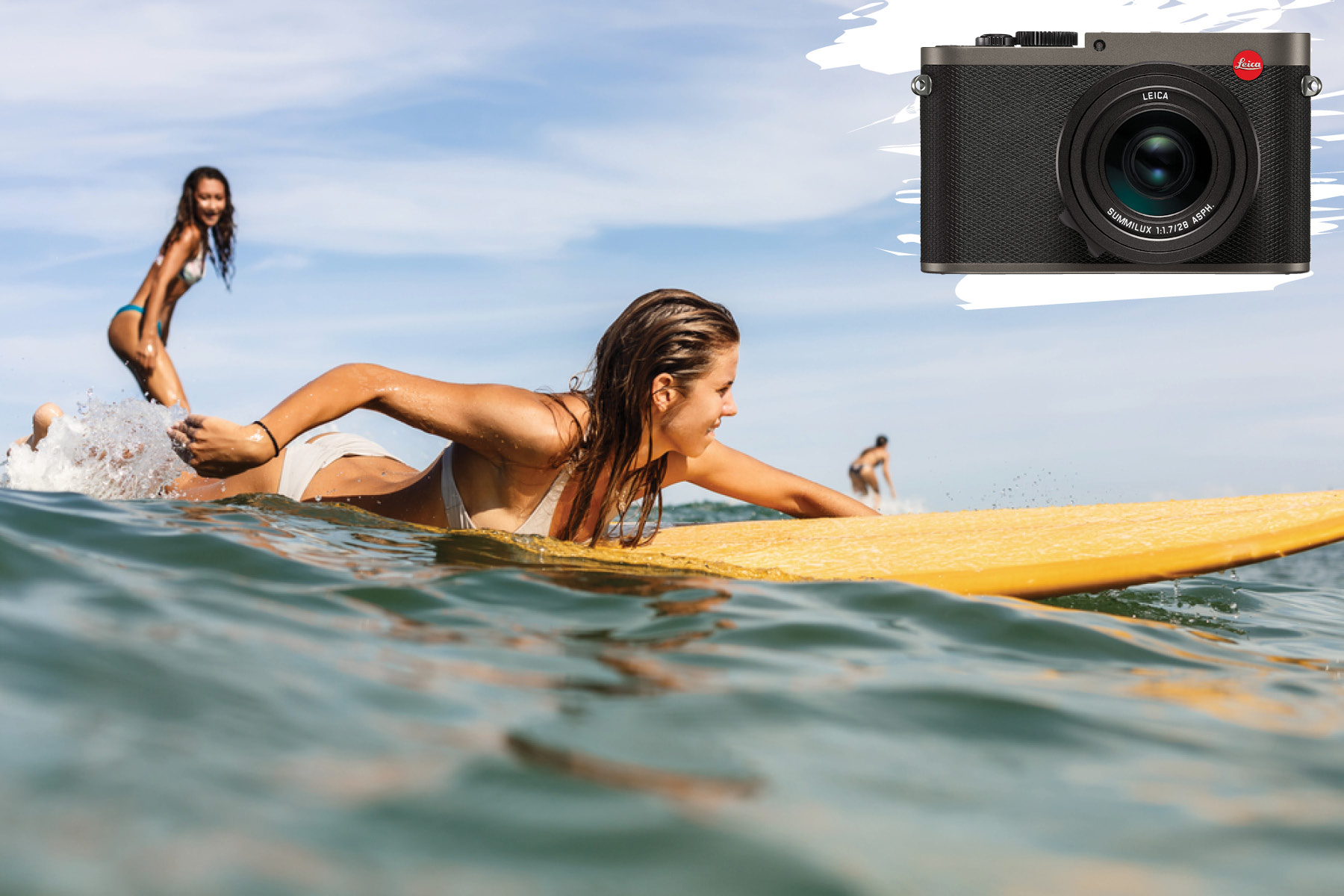
Considered one of the best compact travel cameras ever, the no-compromise Leica Q (Typ 116) sports a full-frame 24.2-megapixel sensor within its portable, exquisitely designed body. Powered by the Leica Maestro II series image processor, you can fire away professional-grade images at the blazing rate of 10 frames per second.
The camera features that oh-so-special Leica glass, in this case, a fixed Summilux 28mm f/1.7 lens that, when used wide-open, allows for dramatic separation of subjects from the background. Its electronic viewfinder is class-leading with live through-the-lens viewing in addition to fully manual controls using the aperture and focus rings on the lens. Auto focus is instantly available at the click of the shutter or via touchscreen LCD monitor by tapping on the subject. Image sharing is simple with the integrated Wi-Fi module.
The Q also features an NFC chip for tap-to-connect functionality with compatible devices and the free Leica Q app lets you take remote control of the camera for adjusting exposure while shooting from extreme angles. The Leica Q’s intuitive, minimal design, compact form, and leading-edge technology conspire to produce optimal image quality, which all make you look good.
