63 Facts About America’s Most Beautiful National Parks

iStock
With 63 official national park across 3.8 million square miles, the United States offers some of the most awe-inspiring landscapes in the world – from glowing lava falls to singing sand dunes. As the third-largest country in the world, it’s no surprise that America has so much natural beauty . But how much do you know about them, really? Beyond their Instagram-worthy views, these parks hold some jaw-dropping secrets. Let’s dive into the weird, wild, and wonderful with these fascinating facts about U.S. national parks you probably didn’t know.
RELATED: The 10 Best U.S. National Parks for Hiking .
Shutterstock
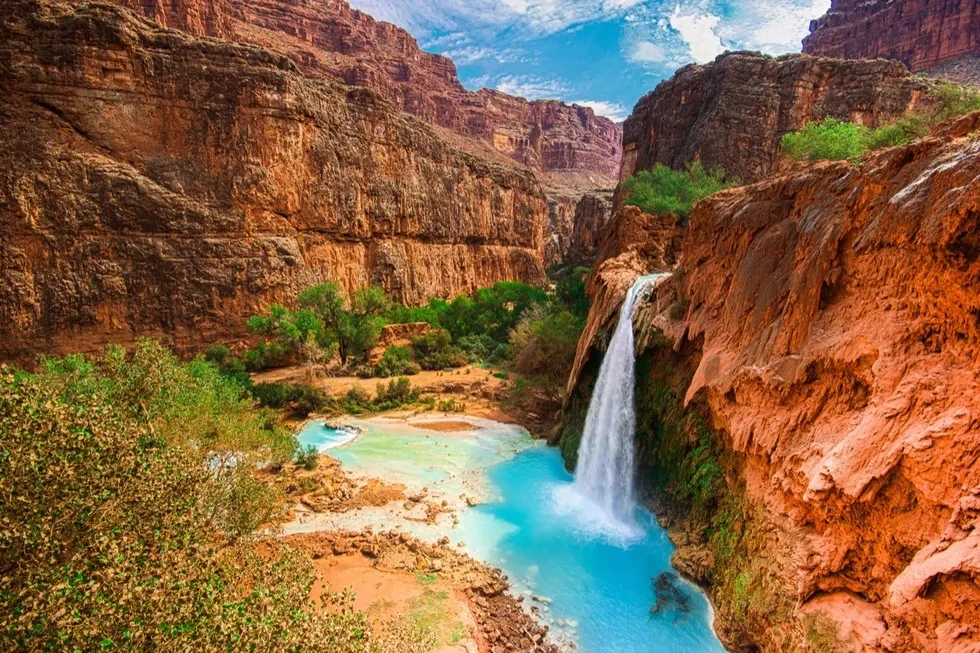
As a natural wonder of the world, the Grand Canyon is one of the most popular tourist attractions in America. But while most travelers only come for a quick visit, there is actually a community that lives full-time at the base of the canyon.
Within the Havasupai Indian Reservation , Supai Village has a population of 208 and is the most remote settlement in the lower 48. In fact, it’s so off-the-grid that the mail has to be delivered by pack mule .
Shutterstock
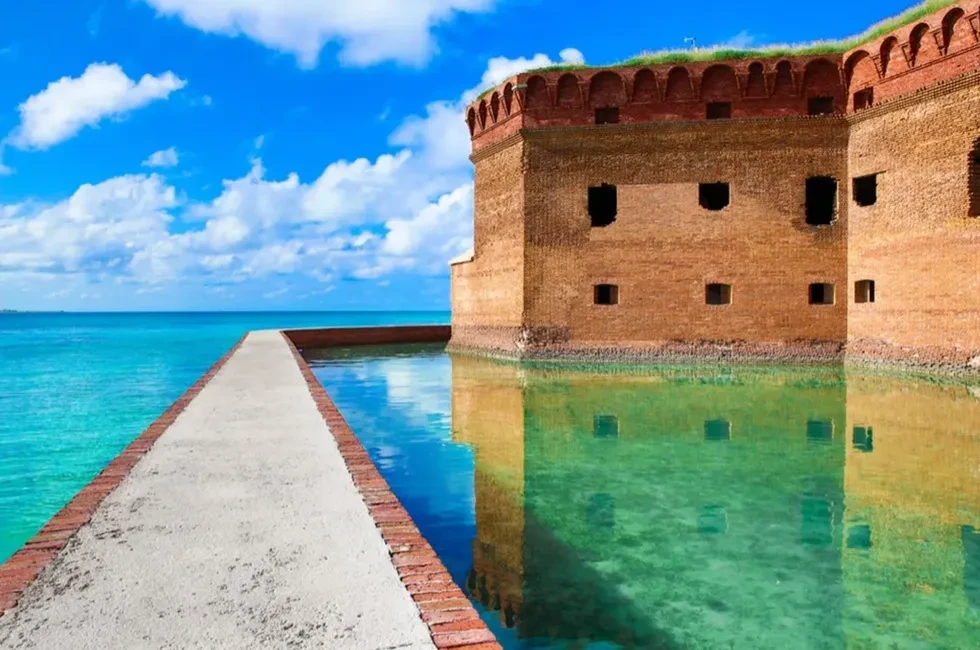
Dry Tortugas National Park spans a series of islands some 70 miles from Key West. Its striking centerpiece, Fort Jefferson, is an unfinished coastal fortress that is the largest brick masonry structure in the Western hemisphere. During the Civil War, it served as a prison and had famous inmates such as Samuel Mudd , who was involved in President Abraham Lincoln’s assassination.
Shutterstock
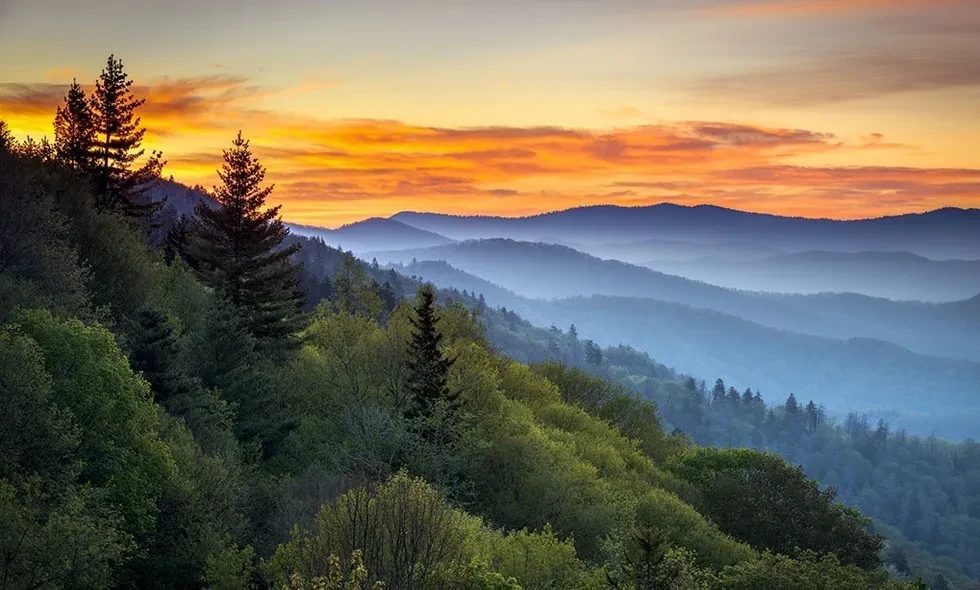
The Great Smoky Mountains have vast amounts of wildlife, but we bet you didn’t know it was also considered the salamander capital of the world. In fact, more than 30 diverse species of salamanders live here.
And apparently, the world is full of fans because this area remains the most visited national park across the U.S.
iStock
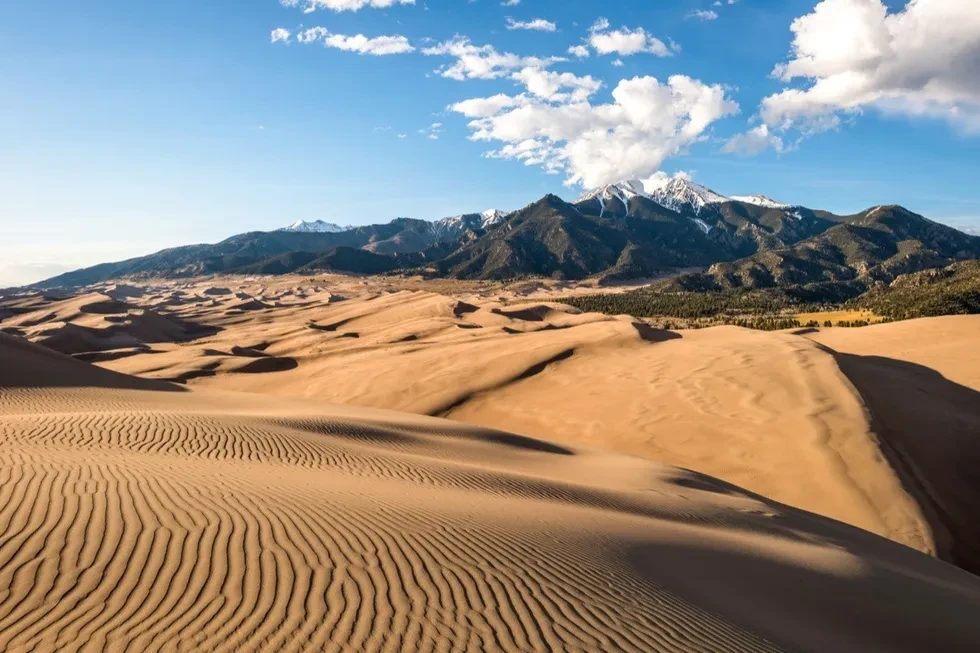
This Colorado national park is home to the tallest sand dunes in North America, soaring about 750 feet in the sky. But the dunes have a special secret: They sing!
When there’s an avalanche, the sand starts to hum deeply . This sound was the inspiration behind Bing Crosby’s 1942 hit “The Singing Sands of Alamosa.” If you want to see them for yourself, rent a sandboard or sled to zoom down the sandy slopes!
Shutterstock
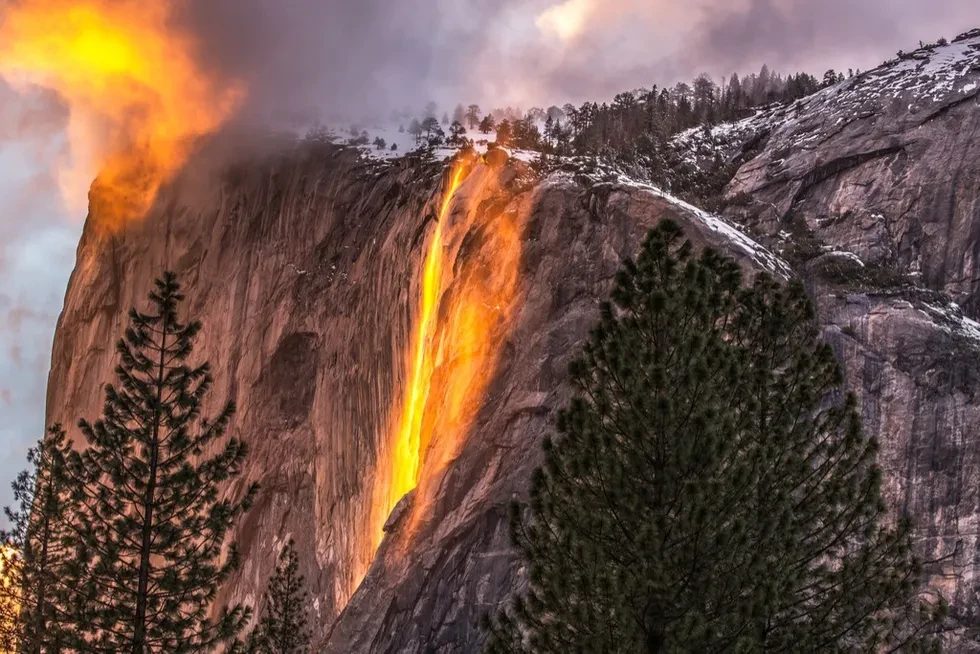
At golden hour in mid- to late-February, Horsetail Fall in Yosemite National Park is transformed. The way the sun’s rays hit the cascade, it looks like a fiery lava flow off the side of a cliff.
This is also a nod to the park’s historic Firefall , which started in 1872 when the owner of the Glacier Point Hotel would throw campfire embers from the summit of Glacier Point every night (until the practice ended in 1968).
Shutterstock
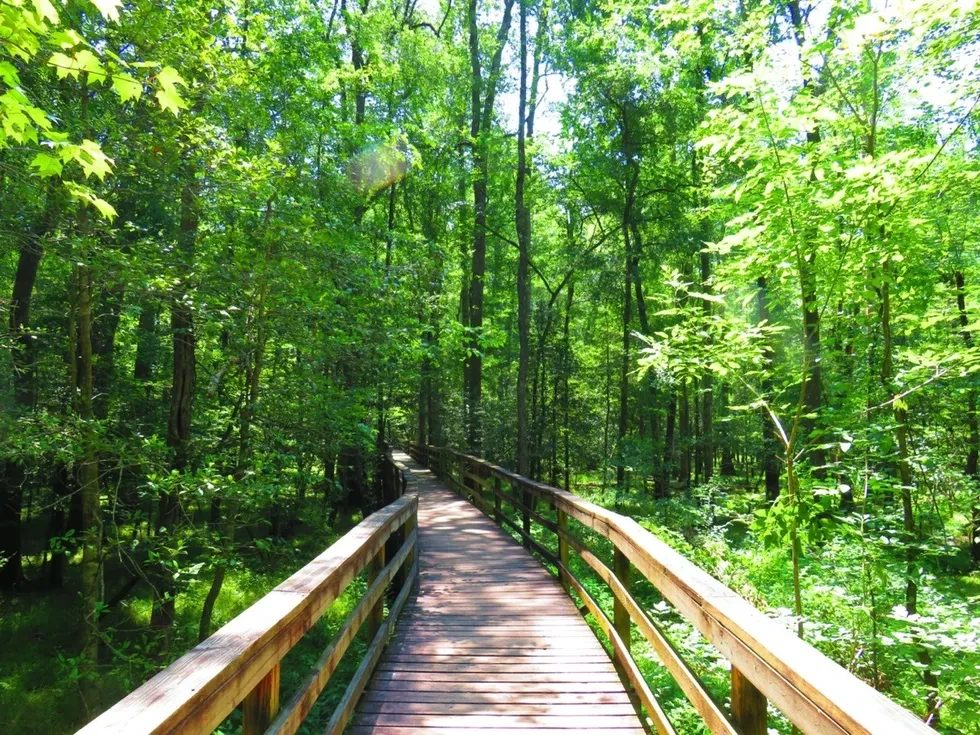
Congaree has the largest old-growth bottomland hardwood forest in the U.S. Even more phenomenal? For a month in early summer , between the end of May and the start of June, thousands of fireflies simultaneously light up each night at exactly the same time for a magical natural show.
Shutterstock
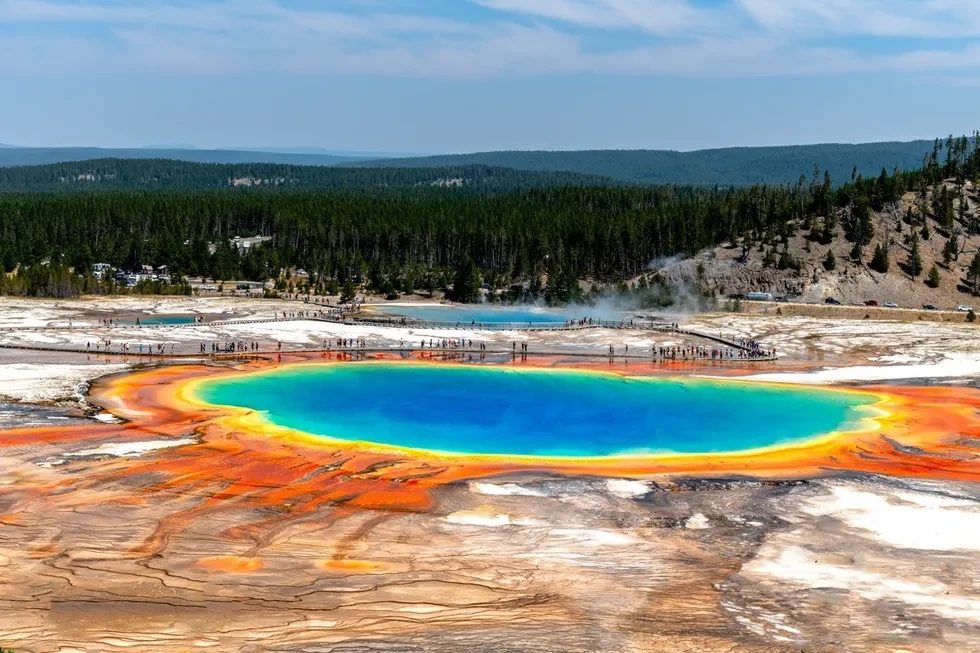
Yellowstone National Park is one of the most iconic in America—and also the world’s first national park (established in 1872 by President Ulysses S. Grant ). It has the largest number of mammal species, its own Grand Canyon, and half the world’s hydrothermal features, including mud pots, geysers, and hot springs. The latter are so acidic, they can actually dissolve a human body overnight .
Andriy Blokhin / Shutterstock
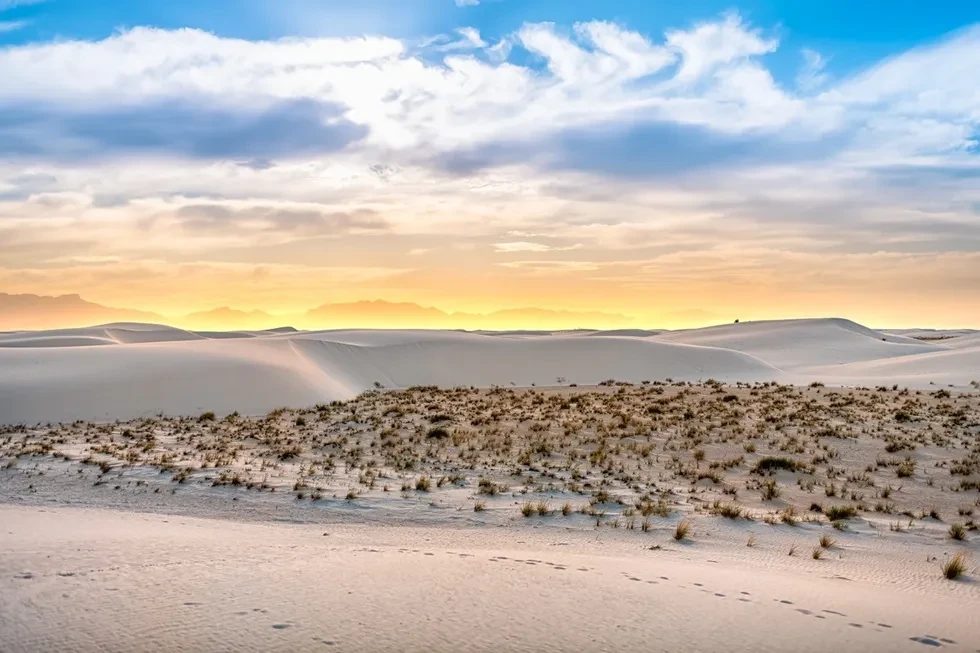
One of the newest national parks , White Sands, is nothing but an optical illusion. First off, it’s not actually made of sand—it’s a gypsum dune field (and the largest of its kind on the planet). The crystals reflect the sun, making them shimmer white to the human eye and feel cool to the touch.
And if you see some antelope crossing the ribbed dunes—that’s not a mirage. In the 1970s, 95 African oryx were imported from the Kalahari Desert.
iStock
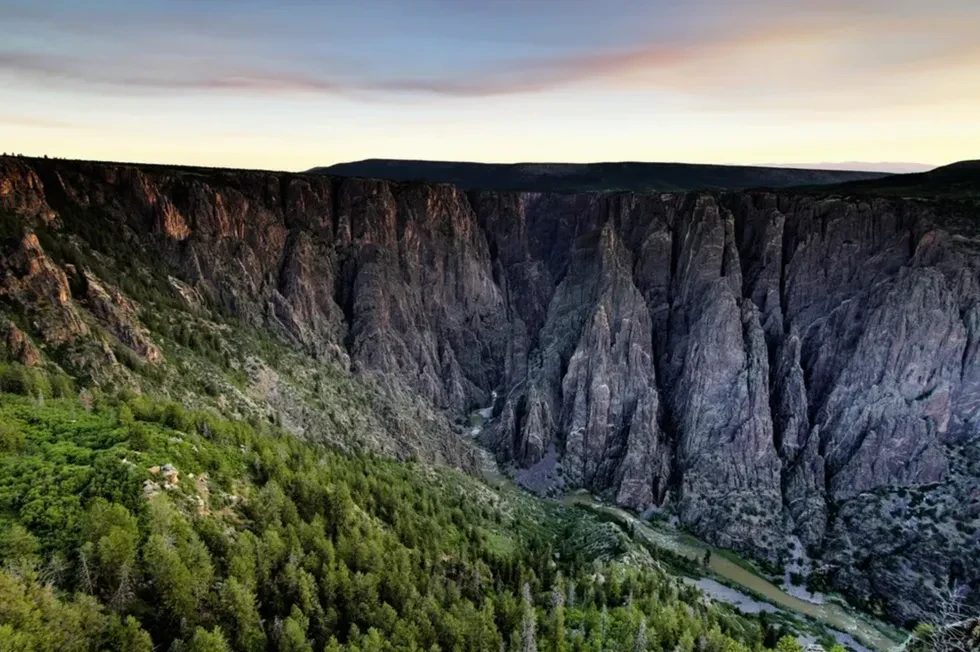
Instead of being named after the color of its rocks—as one might think—this Colorado national park is called “Black Canyon” for the way the sunlight hits it. Because the canyon walls are 2,722 feet tall in the deepest part, the rays only reach the very bottom for 33 minutes each day.
Romiana Lee / Shutterstock
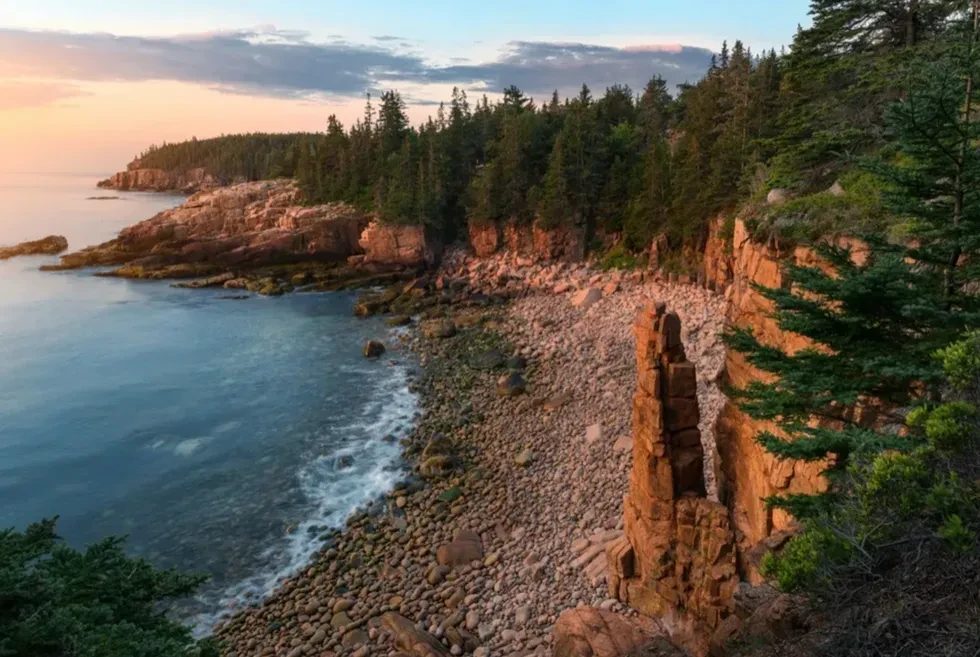
Acadia is home to the East Coast’s tallest peak, Cadillac Mountain , which measures up to 1,530 feet. It’s also the first place you can spot the sunrise in America from early October to March.
And that’s not all! Acadia happens to be “the first national park created from private lands gifted to the public through the efforts of conservation-minded citizens,” according to the National Park Service.
Shutterstock
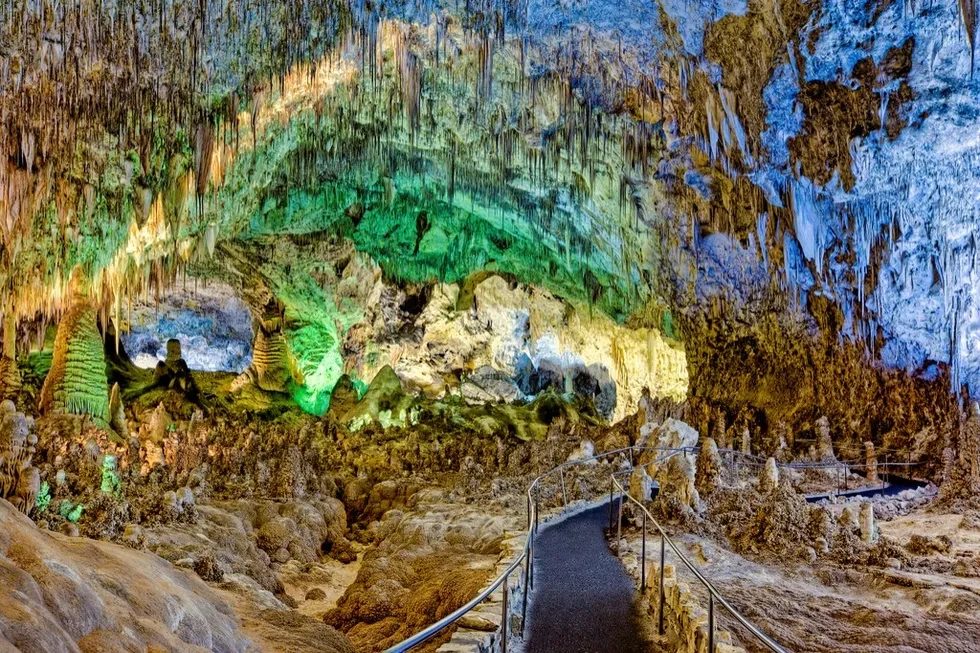
This 47,000-acre national park —which was once part of an ancient underwater reef—contains more than 120 caves beneath its surface. Although visitors in the early 20th century had to be lowered into the caves in a bucket, it is now very easy to access. So simple, in fact, that an underground lunchroom was built in one of the chambers 750 feet below ground.
iStock
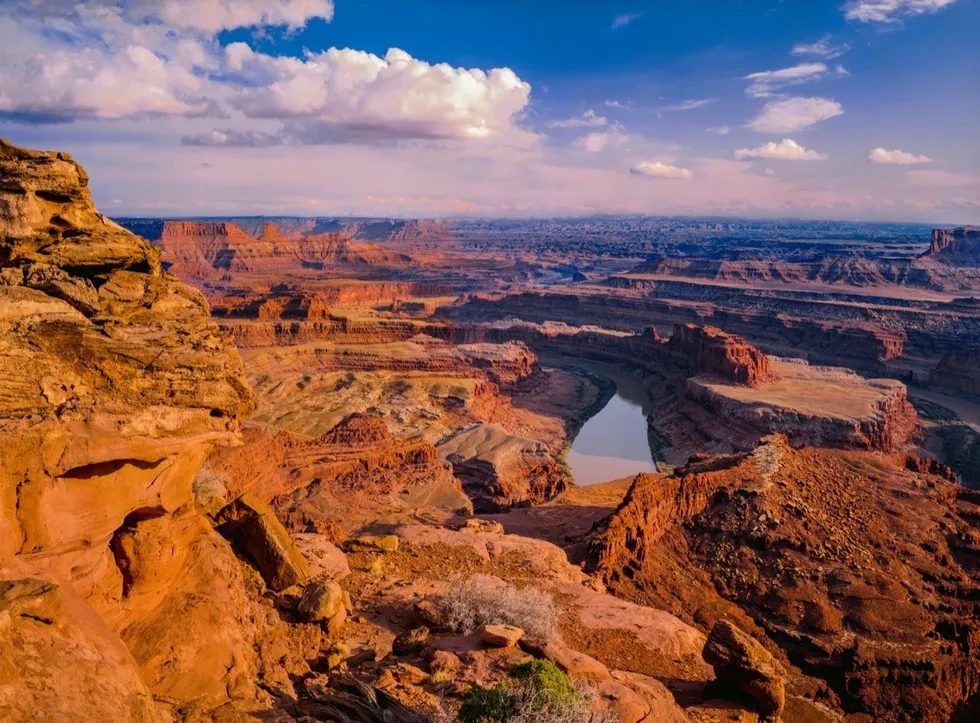
Key scenes from Thelma & Louise were filmed in this national park . Today, a Thelma & Louise half-marathon is run every year through the Canyonlands in honor of the 1991 classic.
iStock
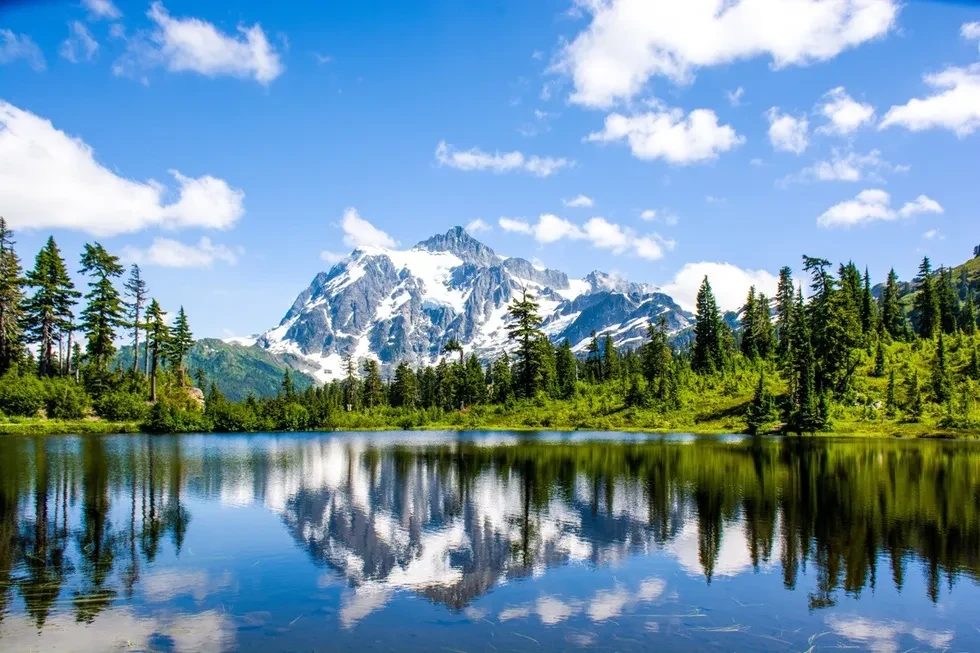
For two months, author Jack Kerouac worked at this Washington national park as a Park Service fire spotter and lived in a cabin on Desolation Peak. He later used this experience as material for two novels , including The Dharma Bums .
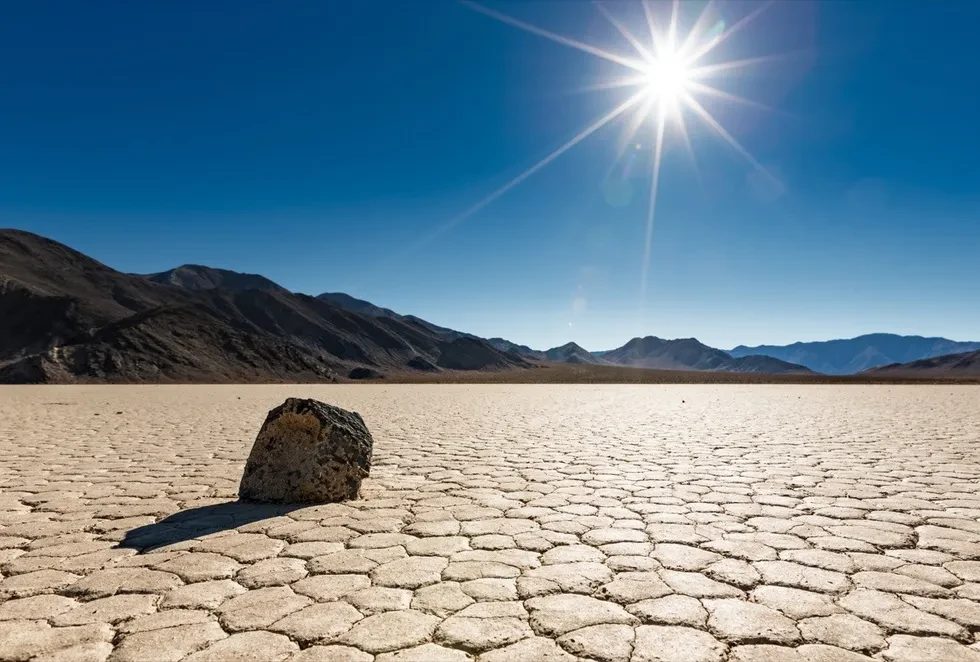
<img loading=“lazy” src=“https://bestlifeonline.com/wp-content/uploads/sites/3/2025/06/2668889412_5127_content.jpg?quality=82&strip=all" onerror=“this.onerror=null;this.src=‘https://blogger.googleusercontent.com/img/a/AVvXsEhe7F7TRXHtjiKvHb5vS7DmnxvpHiDyoYyYvm1nHB3Qp2_w3BnM6A2eq4v7FYxCC9bfZt3a9vIMtAYEKUiaDQbHMg-ViyGmRIj39MLp0bGFfgfYw1Dc9q_H-T0wiTm3l0Uq42dETrN9eC8aGJ9_IORZsxST1AcLR7np1koOfcc7tnHa4S8Mwz_xD9d0=s16000';" alt=“A lone “sailing rock” sits basking in the bright unrelenting sun at Racetrack Playa in Death Valley National Park, California - 15”>
iStock
Death Valley National Park is famous for holding the record for the hottest place on Earth , where the temperature was recorded at 134 degrees in 1913. What people might not know, however, is that it’s also the largest national park outside Alaska, with over 1,000 miles of roads to explore.
RELATED: 6 National Parks to Visit While You Still Can .
Shutterstock
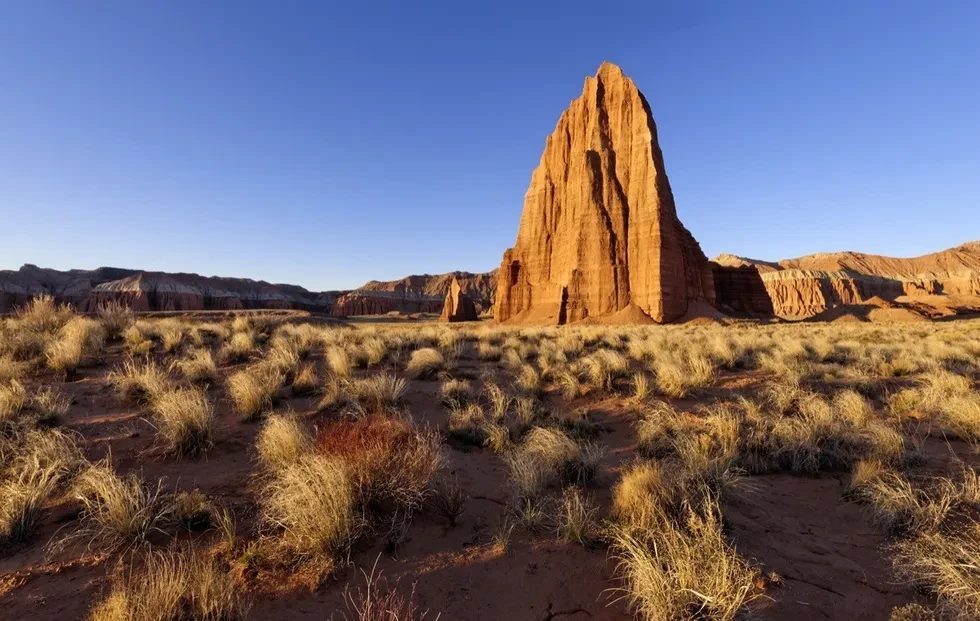
There’s one fairly unusual activity you can participate in while you’re here: fruit picking. The national park in Utah has 1,900 fruit trees , including apple, pear, peach, and cherry trees. Visitors are allowed to pick and eat the fruit from them—just weigh your bounty at the self-pay station.
Shutterstock
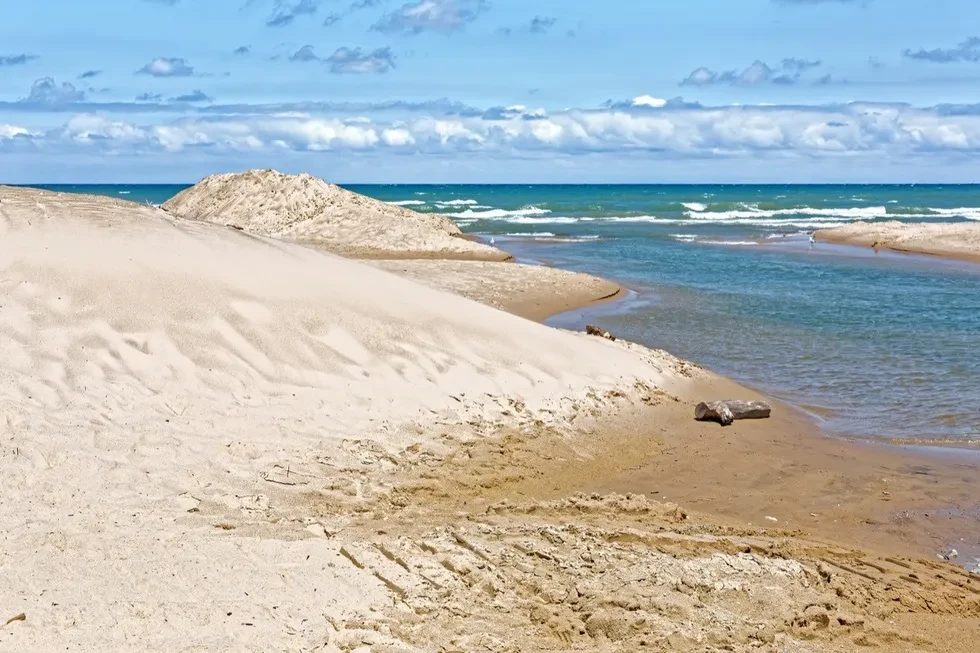
This park on the shore of Lake Michigan may be known for its sand dunes, but it’s also home to savannas, marshes, prairies, forests, swamps, and more within its 15,000 acres . In fact, it’s actually one of the most biodiverse areas on the continent, with more plant and animal species than Hawaii .
iStock
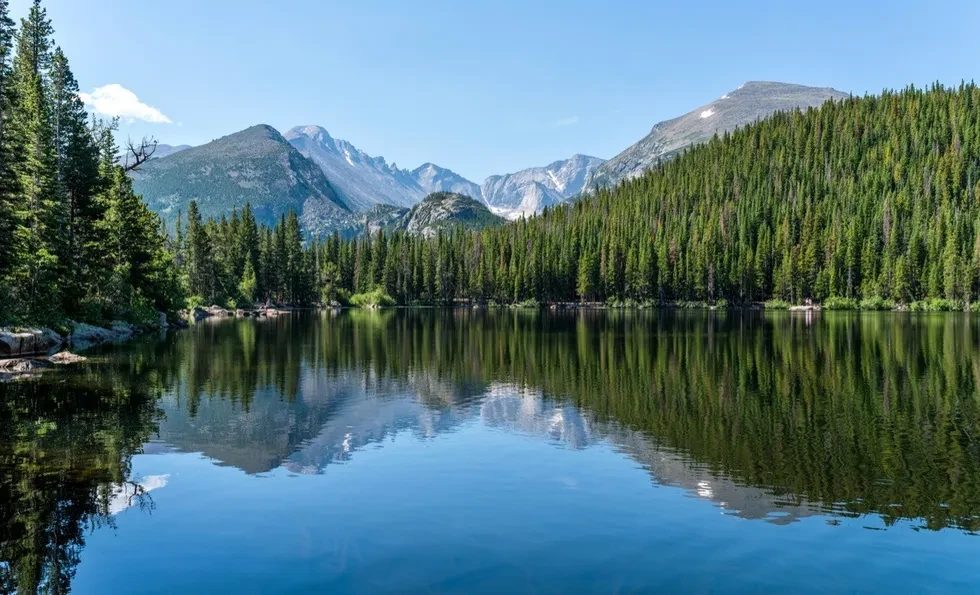
In 1916, sisters Esther and Elizabeth Burnell first visited Rocky Mountain National Park. They loved it so much that they trained to become the first female naturalists certified by the National Park Service. After that, Esther snowshoed 30 miles across the Continental Divide, and Elizabeth spearheaded the park’s trail school for more than a decade.
iStock
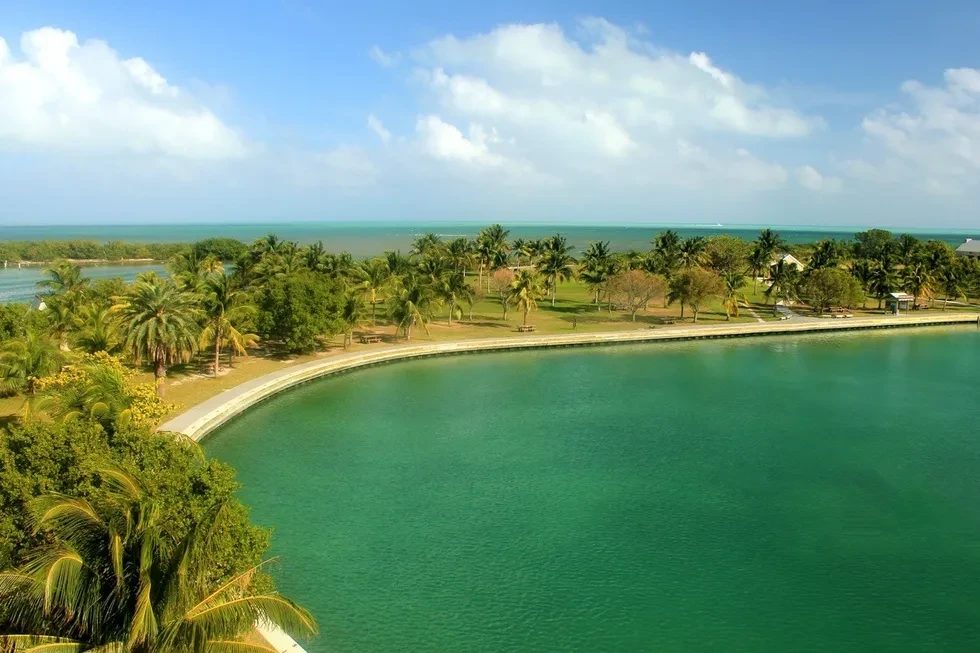
Did you know that 95 percent of Biscayne National Park is located underwater? Here, you’ll find no fewer than 44 documented shipwrecks , though there are hundreds more yet to be discovered .
Some date back to the 1500s, but only six of the wrecks have been mapped for divers to explore.
iStock
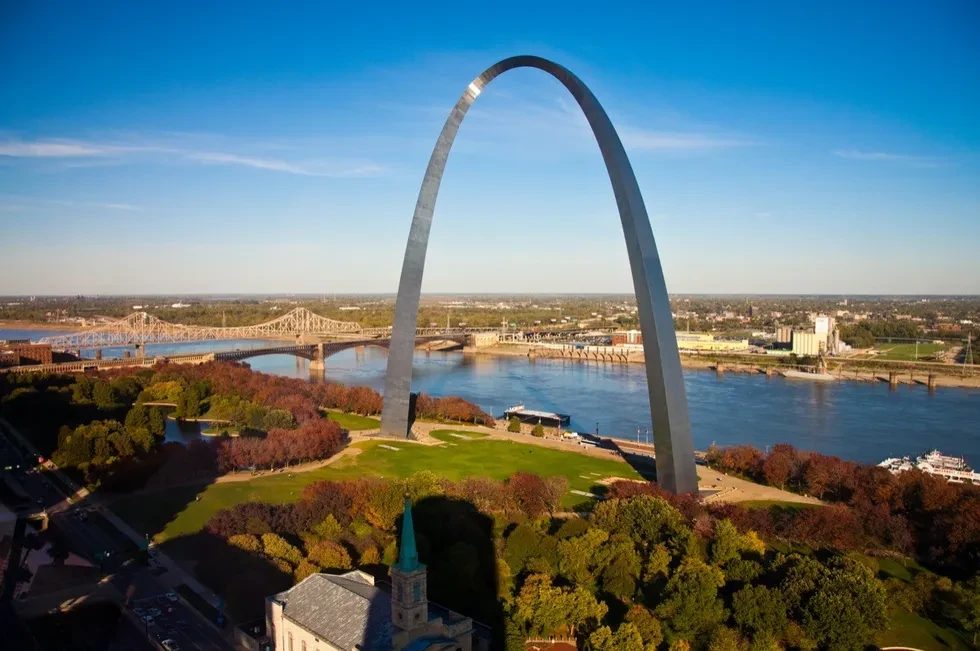
Usually, national parks are found in the wilderness, not in the middle of a city. But St. Louis’ 192-acre Gateway Arch National Park is right in the heart of downtown, making it the country’s smallest national park .
And there are some optical tricks at play here, too. Despite how it might look, the riverfront arch is exactly as wide as it is tall (630 feet). That is twice the height of the Statue of Liberty!
iStock
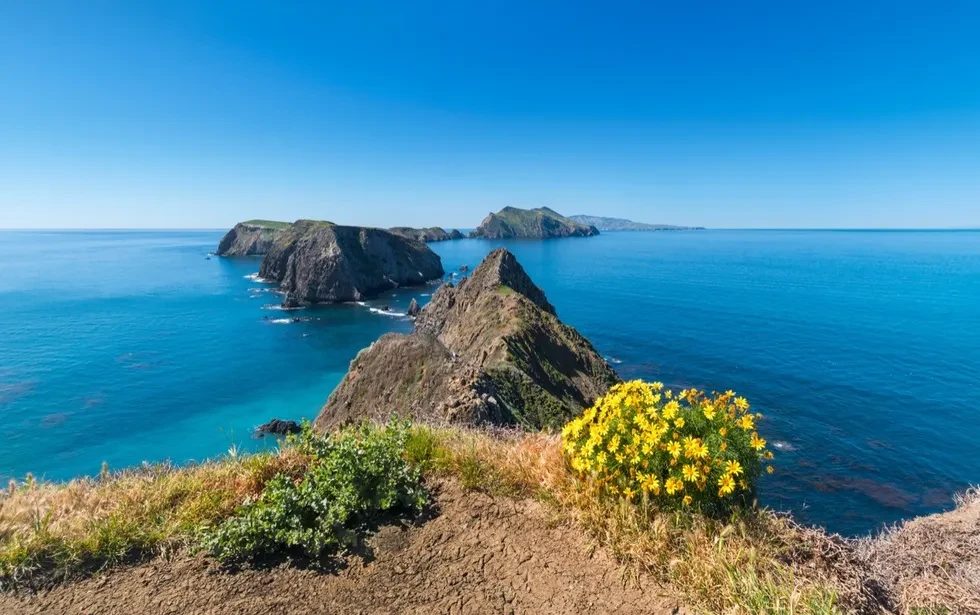
This group of five islands off the California coast—Anacapa, Santa Cruz, Santa Barbara, Santa Rosa, and San Miguel—is often referred to as the “Galapagos of North America” due to their endemic plants and plentiful wildlife. Beyond animals, the oldest human bones on the continent (dating back to 13,000 BCE) were found on Santa Rosa Island. These remains were named the Arlington Springs Man.
iStock
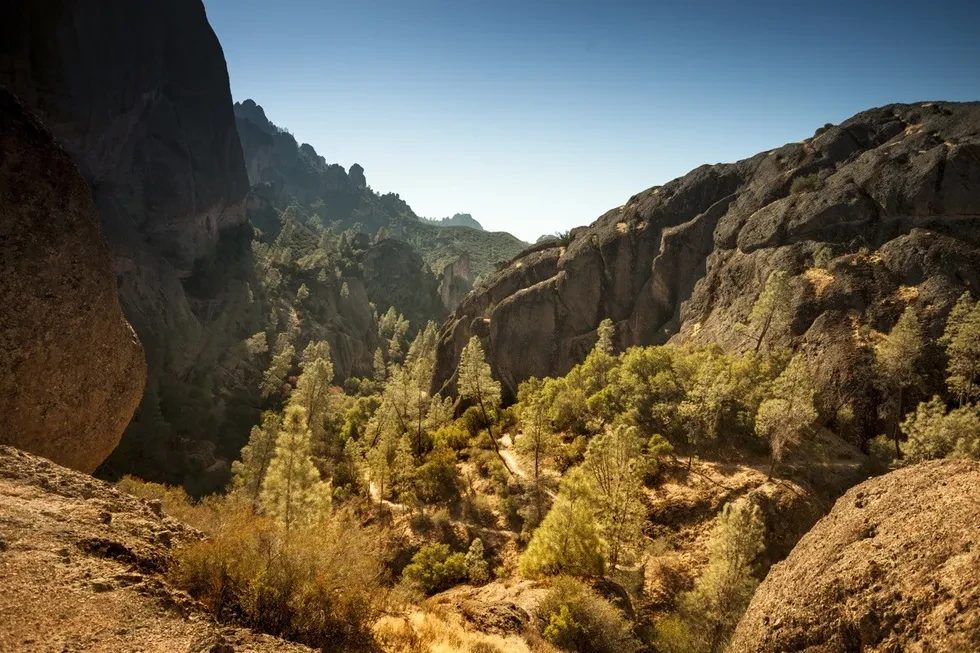
A new addition to the United States’ lineup of national parks (it was established in 2013), Pinnacles is one of the only places on the North American continent where you can see the endangered California condor —famous for its almost 10-foot wingspan—fly free.
Shutterstock
Shutterstock
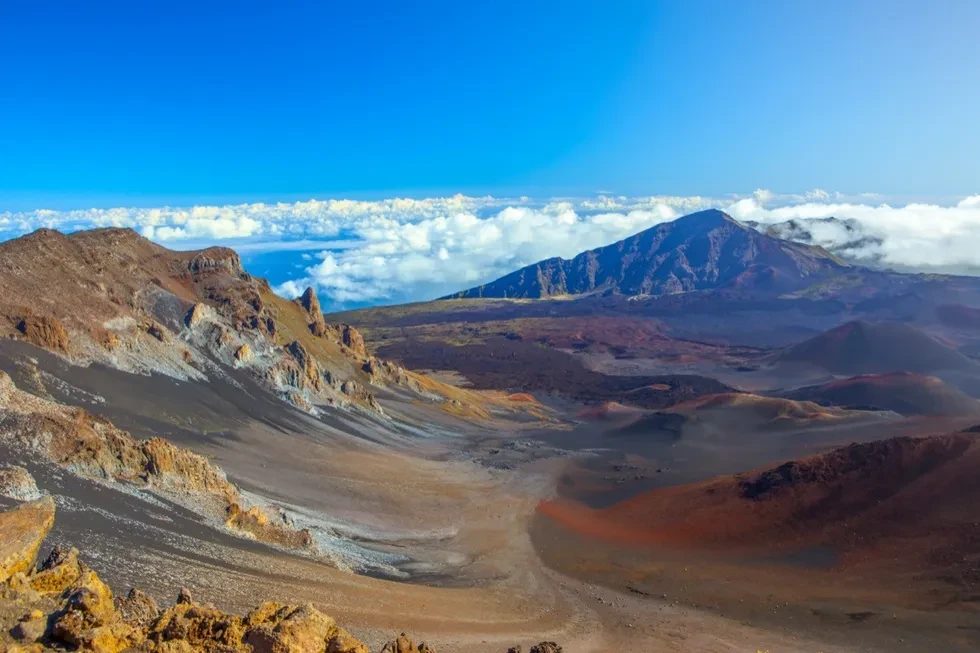
Hawaii’s first astronomical observatory is located on the summit of Haleakalā, the park’s eponymous volcano and Maui’s tallest summit (10,023 feet tall). It’s located above one-third of Earth’s atmosphere, and thanks to its setting, it’s one of the most significant observatories in operation.
iStock / Olena Suvorova
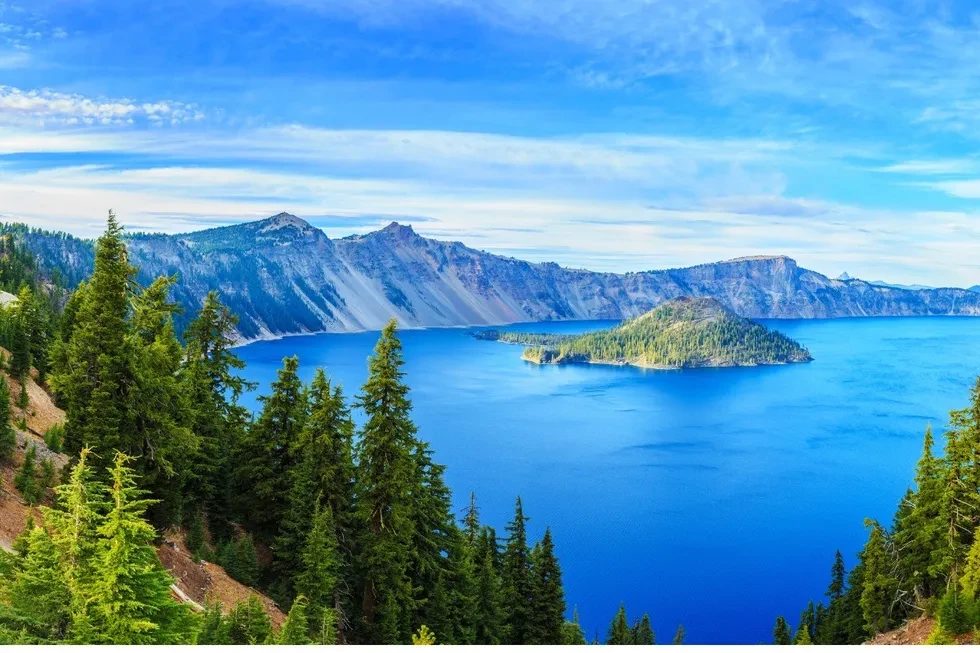
Crater Lake has some serious bragging rights. At 1,943 feet, it’s the deepest lake in the U.S. (For comparison, One World Trade Center in New York City is 1,776 feet tall.) All of its water comes from snow or rain; there aren’t any streams or rivers feeding into this freshwater marvel.
RELATED: 10 State Parks That Are Even Better Than National Parks, Experts Say .
Steven Schremp/Shutterstock
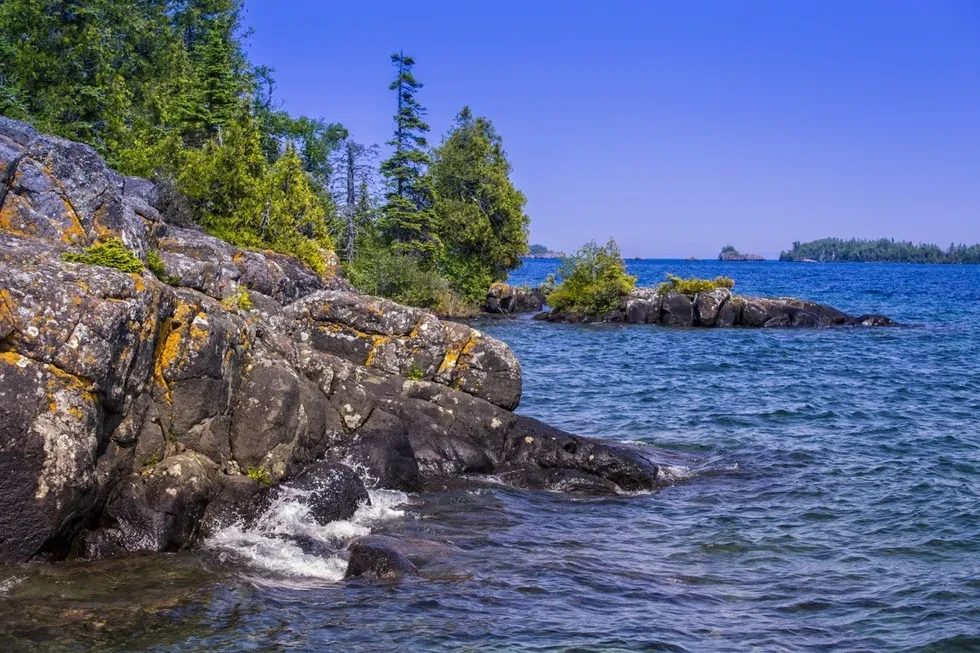
There’s usually not a ton to do in national parks other than hiking. Not so with Michigan’s Isle Royale. Here, the average visit time is 3.5 days compared to a four-hour visit on average for other national parks.
Wilderness camping is the name of the game, so backpackers have to bring everything they need for a few days of roughing it.
Shutterstock
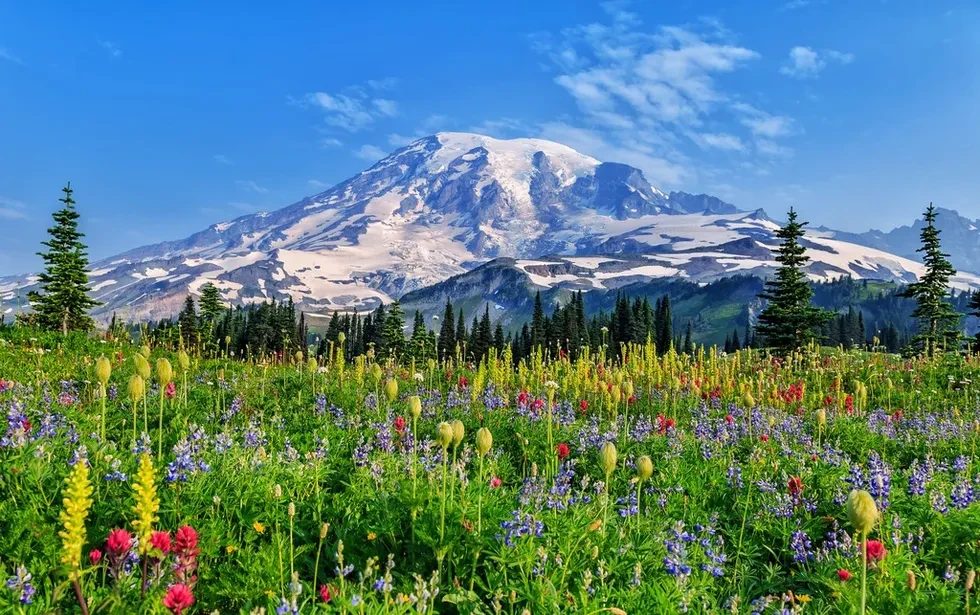
Mount Rainier is an iconic fixture behind Seattle’s skyline. The city is so attached to it that the Washington State Senate temporarily renamed the national park “12th Man National Park” and the summit “ Mount Seattle Seahawks ” leading up to the Super Bowl XLVIII in 2014.
Shutterstock
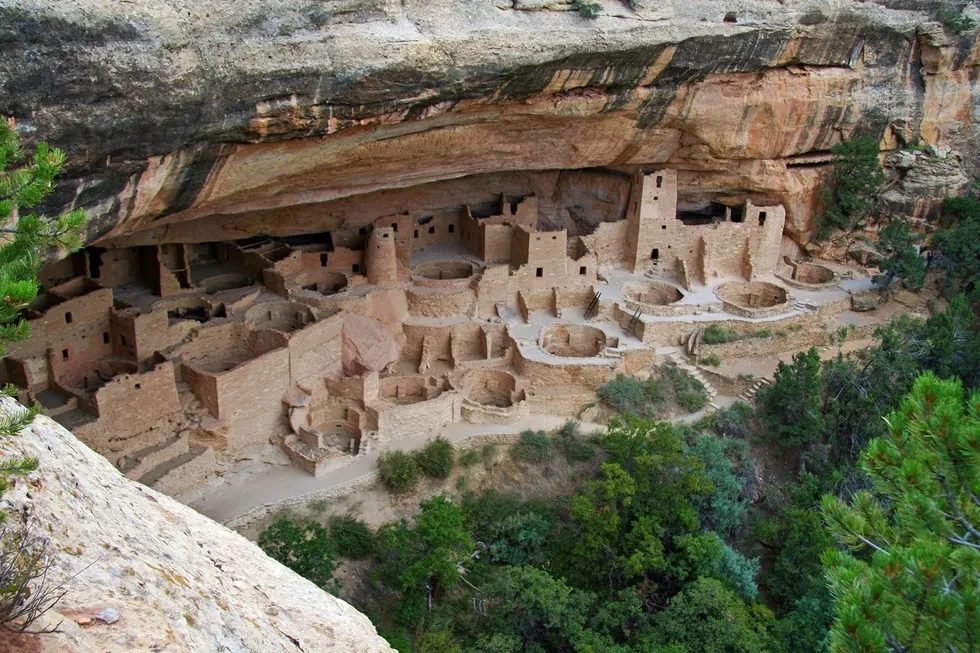
This park, which preserves the heritage of the area’s ancestral Pueblo people, has no fewer than 5,000 archaeological sites —and those are just the ones that are known. The Anasazi lived here for 700 years (between 600 and 1300 CE).
iStock
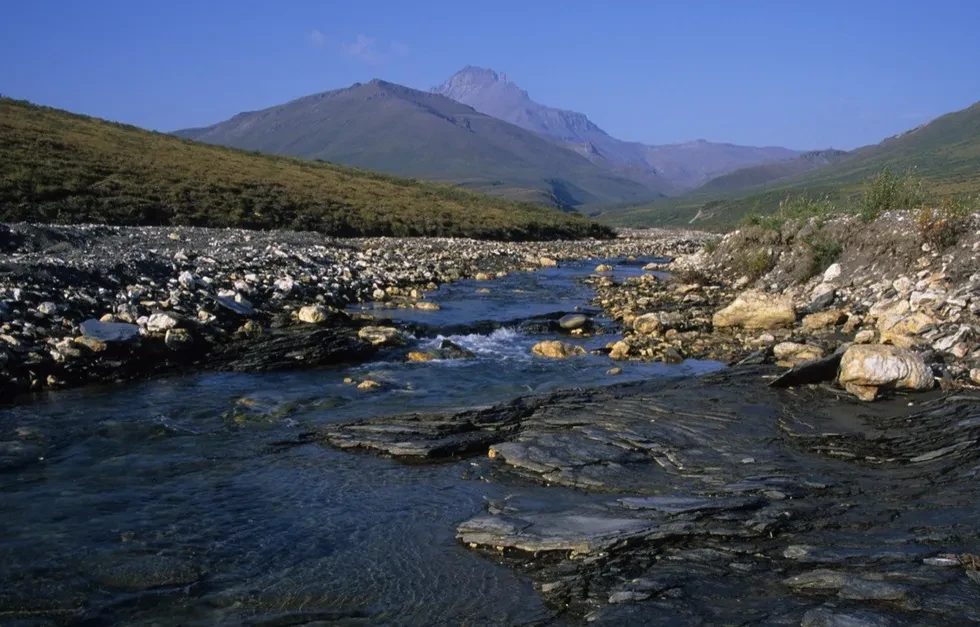
Located completely above the Arctic Circle, Gates of the Arctic National Park is the northernmost national park in the United States. It also has no roads and few trails within its remote boundaries, which is another reason why it’s the country’s least visited national park.
In fact, less than 11,000 tourists made the trek to this Alaskan park in 2019—that’s less than the average number of people that visit the Grand Canyon in a single day .
Shutterstock / Mia2you
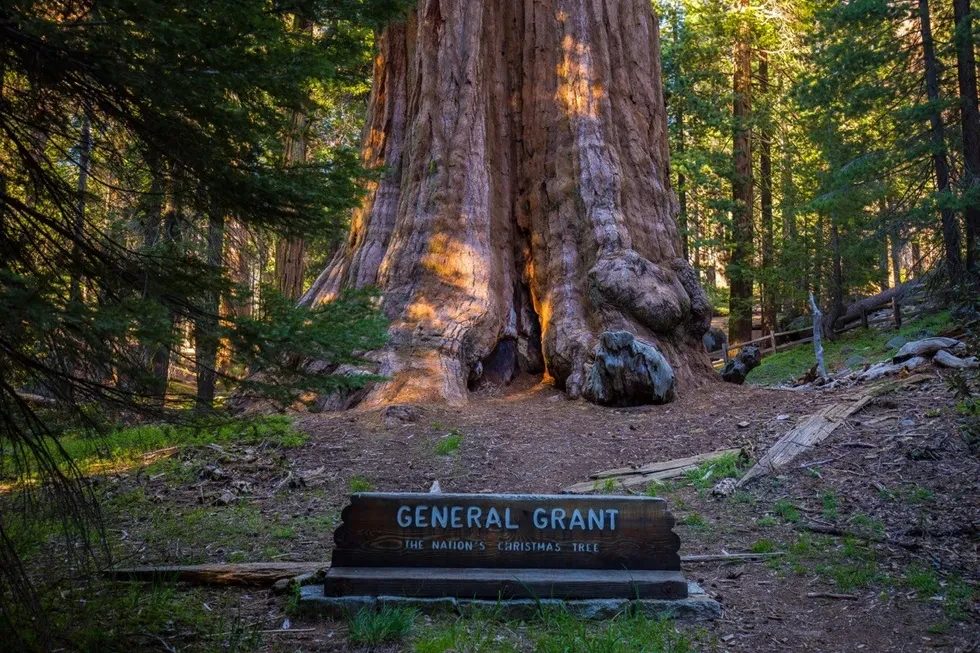
Every Christmas, a special service is held around the base of the 3,500-year-old General Grant Tree in Kings Canyon National Park. This tradition started in 1925, and a year later it was designated the “Nation’s Christmas Tree” by President Calvin Coolidge .
If you want to join the celebration, visit on the second Sunday of December for the annual “Trek to the Tree.”
Shutterstock
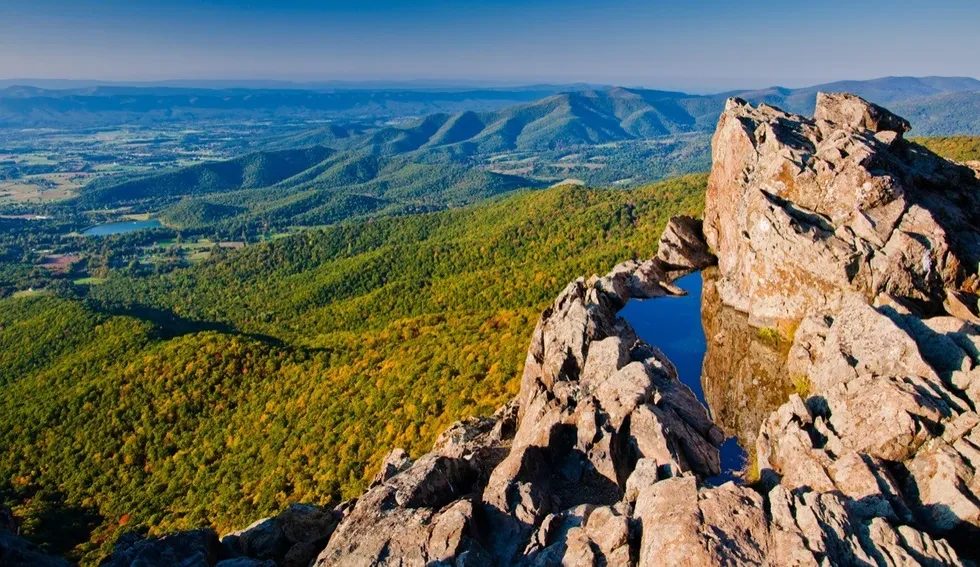
Within this park’s grounds is Rockfish Gap, smack in the Blue Ridge Mountains. There, a roadside tavern formed a meeting spot for three men who would later become American presidents: James Madison , James Monroe , and Thomas Jefferson .
Except this time, they weren’t hanging out on government business—they gathered here to lay the foundation for the University of Virginia.
Pung / Shutterstock
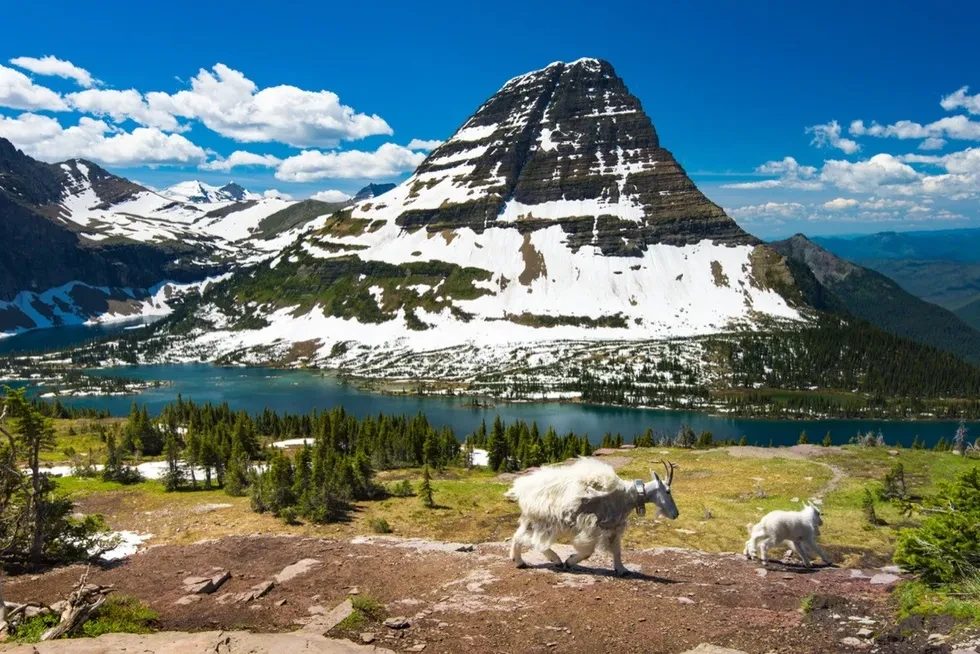
Glacier National Park is the world’s first international peace park . In 1932, Glacier Park and Waterton Lakes National Park in Alberta, Canada, were both renamed the Waterton-Glacier International Peace Park . You can actually cross the border and receive a special mountain goat-shaped stamp in your passport.
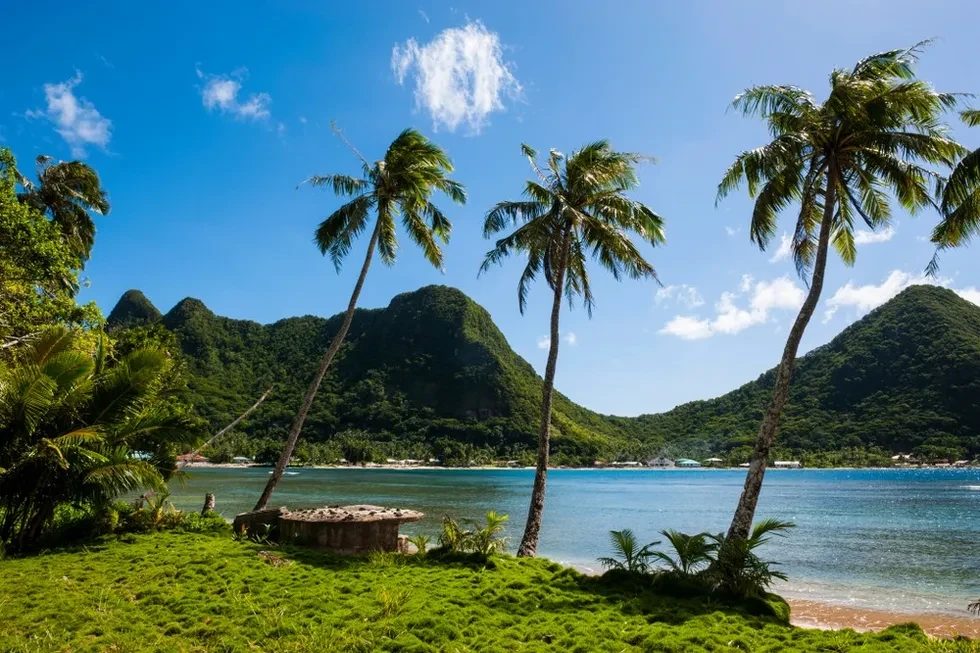
A view of islands and a beach from the National Park of American Samoa
If you thought Hawaii was far, this is one of the most isolated parks in the U.S. The exceptionally remote park is located 2,600 miles southwest of American Samoa’s shores and stretches across three of the territory’s islands (Tutuila, Ofu, and Ta’ū). It’s also the only U.S. national park site south of the equator.
Marc Cappelletti/Shutterstock
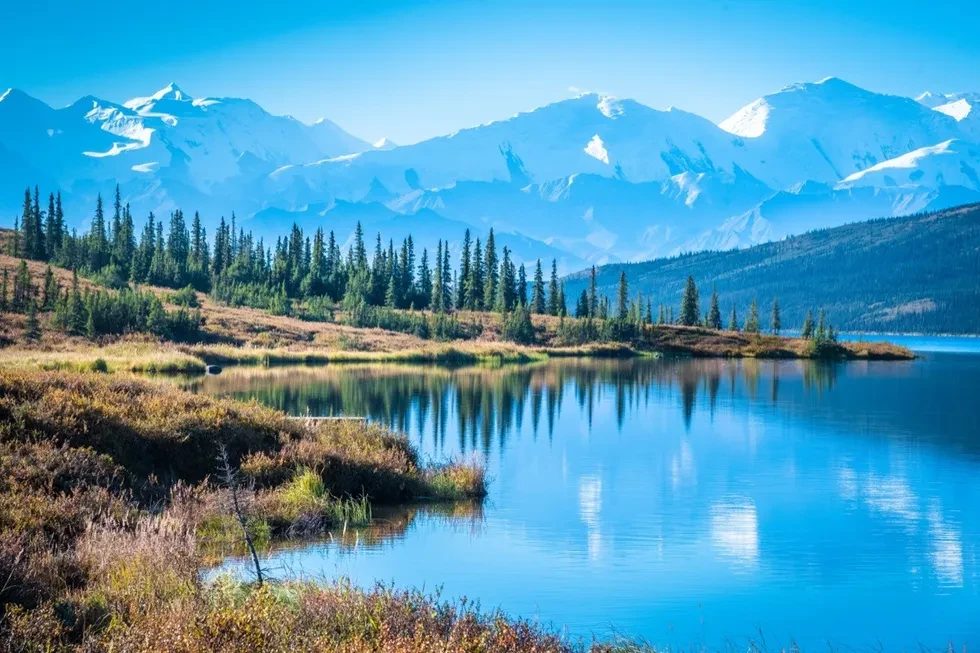
Towering at 20,308 feet in elevation , Denali National Park contains one of the most challenging climbs in the country. In fact, the Alaskan expedition takes two to four weeks, and out of the 32,000 people who have attempted it, only half have succeeded .
Within that group are Barbara Washburn , the first woman to reach the summit in 1947, and 78-year-old Tom Choate , the oldest man to climb the peak in 2013.
Marisa Estivill / Shutterstock
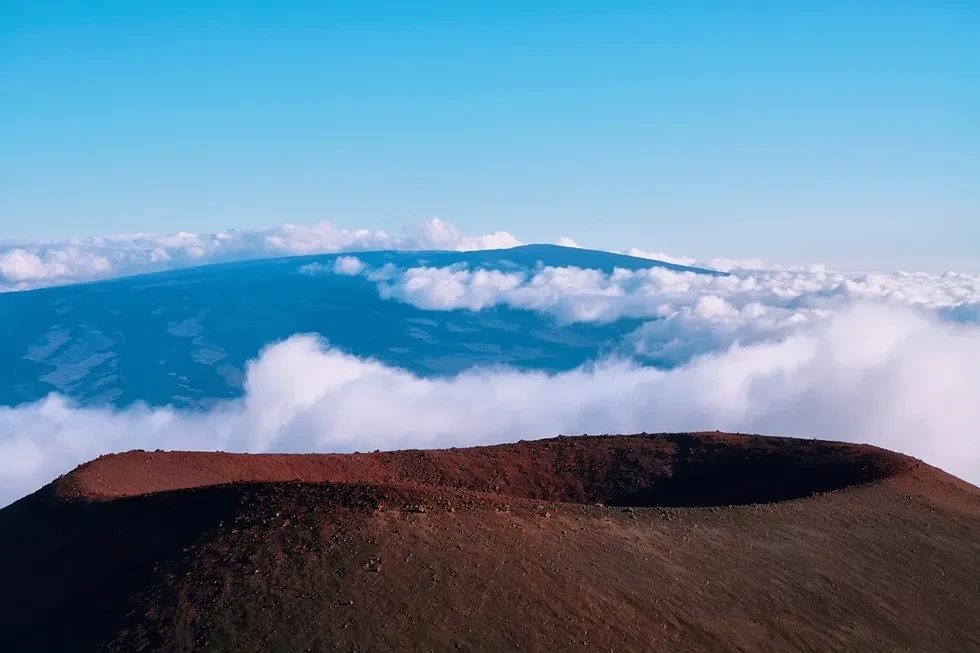
This national park is home to one of the world’s most active volcanoes (Kīlauea) and one of the world’s tallest. Kīlauea sits next to Mauna Loa , which exceeds Mt. Everest if you measure from its height, beginning 18,000 feet below sea level and 13,677 feet above sea level.
It’s also the world’s most massive single mountain, with a density that’s 19,000 cubic miles in volume.
EQRoy/Shutterstock
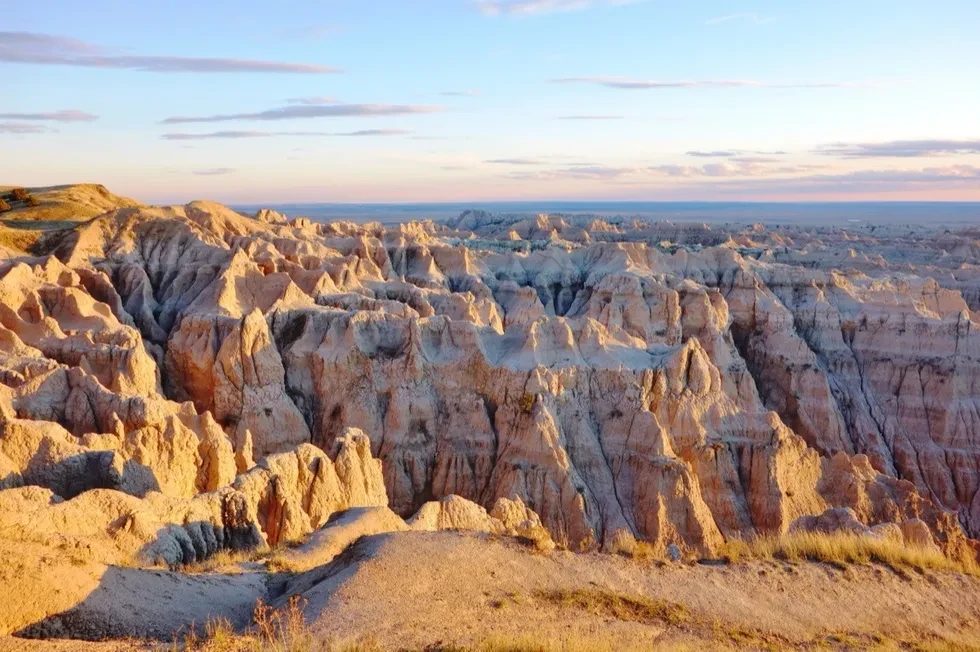
The park’s name goes back to the Oglala Sioux’s ancestors, who called it mako sica , translated as “land bad.” French-Canadian fur trappers later built on that title, calling it les mauvaises terres a traverser , or “the badlands to cross.”
RELATED: The 7 Best Beaches That Are Also U.S. National Parks .
iStock
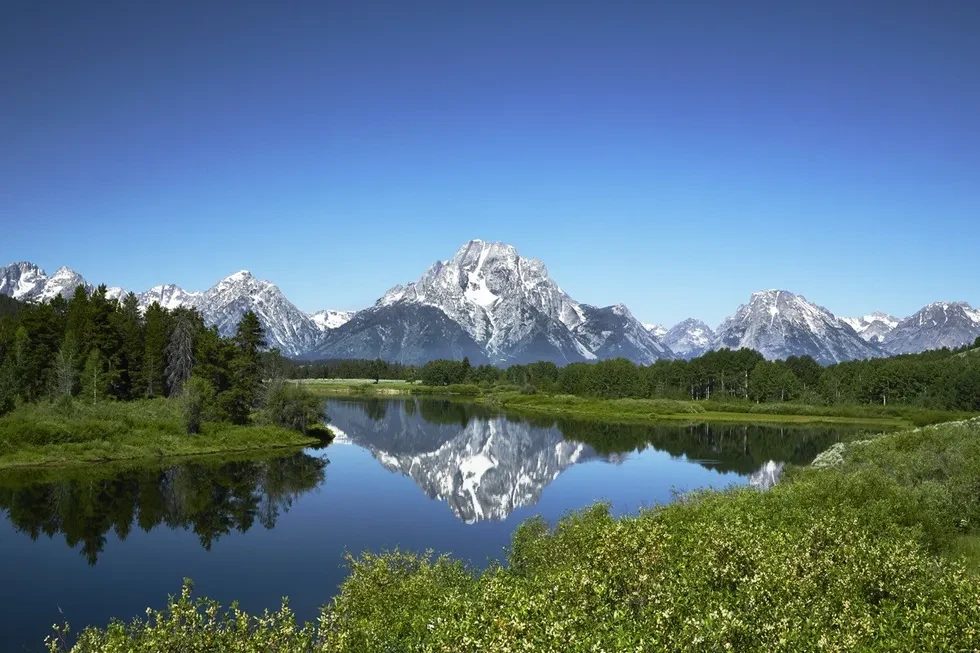
They might look like they’ve been around for eons, but the 40-mile stretch of Tetons is actually the youngest range in the Rocky Mountains—and among the youngest mountains on the planet , with a birth that began just two million years ago.
Shutterstock
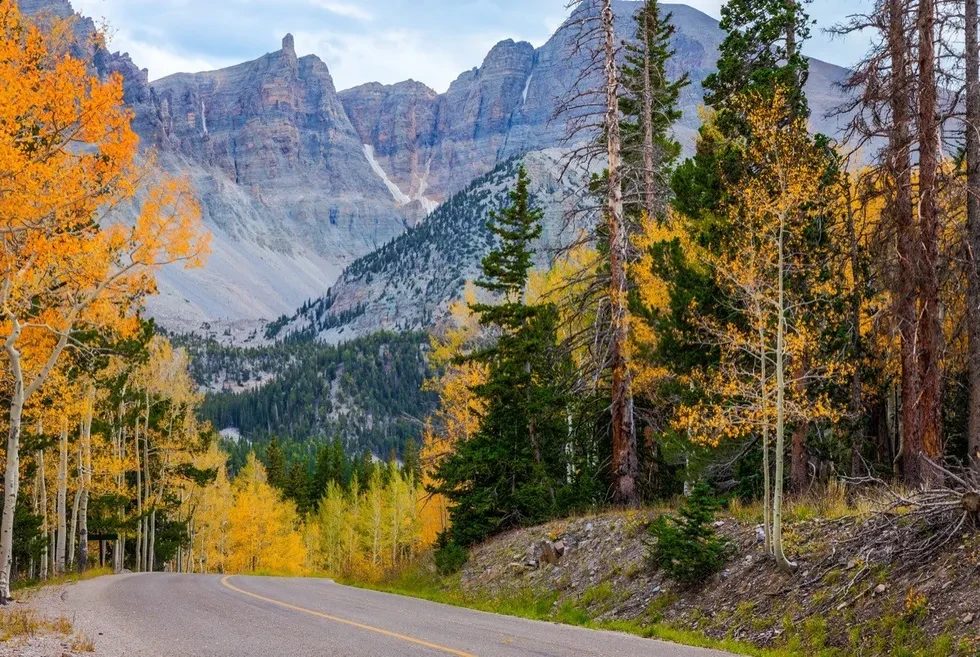
You can find some of the world’s oldest trees at this national park , located about four hours from Salt Lake City. The rare Great Basin bristlecone pine grows along the tree line and can survive for more than four millennia. The oldest living one in the park is named Methuselah and has racked up 4,765 years on this planet.
iStock
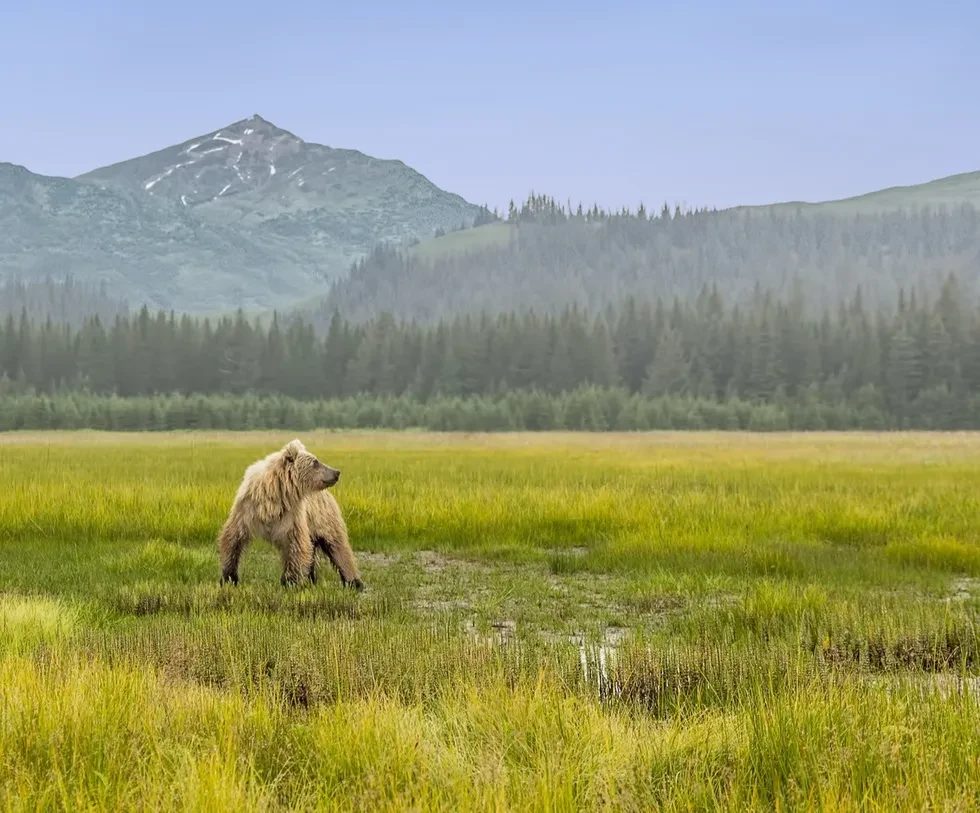
Today, not many people trek to this remote national park in Alaska, but historically, Lake Clark has had a long connection with humans . Around 10,000 years ago, the first human stepped foot in the region and settled on the land. For context, this was right after the last Ice Age!
iStock
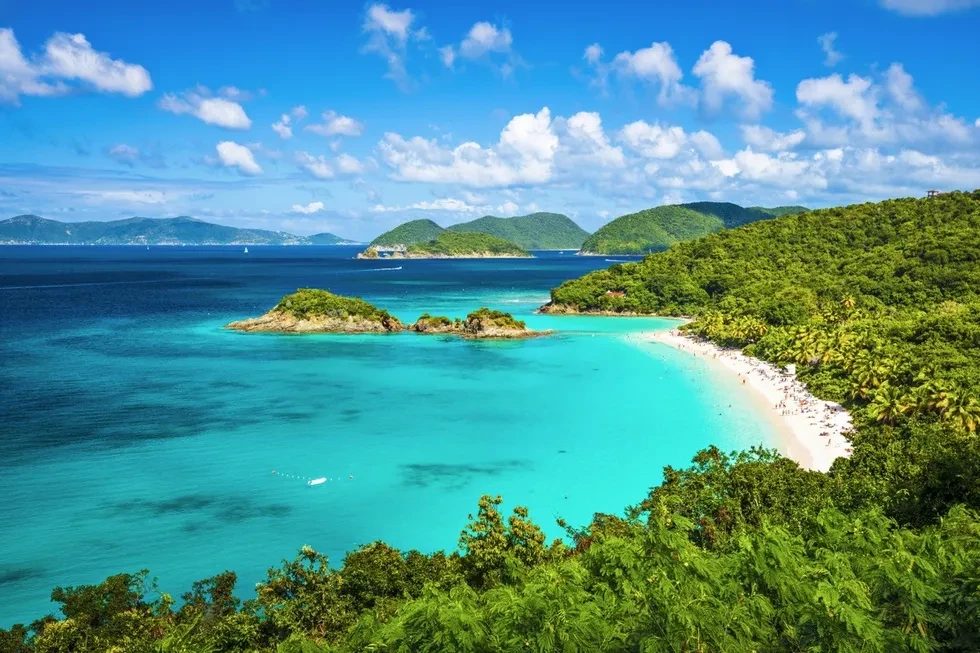
The bulk of this national park is on St. John in the U.S. Virgin Islands, making up 60 percent of the atoll’s total area. While you can hike the many tropical paths around the cay, there is one trail that might surprise you. At Trunk Bay, there is a 225-yard underwater snorkeling trail that teaches you about the colorful coral and local fish.
iStock
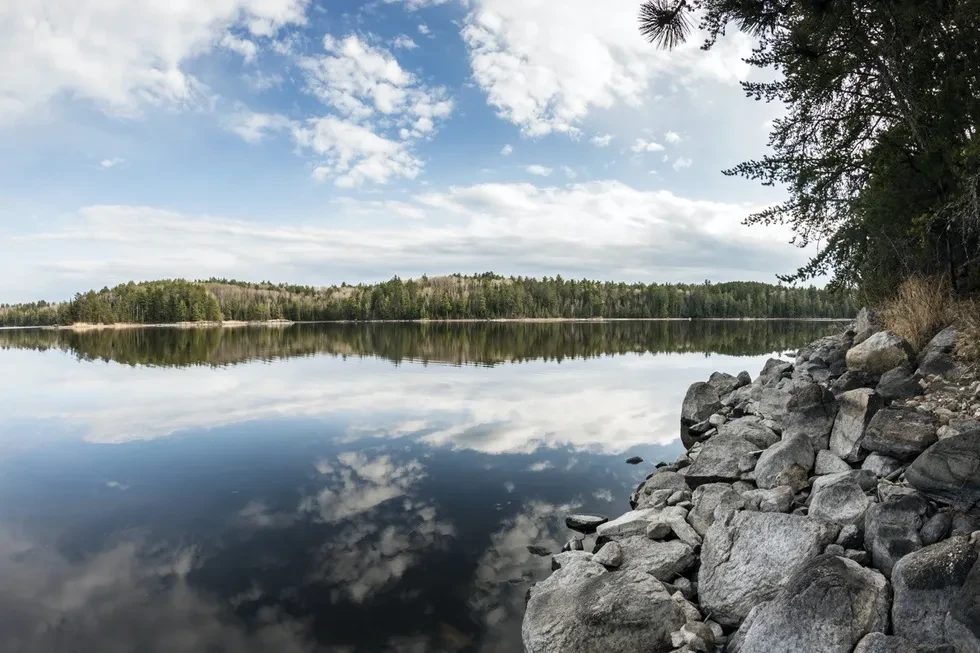
If you want to get a glimpse of some of Earth’s oldest rock formations , you’ve come to the right place. The ones at Voyageurs National Park in Minnesota date back to half the age of the Earth .
iStock
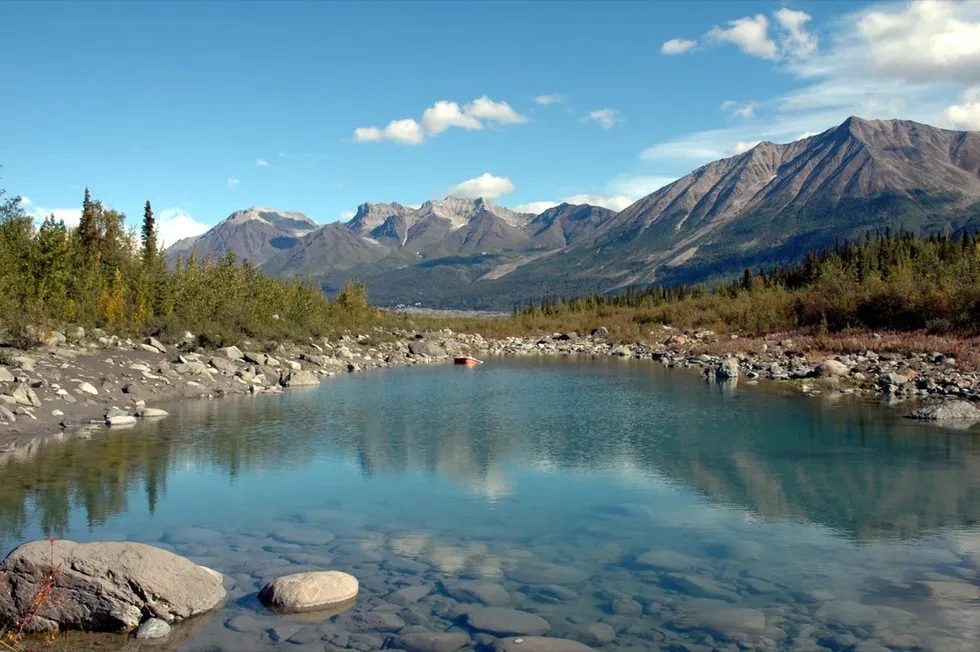
Alaska’s Wrangell-St. Elias might not be one of the more famous national parks—it doesn’t have the immediate recognition of, say, Yellowstone—but it’s the largest one in the U.S. It spans over 13.2 million acres which is larger than Yellowstone National Park , Yosemite National Park, and Switzerland combined.
Shutterstock
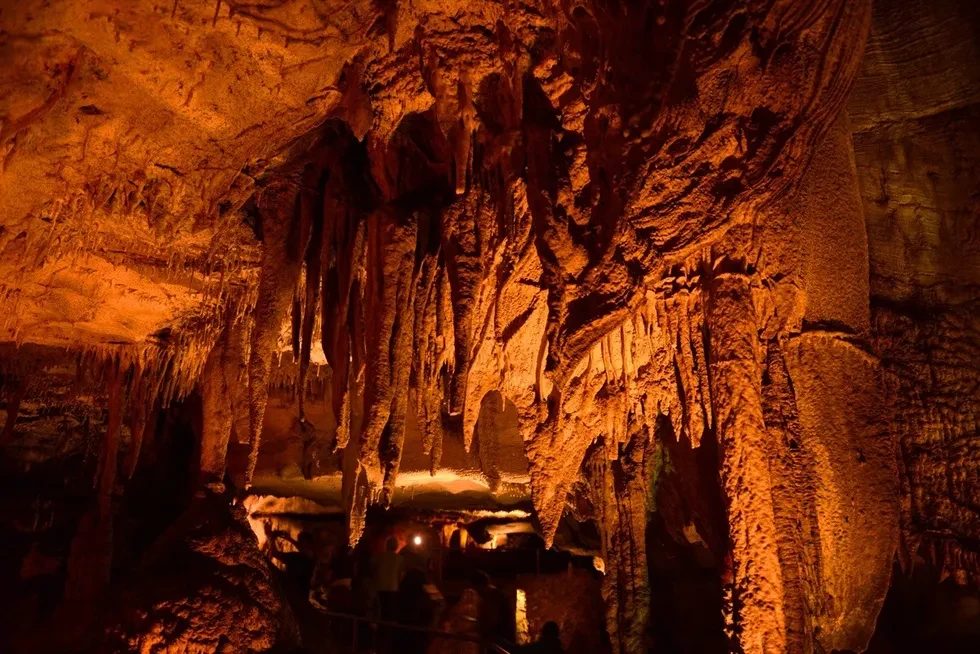
Mammoth Cave National Park is home to the longest cave system on the planet (at least that we know of). It stretches for 400-plus miles under 53,000 acres of forest and 70 miles of above-ground trails.
Shutterstock
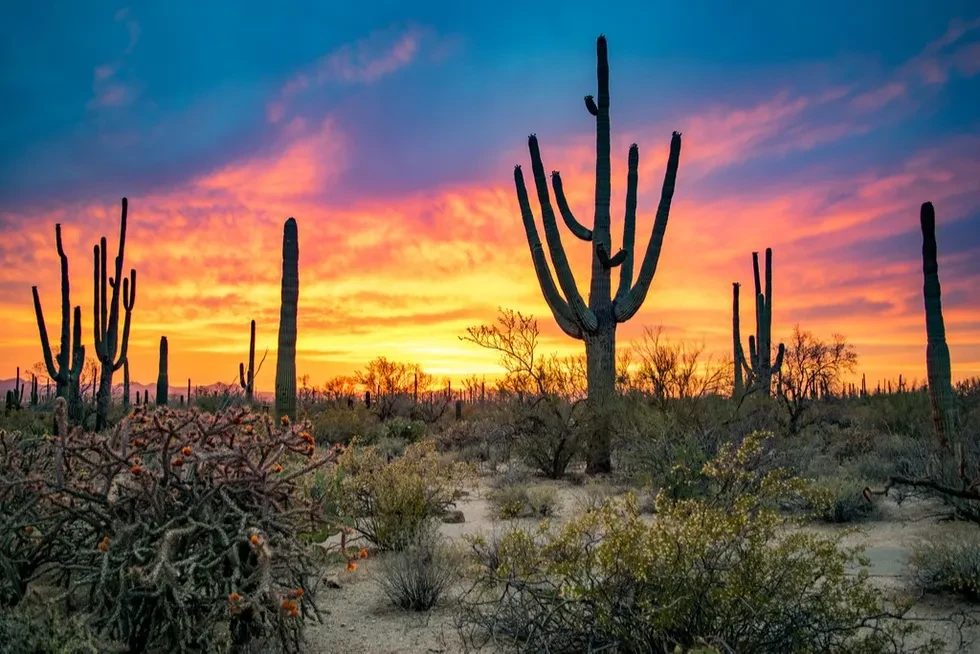
The Sonoran Desert, in which the boundaries of this 143-square-mile national park fall, is the only place in the world where you can find the giant Saguaro cactus in the wild. Some grow up to 70 feet tall, making it the largest cactus in the U.S.
ZakZeinert / Shutterstock
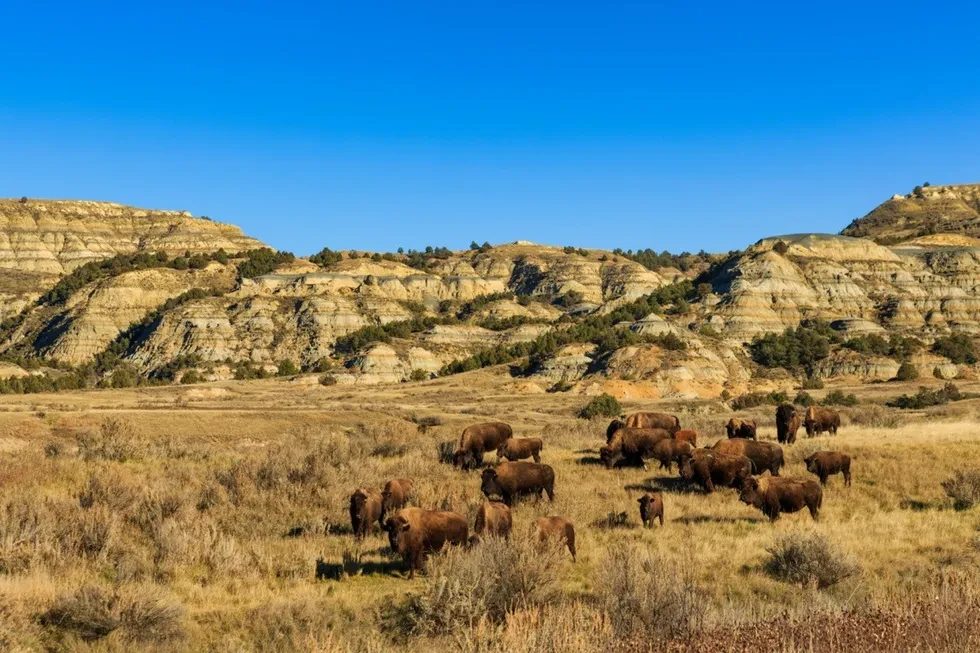
Theodore Roosevelt National Park is the only U.S. national park to be named after a person—and when you’re at the park, you can even check out where the former president once lived. His three-room property, Maltese Cross Ranch, is still on site.
RELATED: The 7 Best National Forests That Need to Be on Your Bucket List .
IM_photo/Shutterstock
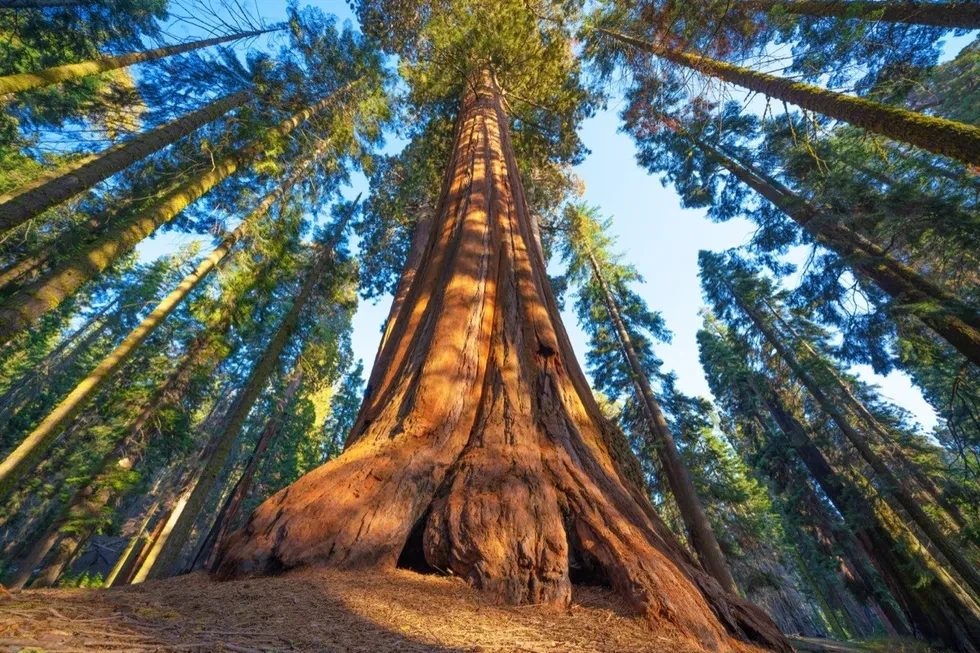
Sequoia National Park is fittingly home to the largest tree in the world (when measured by volume), and you can bet it has a name: General Sherman rises above the forest floor to reach 275 feet in height and is 36 feet in diameter at its base.
Juan Carlos Munoz/Shutterstock
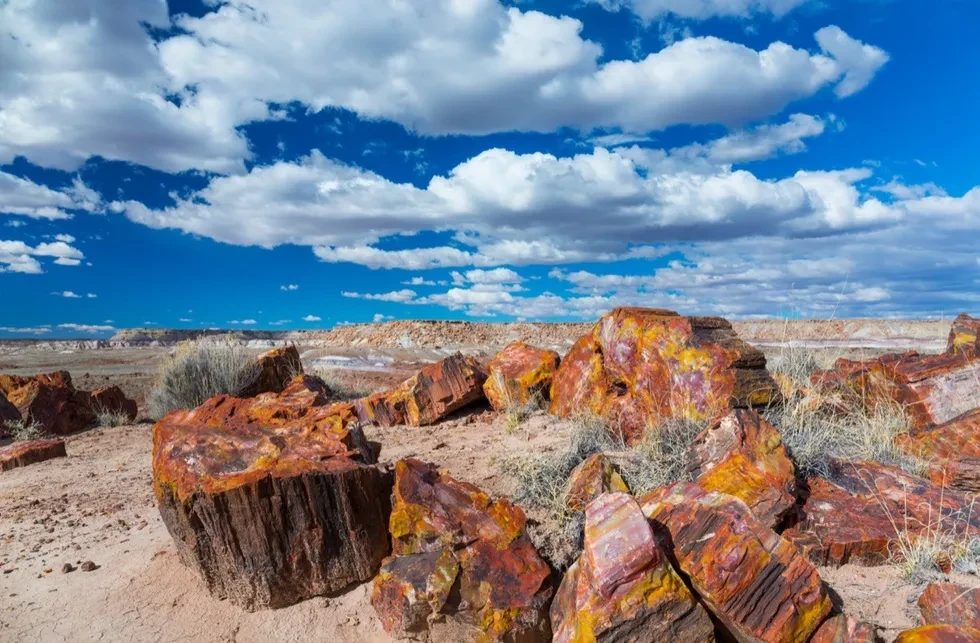
It’s not just fossilized logs laying around this park. There’s a section of the Historic Route 66 that runs right through the heart of the Petrified Forest .
While you can drive through it, the park is the only one that doesn’t have campgrounds and closes at night.
Shutterstock
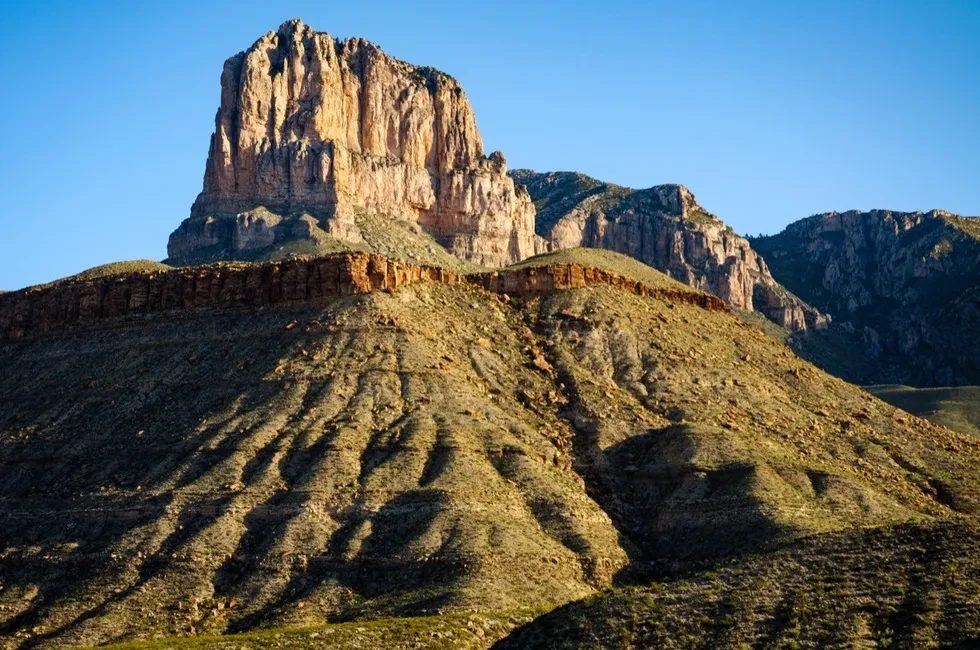
Perched on the Mexico border, this Texas park is home to not just the tallest, but the four tallest peaks in the Lone Star State : Guadalupe Peak, a.k.a. “The Top of Texas” (8,751 feet), Bush Mountain (8,631 feet), Shumard Peak (8,615 feet), and Bartlett Peak (8,508 feet).

ewoerlen / iStock
Although no one’s heard much from Lassen Peak for a century, there was around a year between 1914 and 1915 when it was a major hotspot for volcanic activity. During that time period, there were more than 150 eruptions, culminating in a massive explosion on May 19, 1915 .
iStock
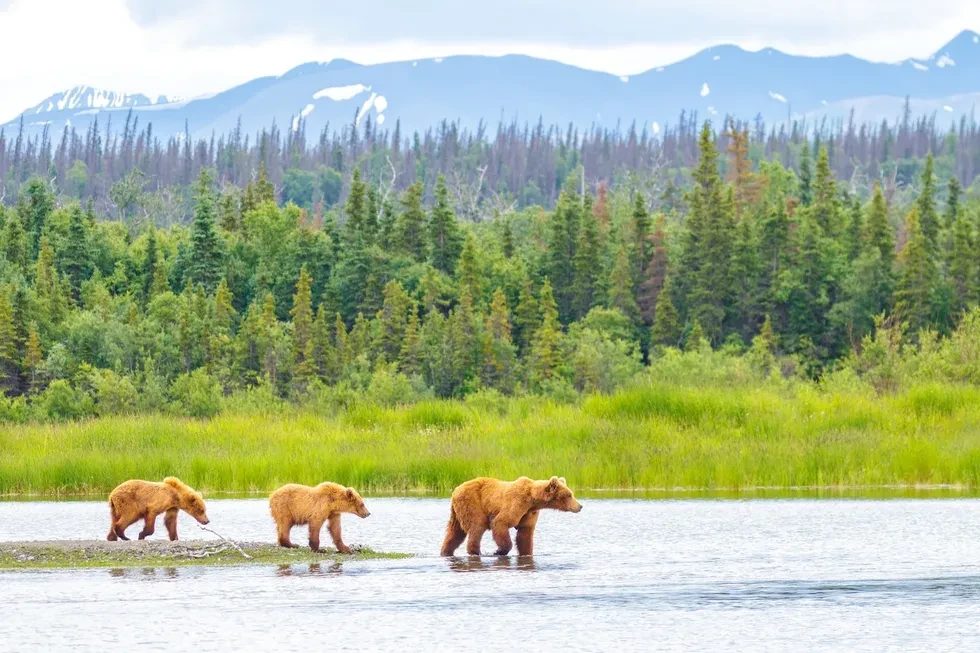
Katmai National Park is one of the best places in the world to spot a brown bear in the wild. Around 2,200 brown bears live within its boundaries, which isn’t surprising for a peninsula where bears are likely to outnumber people.
RomanSlavik.com / Shutterstock
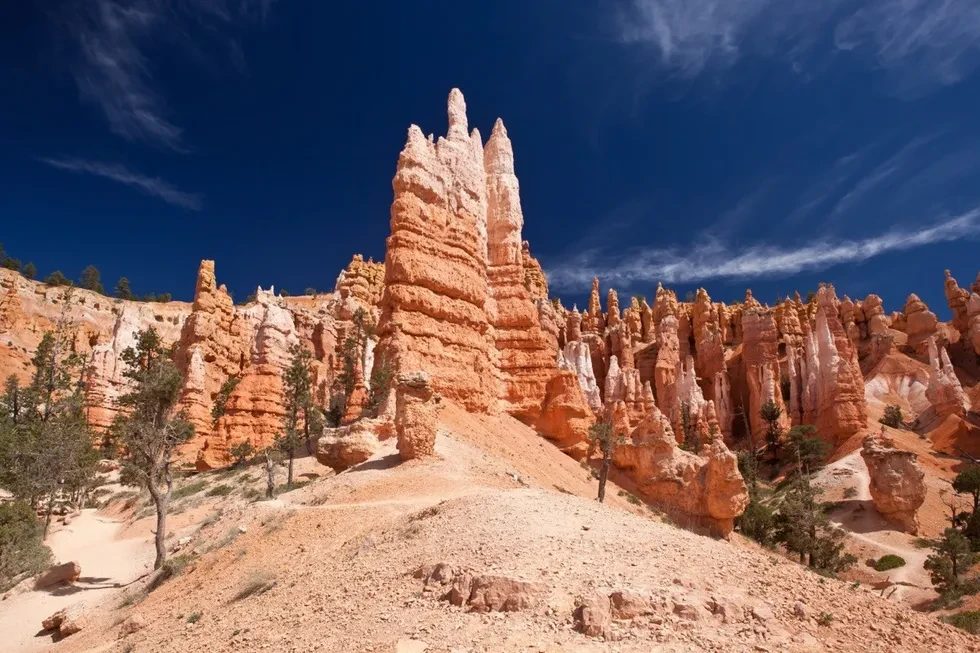
Rock climbers and scramblers, this national park is your happy place. Around 8,000 rock climbing routes and 2,000 boulder problems are mapped out in Joshua Tree. And those formations are pretty historic—some have been around for 1.7 billion years , which is four times older than the Mesozoic Era when dinosaurs roamed the globe.
Shutterstock
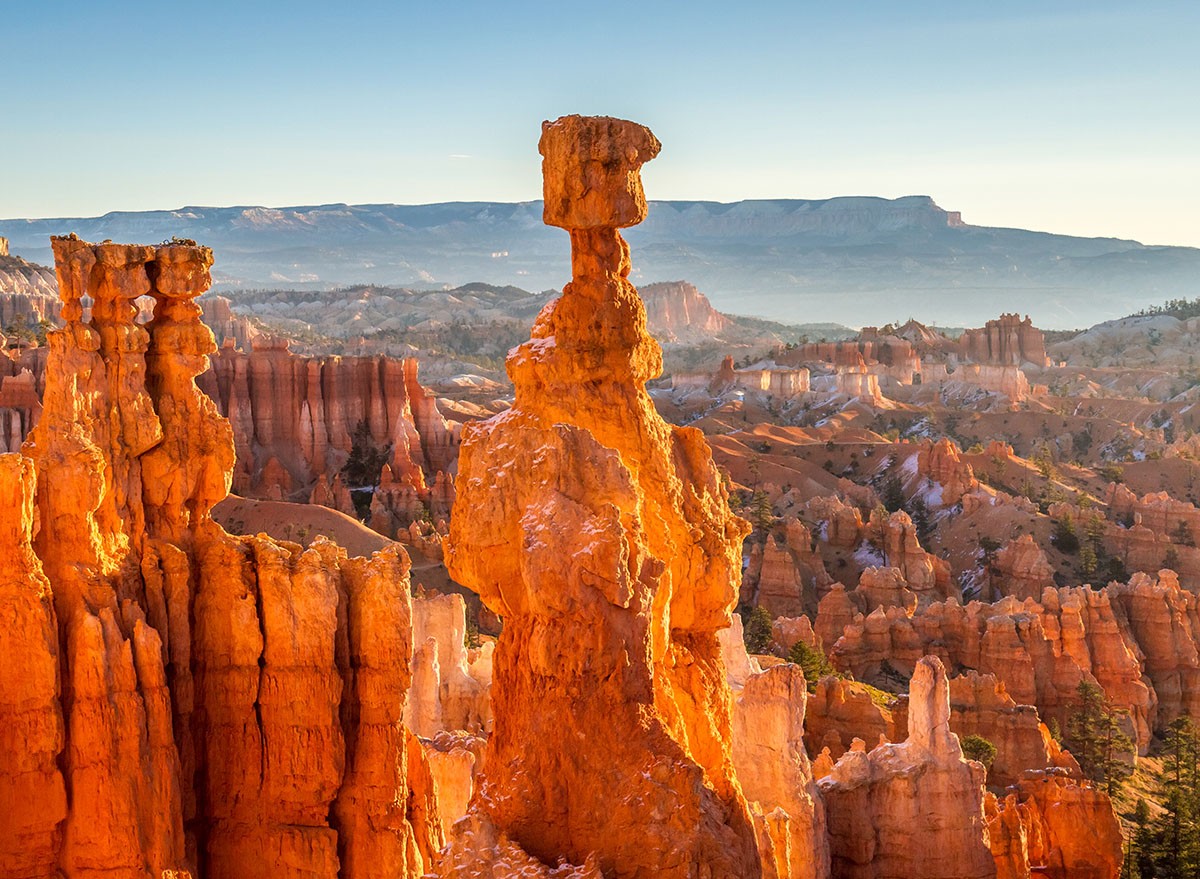
Bryce Canyon is home to the largest concentration of “hoodoos,” or irregular columns of rock, on the planet. You’ll want to bring your camera to capture them at sunset when they become a fiery red tint.
Shutterstock
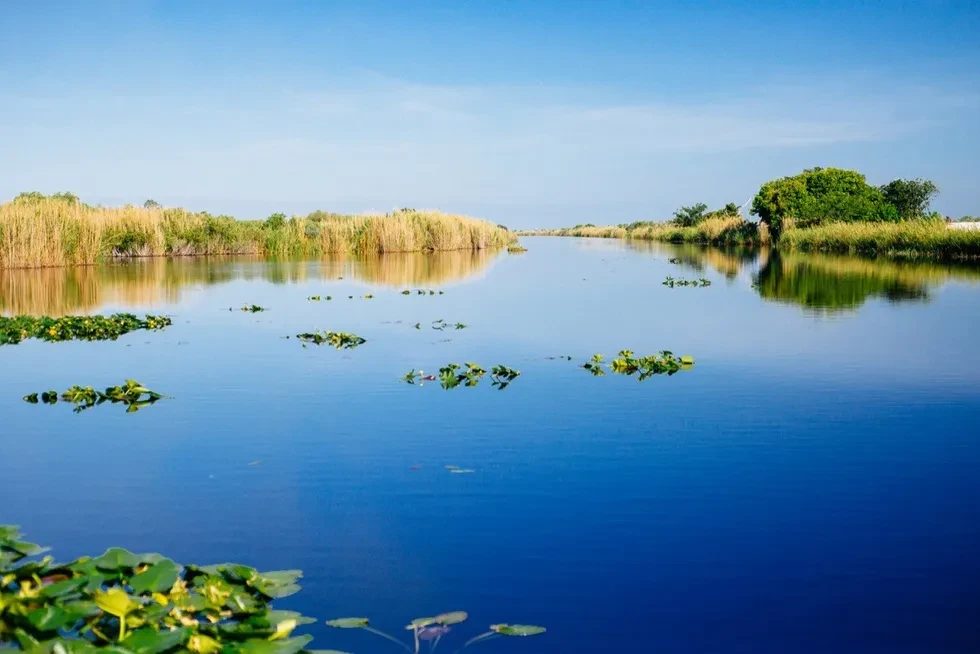
The 1.5-million-acre expanse of the Everglades makes up the largest subtropical wilderness in the U.S. and has just two seasons: wet and dry. It’s also home to the biggest mangrove ecosystem in the western hemisphere.
lembi/Shutterstock
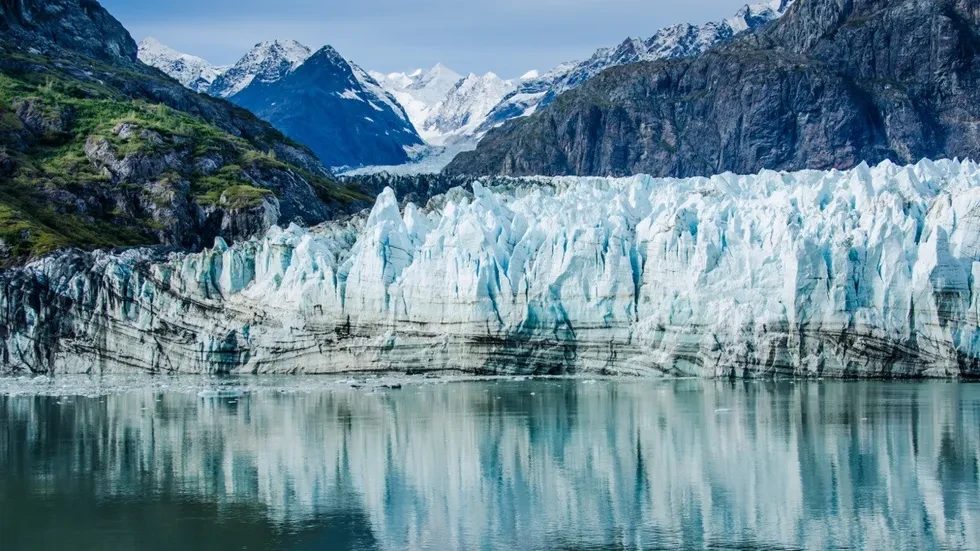
They’re not kidding about having “glacier” in the name of this Alaskan park . Of Glacier Bay’s total 5,220-square-mile expanse, the ice formations cover about half (2,055 square miles, or roughly the size of Delaware).
Shutterstock
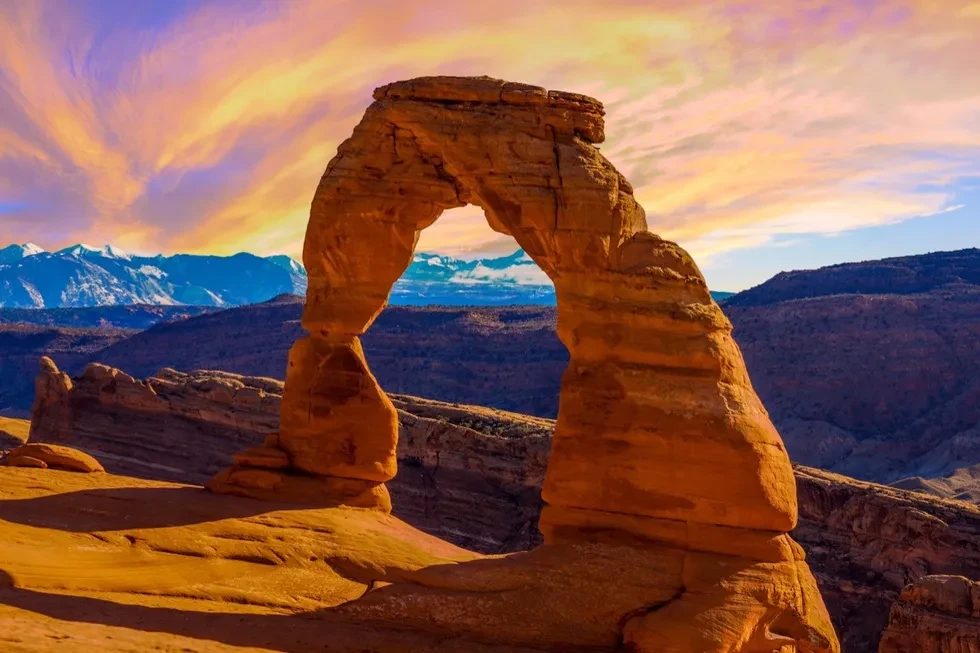
There are more than 2,000 natural sandstone arches inside this national park. Landscape Arch is the largest and longest in North America , stretching 290 feet (that’s the length of a football field).
Shutterstock
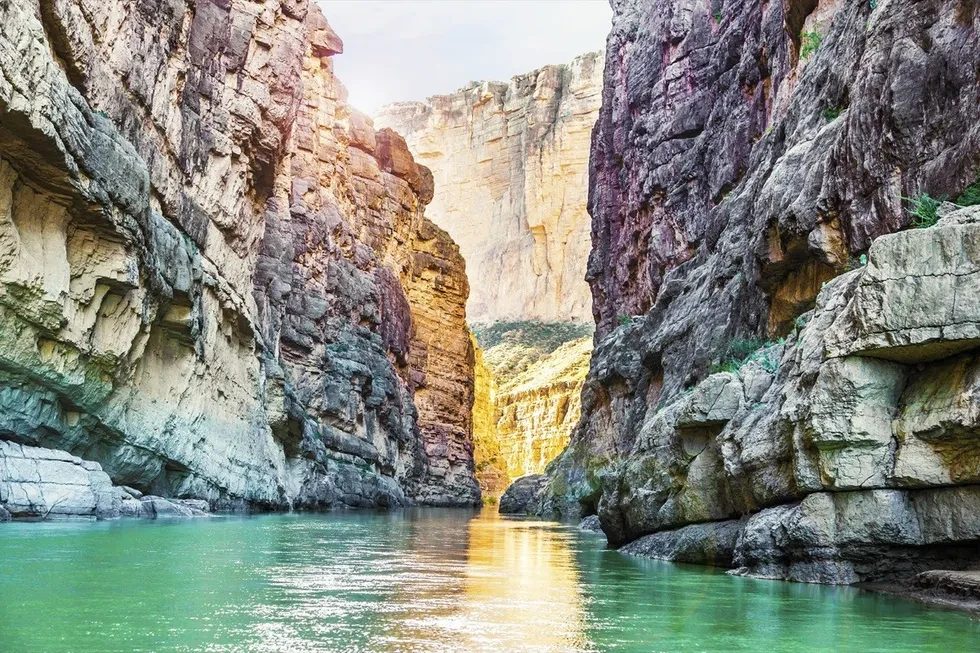
This is a park for stargazers . Big Bend in Texas was named an International Dark Sky Park in 2017, and it has some of the clearest skies with little light pollution in the lower-48.
RELATED: 11 U.S. National Parks You Can Do in a Day .
iStock
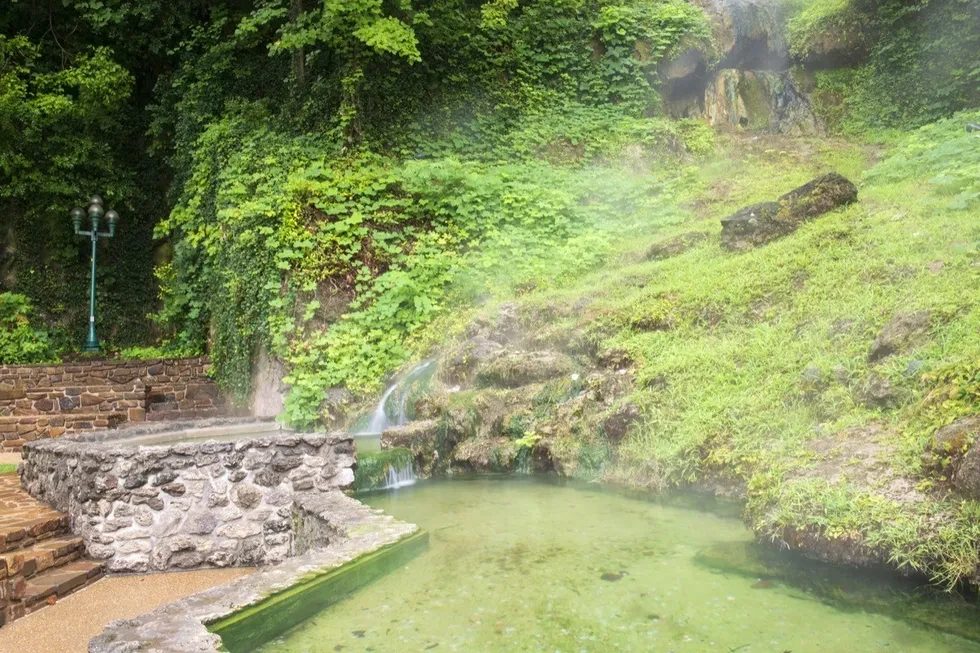
Hot Springs National Park has an impressive history. Established as Hot Springs Reservation in 1832 to preserve the local waters, it’s the oldest protected area in the National Park System.
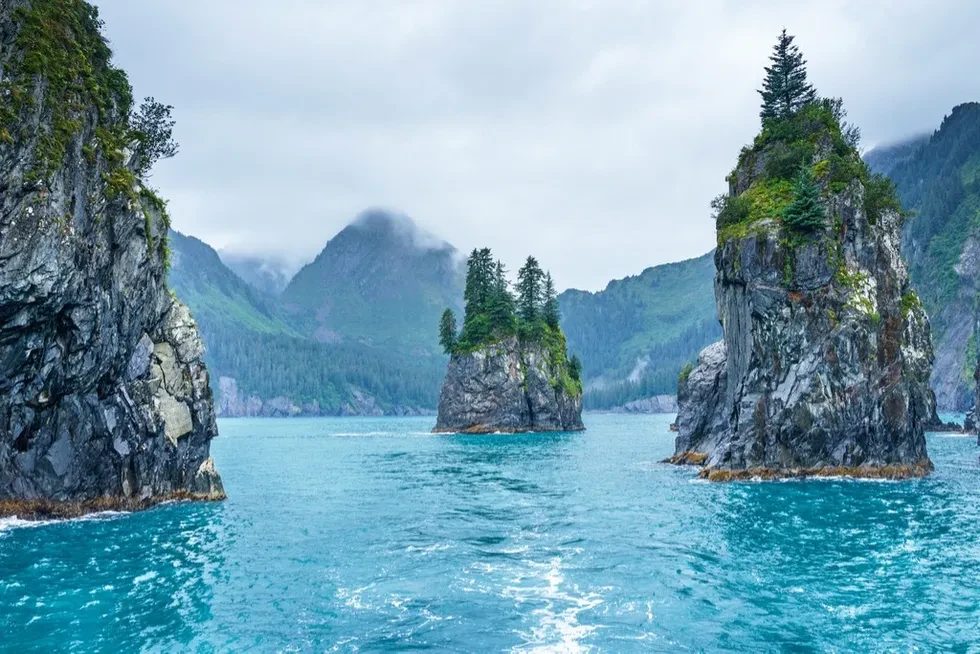
57. It would take two marathons to cross the widest icefield in Kenai National Park.Shutterstock
The crown jewel of this Alaskan park is the 700-square-mile Harding Icefield . With no fewer than 40 glaciers, it’s one of the biggest icefields in the U.S.
Fotos593/Shutterstock
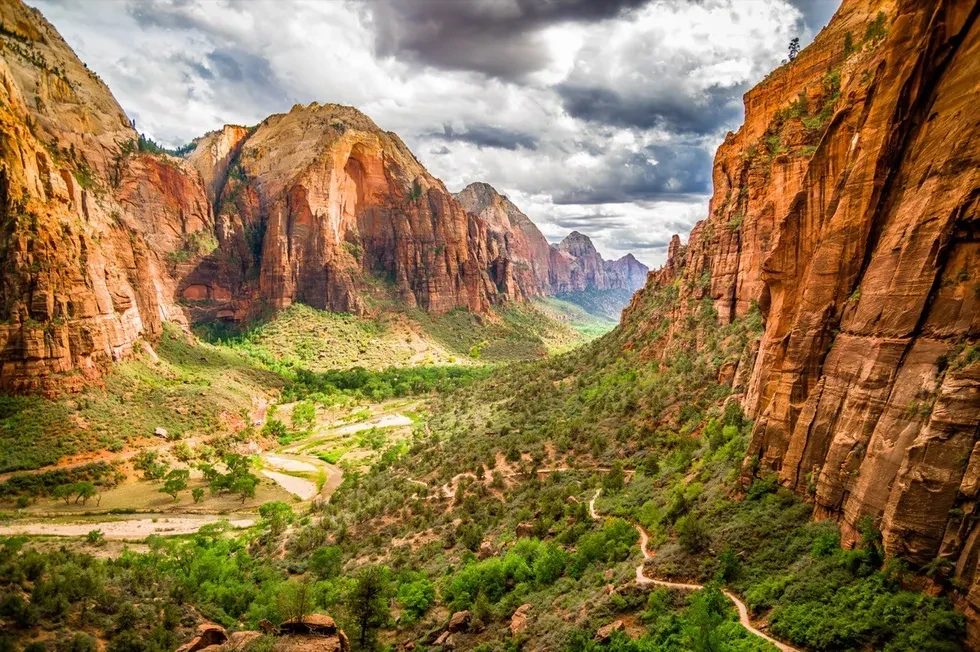
It’s at this national park that you’ll find The Subway —and no, it’s not park-based public transit. Instead, The Subway is a 9.5-mile hike that’s so challenging it requires a permit, and, depending on the route you choose, involves creek crossing, scrambling, swimming, and route finding.
iStofck
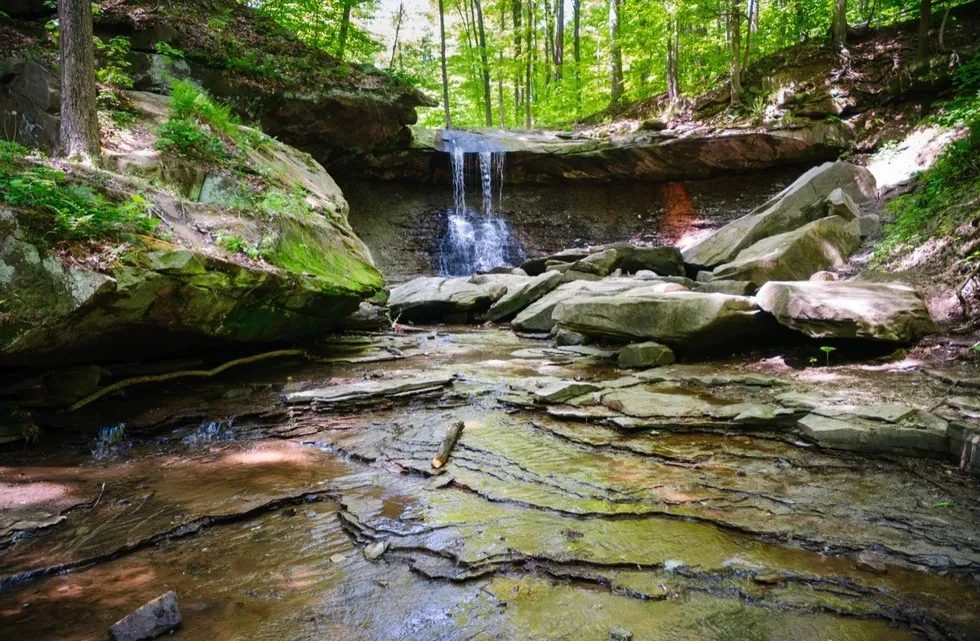
Ohio’s only national park offers far more than your standard hiking trails (although there are 140 miles of those, too). Unlike most other untouched and wild parks, Cuyahoga Valley features busy freeways, small settlements, 19th-century buildings, and more.
You can even catch a ride on a scenic railroad , take in a symphony concert, or play golf here.
iStock / Peter Burnett
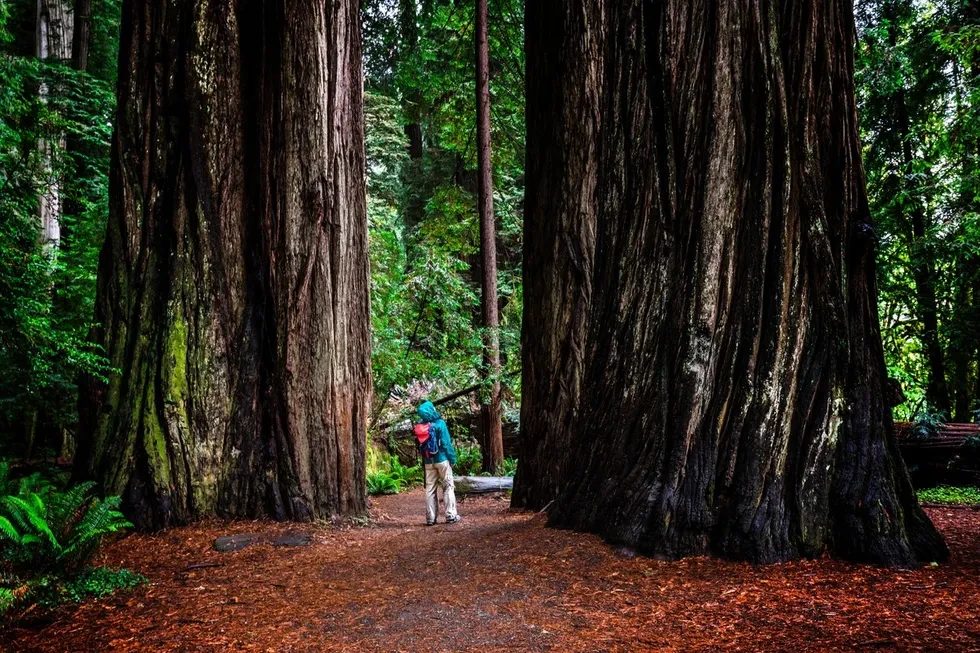
Redwood National Park features the largest remaining contiguous old-growth coastal redwood forest in the world. All you need to know from that mouthful? Its 17,000 acres have never been touched by an ax blade, and that’s pretty special indeed.
iStock
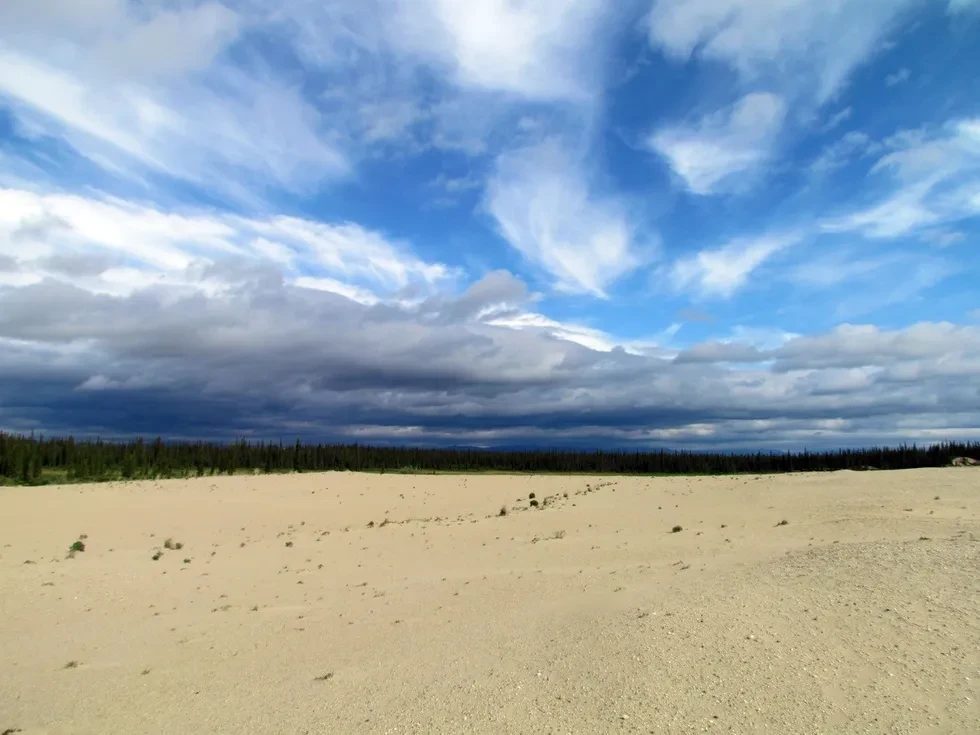
This dune-dotted remote land in Alaska is one of the least visited national parks in the United States. In 2018, the ratio of caribou to visitors was 33 to 1.
Shutterstock
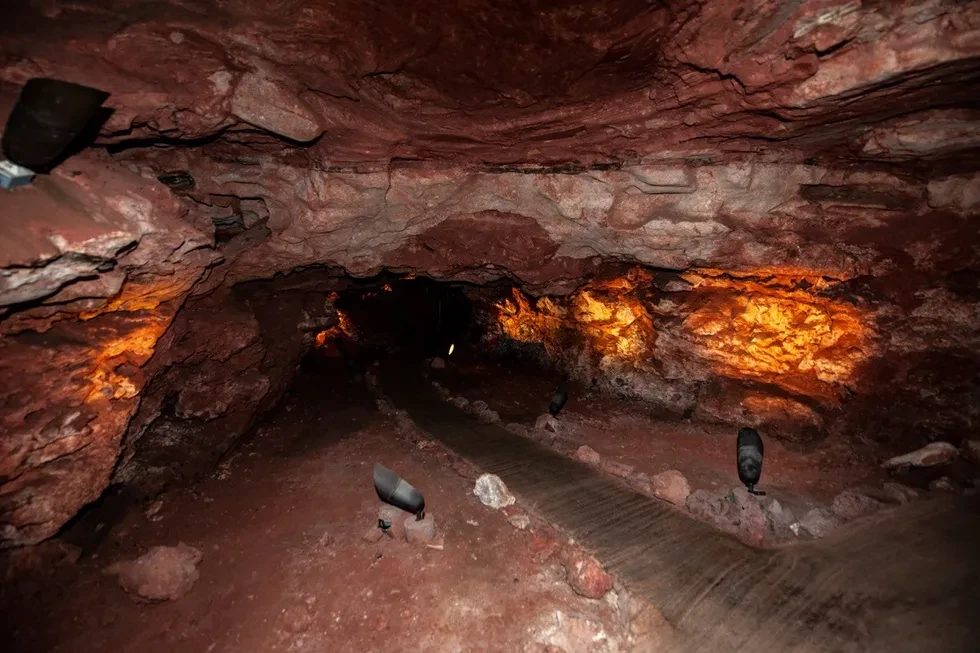
Although most visitors will be busy exploring the Wind Cave’s underground tunnels , make sure to spend some time in the open air. Aboveground, you could catch a glimpse of the park’s population of bison (a.k.a. American buffalo). Its current herd is the progeny of bison that were reintroduced in 1913 .

Shutterstock / Stef Ko
The first Women’s Rights Convention took place in July of 1848 at Wesleyan Chapel in Seneca Falls , New York. An estimated 300 men and women attended the event, including Lucretia Mott and Frederick Douglass .
By the end of the meeting, 68 women and 32 men had signed the Declaration of Sentiments, the very document demanding women enjoy the same civil and political rights as men.