Doctors Urge Caution with These Popular Pain Medications

Shutterstock
When was the last time you read the fine print on that pain pill? Even the most seemingly-innocent over-the-counter drug can cause harm, not to mention the dangers of prescription painkiller medications. “The dangers of prescription painkiller addictions have been in the news for years, as abuse and overdose of the drugs has skyrocketed,” says Harvard Health . “The biggest offender is a class of drugs called opioids, such as oxycodone (OxyContin), hydrocodone (Vicodin), hydromorphone (Dilaudid), and meperidine (Demerol). If your doctor suggests that you try one of these medications to relieve pain, it is unlikely you will become addicted. But you must proceed with caution.” Here’s why doctors are urging caution with these popular pain medications.
RELATED: Pain Medication Recalled Over Contamination .
Shutterstock
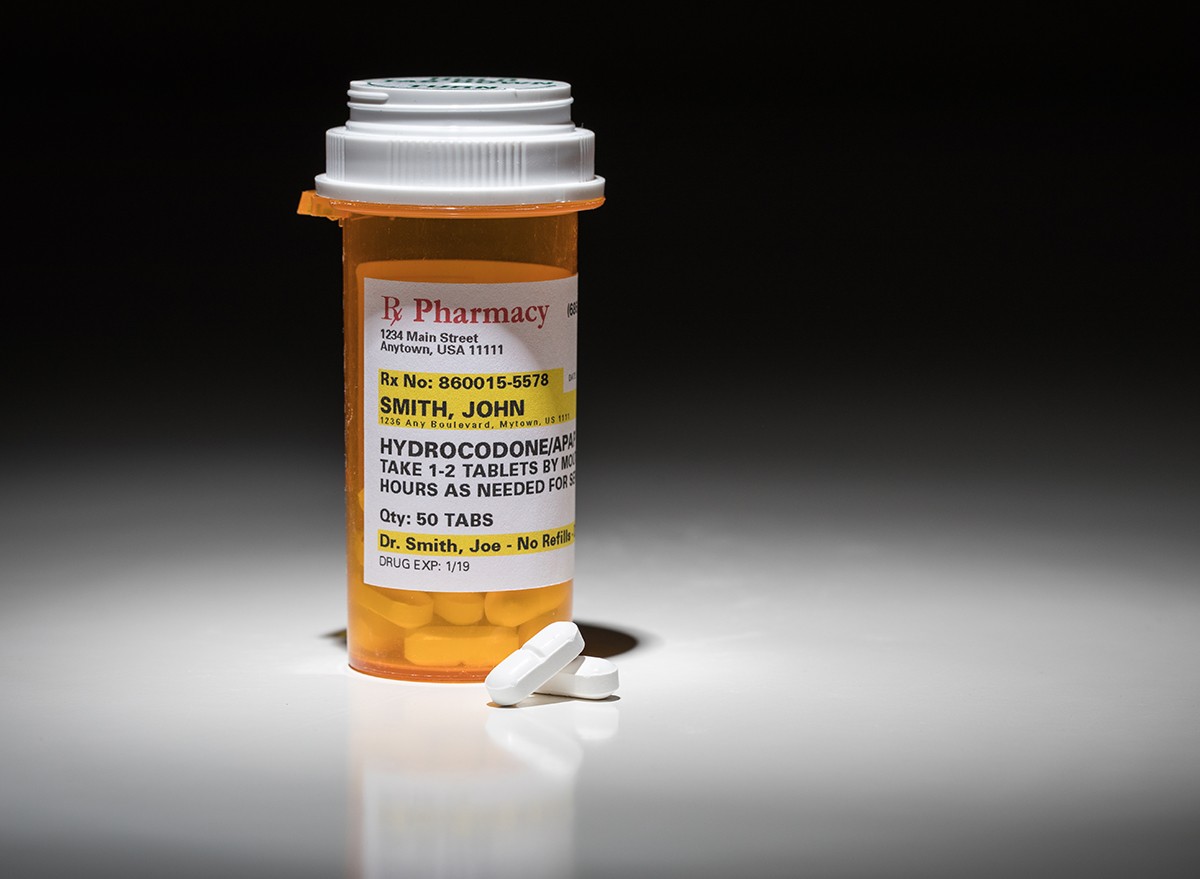
The most popular pain medication in the U.S. is hydrocodone-acetaminophen. “Commonly known under the brand name Vicodin, hydrocodone-acetaminophen is a combination medication consisting of hydrocodone (an opioid) and acetaminophen (a non-opioid). This prescription medication is typically used to relieve moderate to severe pain,” say the experts at Definitive Healthcare .

iStock

Shutterstock
Ibuprofen (the generic form of Advil and Motrin) is the second most popular pain medication in the U.S. “This nonsteroidal anti-inflammatory drug can be used for a variety of conditions, including headaches, muscle aches, arthritis, dental pain, and menstrual cramps,” says Definitive Healthcare. “Additionally, it is often used to reduce fevers. While this medication can be prescribed by a healthcare provider, ibuprofen is also an over-the-counter pain reliever.”

Shutterstock
Only take ibuprofen if you absolutely need to—studies show NSAIDs cause 107,000 hospitalizations and 15,600 deaths a year for arthritis patients alone. “People don’t think of over-the-counter medicine as being medicine at all,” internist Janet Morgan , MD, tells the Cleveland Clinic , “but it absolutely is medicine, and like anything else, it’s potentially very dangerous. Ibuprofen can interact with the meds you’re on, especially high blood pressure medications, which can lead to some serious adverse effects. That could be deadly. It’s not without risk, but you can feel pretty safe taking it for about three days. Take no more than 400 to 600 milligrams, three times a day, with food. Otherwise, it can ruin your stomach.”
RELATED: The 4 Most Expensive Prescription Medications .
Shutterstock
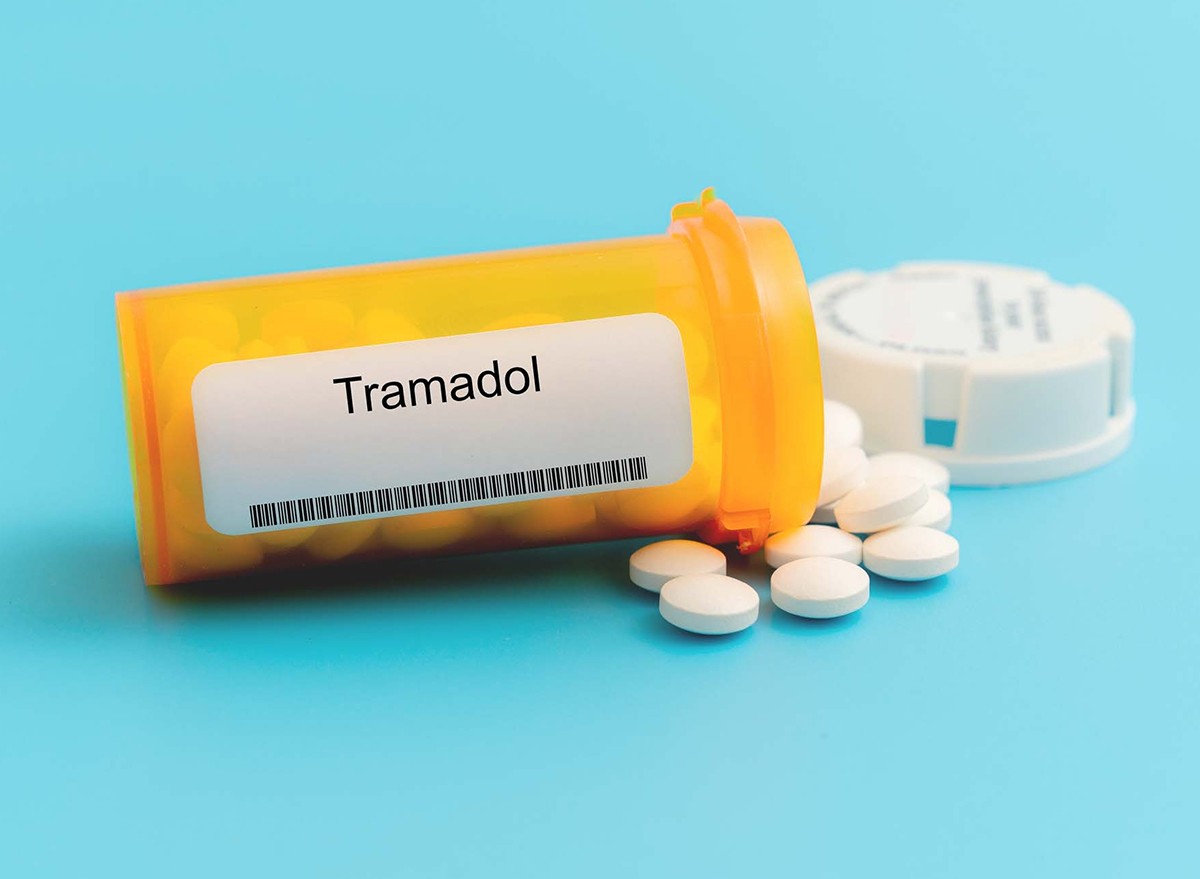
Tramadol, an opioid analgesic, is the third most popular pain medication in the U.S. “Tramadol is used to relieve moderate to moderately severe pain, including pain after surgery,” says the Mayo Clinic. “It is also used to treat pain severe enough to require opioid treatment and when other pain medicines did not work well enough or cannot be tolerated.”

Shutterstock
Tramadol can cause seizures and hypoglycemia. “A recent national study reported that older adults account for 33% of tramadol-associated emergency department visits and half of subsequent hospitalizations, suggesting that greater scrutiny of tramadol’s safety in this population is warranted,” says the American Academy of Family Physicians ( AAFP ). “Tramadol’s adverse effects (e.g., sedation) and the potential for serotonin syndrome and hyponatremia are well recognized by clinicians.”
We offer the most up-to-date information from top experts, new research, and health agencies, but our content is not meant to be a substitute for professional guidance. When it comes to the medication you’re taking or any other health questions you have, always consult your healthcare provider directly.
