Eating These 5 Superfoods Can Slow Down Aging, Researchers Discover

iStock
RELATED: The 3 “Ultraprocessed” Foods You Must Avoid for a Longer Life, 30-Year Study Finds .

Shutterstock
A new research paper published in the journal Aging found that eating plant-based foods containing methyl adaptogens can slow down aging in men.
Methyl adaptogens are naturally occurring compounds known to support healthy aging, but more specifically, to help reduce cardiovascular risk and cognitive decline.
Methyl adaptogens impact our genes on a cellular level and, therefore, can manipulate DNA methylation. As the study authors explained, “DNA methylation patterns, which are chemical tags on DNA, can indicate whether someone is aging faster or slower than expected.”
For the study, a cohort of healthy men (ages 50 to 72) followed an eight-week program centered around a plant-based diet with an emphasis on exercise, sleep, and stress management. Participants who consumed higher amounts of methyl adaptogen foods exhibited a greater decline in epigenetic age by the end of the program, per their findings.
“These benefits remained significant even after accounting for weight changes and participants’ starting epigenetic age, suggesting that the foods themselves had a direct impact on aging markers,” said the authors.
RELATED: This Superfood Can Help Prevent Heart Disease, Weight Gain, and More—But You’re Probably Not Eating It .
Shutterstock
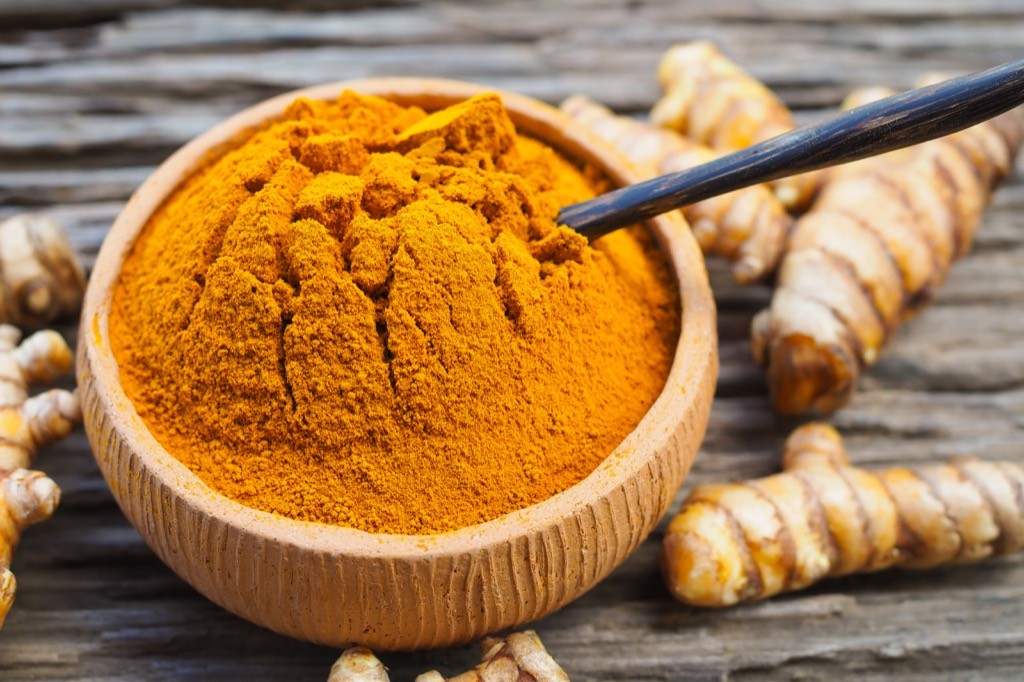
Turmeric belongs to the ginger family of plants. It can be consumed fresh in root form or as a ground spice that’s added to foods, smoothies, lattes, and even milk.
In traditional Chinese medicine, turmeric is associated with improvements in skin disorders, respiratory problems, joint pain, and digestive disorders, per Harvard Health . Additionally, many people take turmeric supplements as a naturopathic alternative for arthritis, digestive issues, depression, and allergies.
“Like other colorful plant-based foods, turmeric is rich in phytonutrients that may protect the body by neutralizing free radicals (pollution, sunlight) and shielding the cells from damage,” Mary-Eve Brown , RDN, an oncology clinical dietitian/nutritionist at Johns Hopkins Medicine, explained in a paper . “Anyone who’s trying to manage inflammation could benefit from adding some turmeric to their foods.”

Photo by Paul Hanaoka on Unsplash
Previous research corroborates that rosemary has several anti-aging and therapeutic benefits. Specifically, the Mediterranean herb is viewed as a “worthy source” for treating inflammation, general pain, and anxiety, and it’s even used to boost cognitive function.
Rosemary is rich in iron, calcium, vitamin B6, and antioxidants that “play an important role in neutralizing harmful particles called free radicals and preventing oxidative stress, both of which can contribute to preventing and alleviating chronic inflammatory conditions,” explains MedicalNewsToday .
Shutterstock
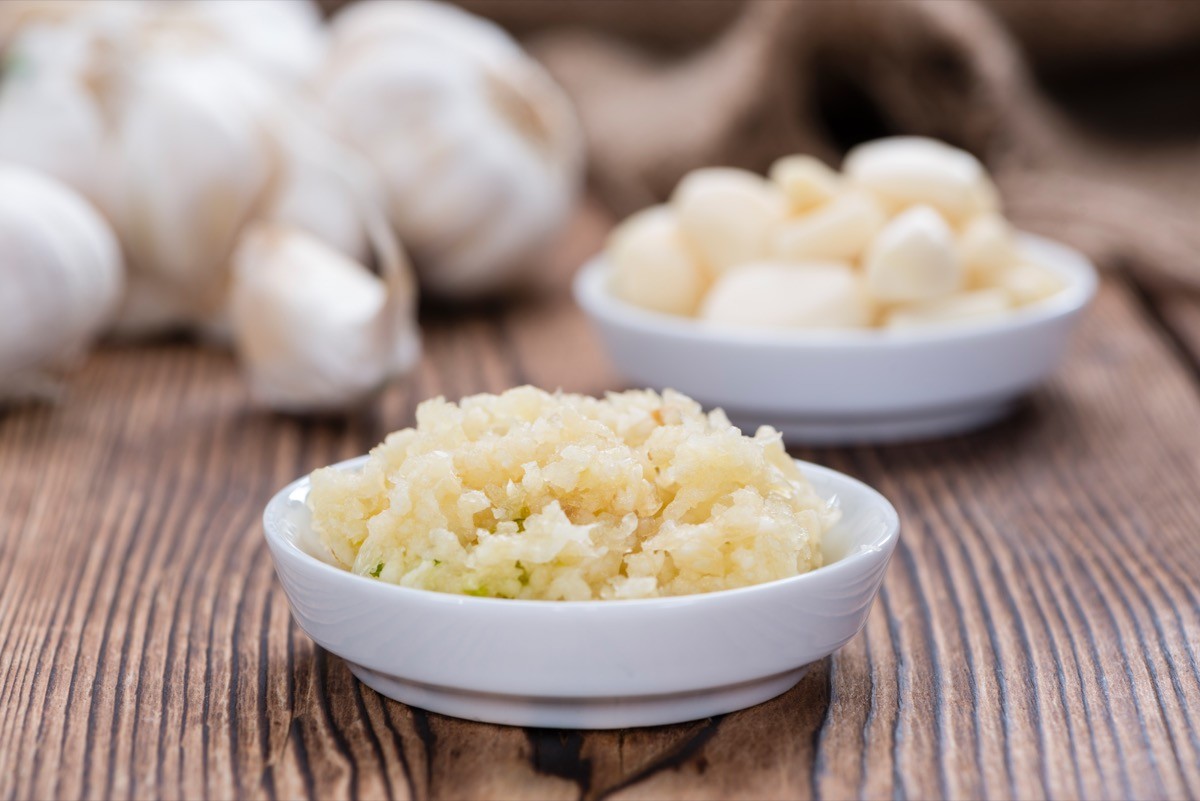
Like rosemary, garlic also can protect the human body from inflammation and oxidative stress. Research shows that garlic, when consumed raw or in extract form, has “excellent health-promoting and disease-preventing effects” in regards to cancer, cardiovascular and metabolic disorders, elevated blood pressure, diabetes, skin conditions, bone disorders, and even cancer.
“Garlic gets its pungent smell from an organic sulfur compound called allicin,” dietitian Laura Jeffers , RD, told Cleveland Clinic . “This compound also makes garlic a healthy addition to your diet.”
According to Jeffers, you’ll absorb the most benefits by consuming garlic raw. “But if you choose to cook it, don’t heat it above 140 degrees Fahrenheit. Higher temperatures kill the allicin, so add garlic to your recipes when you’re almost done cooking,” she suggested.
RELATED: 21 Surprising Signs You Have a Vitamin Deficiency .
iStock
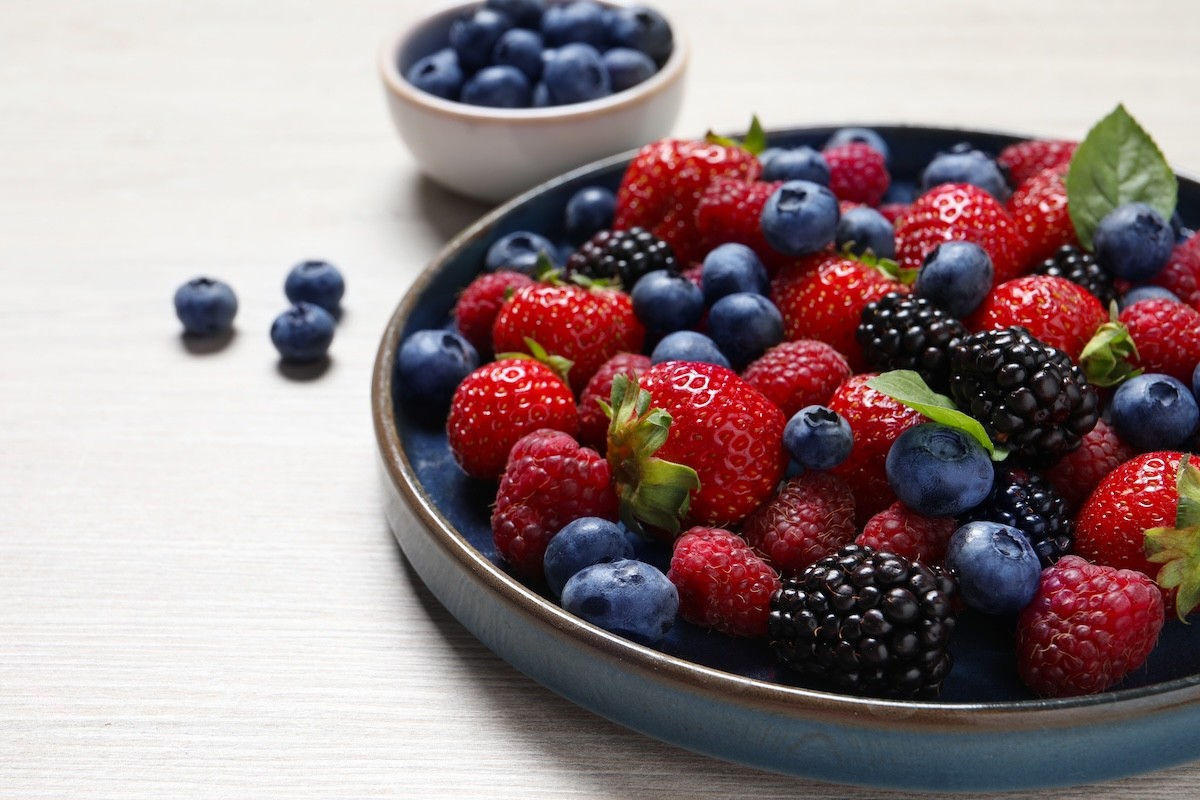
Several kinds of berries are high in methyl adaptogens, including blueberries, blackberries, strawberries, raspberries, elderberries, goji berries, acai berries, and cranberries.
These fruits are popular for their antioxidant and anti-inflammatory properties , but they also support healthy DNA methylation. Try adding a handful to your morning yogurt or fixing yourself a berry-inspired smoothie to up your intake.
Shutterstock
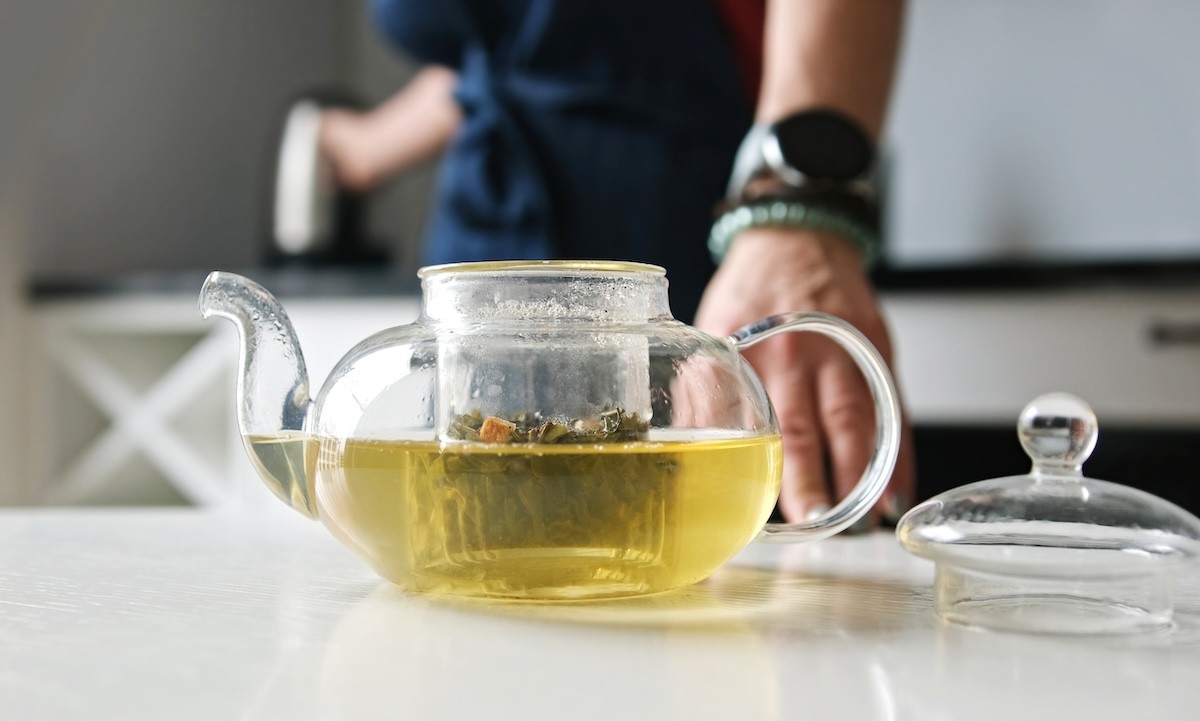
The study also highlighted green tea and oolong tea, both of which were shown to reduce epigenetic aging.
Habitual tea drinkers (defined by drinking at least three cups per week) have a 20 percent lower risk of developing heart disease and stroke, as well as a 22 percent lower risk of heart disease- and stroke-related mortality, according to a previous study cited by CNN .
Interestingly, tea connoisseurs over the age of 50 can increase their longevity by 1.26 years. These results were more prominent among men who drank green tea.
We offer the most up-to-date information from top experts, new research, and health agencies, but our content is not meant to be a substitute for professional guidance. When it comes to the medication you’re taking or any other health questions you have, always consult your healthcare provider directly.
