I Had a Painful Reaction After Eating a Peach—Here’s How It Could Happen to You
Anastasia Gapeeva / iStock
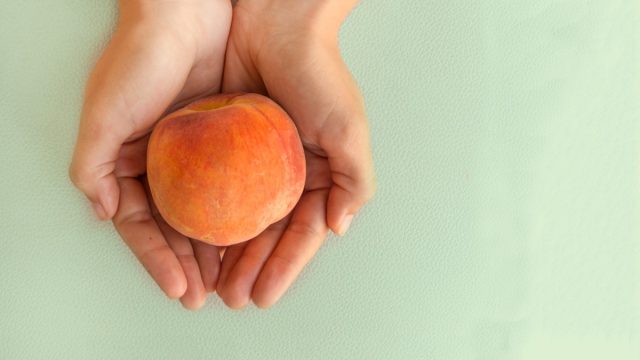
Last weekend couldn’t have started out better: Early Saturday morning I met up with friends for a long run, excited to stretch my legs and gossip the miles away under the hot summer sun . We did just that, laughing and sweating for eight miles and ending up downtown, right next to a farmers market overflowing with heirloom tomatoes, sweet corn, fresh flowers, and ripe peaches. My friends headed home after celebratory hugs and selfies, but I decided to buy myself flowers (because I deserved them, obviously) and couldn’t resist picking up some tomatoes and peaches, too.
Juggling my phone, flowers, and fruit—because of course I hadn’t thought to bring a bag on my run—I bit into a peach and the juice trickled down my arm, quickly turning me into a peachy mess. I wiped my hands on my running shorts and perched myself on some hot stone steps nearby, shoving my sticky phone into my shorts pocket and stretching out like a happy cat in the sunshine.
Read on to find out about the painful surprise I was in for when I finally stood up an hour later, and how to keep it from happening to you.
READ THIS NEXT: If You’re Over 65, Never Do These 4 Things on a Hot Day, CDC Says .
Africa Studio / Shutterstock
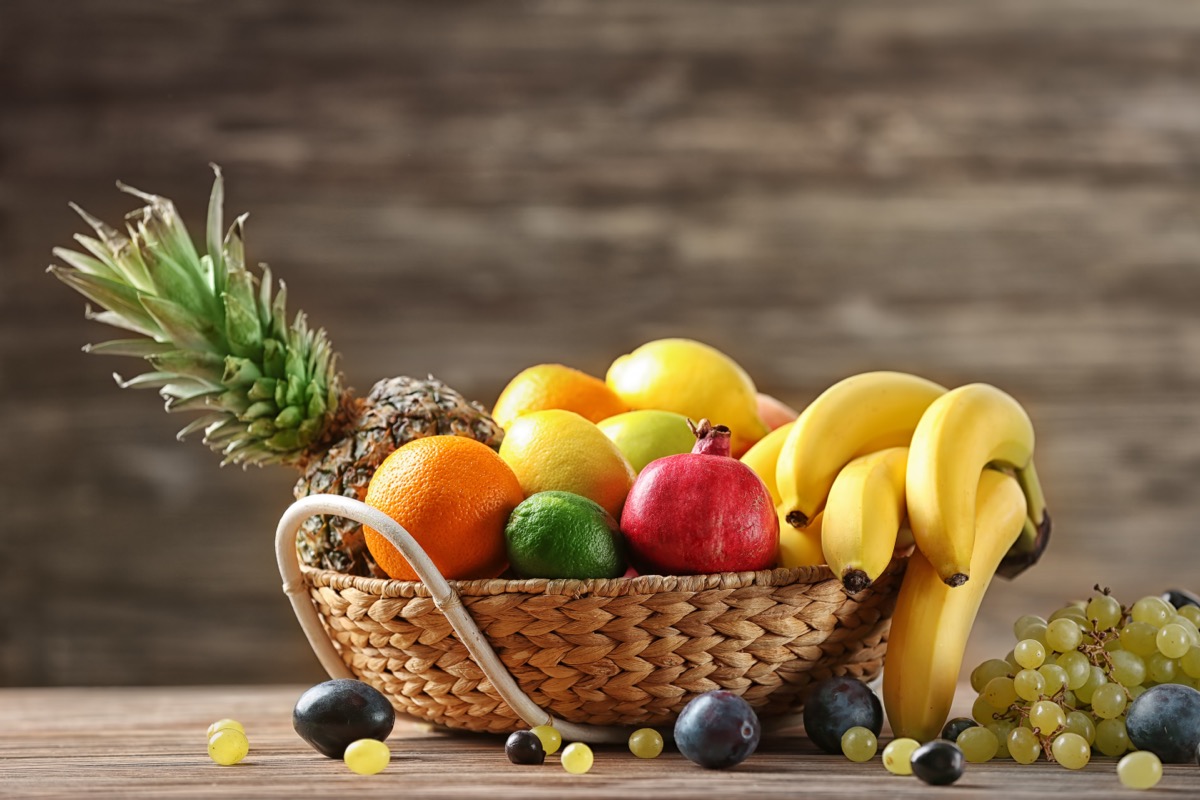
Furocoumarins (please don’t ask me how to pronounce it) are “a class of photoactive compounds found in several plant species,” according to a 2017 paper published in the Journal of Agricultural and Food Chemistry that aimed to identify and quantify the presence of furocoumarins in certain popular foods.
While the authors noted that “no comprehensive database of furocoumarin content of foods is currently available,” they found that parsley, grapefruit, and limes contained the highest furocoumarin concentration of the produce they tested.
After my harrowing experience, I am hypothesizing that peaches also contain furocoumarins, though I failed to find any information specifically on peaches and furocoumarins, even when I reached out to dermatologists for answers.

iStock
“Phytophotodermatitis is an inflammatory skin reaction that results from a combination of long-wave UVA radiation and botanical substances called furocoumarins,” explains Matthew Zarraga , DO, head dermatologist and CEO at Z-Roc Dermatology in Fort Lauderdale, Florida. “Once psoralens, the active particle in furocoumarins, interacts with UVA, the reaction then ensues.”
In my case, that reaction was a puffy, bright red, extremely painful rash in the shape of my phone, which had been covered in juice when I slid it into the pocket of my running shorts, pressed right up against my thigh, which I then exposed to direct sunlight for the length of several songs on my favorite Spotify playlist.

jacoblund / iStock
Turns out, I did all the right things if I was trying to give myself the worst possible case of phytophotodermatitis.
“Furocoumarins sitting on the skin can then get activated by UVA light, causing a reaction usually 24 hours later that often looks like a burn,” Jaimie DeRosa , MD, plastic surgeon and founder of DeRosa Center Plastic Surgery & Med Spa , told me. “ This reaction can be even more intense if that skin also gets wet with water or sweat and heat.”
In other words, my sweaty skin and the hot stone steps I was sitting on created the perfect conditions for a painful reaction to the peach juice soaking into my leg as I enjoyed the late-summer sun (and yes—I was wearing sunscreen !).
Johnrob / iStock
Unsure what had happened to me (it briefly crossed my mind that the universe could be punishing me for my phone addiction by branding its shape into my leg), I gathered up my farmers market bounty and limped toward the subway, my thigh on fire. On the way, I saw a man hosing down the sidewalk in front of his building and asked him if he would please spray my leg.
I’m often grateful that New Yorkers have seen and heard it all and don’t bat an eye when a stranger comes up to them with a bizarre request, and this was one of those times. That blast of cold water eased my pain enough that I could get myself home and gingerly peel off my shorts to inspect the damage.
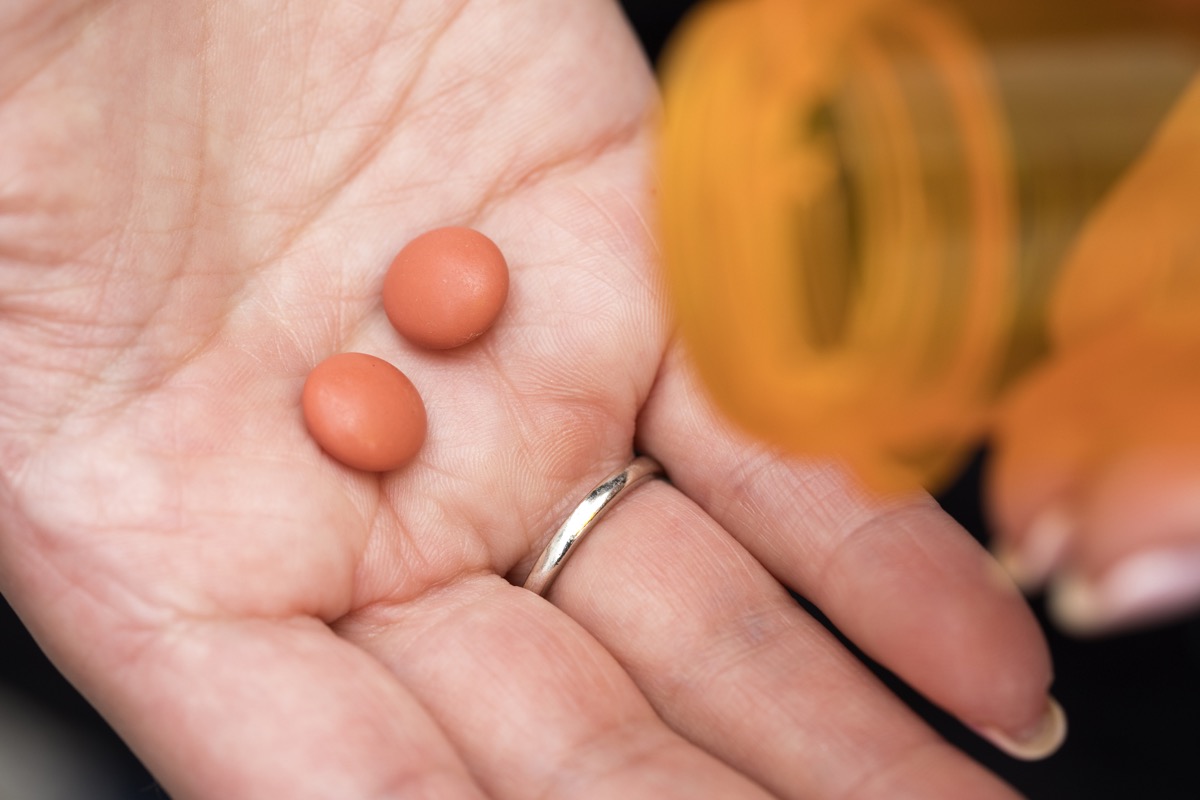
“Phytophotodermatitis is a self-limiting disorder and resolves on its own,” says Zarraga. “Treatment is aimed at symptomatic relief with cool, wet compresses, topical steroids, and NSAIDs [such as aspirin and ibuprofen]. If more than 30 percent of the body is involved, the patient should be transported to a burn unit.”

South_agency / iStock
My reaction, though painful, was not serious—far less than 30 percent of my body was involved—and while it took a couple of days, a combination of Advil and Lucas’ Papaw (my go-to remedy for pretty much any skin woe) did the trick. Now, six days later, only the faintest pink outline of my phone remains. Still, phytophotodermatitis (which is sometimes called “margarita burn” because it can happen when people squeeze limes for margaritas in the summer sun) can be quite serious .
“Anyone can develop phytophotodermatitis,” explains DeRosa. “To prevent [it], avoid sun exposure of the skin if you’re likely to come in contact with fruit and plant sap. You also want to be sure to wash your skin with soap and water any time you come in contact with plants that can cause phytophotodermatitis, such as limes, celery, and carrots, as well as wild herbs. Use a UVA-protective sunscreen and cover your skin to help prevent further light exposure, since this may diminish the severity of the reaction.”
If all of this leaves you thinking furocoumarins are the enemy, think again. “One neat factoid is that these furocoumarins found in plants are a natural defense the plant uses against its predators, such as insects,” DeRosa says. Or, in the case of that peach, me . (It was delicious, though—no regrets.)
Never Store Your Apples Next to This Produce, Experts Warn
Shutterstock
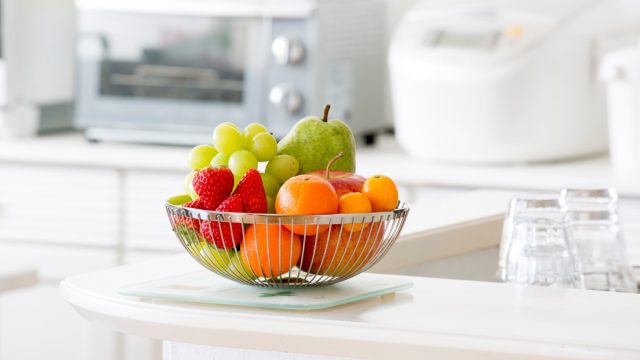
Fall fruit season is upon us, which is great news for fans of apples, pears, and squash. But if you’re planning on upping your apple consumption this season, there are a few things you should know about this fruit—including where you shouldn’t be storing it. Yes, apples stay fresher in the fridge, but that doesn’t mean you can leave them anywhere. Read on to find out what produce you have to keep your apples away from.
RELATED: Never Store Your Potatoes Near This One Thing, Experts Say .
Shutterstock
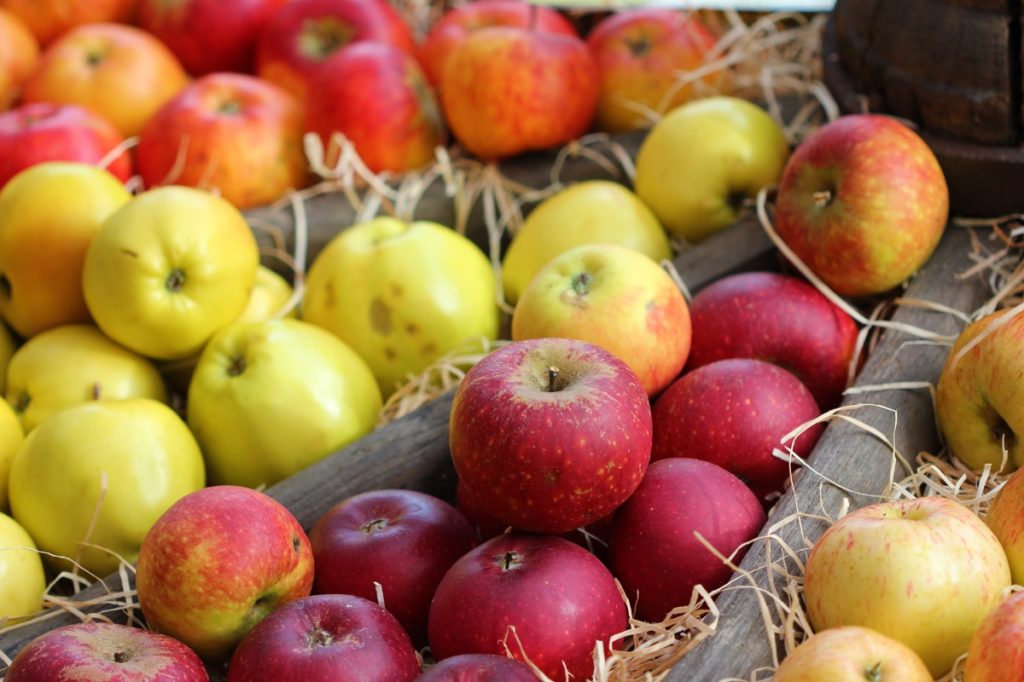
Apples produce ethylene, a hydrocarbon gas known to speed up the fruit ripening process. As apples ripen, they emit a constant stream of the gas. Apples that have gone past their ideal ripening stage and emitted too much ethylene will turn soft, mealy, and lose their flavor, according to the Washington Post .
But it’s not only the apples themselves that will be ruined: The ethylene that apples release into the air can prematurely ripen the other produce you have in your fridge. That means you should never store your apples near avocados, lemons, grapes, onions, and other fruits and vegetables that are sensitive to the gaseous compound, according to LiveStrong.
RELATED: Never Put This Common Baking Ingredient in Your Pantry, Experts Warn .
Shutterstock
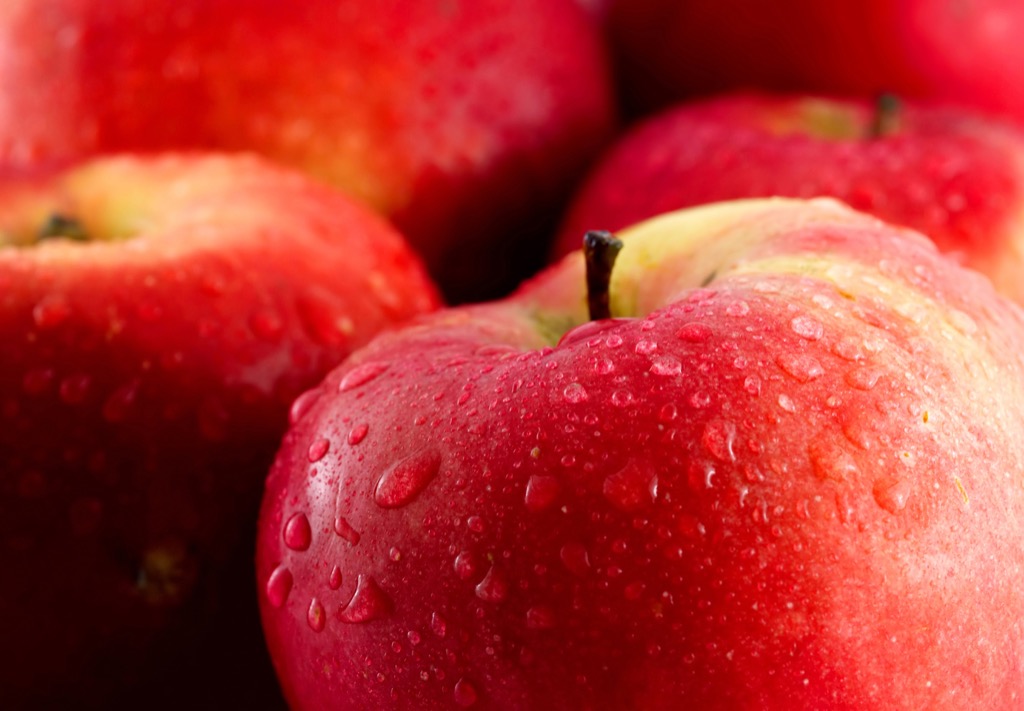
According to the University of Maine, “Some apple varieties such as McIntosh, produce prodigious amounts of ethylene and are difficult to store once this occurs. When harvested after the rapid rise in ethylene, they quickly soften and senesce in storage. Other varieties have a slower rise in ethylene and slower ripening rate.”
The Washington Post says that if you’re planning on eating your apples in the next one or two days, it’s fine to leave them on the counter. However, if you want to preserve your produce and reduce the amount of ethylene produced you should store them in your refrigerator crisper—away from ethylene-sensitive produce. Generally, apples can last between four and six weeks in the refrigerator, per the newspaper.
Arina P Habich / Shutterstock
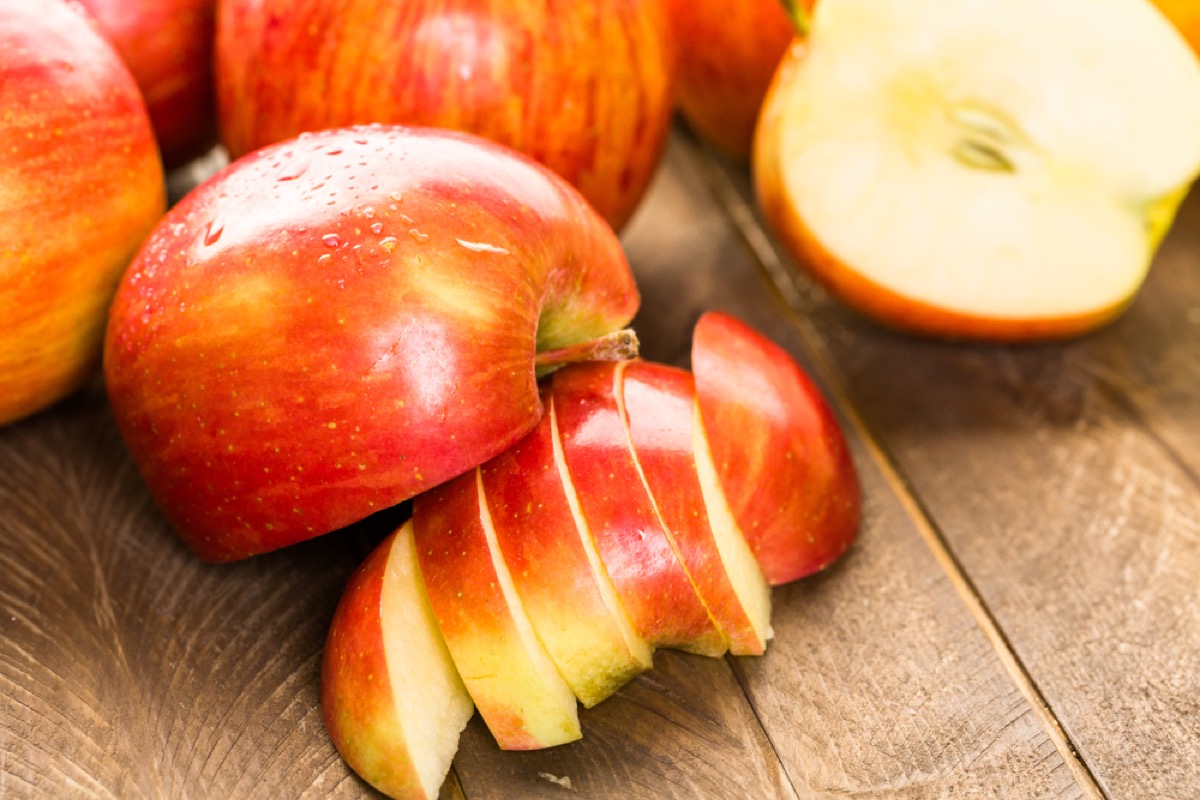
Ethylene isn’t all bad. If you’re looking to speed up the ripening process for your fruits and veggies, by all means, keep them close to your apples. You can also spot-speed the ripening of a particular fruit or vegetable by harnessing its natural ethylene production. Store unripe produce inside a paper bag—just not plastic, because plastic can trap moisture. According to the website Gardening Know How, this will trap the ethylene more effectively and hasten ripening .
Whatever method you use, make sure to closely monitor how your produce is ripening. It’s easy to go from fresh to overripe in just a matter of hours.
Shutterstock
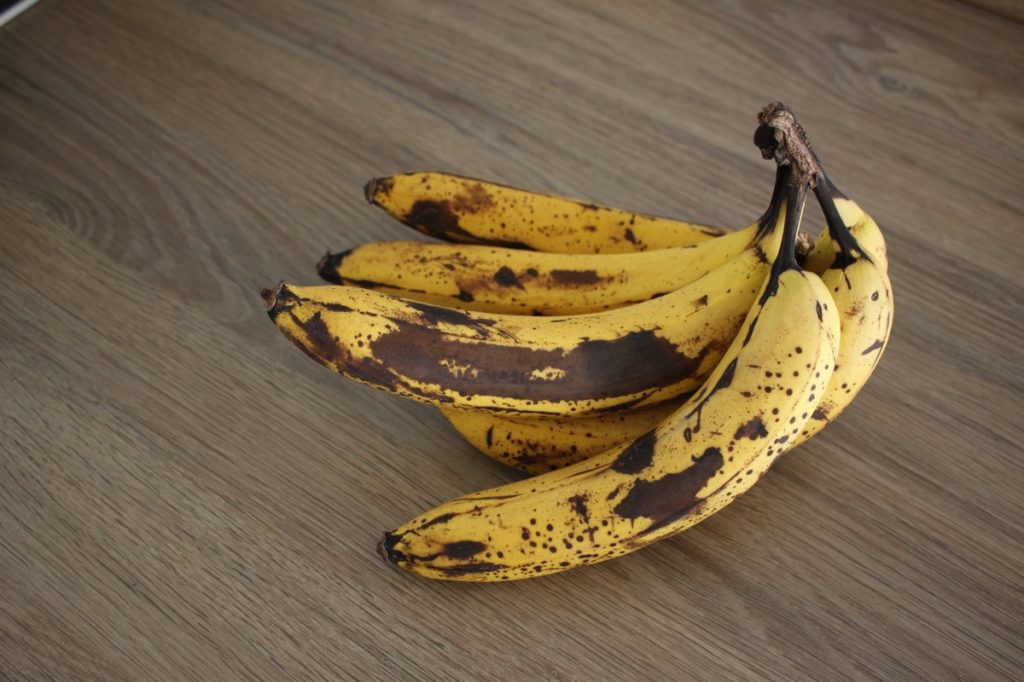
According to the Produce for a Better Health Foundation, apricots, pears, bananas, melon, kiwi, mango, plums, and peaches are all high-ethylene producing fruits . They should also be kept away from ethylene-sensitive fruits and veggies. In addition to the aforementioned list, that also includes broccoli, asparagus, carrots, and celery.
And while you should worry about ethylene-producing produce like apples wreaking havoc on ethylene-sensitive produce, fruits and veggies that emit a lot of ethylene are also sensitive to each other, per the Washington Post. As charming as a large bowl of fruit in the middle of your kitchen counter might seem, it’s probably better for the longevity of your produce that you store apples far from bananas to keep them both fresher longer.
RELATED: The One Vegetable You Should Never Eat Raw, CDC Warns .
