I Left My Out-of-Office on Permanently and I’ve Never Been Happier

Shutterstock
Every hard worker knows the sheer ecstasy of logging onto one’s work email and switching on the “out-of-office” alert system before a big trip. (Honestly, is there any better feeling?) But when you travel as much as I do—as a self-employed writer, I spend practically half my life at 30,000 feet and on foreign soil—you learn a dirty little secret: you should never, ever, ever, turn that alert off. Seriously. I don’t. My out-of-office alert is activated regardless of whether I’m in China or I’m sitting at my desk in my New York apartment. Yes, it’s activated right now, thank you very much.
Sounds crazy? It’s not! And, for the record, I’m serious. In fact, I’d wager that it’s the single greatest productivity hack anyone can do that will also restore sanity to your busy life.
Now, I know that many of you won’t have the stomach for this, especially if you have a day job in an open floor-plan workspace, but I’d urge you to try it anyway—just let your teammates know what you’re doing. (But no, don’t tell your clients.) If you keep your email set to out-of-office at all times, you’ll be happier, you’ll be less stressed, and you’ll get more things done than you ever imagined. So read on, and shoot me an email later to thank me. And for more great smarter living advice, read up on how Bill Murray’s Secret Spotify Playlist Will Boost Your Productivity.

Shutterstock
Full disclosure: I’m British. And yes, we’re pre-programmed to be polite, so I consider the auto-reply the digital equivalent of nodding hello when someone greets me. Don’t we all deserve such courtesy?
Shutterstock
We’ll, kiss those feelings goodbye, because guess what? You’ve already gotten back to them. Ever heard of “email apnea?” It’s a real thing. Having a robot-you instantly hitting your colleagues and friends back will alleviate all of your anxiety.
Shutterstock
Because “Did you get my email?” emails are a total waste of Internet bandwidth.

Shutterstock
One study showed that white-collar workers like me spend upwards of 25 percent of the day replying to email—and here’s the catch: that was back in 2004! Liberated from email pressure, I can focus on what matters: work. Translation: I’m at least 25 percent more productive than you are.

Shutterstock
We’ve all been asked to tackle projects we don’t want to, or posed questions we’re not quite sure how to answer. That auto-responder is the world’s greatest sidestepping or stalling mechanism that provides an embarrassment-proof solution. Ignore an email for long enough after confirming it was received, and that awkward request might well never be repeated. For more upbeat advice, here are 70 Genius Tricks to Get Instantly Happy.

Shutterstock
I update my auto-reply every week with any pertinent info—a change in time zones, for example—and that final click when it goes live? The feeling is like a mini vacation in itself. Oh, and speaking of real vacations: if you’re traveling soon, know these brilliant, expert-level travel hacks.

Shutterstock
I’m not easily distracted, but everyone can suffer from concentration hiccups. In fact, studies show it takes between 64 seconds and 67 seconds to return to their original train of thought after pitstopping in their inbox. Ringfencing it—so you don’t feel the need to constantly check your phone—could save you up to an hour a day.

Shutterstock
You may think that your colleagues and friends will be offended by your out-of-office. It’s quite the opposite: I’ve found that many actually appreciate the auto-reply, as it’s a sign of good communication. Plenty of first time recipients also email me back, enviously, with some form of: “I wish I’d thought of that!”
Shuttesrtock
We’re all a little lazy. And these days it’s so easy to delegate certain tasks to colleagues. Newsflash: Often that colleague is me. Well, having the always-active auto-response pushes back against this instinct: rather than wait for my reply, those people often resolve whatever they need independently.
Shutterstock
Instead of passive-aggressively marking a message with an exclamation point, these bounce-backs force colleagues and friends to prove how urgent their message is. Will they actually call me? Is the office really burning down?
Yes, the out-of-office sifts out all essential tasks from kinda-maybes.

Shutterstock
Over the long term, once people know you’re not an email slave who knee-jerk-responds to every message, you’ll find your inbox deluge slows to a trickle. Trust me: this is a fact.

Shutterstock
I’m self-employed, and I don’t have an assistant. So I treat that OOO as the virtual digital version of an old school PA, taking a message after any enquiry and promising to pass it along. It makes me feel more professional, even when I’m sitting in my pajamas at 3pm.
Shutterstock

Shutterstock
Yes, that cluttered inbox is like a nagging relative, just carping for attention. According to one study , we think we check email just once an hour, but the truth is it’s more like every five minutes. An auto-response puts me back in pole position, so I can allocate certain times to reply to whatever messages seem important—or not reply at all.
Shutterstock
Unless you work in customer service, replying to emails is not part of your job description. Auto-responders provide a built-in cooling-off period for your inbox: inhale deeply in the breathing room it affords you, and you’ll be less anxious about simply ignoring a message or two.

Shutterstock
If you’re thoughtful, it can be a good promotional tool: include a hotlink (like this ) to whatever recent project you’ve completed on the bounceback, and you’ve earned yourself free, automated PR.

Shutterstock
In an era bedeviled by trolling, we’ve become squeamish about straightforward, no-nonsense assertiveness. A simple note that says, “Bear with me as my inbox is overloaded, and I’ll get back to you as soon as I can,” is refreshingly direct.
AFANASEV IVAN / Shutterstock
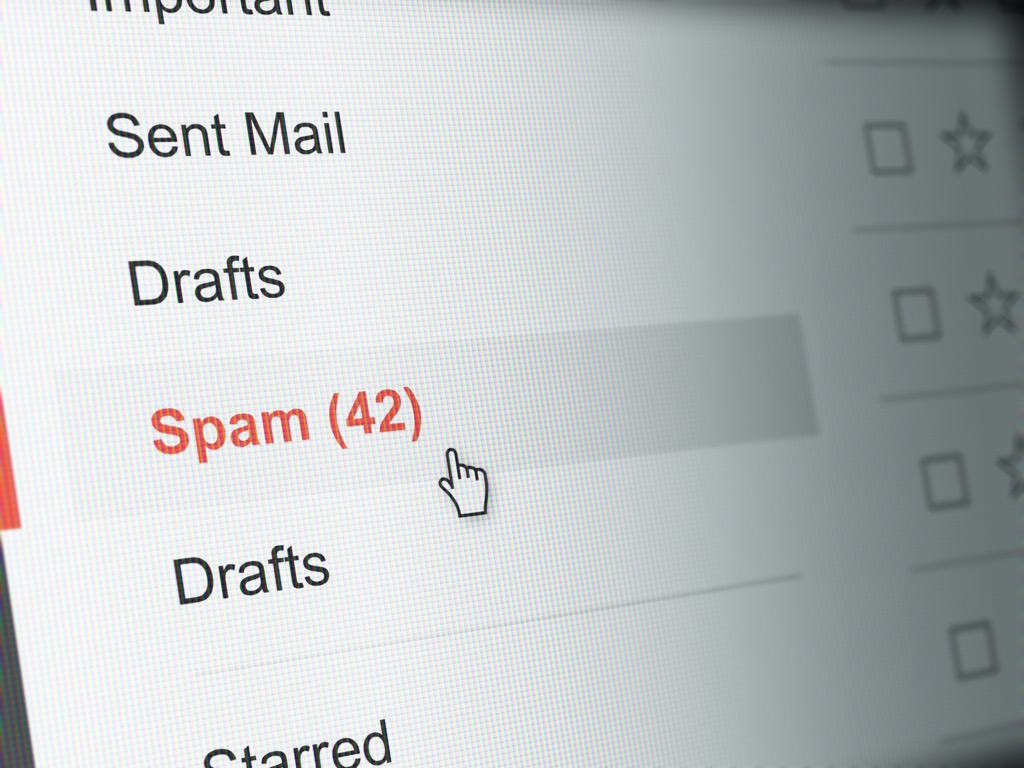
I’ve found that adding a sentence saying, “If this is a request for assistance or an article, I’m immensely grateful for your email; there’s no need to follow up, as I will definitely get back to you if I want to chat more.” That canned response will probably reduce the number of emails you even need to answer by 20%.

Shutterstock
Judging by the reactions I get, not very many people do this.

Shutterstock
That auto-response is tacitly telegraphing to your correspondents: “I’m just a bit more important than you are.”
So do it—and own it.
