The 10 Types of Grass Explained by Landscaping Experts

Shutterstock
When it comes to curb appeal, your lawn —and, more specifically, the types of grass you choose—can make or break your home’s look. Pick the right type of grass to suit your climate, soil type, and needs, and you’ll ensure a lush, vibrant stretch of land that’s more resilient to the elements. Pick the wrong one, and you may find yourself doing excessive maintenance—think watering, fertilizing, and mowing—for a plot of patchy grass that never seems to take root.
However, with thousands of grasses in the world, you’d be forgiven for glazing over the details of what each type has to offer. The good news? There are really only 10 you need to get to know when it comes to home gardening, landscaping experts say.
RELATED: 8 Easy Ways to Get a Lush Green Lawn Without Using Chemicals .
What Does Grass Do?
aTp_artist / Shutterstock
Grass provides several benefits for your yard, says Michael Clarke , a landscape architect, horticulturist and the founder of Yardwork . “Most importantly it cools your landscape and provides a soft cushion to do activities on,” he says.
Craig Elworthy , founder of the natural lawn care company Lawnbright , says lawns have recently gotten a bad rap for their impact on the environment but that they are “hugely beneficial” when cared for properly.
“They are effectively a carbon sink, taking in carbon from the atmosphere and producing oxygen on a scale that’s almost as efficient as trees,” he tells Best Life.
When cultivated thoughtfully to include a range of grasses, flowers, trees, and other plants, your lawn area can support a biodiverse ecosystem that helps plants and animals thrive.
How Many Different Types of Grass Are There?
When you get out into the wild, there are between 11,000 and 13,000 species of grass on the planet. According to the Smithsonian National Museum of Natural History , these are currently classified in 12 subfamilies, 52 tribes, 90 subtribes, and more than 768 genera.
“However, when we narrow it down to desirable turfgrass in a residential yard, only a handful emerge,” Elworthy explains. “These are broken down into two primary types: warm season and cool season grasses.”
RELATED: 6 Ways to Make Your Lawn Maintenance-Free .
Warm Season Grass
Warm-season grasses tend to grow naturally in hot climates—in the U.S., this means they’re typically found in the southern and southwestern regions. Elworthy notes that they tend to grow vigorously in the summer months.
“This grass type typically does not need to be ‘seeded’ like a traditional cool season grass because they spread largely on their own through rhizomes and stolons,” he shares.
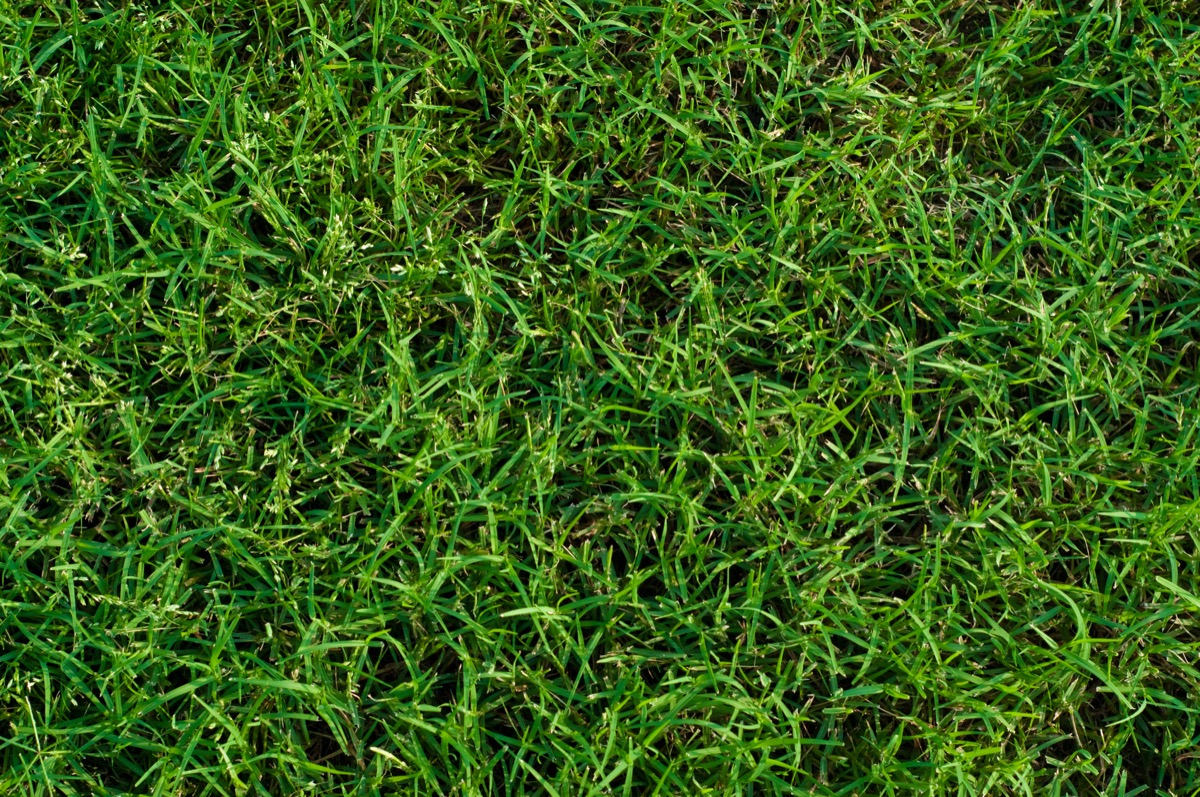
1. Bermuda
Shutterstock
Season: Spring/Summer Texture: Medium coarse Color: Gray-green Maintenance level: Medium
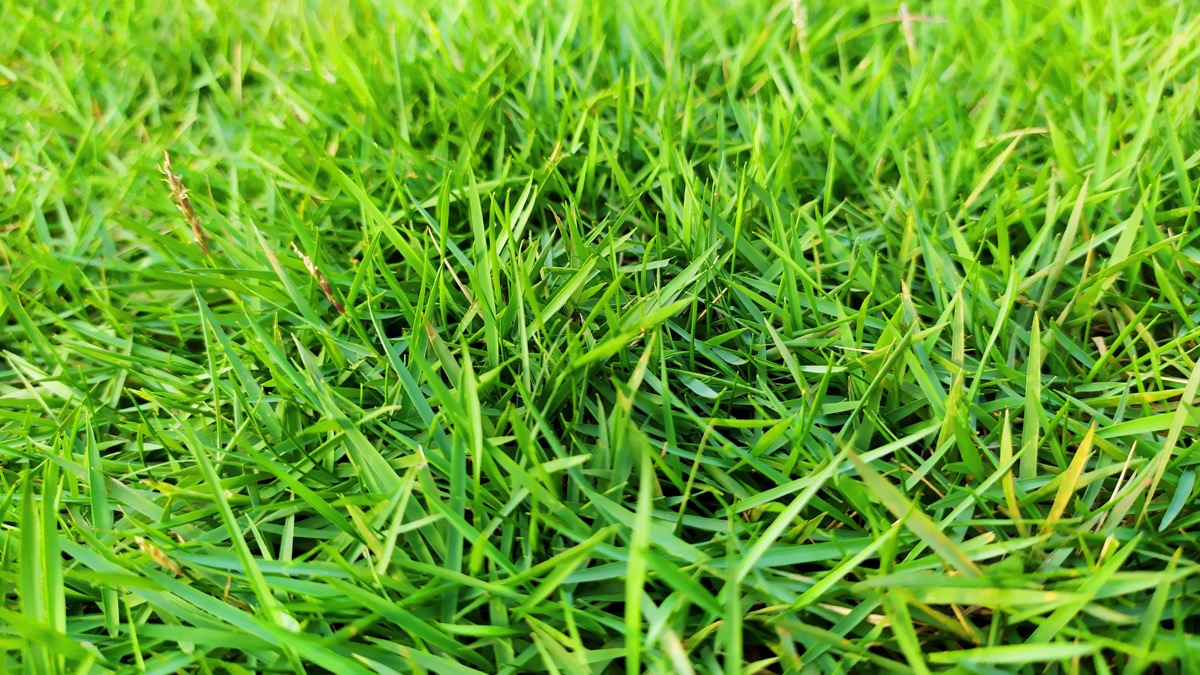
2. Zoysia
Shutterstock
Season: Spring/Summer Texture: Soft Color: Light green Maintenance level: High
3. Centipede

iStock
Season: Spring/Summer Texture: Coarse Color: Light green Maintenance level: High
4. St. Augustine

iStock
Season: Spring/Summer Texture: Coarse Color: Green or blue-green Maintenance level: High
5. Buffalo grass
Nick Beer / Shutterstock
Season: Spring/Summer Texture: Soft Color: Gray-green or blue-green Maintenance level: Low
6. Bahia

Shutterstock
Season: Spring/Summer Texture: Coarse Color: Light green Maintenance level: Low
RELATED: Best Reasons to Stop Raking Your Leaves, Experts Say .
Cool Season Grass
Able to thrive in colder climates, cool-season grasses are characterized by their ability to grow in the shoulder seasons, spring and fall. Elworthy says they tend to grow slowly in the summer.
“These grasses require seeding as they will not spread on their own like warm season grasses,” he points out.
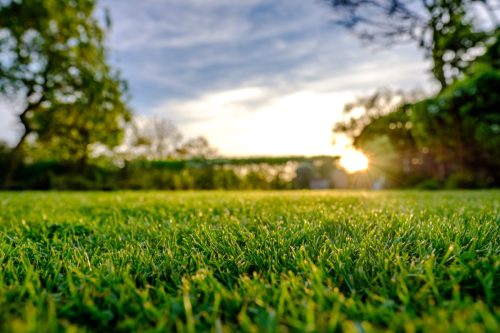
7. Tall Fescue
Shutterstock
Season: Fall/Spring Texture: Coarse Color: Medium to dark green Maintenance level: Medium
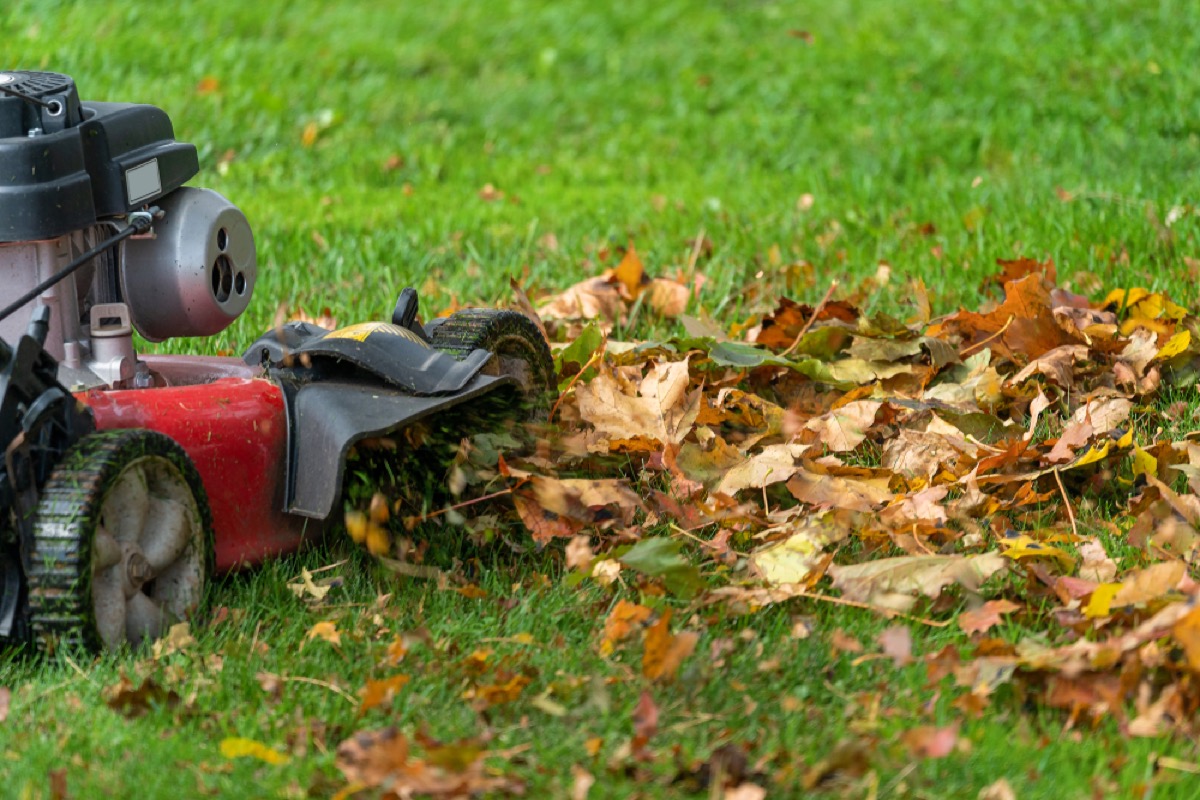
8. Ryegrass
Shutterstock/V J Matthew
Season: Fall/Spring Texture: Fine Color: Dark green Maintenance level: Medium
9. Kentucky Bluegrass

Shutterstock
Season: Fall/Winter/Spring Texture: Fine Color: Green to blue-green Maintenance level: Medium to high
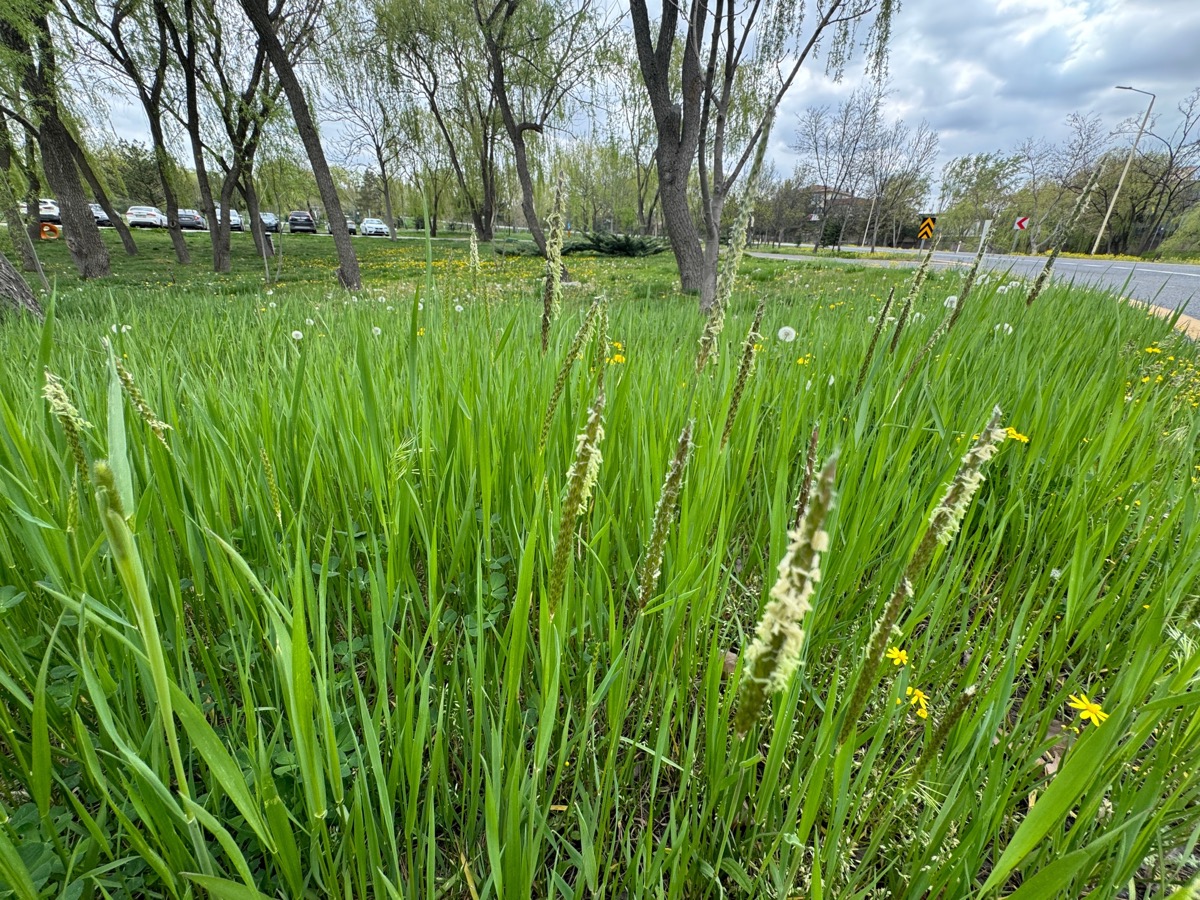
10. Fine Fescue
Shutterstock
Season: Spring/Summer/Fall Texture: Fine Color: Dark gray-green Maintenance level: Low
RELATED: 6 Ways to Pest-Proof Your Grass, According to Landscaping Experts .
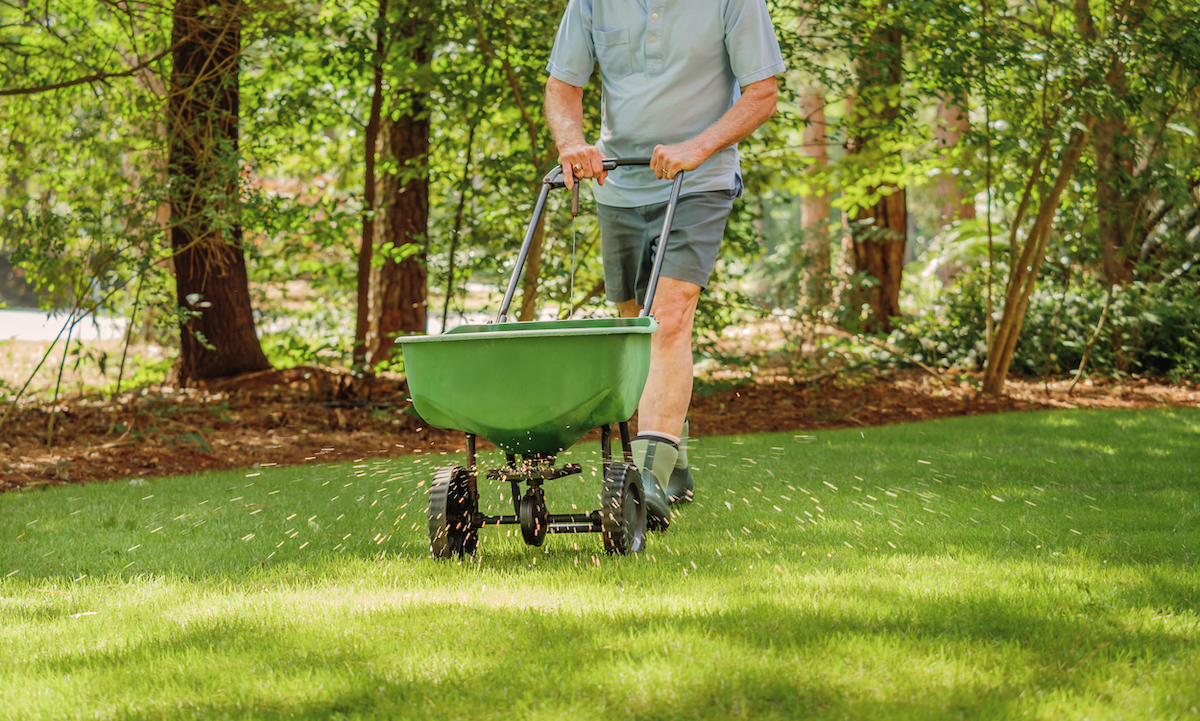
What Type of Grass Is Best for My Lawn?
The Toidi / Shutterstock
Choosing between grass types will depend on your climate, daily use, and sun exposure, says Clarke.
“Many western states tend to use cool season grass like Kentucky Bluegrass, sometimes mixed with Bermuda grass for consistent color all year and high durability. Much of the east, north, and central U.S. use Kentucky Bluegrass and Tall Fescue,” he tells Best Life. “Tall fescue is the most durable cool season grass and withstands heavy use, whereas fine fescue is less durable but does better in heavily shaded areas.”
Meanwhile, warmer climates and southern states tend to use Bermuda and St. Augustine, which do well in full sun. However, if activity is high throughout the year, Clarke says that Bermuda grass is considered preferable because of its durability.
Conclusion
If you’re not sure about your own lawn’s needs, it’s best to consult a local horticulturist, lawn care expert, or neighbor in the know. They will be able to share insights about which species tend to thrive in your area, provide care tips, and more. Then, once you’ve selected your grass type, be sure to read up on how to care for it, including watering, fertilizing, mowing, weeding, and more. This will help ensure that you can enjoy your grass in all its lush, green glory for many years to come.
