This Week’s Winter Storm Could Bring Even More Snow to These Regions
aetb/iStock
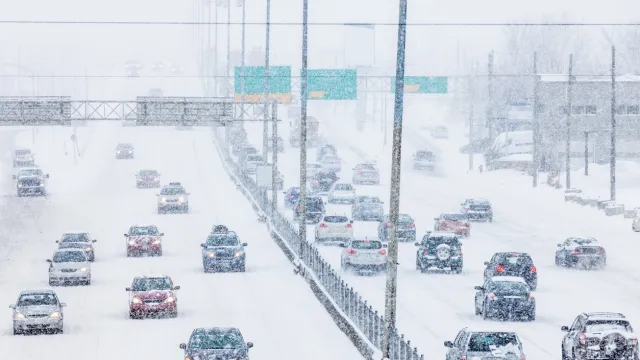
With weeks left to go before spring officially begins, 2024 has been somewhat of a mixed bag of severe winter weather and unusual conditions. Historic levels of rain and flooding have pummeled the West Coast, while other areas in the Midwest have seen much less snowfall compared to their annual averages. But some have also been dealing with consecutive bouts of seasonal weather, with a winter storm now building that could bring even more snow to some places this week. Read on to see which regions will be affected and what’s in the forecast for your area.
RELATED: Meteorologists Warn That “Super El Niño” Could Lead to Intense Hurricane Season .
iStock / gremlin
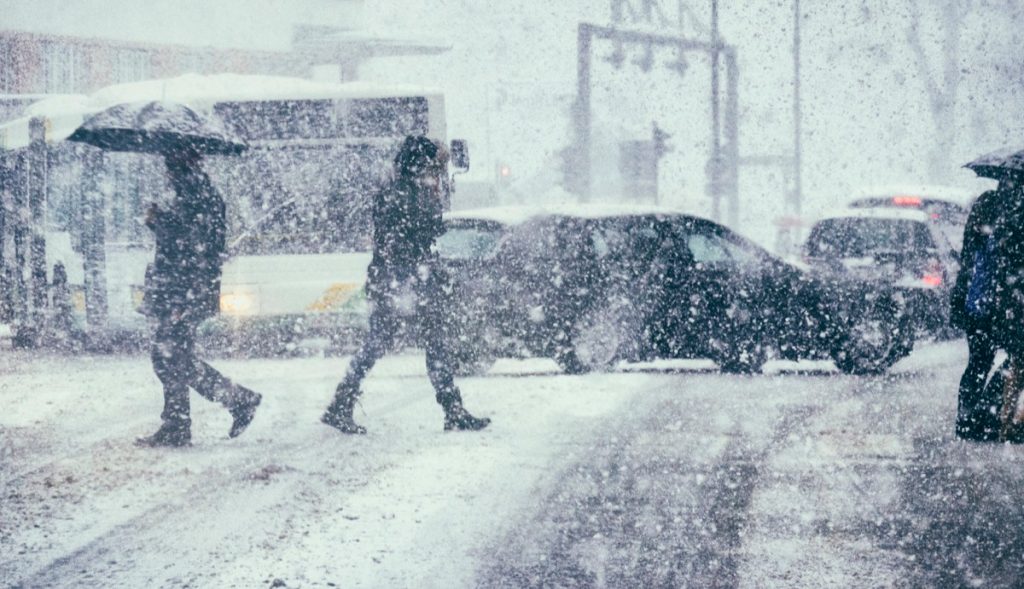
Last week, parts of the East Coast and the Northeast lived up to their wintery expectations with back-to-back storms. The first of the two systems arrived in the days leading up to Valentine’s Day, covering some areas in New York with nearly a foot of snow. A last-minute trajectory change drastically altered original forecasts, which initially called for southern New England to see the most accumulation.
But days later, a second system pushed in from the Midwest to bring similar conditions to ring in the weekend. In this case, the storm outperformed expectations , dropping nearly a foot of snow in parts of Ohio, central Pennsylvania, parts of New Jersey, and southern New York, The New York Times reported. Mid-Atlantic cities, including Baltimore, also saw about three inches accumulate during the storm.
RELATED: New Spring Forecast Shows Which U.S. Regions Will Be Warmer and Wetter This Year .
Upstate Photos / Shutterstock
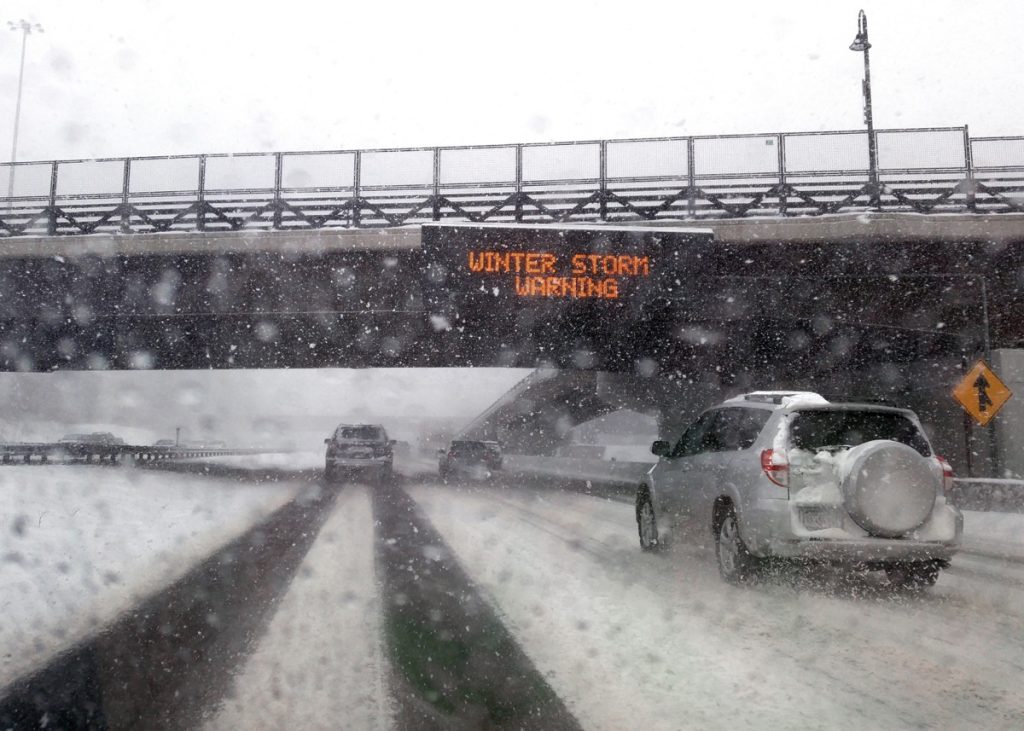
Mother Nature doesn’t appear to be slowing down much this week. Forecasts now show that a winter storm will strike the East and Northeast again, potentially causing travel headaches heading into the weekend as it pushes in from the West Coast, Fox Weather reports.
Fortunately, the lead-in could bring some initially pleasant changes for many places by providing a quick thaw. Warmer temperatures should spread from the Midwest through the Appalachians, spiking highs from the 20s and 30s seen over the past few days all the way into the 50s in some places before midweek, per AccuWeather. However, these effects are expected to be relatively short-lived.
RELATED: “Extended Winter” May Keep Things Cold in These Regions, Meteorologists Predict .
iStock
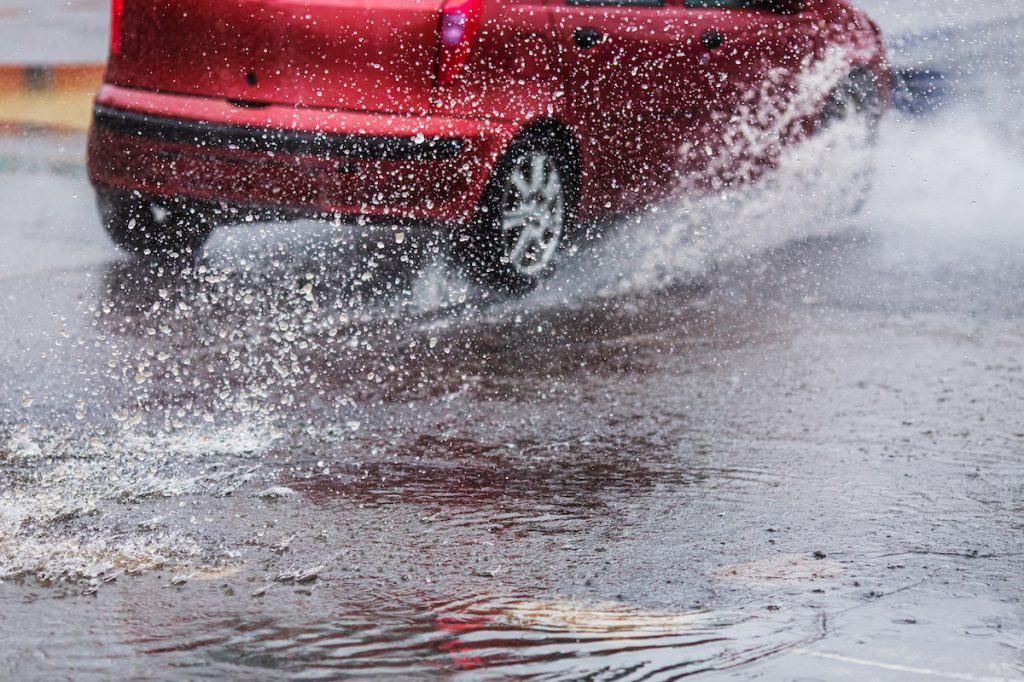
As the storm continues to move, it’s expected to create some potentially dangerous conditions even before it turns to snow.
“The exact same system that is impacting California, it’s going to continue to evolve as it works its way eastward,” Kendall Smith , a meteorologist with Fox Weather, said during a forecast update on Feb. 20. “So diving out of the Rockies into the Plains, and it’s going to be met up with a lot of warm, moist, unstable air, and so that’s why we could see this severe potential kind of playing out for us, especially as we head into the overnight hours.”
By Thursday, forecasts say the storm will begin to drop enough rainfall to spur flooding in the Ohio Valley. Areas farther south in the Tennessee Valley could also see thunderstorms develop before the system pushes on and reaches the Mid-Atlantic coast by Thursday evening with one to 1.5 inches of rainfall, according to AccuWeather.

iStock
Meanwhile, areas farther north could be getting a different type of precipitation. Sections of Upstate New York, most of Vermont and New Hampshire, and central Maine could see snowfall by the end of the week, bringing anywhere from a dusting to two inches, AccuWeather reports.
“Into the Northeast, the storm will quickly track by on Friday. Snow is possible, mainly in the terrain areas of the Northeast, with rain likely across southern New England,” Joseph Bauer , an AccuWeather meteorologist, said in a forecast update.
Lower temperatures farther south could lead to wintry mixes and freezing rain in some areas of New York, northern Pennsylvania, and southern New England. The storm’s wake will also bring another reminder of winter as temperatures begin to drop over the weekend to about five to 10 degrees below average, per AccuWeather. Blustery conditions could also drive wind chills in the Midwest through the Northeast for the weekend.
“Arctic Blast” and Widespread Snow Predicted for Next Month—Here’s Where
ProfessionalStudioImages/iStock
The kickoff to 2024 has served as a reminder of just how severe winter weather can get. From freezing temperatures to devastating flooding , few regions have been spared since January began. But with several weeks to go before spring kicks in, meteorologists have already predicted there could be another “arctic blast” and more widespread snow next month. Read on to see why conditions could get so extreme in February and what regions the weather could affect the most.
RELATED: Polar Vortex Could Bring “Severe Winter Weather” to the U.S.—Here’s When .

iStock
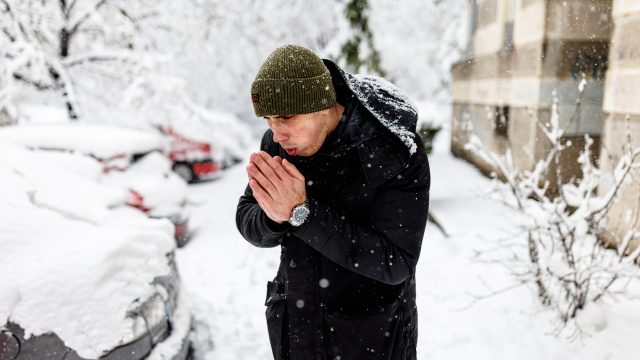
The frigid temperatures that swept across the nation earlier this month were a jolting reminder that winter had arrived. However, the colder-than-usual conditions were actually the result of a weather pattern known as the “polar vortex.”
The term refers to a counterclockwise flow of air that keeps a block of low pressure and cold air at the planet’s poles in place, according to the National Oceanic and Atmospheric Administration’s (NOAA) National Weather Service (NWS). Occasionally, it descends into the continental U.S.—and meteorologists say this explains why so many regions woke up to freezing conditions earlier this month.
“It appears as though the minor [vortex] warming during the first week of January and the subsequent destruction of the polar vortex in the lower stratosphere were enough to at least help set the stage for the cold air outbreak over North America this past weekend,” Climate.gov wrote.
RELATED: Weather Predictions Keep Changing—What the Unpredictable Shifts Mean for You .
iStock
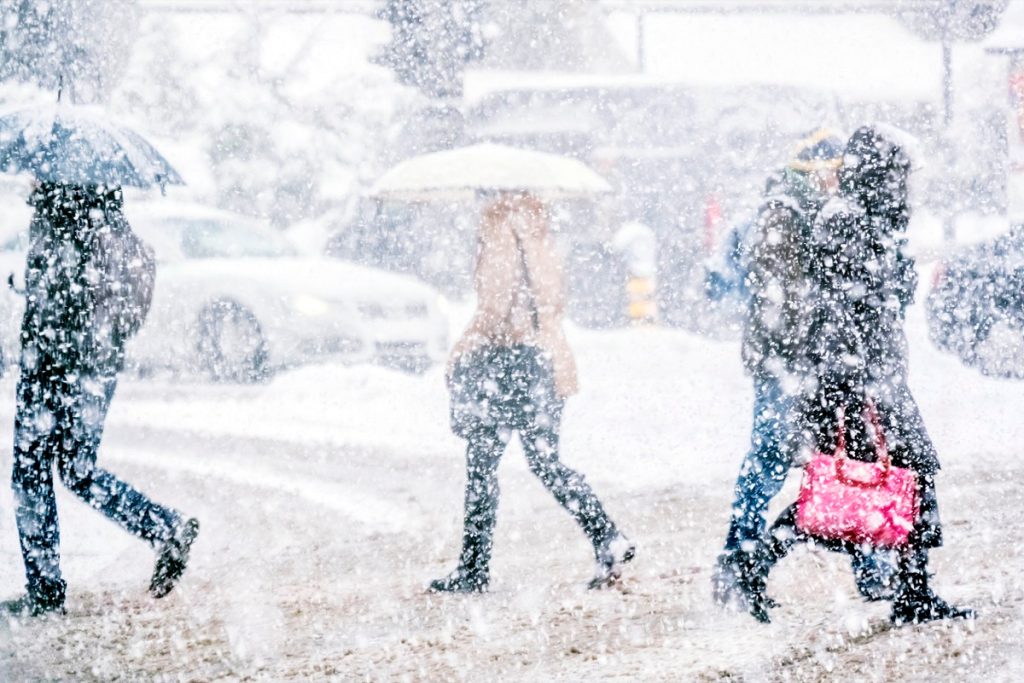
Even as last week’s cold snaps have reversed course into some unseasonably warm weather , it’s unlikely we’ve seen the last arctic blast of the winter . According to a blog post by Judah Cohen , an atmospheric scientist and director of seasonal forecasting at Atmospheric and Environmental Research (AER), the polar vortex is a “rapidly transitioning situation” that will “come down to rinse, lather, repeat.”
Cohen explained his reasoning during an interview with Fox Weather on Jan. 23, where he also outlined how he believes the forecast will play out in the coming weeks. However, the next cold wave might start off with the opposite weather you expect.
“For the first half of January, that polar vortex kind of stumbled and fell foul there, moved south. We had the arctic outbreak,” Cohen told the network. “But now it’s, it’s back together, let’s say, and, it’s a very tight spin, rotation of the polar vortex. All the cold air is receding back towards the North Pole, and we’re going to have a milder end of the month of January.”
RELATED: 7 Ways to Winter-Proof Your Car, According to Experts .
iStock
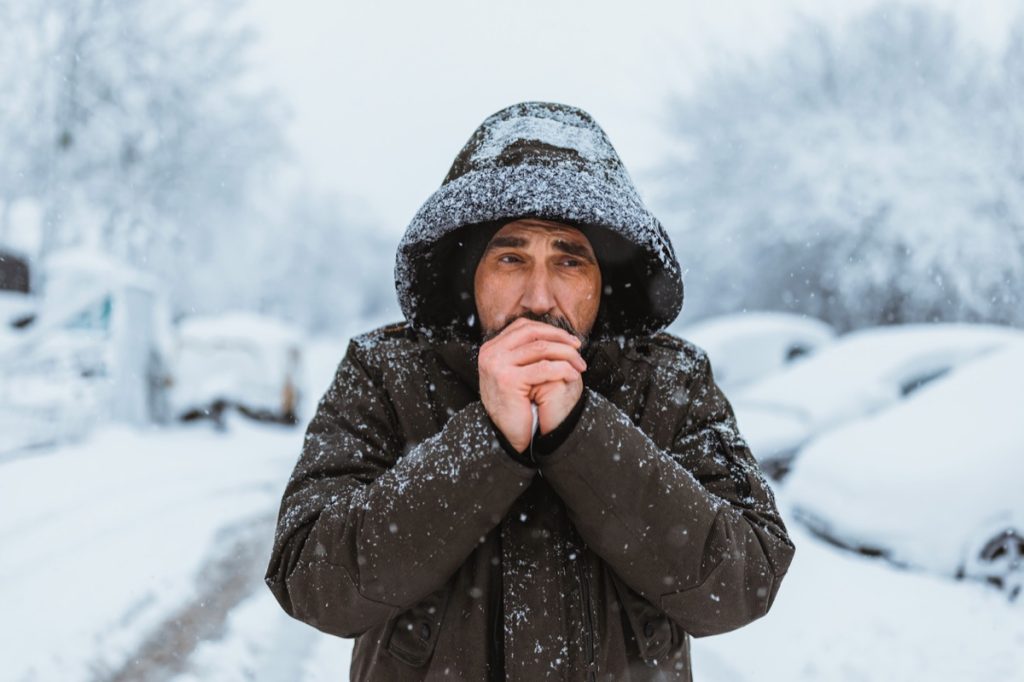
However, the rising mercury may end up being a red herring for what’s to come.
“We’re probably going to see a record warm, like we had that happen in December,” Cohen told Fox Weather in his near-term prediction. “But I do think then, often when you have these Canadian warmings, the polar vortex then tends to transition into a very large disruption called a sudden stratospheric warming or a stretching event, like a rubber band (pulling cold air south).”
Cohen told the network that these very conditions are what created this month’s frigid conditions, and he believes there’s a “good chance” it will repeat itself next month.
“I think in the time frame of the second week of February and even possibly mid-February a stretched polar vortex is becoming more likely,” he told Fox Weather. “This should help end the very mild pattern in place across North America. The intensity and duration of cold weather associated with the stretched polar vortex is yet to be determined.”
Damian Lugowski / Shutterstock
Dealing with another blast of freezing temperatures may be par for the course as far as winter is concerned. But Cohen also says some regions could see more snow and extreme weather head their way as another variable affects conditions.
Weather forecasts still consider the effects of El Niño in the winter, which describes a patch of warmer-than-average water off the coast of South America. Typically, it generates wetter weather in the West while bringing more mild, less snowy conditions to the East Coast, according to National Geographic . But as the season progresses, the weakening warmth could bring about a drastic change on top of the polar vortex.
“As far as El Niño, I do think that less than strong is better for snow and cold in the East,” Cohen told The Washington Post in an email.
Altogether, Cohen believes those who are hoping for an early start to spring will be disappointed by what’s likely coming. “I don’t think it’s the end of winter,” he told Fox Weather. “I think it’s not a breakdown of the pattern, but I think a relaxing pattern.”
- Source: NWS: What Is the Polar Vortex?
- Source: NOAA Climate.gov: The polar vortex is acting up
